Why a Burmese Puts Up With a Toddler
Bringing a new baby or a rambunctious toddler into a home with a beloved Burmese cat can fill any owner with a mix of joy and apprehension. You adore your furry companion, but you also worry about how they'll cope with the sudden influx of unpredictable movements, loud noises, and grabby little hands. This guide is here to reassure you and explore exactly why the uniquely tolerant and affectionate Burmese cat often handles the challenges of toddlerhood with surprising grace, and how you can foster an even happier, safer environment for both your tiny human and your cherished feline.
The Burmese: A True People-Pleaser with Endless Patience
The Burmese cat isn't your typical aloof feline. Oh no, they're practically the definition of a "people cat," thriving on interaction and connection. This deep-seated desire to be part of the family, to be involved in everything you do, is a huge part of why they tend to be so remarkably patient with the often-chaotic energy of toddlers. They genuinely want to be where the action is, even if that action involves a small, wobbly human making strange noises and attempts at petting that are more like pats.
Why Their Social Nature Makes Them So Accepting
Imagine a cat that actually prefers to be in the thick of family life rather than retreating to a quiet, solitary spot. That's your Burmese. They are incredibly social creatures, almost to the point of being demanding in their affection. They thrive on companionship and see every family member, regardless of size or noise level, as another source of love and attention. This inherent social drive means they're less likely to view a toddler as an intruder or a nuisance, but rather as another fascinating, albeit clumsy, member of their cherished "colony." They genuinely want to connect, and this forms the foundation of their tolerance. It's not just a survival mechanism; it's part of their core personality. This is why Why a Burmese Cannot Be Left Alone All Day is such a critical consideration for owners.
How Their Affection Translates to Tolerance for Little Hands
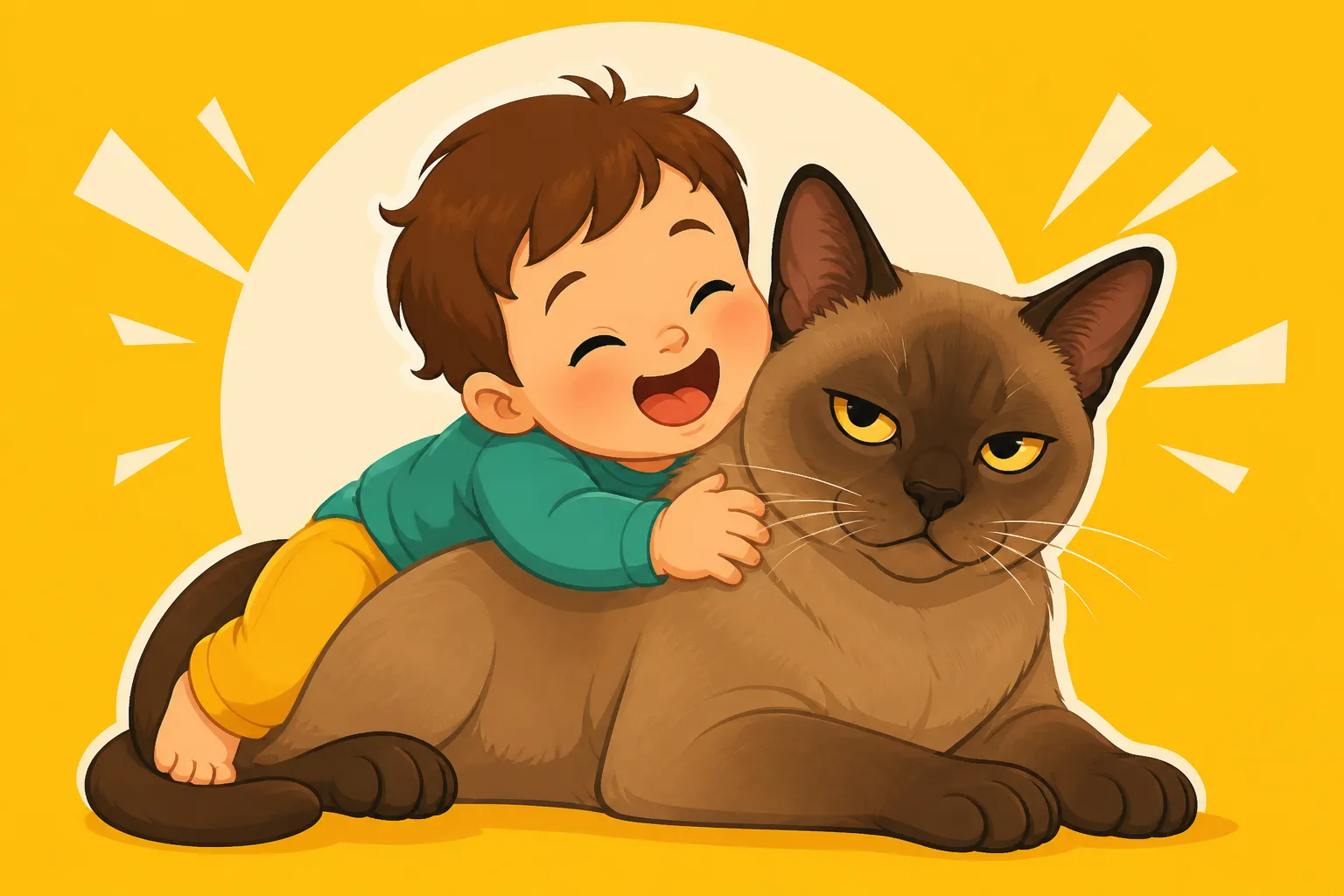
Burmese cats are known for their intense affection, often described as the "velcro cat." They want to be on your lap, riding your shoulder, or curled up right next to you. This strong bond extends to all members of their human family. When a toddler approaches with less-than-gentle intentions, the Burmese often interprets it not as an attack, but as an awkward attempt at affection. They possess a remarkable ability to forgive and forget, rarely holding a grudge over an accidental tail pull or a clumsy pat. Instead, they might simply shift away, or look to you for reassurance, rather than retaliating. They understand, in their own feline way, that these tiny humans are still learning the rules, and their patience is a testament to the depth of their love for their people. You'll often find them choosing to stay close, even when a child is making noise, because being with their people is their ultimate happy place.
Their Unflappable Demeanor in the Face of Toddler Chaos
Let's face it, toddlers are little bundles of unpredictable energy. One minute they're quietly stacking blocks, the next they're shrieking with delight and careening across the room. Many cats would bolt for cover, but a well-socialized Burmese often takes it all in stride. Their confidence and calm nature allow them to remain relatively unfazed by sudden loud noises, toys being flung, or even the occasional tantrum. They have an almost zen-like ability to adapt to changes in their environment, a trait that makes them wonderfully resilient in a busy family home. They're not easily spooked, which is a massive plus when you have a small human who hasn't quite mastered the art of quiet contemplation. This steady temperament means fewer startled reactions, and ultimately, a safer environment for everyone.
Understanding the Burmese's "Dog-Like" Tendencies Around Children
It's no secret that the Burmese is often called "a dog in a cat's body," and this comparison truly shines when they interact with children. Their unique blend of intelligence, loyalty, and a craving for interaction makes them stand out from many other feline breeds, particularly in a boisterous household. These dog-like traits aren't just charming quirks; they're fundamental aspects of their personality that contribute significantly to their ability to coexist happily with toddlers.
The Desire for Company Over Solitude
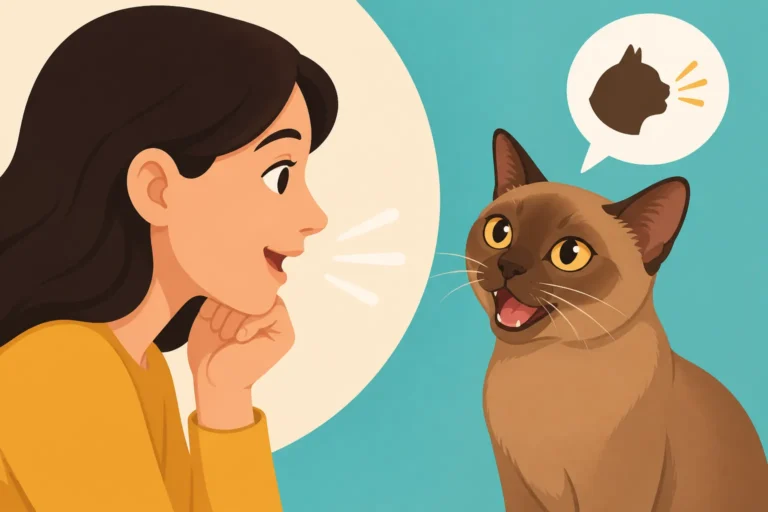
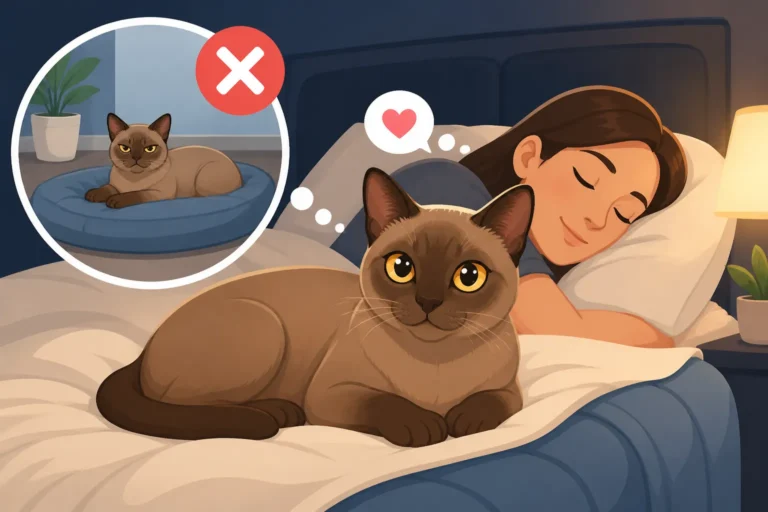
Unlike some cats who cherish their independence and solitude, the Burmese actively seeks out company. They don't just tolerate your presence; they demand it. This intense need for interaction means they're far less likely to become stressed or anxious when a toddler monopolizes attention. In fact, they often see the toddler as another playmate or, at the very least, another warm body to lean against. This isn't just about tolerating the child; it's about embracing them as part of their social group. Why a Burmese Treats Children and Dogs as More Company really highlights this open-hearted acceptance. They don't mind sharing the sofa, the bed, or even your lap, as long as they're not left out of the family circle. This contrasts sharply with more solitary breeds who might become territorial or withdrawn when their personal space is constantly invaded by a curious child.
Their Resilience to Rough-and-Tumble Play
Toddlers don't always understand the nuances of gentle play. Their motor skills are still developing, and their enthusiasm often outweighs their dexterity. A typical cat might lash out or flee at the first sign of rough handling, but a Burmese often demonstrates remarkable resilience. They possess a sturdy build, a "brick wrapped in silk" physique, which means they can often withstand a bit more physical interaction without injury. More importantly, their laid-back temperament means they are less prone to aggressive reactions. They might vocalize a soft protest, or simply walk away, rather than resorting to claws. This doesn't mean you should ever encourage rough play, of course, but it does mean they have a higher threshold for accidental bumps and enthusiastic squeezes than many other breeds. It’s also notable that How Rarely a Burmese Uses Its Claws on Anyone – a testament to their gentle nature even when provoked.
Leash-Training and Trick-Learning: A Glimpse into Their Adaptability
The Burmese's intelligence and eagerness to please extend to their capacity for training. Many Burmese cats can be leash-trained, learn to retrieve toys, and even perform tricks. This isn't just a party trick; it speaks volumes about their adaptable nature and their desire to engage with their humans on a deeper level. A cat that enjoys learning and interacting in structured ways is often a cat that is better equipped to adapt to the unstructured, often unpredictable, environment created by a toddler. If you're looking for durable, engaging toys that can stand up to both cat and toddler interest (with supervision, of course!), checking out options on Amazon can be a good start. Their responsiveness to positive reinforcement means they can also be taught gentle boundaries around children, further enhancing their peaceful coexistence.
Practical Steps for a Happy Coexistence: Setting Everyone Up for Success
While the Burmese is inherently patient and tolerant, it's still crucial for you, as their human, to actively manage their environment and teach appropriate interactions. Even the most laid-back cat can become stressed if their needs aren't met, or if they feel constantly overwhelmed. Creating a structured, safe space and teaching both your toddler and your cat how to respectfully coexist is key to a harmonious home.
Establishing Safe Zones and Escape Routes for Your Burmese
Even the most social Burmese needs a retreat, a space where they can escape the prying hands and boisterous energy of a toddler. This isn't about isolating them, but about providing an option for quiet downtime. High perches, cat trees, or even a cozy bed in a room with a baby gate (that the cat can jump over, but the toddler cannot) are essential. Think about vertical space – a cat shelf or a tall scratching post can offer a sanctuary from which they can observe the action safely. This allows your Burmese to feel in control of their environment, reducing potential stress. Ensure these safe zones are always accessible, and teach your toddler that these areas are "cat-only" spaces. An ideal cat tree, for instance, might offer multiple levels and cozy cubbies, which you can easily find on Amazon, ensuring your Burmese always has a spot above the fray.
Here’s a simple checklist for creating a safe, cat-friendly space:
| Feature | Why It Helps the Burmese | Toddler Interaction Consideration |
|---|---|---|
| High Shelves/Perches | Escape route, vantage point | Out of reach for toddlers |
| Cat Tree with Cubbies | Private napping spot, scratching | Choose sturdy, tip-resistant models |
| Baby Gates | Creates cat-only rooms | Ensure cat can easily jump over |
| Quiet Room Access | Retreat from noise/activity | Regularly ensure cat uses it |
| Food/Water in Safe Spot | Undisturbed access to essentials | Away from toddler's reach |
| Dedicated Bed/Blanket | Offers comfort and familiarity | Keep clean and accessible |
Teaching Respectful Interactions to Your Toddler
This is perhaps the most critical step. Toddlers don't inherently understand how to interact gently with animals. It's your job to teach them. Start early, even before your child can fully comprehend. Guide their hand to a gentle stroke on the cat's back (never the tail or belly). Use words like "soft touches" and "gentle hands." Demonstrate how to pet properly yourself. Supervise all interactions, especially in the early stages. Explain that the cat isn't a toy and needs space. If your toddler is too rough, immediately separate them from the cat and redirect their attention. Praise gentle behavior enthusiastically. Consider reading children's books about respecting pets. Teaching a Child to Carry a Burmese on a Shoulder could be a fun goal for an older child, but for a toddler, it's all about gentle petting and respecting boundaries.
Managing Energy Levels and Preventing Overwhelm
Even with their tolerance, a Burmese can get tired of constant toddler attention. It’s important to manage both the cat’s and the child’s energy. Ensure your Burmese gets plenty of dedicated playtime with you every day, away from the toddler. This helps meet their need for interaction and exercise without the pressure of a small human. Interactive wand toys are excellent for this, allowing your cat to "hunt" and burn off energy safely. You can find a fantastic selection of engaging wand toys on Amazon that will keep your Burmese entertained. Conversely, teach your toddler when it's quiet time, and use those moments for the cat to relax undisturbed. Sometimes, simply having a routine where the cat knows when to expect quiet time can make a world of difference. Regular play also helps keep your Burmese mentally stimulated, which contributes to their overall calm demeanor.
Recognizing When Your Burmese Needs a Break (And How to Provide It)
The Burmese is an expert at masking discomfort, often purring or seeking attention even when they’re feeling overwhelmed. This makes it even more important for owners to be vigilant and recognize the subtle signs that their cat needs some space. Being proactive in providing breaks and quality one-on-one time will prevent stress from building up and ensure your Burmese remains the happy, well-adjusted family member you know and love.
Subtle Signs of Stress or Discomfort
Because Burmese cats are so good at hiding illness or discomfort, you need to be a super-sleuth when it comes to their body language. While they might not hiss or scratch, a stressed Burmese might show more subtle cues. Look for flattened ears, a tail tucked tight to the body, excessive grooming (especially around the belly or legs), changes in appetite, or more frequent hiding. They might also become less interactive, or, conversely, demand more attention in a slightly anxious way. Sometimes, a prolonged stare or a slow blink that doesn't feel relaxed can signal they're tolerating rather than enjoying. If your usually outgoing cat starts spending more time in their safe zone, that's a clear signal they need a breather. Why a Burmese Hides Illness Behind Its Affection is a good reminder to always be aware of subtle shifts in their behavior.
Ensuring Quality One-on-One Time
Your Burmese needs individual attention that isn't shared with a toddler. This quality time reinforces your bond and gives them a chance to relax and just be themselves without having to "be good" for the little one. Set aside specific times each day for dedicated play, petting, or even just quiet cuddles with your Burmese. This could be early in the morning before the toddler wakes up, or in the evening after they're asleep. Use their favorite toys, give them a good brushing (Burmese coats don't need much, but they love the attention!), or simply let them curl up on your lap while you read. This special time communicates to your cat that they are still cherished and important, reducing any potential jealousy or stress they might feel from the divided attention during the day. Remember, How Many Play Sessions a Burmese Asks For is often more than you'd expect, even as they age.
The Importance of Mental and Physical Enrichment for the Cat
A bored Burmese is more likely to be a stressed Burmese, even with a toddler in the house. Ensure your cat has plenty of opportunities for mental and physical enrichment. Puzzle feeders can keep their intelligent minds active and slow down their eating, which is good given their predisposition to certain health issues. Regular interactive play sessions with wand toys mimic hunting behavior and burn off excess energy. Consider rotating toys to keep things interesting. Even simple things like providing a window perch where they can watch the birds outside, or setting up a cat-friendly obstacle course, can make a huge difference. While a Burmese often prefers your company, a robust environment full of enrichment options empowers them to entertain themselves happily when the toddler demands your full attention. Whether a Burmese Would Rather Watch Birds or You is an interesting question, but a happy Burmese gets to do both!
Disclaimer
This article is for general informational purposes only and does not constitute professional advice. Laws, prices and regulations vary by location and change over time. Consult a qualified professional for guidance on your specific situation.