Why a Sailor Brought the First Burmese to America
Many of us marvel at the captivating beauty and unique personality of the Burmese cat, but few realize the incredible journey its entire lineage began with a single, extraordinary feline. It’s a story rooted in curiosity, scientific dedication, and a bit of seafaring adventure, far removed from the pristine show rings these cats grace today. This guide delves into the fascinating tale of why a sailor brought the very first Burmese to America, unraveling the mysteries of her origins and the profound impact she had on the world of cat breeding.
The Enigma of Wong Mau's Arrival
Imagine a world where cat breeds as we know them were still largely undefined, and genetics were a nascent science. Into this landscape sailed a truly unique cat, destined to become the matriarch of an entire breed. Her arrival wasn't by accident but rather by the careful observation and purposeful action of those who recognized her distinct qualities.
Who Was Dr. Joseph Thompson and His Vision?
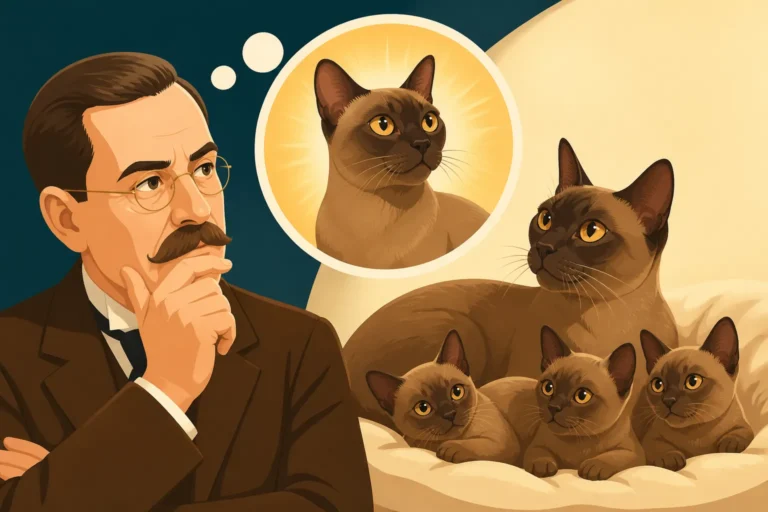
Our story doesn't begin solely with a sailor, but with a visionary figure: Dr. Joseph C. Thompson, a US Navy physician with a deep passion for felines. He was a distinguished cat fancier and geneticist, keenly interested in understanding the nuances of various cat types. Dr. Thompson wasn't just collecting pets; he was on a scientific quest. He had encountered cats resembling what we now know as Burmese during his travels in the Far East, specifically in Burma (now Myanmar), and was intrigued by their distinct appearance – a body color that was a rich, warm brown rather than the pale cream or white of a traditional Siamese point. He understood that to study and potentially establish a new breed, he needed a specimen, and that's where the sailor's path crossed with his. Dr. Thompson had a vision to document and, if possible, perpetuate these unique brown cats, recognizing their potential to contribute something entirely new to the burgeoning world of cat fancy. You can learn more about his pivotal role in Dr Joseph Thompson and the Burmese He Bought in 1930.
The Tale of the Sailor and His Exotic Companion
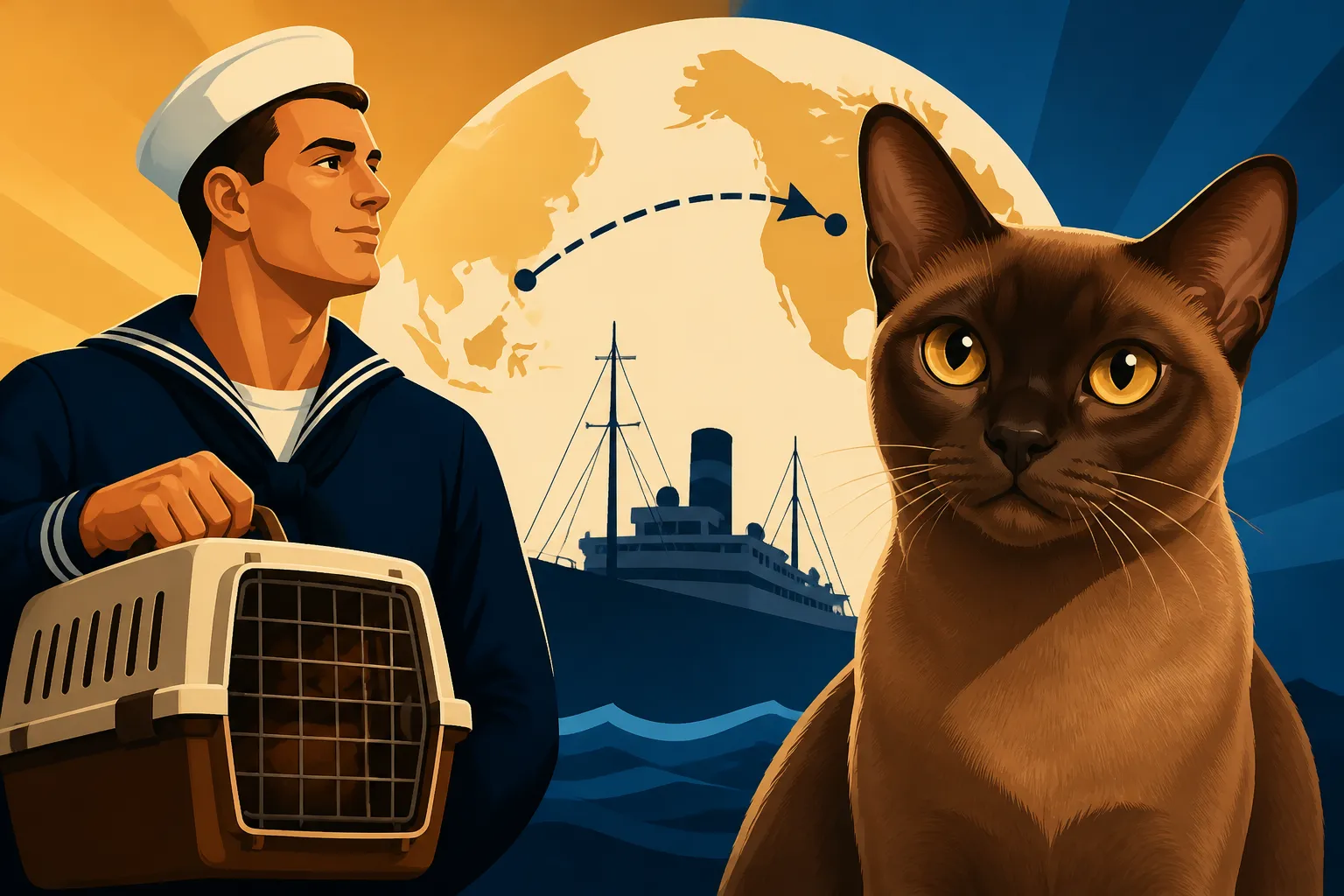
While Dr. Thompson was the scientific mind, the actual journey of the founding Burmese cat to American shores is often attributed to a sailor. The exact details are a bit murky with time, but the widely accepted narrative is that a sailor, captivated by a small, walnut-brown cat in Burma, brought her back to the United States. This beautiful feline, later named Wong Mau, was not a pet in the traditional sense for Dr. Thompson, but rather a living mystery, an unparalleled specimen for study. The sailor, perhaps unknowingly, became an instrumental part of cat history by transporting this animal across oceans. He wasn't bringing a common ship's cat; he was bringing a cat that possessed a genetic makeup unlike anything officially recognized or thoroughly understood in the Western world at the time. This act of bringing Wong Mau to San Francisco in 1930 was the crucial first step in the creation of the Burmese breed.
Wong Mau: More Than Just a Pretty Face
When Wong Mau arrived, she immediately presented a puzzle to Dr. Thompson. She was undeniably beautiful, but her characteristics didn't neatly fit into any existing categories, sparking intense scientific interest and laying the groundwork for a systematic study of her unique traits.
Her Unique Appearance and Temperament
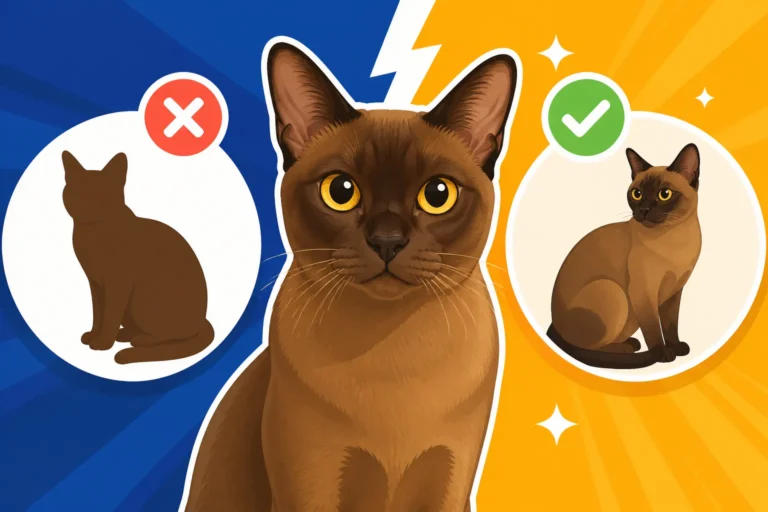
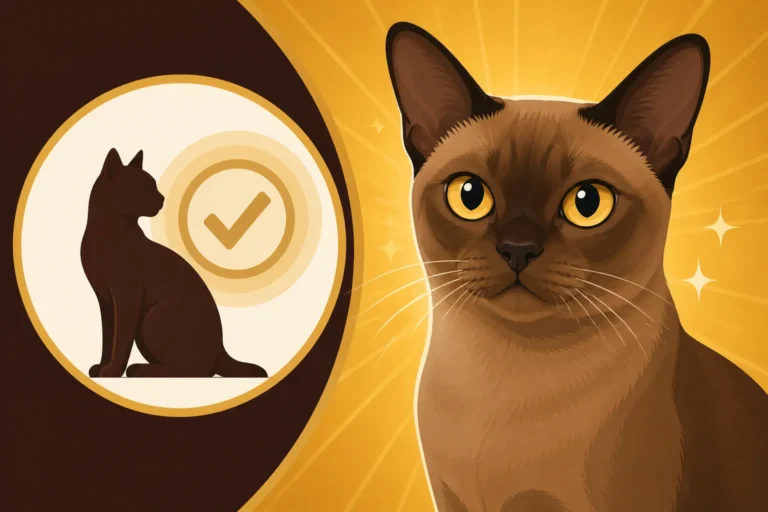
Wong Mau was described as a compact, muscular cat with a stunning, short, satin-like coat of a rich, warm brown. This color was distinct; it wasn't the pointed pattern of a Siamese, nor was it a solid black. Her eyes were a captivating gold, and her overall build was more substantial than the svelte Siamese. This unique coloring is thanks to The cb Allele Is What Makes a Burmese Brown. Beyond her striking looks, Wong Mau also possessed an incredibly engaging and affectionate temperament. She was known to be highly people-oriented, curious, and playful – traits that would become hallmarks of the Burmese breed. Her friendly disposition, combined with her exotic appearance, made her an immediate standout. She wasn't aloof or shy; instead, she actively sought interaction, a behavior that enchanted everyone who met her and further solidified Dr. Thompson's resolve to understand her origins. This delightful personality trait is still a defining characteristic, making the Burmese often called Why the Burmese Is Called a Dog in a Cat's Body.
The Genetic Puzzle Wong Mau Presented
The real head-scratcher for Dr. Thompson was Wong Mau's genetic makeup. She appeared brown, but she wasn't quite a solid brown cat. She had subtle darker points, reminiscent of a Siamese, yet her body was significantly darker than any known pointed cat. This ambiguity was the crux of the scientific challenge. Dr. Thompson theorized that she might carry a dilution gene or a unique form of the Siamese gene, leading to her distinct coloration. The lack of prior documentation or understanding of this specific genetic presentation in Western cat fancy made her an invaluable subject for study. It was clear that she wasn't merely a variation of an existing breed; she represented something fundamentally new. This genetic mystery was the driving force behind Dr. Thompson's decision to embark on a systematic breeding program to unlock the secrets held within her beautiful coat. What the First Burmese Looked Like truly set the stage for this genetic exploration.
The Scientific Curiosity That Drove Her Journey
Wong Mau's journey wasn't just about bringing an exotic pet to a new land; it was about fueling a scientific endeavor. Dr. Thompson was determined to decipher her genetic code and understand exactly what made her so different.
Unraveling the 'Brown Siamese' Mystery
Initially, many cat fanciers and even some geneticists assumed Wong Mau was simply a dark Siamese, or perhaps a hybrid of some sort. The term "brown Siamese" was often used, but Dr. Thompson suspected there was more to it. He observed her phenotype – her physical characteristics – and recognized they didn't fully align with a simple Siamese or a solid-colored cat. Her unique shade of brown, combined with her yellow eyes, hinted at a distinct genetic pathway. To test his hypothesis, Dr. Thompson decided to breed Wong Mau to a Siamese cat. This pivotal decision was designed to reveal the genetic components she carried. If she was a pure Siamese, all offspring would be Siamese. If she was a solid brown cat, a different outcome would occur. His methodical approach was truly groundbreaking in cat genetics, transforming a chance encounter into a structured scientific inquiry. The full details of this initial cross are explored in Why the First Burmese Was Bred to a Siamese.
Thompson's Breeding Program and Early Discoveries
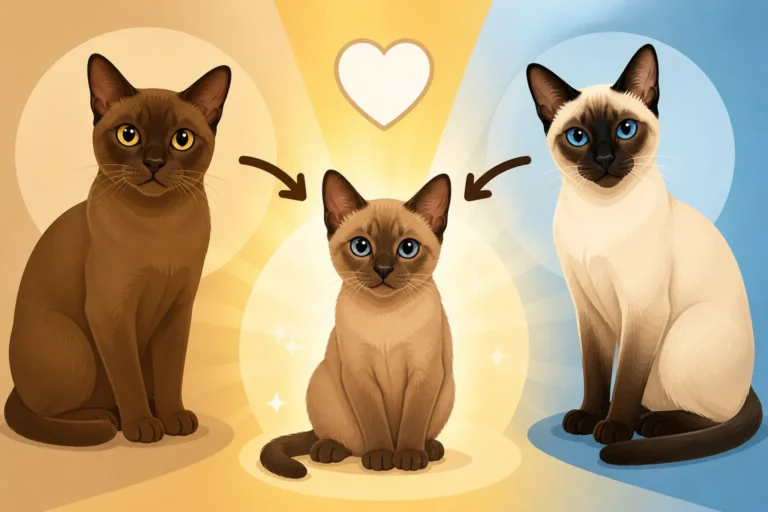
Dr. Thompson's breeding program with Wong Mau began in the 1930s. He bred her with a Siamese cat named Tai Mau. The resulting litter was revelatory: it contained not only cats that looked like Siamese and cats that looked like Wong Mau, but also kittens with an even paler, more dilute brown color, similar to what would later be known as the Tonkinese. This outcome provided crucial evidence that Wong Mau was not a purebred Siamese, nor was she a simple solid brown cat. It demonstrated she carried the gene for Siamese points (cb) in a heterozygous state, meaning she had one copy of the Burmese coloring gene (cb) and one copy of the Siamese coloring gene (cs). This discovery was a landmark moment, proving that her unique brown color was a distinct genetic trait, not just a variation. This systematic approach and its results proved vital in establishing the Burmese as a separate and legitimate breed. What Thompson's Program Proved About the Burmese changed the trajectory of cat breeding forever, making the Burmese Why the Burmese Was the First Breed Studied by Geneticists.
The Impact of Wong Mau on the Cat Fancy
Wong Mau's arrival and Dr. Thompson's subsequent breeding program were not just interesting anecdotes; they were foundational moments that profoundly shaped the cat fancy and our understanding of feline genetics. Her journey from Burma to America laid the cornerstone for an entirely new breed.
Laying the Foundation for a New Breed
The groundbreaking results of Dr. Thompson's breeding program unequivocally demonstrated that Wong Mau represented a unique genetic pool. This wasn't just a "pretty brown cat" from Southeast Asia; it was the genesis of what would become the Burmese breed. Her distinct brown, known as "sable" in the American standard, became the signature color. Breeders who followed Dr. Thompson’s work focused on refining these characteristics, selecting for the compact, muscular body, the round, expressive golden eyes, and the short, silky-soft coat that felt like satin. The establishment of the Burmese breed standard then allowed for controlled breeding, ensuring that these distinctive traits were preserved and consistently reproduced. This foundational work led to the formal recognition of the Burmese by cat associations, marking its official entry into the pantheon of established breeds. You can dive deeper into the very beginning of the breed in The Burmese Began With One Cat Called Wong Mau.
The Legacy of a Solitary Traveler
Wong Mau's legacy extends far beyond simply being the ancestor of all Burmese cats. Her solitary journey, facilitated by a sailor and driven by scientific curiosity, opened up entirely new avenues in feline genetics. Her unique genetic makeup, specifically the gene that produces the Burmese color restriction (the cb allele), proved that color point genes could exist in different forms, producing a spectrum of colors and patterns beyond the classic Siamese point. This understanding not only clarified the origins of the Burmese but also provided insights into the development of other breeds that carry this allele, such as the Tonkinese and the Burmilla. Moreover, her story underscored the importance of careful observation, systematic breeding, and scientific inquiry in the world of cat fancy, transforming it from a hobby into a field of genetic exploration. Today, breeders continue to use genetic testing, much like Dr. Thompson's early experiments, to ensure the health and integrity of the breed.
From Exotic Pet to Beloved Companion
The journey of the Burmese cat, from a single, enigmatic feline arriving on American shores to one of the most cherished and recognizable breeds, is a testament to its enduring appeal. Their unique history is intertwined with their remarkable characteristics.
The Burmese: A Breed Defined by Connection
The initial fascination with Wong Mau wasn't just about her looks; it was about her captivating personality. That deep connection she formed with humans is something that defines the modern Burmese breed to this day. They are often called "Velcro cats" because of their intense desire to be involved in every aspect of their human companions' lives. They thrive on interaction, often following their owners from room to room, seeking out laps, and even riding on shoulders. This profound need for companionship is directly linked to their origins – a cat who, perhaps due to her isolation on a long voyage, bonded deeply with her human handlers. For any potential owner, understanding this need for constant connection is paramount. A lonely Burmese can become anxious or destructive, highlighting why many breeders recommend getting them in pairs. Their social nature means they genuinely mourn the absence of their people, making them truly members of the family, not just pets.
Supporting the Health and Happiness of Modern Burmese
Given their unique origins and the dedicated effort that went into establishing the breed, caring for a modern Burmese involves a deep understanding of their needs, both physical and emotional. Their robust yet compact physique requires careful attention to diet, as they are prone to weight gain and, consequently, diabetes. Why Portion Control Is Medical Care in a Burmese is a principle every owner must embrace. Ensuring they receive a high-protein, low-carbohydrate diet, often found in quality wet foods, is crucial for their long-term health. Products available through trusted retailers like Chewy can help owners find suitable dietary options and educational resources about their specific needs.
Here's a quick look at key care considerations for your Burmese:
| Aspect of Care | Key Consideration | Importance for Burmese |
|---|---|---|
| Diet | High protein, low carbohydrate wet food, portion control | Prevents obesity and significantly reduces diabetes risk |
| Companionship | Requires constant interaction; thrives with another cat or human | Prevents separation anxiety and behavioral issues |
| Grooming | Minimal brushing, regular chamois polishing | Maintains the distinctive satin coat and is a bonding activity |
| Veterinary Care | Regular check-ups, early diabetes screening | Proactive health management due to breed predispositions |
| Warmth | Seeks warm spots; short coat makes them sensitive to cold | Ensures comfort and well-being, especially in cooler climates |
Their predisposition to certain health issues, such as diabetes and hypokalemia, also means that regular veterinary check-ups and a keen eye for subtle changes in behavior or appetite are essential. Wong Mau's journey highlighted the importance of genetics, and today's owners benefit from advanced DNA testing that can screen for these conditions. Maintaining their oral hygiene is also important, as Burmese are known to be prone to gum disease. Providing enrichment, puzzle feeders (which you can easily find on Chewy), and plenty of play opportunities also feeds their intelligent and active minds. By honoring their history with thoughtful, informed care, we ensure that the beautiful legacy of Wong Mau continues to thrive in our homes today. Feeding a Burmese Is a Medical Decision, Not a Preference is a lesson we take directly from understanding their unique biology, stemming from those early genetic discoveries.
Disclaimer
This article is for general informational purposes only and does not constitute professional advice. Laws, prices and regulations vary by location and change over time. Consult a qualified professional for guidance on your specific situation.