How Much a Sable Burmese Costs
Bringing a new kitten into your life is a joyful, often overwhelming, experience, and for those captivated by the unique charm of a Burmese, the practical question of "how much does it cost?" is often top of mind. While the initial price tag is a significant consideration, many first-time owners are surprised by the nuances of pricing within the breed, especially concerning specific colors like sable. This guide aims to peel back the layers on what you can expect to pay for a Sable Burmese kitten, and crucially, what that cost truly represents, extending far beyond the initial purchase.
Understanding the Burmese Price Landscape
When you start looking for a Burmese kitten, you'll quickly discover that not all Burmese are priced equally. The factors influencing the cost are complex, stemming from the breed's history, genetics, and the dedication of ethical breeders. It's a journey into understanding value, not just a dollar figure.
The Split Between American and European Burmese
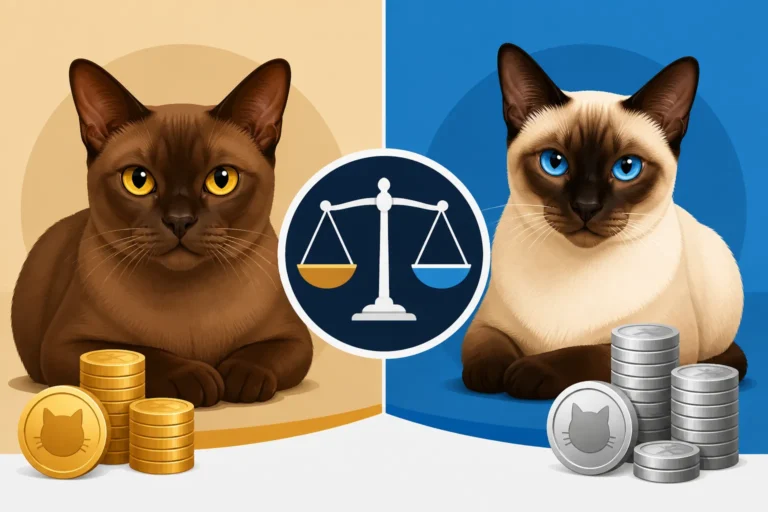
One of the most significant distinctions impacting the price of a Burmese kitten is whether it's an American Burmese or a European Burmese. While they share a common ancestor, these two types have evolved along different lines, leading to distinct physical traits and, consequently, different pricing structures. American Burmese tend to have a rounder head, full cheeks, and a shorter muzzle, giving them a sweet, almost perpetually youthful expression. European Burmese, on the other hand, often present a more wedge-shaped head, longer muzzle, and slightly more oriental look.
This divergence means that breeders often specialize in one type, and availability can dramatically affect price. In regions where European Burmese lines are less common, you might find their kittens commanding a higher price tag simply due to rarity and the cost involved in importing and maintaining diverse European bloodlines. It’s not about one being "better" than the other, but rather about adhering to different breed standards and the supply and demand within specific geographical areas. It's truly a situation where There Are Two Burmese and They Are Priced Apart.
General Price Ranges for Pet Quality Kittens
Regardless of type, the price you pay for a Burmese kitten is largely influenced by whether you're seeking a "pet quality" kitten or one with "breeding rights." Most families are looking for a beloved companion, which falls into the pet quality category. These kittens are typically sold on a spay/neuter contract, meaning you agree to have them altered at the appropriate age, preventing them from contributing to future breeding programs.
The price range for a pet quality Burmese kitten can vary quite a bit, even within the same type. Factors like the breeder's reputation, the kitten's pedigree, and the comprehensive care invested in its first few months all play a role. Ethical breeders pour an immense amount of time, effort, and financial resources into ensuring their kittens are healthy, well-socialized, and free from genetic conditions, and this investment is naturally reflected in the price. They are not simply selling a kitten; they are offering a carefully nurtured, healthy companion from generations of well-cared-for cats.
The Allure and Cost of a Sable Burmese
Now, let's zero in on the Sable Burmese, the classic and most widely recognized color within the breed. Understanding its pricing involves appreciating its historical significance and how it fits into the broader spectrum of Burmese colors.
Why Sable is Often the Entry Point
The Sable Burmese, known for its rich, warm brown coat that deepens with age, is the original color of the breed and remains the most prevalent. When Dr. Joseph Thompson brought Wong Mau, the foundational cat, to the U.S. in the 1930s, she was described as "walnut brown," setting the standard for what we now cherish as Sable. This deep, luxurious brown is truly iconic and what many people first picture when they hear "Burmese."
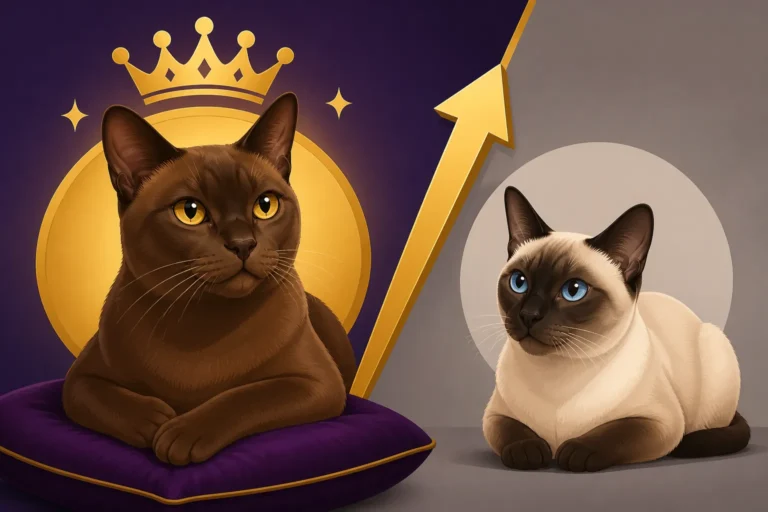
Because Sable is the most common and historically recognized color, it often represents the baseline price for a Burmese kitten. It’s not that it's "less desirable" – far from it, many enthusiasts adore the classic Sable – but its greater availability compared to other, genetically rarer colors means you might find a Sable kitten at a more accessible price point. This makes it a popular choice for families looking to welcome a Burmese into their home without stretching their budget quite as far as some of the more uncommon hues. In most cases, How Much a Sable Burmese Kitten Costs will be the lower end of a breeder's price list.
How Color Influences the Price Ladder
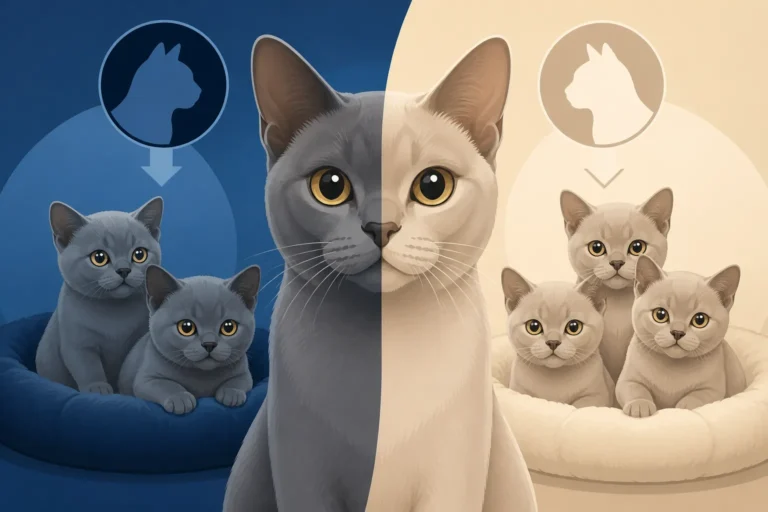
While Sable holds a special place, the Burmese breed also comes in several other stunning colors, each with its own genetic basis and, often, a different price tag. After Sable, you'll find Champagne (a warm, honey-beige), Blue (a lovely medium grey with fawn undertones), and Platinum (a pale, delicate dove grey). These colors are variations on the original Sable gene, requiring specific genetic combinations from the parents.
The general rule of thumb is that the rarer the color, the higher the price. Champagne kittens, for example, often fetch a slightly higher price than Sables because they require specific recessive genes. Blue kittens might be priced similarly or a bit higher than Champagne, again due to their genetic makeup and demand. The true premium, however, is usually seen with Platinum Burmese. Platinum is the most dilute of the colors, presenting a stunning pale grey that can appear almost lilac in certain lights, making it the most genetically complex to produce consistently. Therefore, if you're set on a specific, rarer color, you should anticipate a higher investment. For instance, you might find How Much a Champagne Burmese Kitten Costs, How Much a Blue Burmese Kitten Costs, or How Much a Platinum Burmese Kitten Costs to be progressively higher than a Sable.
Factors Beyond Color That Influence the Final Price
While color is a visual differentiator, it's far from the only element shaping a Burmese kitten's price. Many critical factors contribute to the ethical breeder's cost and, subsequently, the price you pay, all revolving around the health, temperament, and long-term well-being of the kitten.
The Breeder's Investment in Health and Pedigree
A truly responsible Burmese breeder invests an immense amount of resources into their breeding program long before kittens are even conceived. This includes extensive health testing for the parent cats, a non-negotiable step to prevent passing on hereditary conditions. For Burmese, this specifically means testing for conditions like Hypokalemia (Burmese Head Tilt) and understanding the genetic predisposition for diabetes. These tests can be costly, but they are absolutely vital for ensuring the health of future generations. A reputable breeder will provide you with clear documentation of these tests, which should include The DNA Panel a Burmese Breeder Owes You and detailed results for both parents.
Beyond genetic screening, breeders provide top-tier veterinary care, high-quality nutrition for the queen and her kittens, and meticulous socialization from birth. They ensure vaccinations, deworming, and initial vet checks are all up to date before a kitten goes to its new home. This isn't just about covering basic needs; it's about providing the best possible start in life, impacting the kitten's physical health, emotional stability, and adaptability to a new family. Brands like Chewy offer high-quality nutritional options that breeders often rely on to ensure their queens and kittens get the best start. This comprehensive care and preventative health measures are a significant part of the kitten's price, and they are investments that pay dividends in a long, healthy life for your cat.
Geographical Location and Breeder Demand
Where you live can also play a considerable role in how much you'll pay for a Sable Burmese kitten. Prices can fluctuate from state to state, or even within different regions of a larger country. In areas where the Burmese breed is particularly popular, or where there are fewer reputable breeders, demand might drive prices up. Conversely, if you're in a region with more breeders, there might be more competitive pricing.
A breeder's reputation is another non-negotiable factor influencing price. Breeders who consistently produce healthy, well-adjusted, and type-correct Burmese with verifiable pedigrees and excellent feedback from previous kitten buyers will naturally command higher prices. They often have waiting lists that extend for months, or even over a year, for their kittens. This isn't a sign of exploitation; it's a testament to their dedication and the quality of their program. Conversely, be wary of breeders who offer kittens at unusually low prices or have immediate availability without a comprehensive screening process for prospective owners. These can be red flags indicating corners might have been cut on health testing, proper nutrition, or crucial early socialization, which can lead to significant problems and expenses down the line.
The Lifetime Financial Commitment of a Burmese
While the initial purchase price of your Sable Burmese kitten is important, it’s truly just the tip of the iceberg when it comes to the financial commitment of owning this wonderful breed. To be a responsible Burmese owner, you need to budget for the long haul, understanding that their unique needs come with ongoing expenses.
Beyond the Initial Kitten Price: Ongoing Care Costs
Bringing a Burmese home means committing to their health and well-being for their entire lifespan, which can easily be sixteen to eighteen years. This requires budgeting for high-quality food, regular veterinary check-ups, and preventative care. For Burmese, nutrition is a particularly critical consideration, not just a preference. They are genetically predisposed to diabetes, making a carefully managed, low-carbohydrate diet essential throughout their lives. This means Feeding a Burmese Is a Medical Decision, Not a Preference, and often means opting for premium wet foods over dry kibble, which can be more expensive. Fresh, human-grade food can be excellent for managing their nutritional needs, though it's typically a higher cost than conventional cat food.
Regular vet visits, including annual check-ups and necessary vaccinations, are also ongoing costs. As your Burmese ages, these check-ups may become more frequent, particularly to monitor for conditions common in older cats. It's also wise to consider pet insurance, like policies offered by Healthy Paws. While it adds a monthly premium, it can provide invaluable peace of mind against unexpected illnesses or accidents, especially for a breed with specific health predispositions. Remember, Why the Diabetes Risk Belongs in a Burmese Budget, as the cost of managing a diabetic Burmese can be substantial over its lifetime, encompassing insulin, needles, special diets, and frequent vet visits. This highlights that What a Diabetes Prone Burmese Costs to Keep Every Year can be significantly higher than a healthy cat.
The Benefit of a Companion: Why Two Can Be Cheaper in the Long Run
Burmese cats are renowned for their intensely social nature. They are often called "Velcro cats" because of their desire to be constantly with their human companions. This deep need for interaction means they truly thrive on companionship and can suffer greatly from loneliness if left alone for extended periods. A single Burmese left alone all day, every day, is highly prone to developing separation anxiety and destructive behaviors. This can manifest as excessive vocalization, inappropriate urination or defecation, scratching furniture, or even compulsive grooming that leads to bald patches.
While the idea of buying two kittens might seem like a doubling of the initial cost, many experienced Burmese owners and breeders will tell you that Why Burmese Breeders Sell Them in Pairs is often a wise decision that can save you money and heartache in the long run. Two Burmese kittens will entertain each other, provide comfort, and mitigate much of the anxiety that a solitary Burmese might experience. This means fewer potential vet bills for stress-related illnesses, less damage to your home, and a much happier, more well-adjusted pair of cats. In this unique breed's case, Why Two Burmese Cost Less Than One Anxious One is a common truth, proving that companionship for a Burmese is less of a luxury and more of a necessity for their well-being and your peace of mind.
Navigating the Purchase Process for a Burmese Kitten
Once you've decided a Sable Burmese is the right fit for your family, understanding the typical purchasing process is crucial. Ethical breeders follow specific protocols designed to ensure their kittens go to loving, responsible homes and that buyers are well-informed and prepared.
Understanding Deposits and Waitlists
Finding a reputable Burmese breeder often means encountering a waitlist. High-demand breeders, those who meticulously screen their breeding cats, provide exceptional care, and offer comprehensive health guarantees, will almost always have a list of eager prospective owners. It's common to place a non-refundable deposit to secure your place on a waiting list, or to reserve a specific kitten from an upcoming litter. This deposit demonstrates your serious intent and helps the breeder manage their future litters and commitments.
The duration of these waitlists can vary significantly. Some breeders might have kittens available within a few months, while others might have a waiting period of a year or more, especially for specific colors or genders. Don't be discouraged by a wait; it's often a sign of a highly respected breeder. During this waiting period, use the time to prepare your home, research appropriate nutrition (like those high-protein, low-carb options we discussed), and gather all the necessary supplies for your new arrival. This also gives you ample time to consider the long-term commitment and ensure you're ready for the delightful, but demanding, companionship a Burmese offers.
The Importance of a Comprehensive Contract
A hallmark of a responsible Burmese breeder is a clear, comprehensive contract that outlines the terms of sale and provides important guarantees. This document protects both you and the breeder and ensures the well-being of the kitten. Typically, a good contract will cover aspects like the kitten's health at the time of sale, guarantees against specific genetic diseases, and a timeframe for you to have the kitten checked by your own veterinarian. For Burmese, it's particularly important that the contract addresses genetic conditions such as Hypokalemia and mentions the diabetes predisposition. You should specifically look for details on Whether a Burmese Guarantee Covers Hypokalemia and ideally, an acknowledgement of the breed's diabetes risk.
Furthermore, the contract will usually include a spay/neuter clause for pet-quality kittens, requiring you to have the kitten altered by a certain age. It might also stipulate conditions for returning the cat if circumstances change, or if a significant health issue arises later. Always read the contract thoroughly and ask questions until you understand every clause. This transparent approach ensures you're entering into the purchase with full knowledge and confidence, knowing that your breeder stands behind the health and lineage of your new Sable Burmese companion. A good contract is not just paperwork; it’s a foundation for a healthy, happy life for your kitten.
Disclaimer
This article is for general informational purposes only and does not constitute professional advice. Laws, prices and regulations vary by location and change over time. Consult a qualified professional for guidance on your specific situation.