How Much a Champagne Burmese Costs
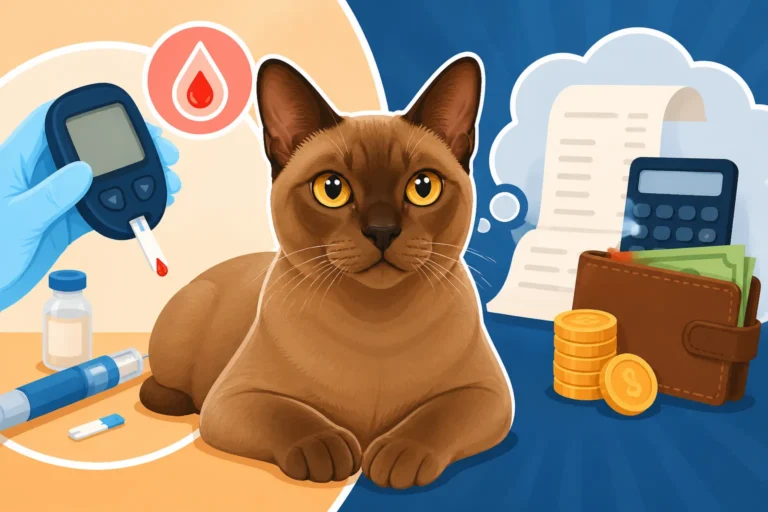
Bringing a new cat into your home is always exciting, but for those smitten with the idea of a beautiful Champagne Burmese, there's often a lingering question about the financial commitment involved. It's not just about the initial adoption fee; these wonderful, affectionate companions come with a range of expenses, from specialized food to potential long-term healthcare needs. This guide will walk you through what to expect when budgeting for a Champagne Burmese, covering everything from the upfront cost to the routine care and potential health considerations that are unique to this beloved breed.
Understanding the Champagne Burmese
Before diving into the numbers, it's helpful to understand what makes a Champagne Burmese so special, as these characteristics directly influence its cost and care requirements. The Burmese cat itself is known for its distinctive personality and muscular, compact body, often described as a "brick wrapped in silk." The Champagne color is one of the four traditional colors recognized in the American Burmese breed, while in other registries, it might be referred to as "chocolate."
What is a Champagne Burmese?
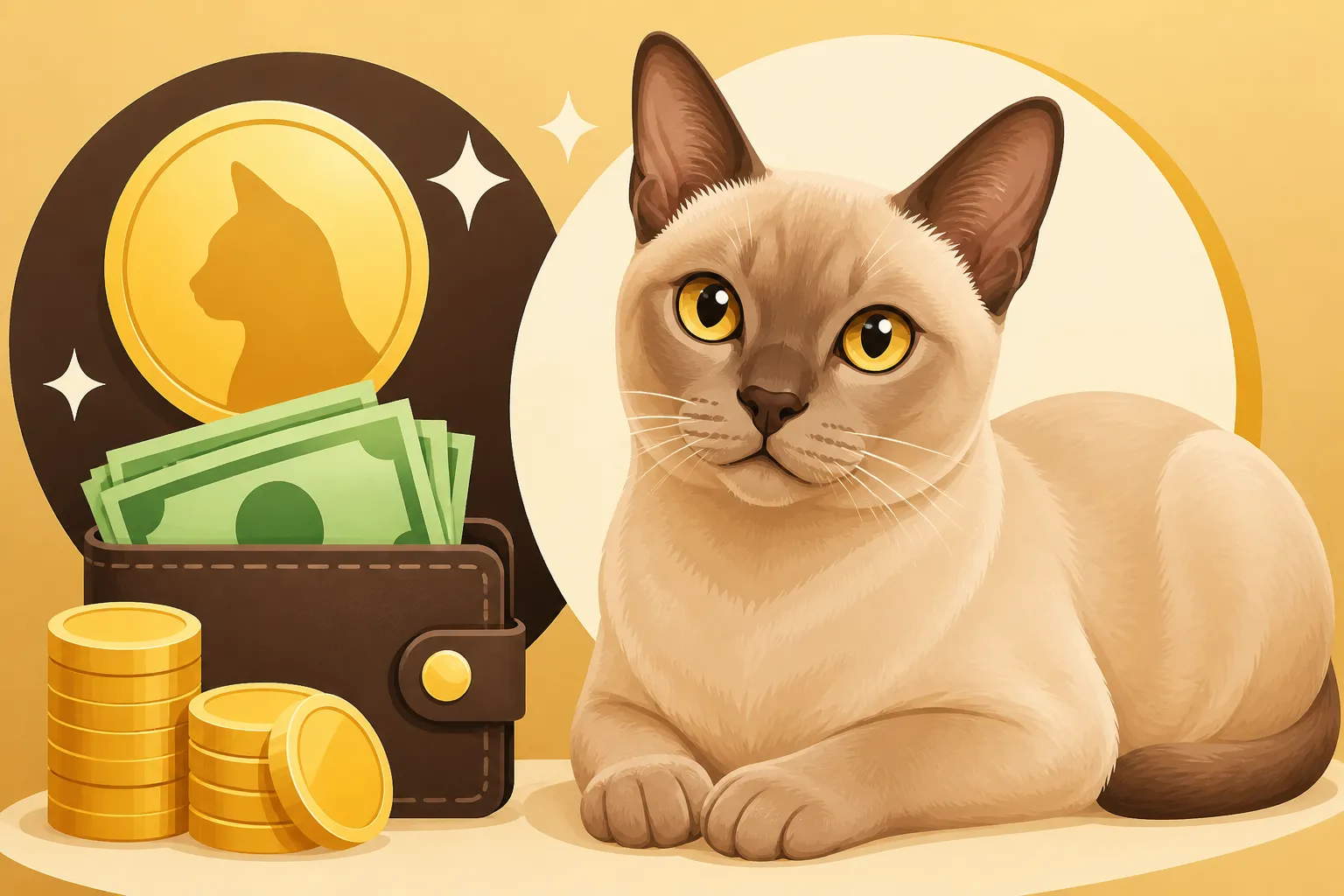
A Champagne Burmese is essentially a brown cat with a dilute gene. Genetically, it's a homozygous recessive expression of the brown gene, meaning the cat inherits two copies of the brown allele. This results in a warm, honey-beige coat that can range from a lighter fawn to a richer, milky chocolate brown, often with a subtle golden shimmer that gives it its "Champagne" moniker. Their paw pads are a warm, pinkish-brown, and their nose leather is a light brown. The eyes are typically golden to amber, deepening in intensity with age.
Unlike many other breeds where color might be a purely aesthetic choice, the genetics behind a Champagne Burmese are part of the careful breeding programs aimed at maintaining breed standards and health. These cats are sought after for their specific warm hue and the gentle, affectionate temperament that is characteristic of the Burmese breed. They are highly social, active, and thrive on human companionship, often following their owners from room to room. You'll find they are prone to riding on your shoulder, making them incredibly interactive pets.
Why Champagne Can Influence the Price
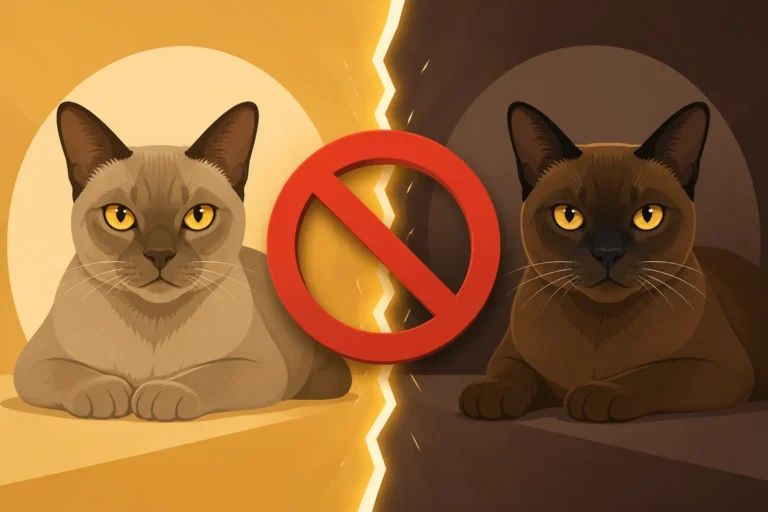
The specific color, like Champagne, can indeed influence the price of a Burmese kitten, though perhaps not as dramatically as perceived rarity in other breeds. In the Burmese world, the four main colors – Sable (dark brown), Champagne, Blue, and Platinum – are all established and desired. Champagne is not inherently rarer than Sable, but its demand can fluctuate. If a particular season sees a higher interest in Champagne kittens, breeders might experience longer waitlists for them.
The influence of color often comes down to the genetics required to consistently produce it. Ethical breeders invest significant time and effort into understanding and managing their bloodlines to produce healthy, well-tempered kittens that adhere to the breed standard, including color. If a breeder has a strong reputation for producing exquisite Champagne Burmese, their kittens might command a higher price due to this proven quality and genetic lineage. Furthermore, the overall health and temperament of the parents, confirmed by extensive health screening, are far more critical factors in pricing than color alone.
The Initial Purchase Price: More Than Just a Kitten
When you first start looking for a Champagne Burmese, the initial purchase price from a reputable breeder is often the most visible cost. However, it's crucial to understand that this figure isn't just for the kitten itself; it encompasses a range of investments made by the breeder to ensure a healthy, well-socialized companion for you.
Breeder Reputations and Ethical Practices
The cost of a Champagne Burmese kitten from a reputable, ethical breeder will reflect their significant investment in the health, welfare, and genetic integrity of their cats. These breeders adhere to high standards, often performing extensive health screenings on their breeding adults for conditions such as Hypokalemia, which is a key concern for the Burmese breed. This includes DNA testing to ensure that potential parents are not carriers of known genetic diseases, thereby reducing the risk of passing them on to their offspring. A good breeder will be transparent about these tests and provide documentation.
A higher price often signifies that the breeder has also invested in proper nutrition for the queen and kittens, excellent veterinary care, and crucial early socialization. Kittens from these breeders are typically raised in a clean, stimulating home environment, handled frequently, and exposed to various sights and sounds, ensuring they are confident and well-adjusted. Be wary of significantly lower prices, as they often indicate corners being cut, potentially leading to future heartbreak and substantial veterinary bills. Remember, a cheap Burmese skipped the Hypokalemia swab, which can lead to lifelong health issues.
Regional Price Differences
The initial cost of a Champagne Burmese can vary quite a bit depending on your geographical location and whether you are looking at American or European lines. There are two distinct types of Burmese cats, the American and the European, and their price points often differ significantly. Generally, a European Burmese tends to command a higher price, sometimes even twice that of an American Burmese. This isn't necessarily due to one being "better" but rather differences in breeding populations, availability, and the specific standards they adhere to.
In regions with a thriving breeding community, like parts of North America for the American Burmese, prices might be more competitive. However, in areas where a particular type, like the European Burmese, is less common or requires importing specific bloodlines, the costs can escalate. If you're looking for a specific type or color, you might find yourself needing to travel or join a longer waitlist, which indirectly adds to the overall expense. Understanding which registry calls it a European Burmese can also clarify these distinctions.
What the Price Tag Often Includes
When you pay the purchase price for your Champagne Burmese kitten, you’re usually getting more than just a tiny furball. Reputable breeders typically include a robust package of initial care. This often means your kitten will have received its first set of vaccinations against common feline diseases, along with deworming treatments. They will also likely be microchipped, providing a permanent form of identification if they ever get lost. Many breeders register the chip in their name initially, transferring it to you upon finalization.
Furthermore, most ethical breeders will have had the kitten examined by a veterinarian multiple times before sending them home. These initial vet checks are crucial for identifying any immediate health concerns. You should expect to receive a health guarantee, often covering congenital conditions for a certain period, and a comprehensive information packet on caring for your new companion, including dietary advice and socialization tips. Some breeders might also provide a starter bag of the food the kitten is accustomed to, easing the transition into your home.
Beyond the Sticker Price: Essential First-Year Costs
Once your adorable Champagne Burmese kitten is home, the financial journey has only just begun. The first year, in particular, comes with its own set of unique expenses as you establish their routine, ensure their health, and create a stimulating environment.
Setting Up Your Home
Preparing your home for a new kitten involves more than just buying a food bowl. You'll need essentials like litter boxes – and remember, for two Burmese, you'll need at least three boxes to keep them happy. A comfortable, secure carrier is a must for vet visits and safe travel. Scratching posts or cat trees are vital for natural scratching behavior and preventing damage to your furniture; consider a variety of textures and heights. Toys are also important, as a Burmese is still playing at fifteen and needs plenty of mental and physical stimulation. Interactive toys and wand toys will be favorites for this highly active breed.
Beyond these basics, you might consider pet gates to cordon off certain areas, especially when the kitten is still exploring. Safe, stimulating environments are crucial for these highly social cats, as a Burmese cannot be left alone all day. If you work long hours, you might also be considering buying a pair, as Burmese breeders sell them in pairs precisely because two Burmese settle each other, reducing the likelihood of destructive separation anxiety behaviors. This immediately doubles some of your setup costs, but it's often a worthwhile investment for their well-being.
Food and Nutrition
Feeding a Burmese is truly a medical decision, not just a preference, due to their predisposition to certain health issues, notably diabetes. Therefore, the cost of their food in the first year and throughout their lives is a significant expense. High-quality, low-carbohydrate wet food is generally recommended to help manage their glucose levels and maintain a healthy weight. Many owners find themselves moving away from generic kibble towards premium brands that prioritize protein and moisture. Fresh, human-grade cat food or high-quality wet food options might become staples in your pantry.
Portion control is absolutely vital, and you'll be weighing your Burmese's food on scales to ensure they receive the precise number of calories needed without gaining excess weight. This mindful approach to feeding is an investment in their long-term health, as why portion control is medical care in a Burmese is directly tied to managing their diabetes risk. While these higher-quality foods might seem more expensive per can or pouch, the potential long-term savings on veterinary bills for diabetes management can be substantial.
Initial Veterinary Care
The first year of your Champagne Burmese's life will involve several crucial veterinary appointments beyond the initial breeder checks. One of the most significant costs will be spaying or neutering. This procedure is generally performed when the kitten is a few months old and is vital for their health and preventing unwanted litters. While many breeders mandate this, it's an expense you'll need to budget for. Remember that why a neutered male Burmese is highest risk for diabetes adds a layer of importance to careful dietary management post-surgery.
Beyond spay/neuter, your vet will likely recommend a series of booster vaccinations to complete their initial immunity, along with regular parasite control (flea, tick, and heartworm prevention, depending on your region and their lifestyle). A comprehensive first-year vet exam will also cover a thorough physical assessment, fecal tests, and discussions about microchip registration, dental care, and nutrition. Establishing a good relationship with a vet who understands the unique needs of the Burmese breed is invaluable during this foundational period.
Ongoing Annual Expenses for a Champagne Companion
After the initial rush of kittenhood, your Champagne Burmese will settle into a routine, but the financial commitment continues with regular annual expenses designed to keep them healthy and happy for their entire life, which can span up to sixteen to eighteen years.
Routine Veterinary Visits and Preventative Care
An annual vet visit for your adult Burmese is non-negotiable and forms a cornerstone of their ongoing health management. These visits include a thorough physical examination, ensuring their weight is healthy, their teeth and gums are in good condition (a Burmese is prone to gum disease), and checking for any lumps, bumps, or other abnormalities. Booster vaccinations are typically given annually or every three years, depending on the vaccine type and your vet's recommendations.
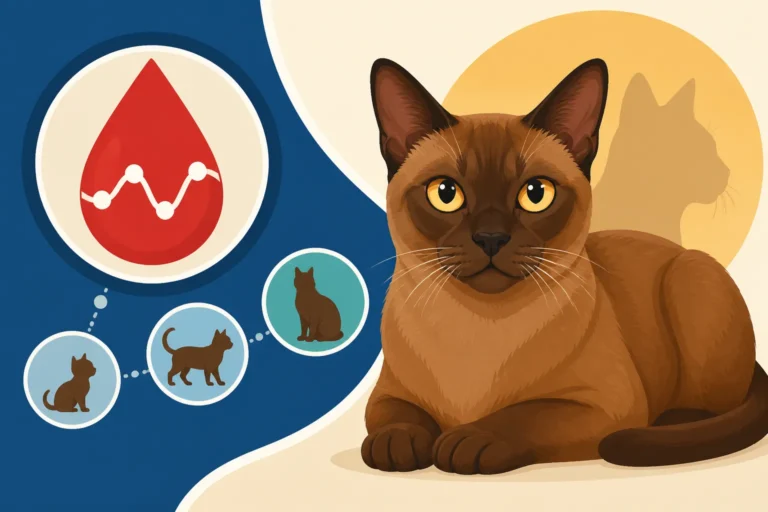
Beyond the basic check-up, your vet will likely discuss routine bloodwork, especially as your Burmese approaches its middle years. Why a Burmese's glucose should be checked from seven is a critical piece of advice, given the breed's high diabetes rate. Early detection of any health shifts can prevent more serious and costly issues down the line. Parasite prevention also continues year-round, adding to the regular expense. These preventative measures are an investment in your cat's longevity and quality of life.
Specialized Dietary Needs
The importance of a high-quality, low-carbohydrate diet for a Burmese cannot be overstated, and this will be an ongoing annual expense. Unlike some breeds where a generic dry food might suffice, a Burmese thrives on a carefully chosen diet that supports its unique metabolism and helps mitigate its predisposition to diabetes. This often means sticking to premium wet food formulas, or even fresh food options.
You'll continue to weigh your Burmese's portion every day, ensuring they don't overeat, which is particularly challenging given why a Burmese never stops asking for food. The cost of this specialized food might be higher than standard options, but it's a direct investment in preventing or managing diabetes, which can be an extremely costly condition. For instance, putting a Burmese into remission often involves a strict diet. Websites like Chewy can be excellent resources for finding a variety of appropriate low-carb options and having them delivered regularly.
Insurance and Emergency Funds
Even with the best preventative care and diet, unexpected health issues can arise. This is where pet insurance, or a dedicated emergency fund, becomes incredibly valuable for a Burmese owner. Given their predisposition to conditions like diabetes and hypokalemia, the potential costs for emergency care or ongoing treatment can be substantial. For example, what diabetes costs a Burmese owner a year can be a significant figure, not to mention emergency care for a hypokalemic Burmese episode.
Many owners opt for pet insurance from providers like Healthy Paws to help cover a portion of these unexpected veterinary bills. While insurers might write diabetes out of a Burmese policy if symptoms are pre-existing, obtaining a policy when your cat is young and healthy can provide peace of mind for future illnesses or accidents. If insurance isn't an option, building an emergency savings account specifically for your cat's health needs is a wise financial strategy. The goal is to avoid difficult decisions based purely on financial constraints during a crisis.
| Cost Category | Initial (Kitten Purchase) | First Year (Post-Purchase) | Ongoing Annual | Lifetime (16+ Years) |
|---|---|---|---|---|
| Kitten Acquisition | Significant, one-time | N/A | N/A | Incorporated into total |
| Setup Supplies | Moderate, one-time | Minimal top-ups | Minimal | Incorporated into total |
| Food & Nutrition | Modest (starter) | Moderate to High | Moderate to High | Substantial |
| Initial Vet Care | Included (breeder check) | Significant (spay/neuter, boosters) | Moderate (annual check) | Substantial |
| Preventative Meds | Included (deworming) | Moderate | Moderate | Significant |
| Insurance/Savings | N/A | Moderate | Moderate to High | Substantial |
| Toys & Enrichment | Modest | Moderate | Modest | Moderate |
| Dental Care | N/A | Minimal (brushing supplies) | Moderate (professional cleanings) | Significant |
| Emergency Fund | N/A | Building up | Ongoing top-ups | Variable, potentially high |
Long-Term Financial Considerations for Your Champagne Companion
A Burmese cat is a commitment for the long haul, often living well into their teens. This means that financial planning needs to extend far beyond the early years to account for age-related health changes and maintaining their quality of life as they mature.
Age-Related Health Concerns
As your Champagne Burmese ages, typically past the age of seven, the likelihood of developing age-related health issues increases, and these can significantly impact your budget. Diabetes is a prominent concern for the breed, and if your Burmese does become diabetic, managing it can involve regular insulin injections, frequent vet visits for glucose curves, and specific dietary adjustments. How a diabetic Burmese is started on insulin and the ongoing costs associated with it are important considerations.
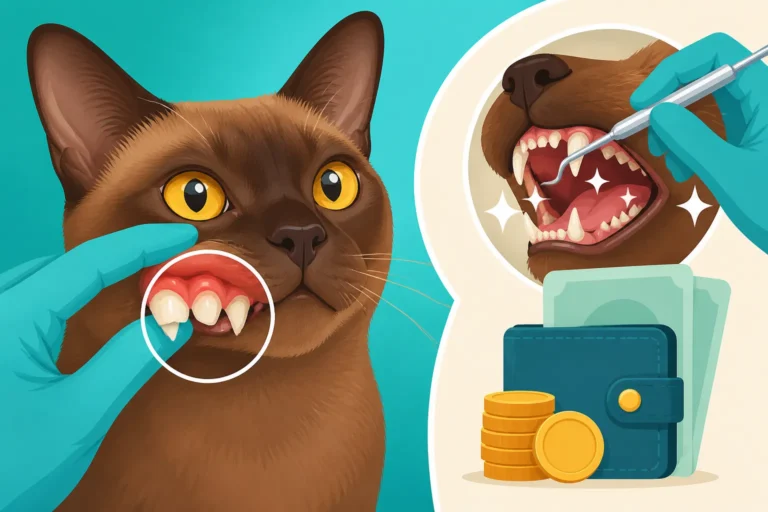
Beyond diabetes, older Burmese cats can be prone to kidney disease and hyperthyroidism, both of which require ongoing veterinary management, medication, and specialized diets. Dental health also becomes increasingly important; as a Burmese's gums recede early, regular professional dental cleanings and potential extractions can become a recurring expense. These costs are a natural part of caring for an aging pet, and being prepared for them allows you to provide the best possible care during their golden years. You might find that caring for a Burmese past twelve requires more frequent vet checks and specialized care.
Lifestyle and Enrichment Costs
A Burmese is a highly social and intelligent cat, and maintaining their mental and physical well-being throughout their life involves more than just food and vet care. Toys, puzzle feeders, and cat trees will need to be replaced periodically. Given that a Burmese is still playing at fifteen, investing in good quality, engaging toys remains important. These cats thrive on interaction, so if your lifestyle means you're away from home for extended periods, you might need to budget for a cat sitter or consider the long-term benefits of having a pair of Burmese cats.
Boarding can also be an option for vacations, but remember why a Burmese should never be boarded alone, as their intense need for companionship can lead to stress. Therefore, finding a sitter who can visit twice a day or choosing a specialized pet hotel could be a more expensive but necessary option. Enrichment activities, training treats, and even comfortable, warm beds (since a short coated Burmese feels the cold) contribute to their overall happiness and can be recurring expenses that add up over time.
The Lifetime Investment
When you combine all these factors – the initial purchase, first-year expenses, ongoing annual costs, and potential age-related healthcare needs – the lifetime cost of owning a Champagne Burmese is a significant investment. These cats can live for sixteen to eighteen years, sometimes even longer, offering many years of joy and companionship. What a Burmese costs over sixteen years is not a trivial sum, and it's essential for prospective owners to approach this commitment with a realistic understanding of the financial responsibilities.
This isn't meant to deter anyone, but rather to encourage thorough planning. The unconditional affection and playful nature of a Champagne Burmese make them incredibly rewarding pets. However, being financially prepared ensures you can provide them with the high standard of care they deserve throughout their entire lifespan, from playful kittenhood to their senior years. This foresight allows you to focus on the love and bond you share, rather than being constantly worried about the financial strain.
Disclaimer
This article is for general informational purposes only and does not constitute professional advice. Laws, prices and regulations vary by location and change over time. Consult a qualified professional for guidance on your specific situation.