What a Burmese Costs a Year Once Insulin Is Possible
Discovering your beloved Burmese has diabetes can feel like a punch to the gut, not just emotionally, but financially too. The initial shock gives way to a daunting question: "What does this actually mean for my budget, month after month, year after year?" It's a valid concern, because while their affection is priceless, the care for a diabetic Burmese is not inexpensive, transforming your annual costs significantly. This guide will walk you through the realistic annual expenses you can expect once insulin therapy becomes a part of your Burmese's life, helping you prepare for the financial commitment ahead.
The Reality of Managing Burmese Diabetes Annually
When your Burmese receives a diabetes diagnosis, it’s not just about a few vet visits and a change of diet. It ushers in a new era of care that requires consistent, often daily, attention and a dedicated financial commitment. The reality is, managing feline diabetes, especially in a breed like the Burmese which has a significantly higher prevalence of the condition, becomes an ongoing journey. This isn't a temporary hiccup; it's a long-term shift in how you budget for your cat's well-being. Many owners are blindsided by the cumulative costs, often focusing only on the insulin itself and overlooking the myriad of other necessities.
Why the Burmese Has a Higher Diabetes Risk
It's a cruel twist of fate that our affectionate, food-motivated Burmese friends are predisposed to diabetes. Genetics play a huge role here, making them Why a Burmese Is Four Times More Likely to Become Diabetic than many other breeds. This means that for a Burmese owner, the question isn't always if diabetes will appear, but when. The breed's metabolic makeup, combined with their love for food and tendency to gain weight if not carefully managed, creates a perfect storm. This inherent risk translates directly into a higher probability of needing insulin and incurring the associated annual costs. Understanding this predisposition helps us appreciate why diligent management is so critical.
The Financial Shift After Diagnosis
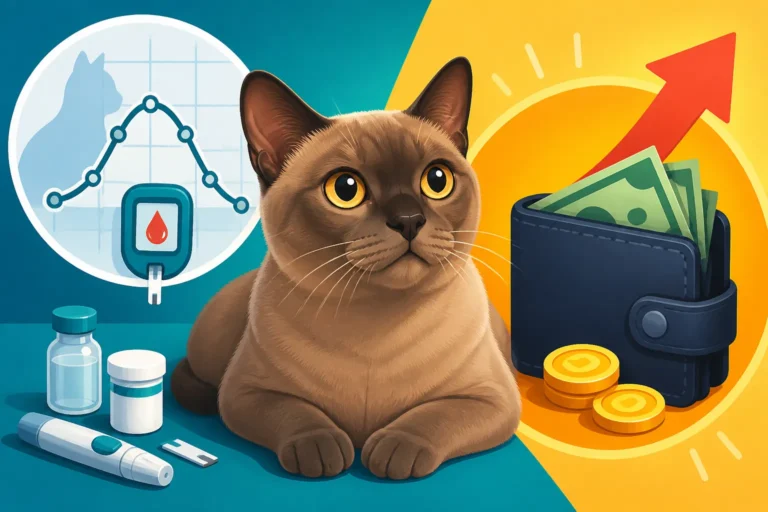
Before a diabetes diagnosis, your annual cat expenses might have centered around quality food, routine vet checks, and maybe a few toys. Post-diagnosis, that shifts dramatically. Suddenly, you're looking at regular insulin purchases, a steady supply of specific needles, frequent vet visits for glucose curves and check-ups, and a potentially more expensive, low-carbohydrate diet. This isn't just an increase; it's a structural change in your budget. It’s no longer optional spending; it’s essential medical care. Many owners find themselves grappling with the feeling of being overwhelmed, both by the medical demands and the escalating financial burden, and it's completely understandable to feel that way. It's truly a testament to the love we have for our pets that we rise to meet these new challenges.
Breaking Down the Direct Costs of Insulin Therapy
Insulin therapy is the cornerstone of managing diabetes in a Burmese cat. It's a daily, sometimes twice-daily, commitment that brings with it a predictable set of expenses. These aren't just one-off purchases; they are recurring costs that form the bulk of your annual diabetes management budget.
Insulin Vials or Pens
The insulin itself is, of course, the primary cost. There are various types of insulin available for cats, and your vet will prescribe the one best suited for your Burmese. These typically come in vials or pens, each with a different number of doses depending on the concentration and your cat's specific dosage. Insulin needs to be stored correctly, usually refrigerated, and has an expiration date, often within 28 days of opening the vial, even if there's still liquid left. This means you'll likely be purchasing new vials or pens regularly throughout the year. The type and brand, such as Lantus or ProZinc, can vary in price, and it's worth discussing options with your vet to find the most effective and sustainable choice for your situation.
Syringes and Needles
Along with insulin, you'll need a steady supply of U-100 or U-40 insulin syringes, depending on the type of insulin prescribed. These are very fine needles, designed for subcutaneous injections, and are single-use. Reusing them dulls the needle, making injections painful for your cat and increasing the risk of infection. You'll go through hundreds of these in a year, so buying them in bulk can sometimes offer a small saving. It's a small item, but the sheer volume adds up. This is an area where platforms like Chewy or your local pharmacy can be good for sourcing supplies.
Sharps Disposal Containers
For safety, all used needles and syringes must be disposed of properly in a designated sharps container. These sturdy, puncture-resistant containers prevent accidental needle sticks and are essential for home use. Once full, they need to be taken to a designated drop-off point, often a vet clinic, hospital, or specific waste facility. The cost of these containers is minimal, but it's another item on the list of recurring expenses that contributes to the overall annual total.
Dietary Adjustments: A Core Component of Diabetic Burmese Care
Beyond insulin, diet is arguably the next most critical factor in managing your Burmese's diabetes. It’s not just about what they eat, but how much and when. For a breed that's prone to weight gain and known for its insistent begging, transforming their diet into a strict, low-carbohydrate regimen is a foundational aspect of their care, directly impacting your annual budget. This is where Why Low Carbohydrate Food Matters for a Burmese truly comes into play.
Switching to Low-Carbohydrate Wet Food
The vast majority of diabetic cats, including Burmese, benefit immensely from a diet that is high in protein and very low in carbohydrates. This typically means a complete switch from dry kibble, which is often high in carbohydrates, to a specialized wet food diet. Wet food helps regulate blood sugar levels more effectively and aids in weight management, which is crucial for diabetic cats. Many commercial wet cat foods are suitable, but your vet will guide you on specific brands and carbohydrate percentages. The cost difference between standard kibble and premium, low-carb wet food can be significant. If you have multiple cats, you might even need to manage their feeding separately, adding another layer of complexity.
Measured Portions and Feeding Schedule
Free-feeding, where food is left out all day, is a definite no-go for a diabetic Burmese. Instead, they require strictly measured portions fed on a consistent schedule, usually twice a day, timed around their insulin injections. This precision is vital for blood glucose stability. While the measuring cups and scales are a one-time purchase, the type of food and the quantity needed each day directly translates into ongoing cost. You’re no longer just pouring; you’re precisely weighing every meal to ensure they receive the exact caloric and nutritional intake, preventing both undereating and overeating, both of which can throw off their glucose levels. This careful Why Portion Control Is Medical Care in a Burmese is non-negotiable.
Treats and Supplementary Nutrition
Even with a diabetic cat, you might still want to offer treats, especially if you're using them for positive reinforcement during injections or glucose monitoring. However, these treats must also be low in carbohydrates and fit within their daily caloric intake. This means no more sharing a bite of your toast or giving them high-carb commercial cat treats. Your vet can recommend suitable options, which are often freeze-dried meat products. These specialized treats can sometimes be more expensive than conventional ones, but their impact on your cat's health makes them a worthwhile investment. Always remember, even small amounts of inappropriate food can destabilize a carefully managed diabetic cat.
Ongoing Veterinary Monitoring and Associated Expenses
Insulin and diet are daily efforts, but regular veterinary oversight is just as vital. Managing a diabetic Burmese is a dynamic process; insulin dosages often need adjustment, and complications can arise. These follow-up visits and tests contribute substantially to the annual cost of care.
Regular Glucose Curves and Fructosamine Tests
After starting insulin, your vet will need to perform regular glucose curves. This involves monitoring your cat's blood sugar levels over several hours, usually in the clinic, to see how the insulin is working throughout the day. These are crucial for determining if the dosage is correct. In between these curves, your vet might also recommend fructosamine tests. A fructosamine test provides an average blood glucose level over the past one to three weeks, giving a broader picture of control and less affected by stress-induced spikes that can happen at the vet's office. Both types of tests are essential tools for effective management and are recurring annual expenses. How a Burmese Is Monitored on Insulin at Home might reduce some clinic visits, but professional checks are still necessary.
Comprehensive Bloodwork and Urinalysis
Diabetic cats are often prone to other health issues, so your vet will likely recommend annual or bi-annual comprehensive bloodwork, including a chemistry panel and complete blood count (CBC), as well as urinalysis. These tests help monitor organ function (especially kidney and liver, which can be affected by diabetes or insulin) and check for urinary tract infections, which are more common in diabetic cats. Early detection of any secondary issues can prevent more serious, and costly, problems down the line. These routine diagnostics are important proactive measures to keep your Burmese as healthy as possible.
Emergency Vet Visits and Potential Complications
Despite the best care, diabetic cats can experience complications. Hypoglycemia (low blood sugar) is a serious concern, often caused by too much insulin or not enough food, and requires immediate veterinary attention. Diabetic ketoacidosis (DKA), on the opposite end of the spectrum, is a life-threatening complication of uncontrolled diabetes. Both scenarios necessitate emergency vet visits, which can be significantly more expensive than planned appointments. Having pet insurance, like a policy from Healthy Paws, which is known for comprehensive coverage, can be a lifesaver in these situations, helping to mitigate the financial shock of an unexpected emergency. However, many policies may have waiting periods or exclusions for pre-existing conditions like diabetes if it's diagnosed before coverage begins.
Hidden Costs and Lifestyle Changes
Beyond the obvious medical and food expenses, there are several other costs and lifestyle adjustments that subtly yet significantly impact your annual budget for a diabetic Burmese. These often go unmentioned but are very real components of owning a cat with special needs.
Increased Litter Box Needs
A common symptom of uncontrolled diabetes is increased thirst and urination. Even with well-managed diabetes, some cats continue to drink and urinate more than their non-diabetic counterparts. This translates directly to more frequent litter box cleaning and a higher consumption of litter. While not a huge expense individually, over a year, this adds up. You might also find yourself needing larger litter boxes to accommodate the increased volume, ensuring your Burmese remains comfortable and continues to use the box reliably. Why a Diabetic Burmese Needs a Bigger Box might seem minor, but comfort is key for a well-adjusted cat.
Specialized Comfort and Warmth
Burmese cats, with their short, fine "satin" coats, are known to feel the cold more acutely than cats with thicker fur. If your diabetic Burmese is also senior, their ability to regulate body temperature might be even further compromised. Investing in heated beds, extra blankets, or ensuring they have access to warm, draft-free sleeping spots becomes even more important. While not a direct diabetes cost, these comfort items contribute to their overall well-being and can help prevent stress or discomfort, which can indirectly affect blood glucose levels. Why a Short Coated Burmese Feels the Cold is a practical consideration for their daily comfort.
Pet Sitting or Boarding Considerations
If you travel, finding someone to care for a diabetic Burmese requires a specialized approach. A typical pet sitter who just drops in once a day might not be suitable, as insulin needs to be administered on a strict schedule, often twice daily, and the cat's eating and general demeanor need careful observation. You'll likely need to hire a pet sitter specifically trained in diabetic care or board your cat at a veterinary clinic, both of which come at a premium compared to standard pet care. This added cost for specialized care during your absence is a crucial, often overlooked, annual expense for many owners.
Annual Cost Summary for a Diabetic Burmese
To give you a clearer picture, here’s a simplified breakdown of the types of expenses you can expect annually for a diabetic Burmese, beyond their basic care needs. Please remember, these figures are illustrative of categories and not specific amounts, as actual costs vary widely by location, vet, and specific needs of the cat.
| Expense Category | Description | Frequency | Impact on Annual Budget |
|---|---|---|---|
| Insulin | Vials/pens of prescribed insulin (e.g., Lantus, ProZinc) | Monthly | Significant |
| Syringes/Needles | Single-use U-100 or U-40 syringes | Weekly/Monthly | Moderate |
| Sharps Disposal | Containers for safe needle disposal | Quarterly | Low |
| Low-Carb Wet Food | High-protein, low-carb diet; higher cost than dry kibble | Daily | Significant |
| Veterinary Consults | Follow-up appointments, insulin adjustments, general checks | Quarterly/Bi-Annually | Moderate/Significant |
| Glucose Curves | Monitoring blood sugar over hours to adjust insulin | 2-4 times/year | Significant |
| Fructosamine Tests | Average blood glucose over 1-3 weeks | Quarterly | Moderate |
| Bloodwork & Urinalysis | Monitoring organ health, checking for secondary infections | Annually | Moderate |
| Emergency Fund/Insurance | Unexpected complications (hypoglycemia, DKA) or general illness | As needed | Potentially Very High |
| Enhanced Litter Supply | Due to increased urination from diabetes | Ongoing | Low/Moderate |
| Specialized Pet Sitting | Trained care for insulin administration during owner absence | As needed | Moderate (if traveling) |
| Comfort Items | Heated beds, extra blankets for warmth | One-time/As needed | Low |
This table doesn't even touch on general vet costs that any cat would incur, such as routine vaccinations or dental cleanings, but it highlights the additional layer of expenses that diabetes management brings. It's truly a considerable undertaking, but with love and careful planning, it's absolutely manageable.
Disclaimer
This article is for general informational purposes only and does not constitute professional advice. Laws, prices and regulations vary by location and change over time. Consult a qualified professional for guidance on your specific situation.