How Long a Burmese Will Stay on a Lap
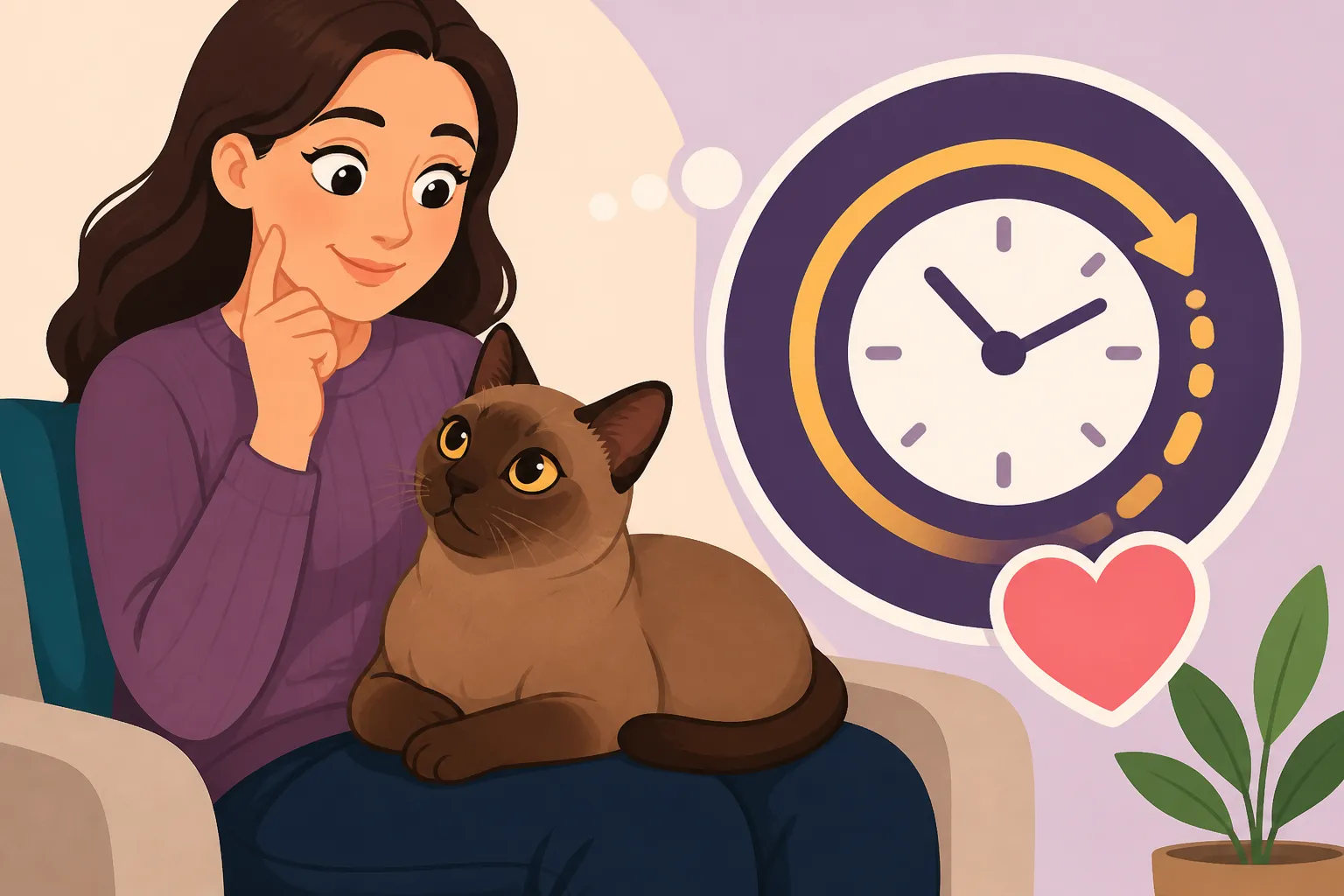
Oh, the quintessential Burmese lap cat! Many new Burmese owners, or those just admiring these gorgeous, affectionate creatures from afar, often wonder if their reputation for being "Velcro cats" truly extends to an endless devotion to your lap. It's a valid question, because while many cats enjoy a cuddle, the Burmese takes it to a whole new level, and you're probably wondering exactly how long you might be delightfully pinned. This guide will dive deep into the beautiful reality of Burmese lap time, exploring what makes them such dedicated snugglers and what you can expect when one chooses your lap as its throne.
The Irresistible Pull of a Burmese Lap Cat
Let's be honest, if you've ever spent time with a Burmese, you know that your lap isn't just an option for them; it's often their primary destination. They are often called "dog-like" or "Velcro cats" for a very good reason. This isn't just a fleeting visit for a quick pet; for many Burmese, your lap is where the magic happens, where the deepest bonds are forged, and where they feel most secure. It's an inherent part of their personality, a trait selectively bred for and cherished by enthusiasts.
Why Your Lap Is a Burmese Priority
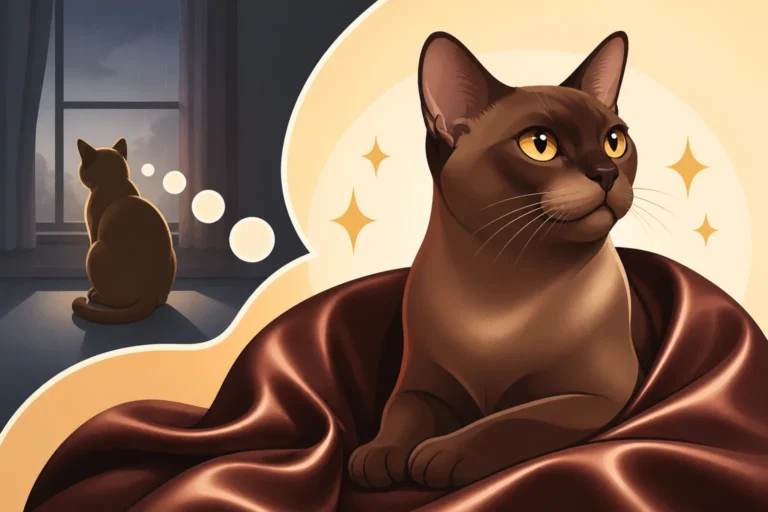
There are several compelling reasons why your lap becomes such a prime piece of real estate for a Burmese. Firstly, their short, fine How Short a Burmese's Coat Actually Is coat means they are naturally seeking warmth. Our body heat is like a magnet for them, especially during cooler months or in air-conditioned homes. Imagine wearing a silk gown perpetually; you'd appreciate a warm snuggle too! This isn't just comfort; it's an evolutionary instinct. Beyond the physical warmth, there's the emotional connection. The Burmese thrives on companionship and physical touch. They want to be part of your world, literally. When they're on your lap, they're not just warming up; they're actively participating in your quiet moments, soaking in your attention, and reaffirming their place in your life. It's their way of saying, "You are my favorite human, and I want to be exactly where you are."
The "Velcro Cat" Phenomenon
The term "Velcro cat" isn't an exaggeration when it comes to the Burmese. They don't just sit on you; they often adhere to you. This strong attachment means that once they've settled, they're often quite reluctant to move. This is different from a cat that tolerates being held for a few minutes before gracefully leaping away. A Burmese will often try to re-establish contact even if you shift slightly, rearranging themselves to maintain maximum surface area contact. They'll knead, they'll purr with that distinctive What a Burmese's Rasping Voice Sounds Like rasping rumble, and they'll gaze up at you with those expressive golden eyes, cementing their position. This deep need for connection also explains why many breeders recommend getting them in pairs – they need constant company, and if you're not available, another Burmese is the next best thing. Why Burmese Breeders Sell Them in Pairs
Factors Influencing Burmese Lap Duration
While the general rule of thumb is "as long as you'll let them," the actual time a Burmese spends on your lap can vary quite a bit. It’s not a one-size-fits-all answer, because like us, every cat has their own unique quirks and preferences. Understanding these factors can help you predict and even influence how long your Burmese will grace you with their presence.
Individual Personality and Age
Just like people, every Burmese has a distinct personality. Some are absolute lap hogs from the moment they settle, content to snooze for hours until you absolutely must get up. These are the cats who will sigh dramatically if you so much as twitch. Others might be a bit more active, enjoying a good 20-30 minutes of deep cuddle time before their natural curiosity or desire for play kicks in, prompting them to explore or chase a toy.
Age also plays a significant role. Energetic Burmese kittens might be more prone to short bursts of intense cuddling, followed by an urgent need to How Hard a Burmese Kitten Plays at Four Months pounce on anything that moves. As they mature, many Burmese become more settled, increasing their lap-sitting stamina. Senior Burmese, especially those Caring for a Burmese Past Twelve past the age of twelve or fourteen, often become the most devoted lap warmers of all. Their energy levels naturally decrease, and the warmth and security of your lap become an even greater comfort. A senior Burmese might happily nap on your lap for an entire movie, only stirring to rearrange themselves or offer a soft head bump. What an Old Burmese Still Wants to Play
Environmental Comfort and Distractions
The environment around you and your cat can greatly impact how long they stay put. A quiet evening curled up on the sofa with a good book or a movie is prime Burmese lap-sitting territory. Fewer distractions mean they can fully relax into the warmth and security of your presence. If there's a lot of commotion – children playing loudly, other pets vying for attention, or even just frequent movement in the room – your Burmese might feel less inclined to stay for an extended period. They love a calm, predictable atmosphere for their serious cuddling sessions.
Temperature is another huge factor. Remember their short, satin coats? They absolutely adore warmth. If your home is a bit chilly, or if you're particularly warm yourself, your lap becomes an irresistible oasis. Conversely, if it's a very hot day, they might opt for a cooler spot nearby, though many will still seek a quick snuggle before relocating. Providing a cozy blanket on your lap can also encourage them to stay longer, enhancing their comfort.
Your Behavior and Routine
Your actions, whether conscious or unconscious, play a massive role in how long your Burmese remains on your lap. Are you providing a stable, comfortable base? If you're constantly fidgeting, shifting positions, or getting up and down frequently, even the most devoted Burmese might eventually decide your lap is too turbulent for a long stay. However, if you're settled and relaxed, they'll mirror that tranquility.
Consistency also matters. If you regularly invite your Burmese onto your lap during specific times – say, every evening when you watch TV or read – they will learn this routine and come to expect it. They are creatures of habit, and building a "lap time" routine can solidify their presence there. Conversely, if you often push them off or discourage them, they might become less inclined to seek your lap out, even if they still desire your company. They learn quickly what is welcomed and what is not.
| Factor | Impact on Lap Duration | Example Scenario |
|---|---|---|
| Cat Personality | Highly variable; some are extreme snugglers, others more active. | A mellow male Burmese might nap for 2 hours; a curious female kitten for 30 minutes. |
| Cat Age | Kittens are more restless; seniors often seek more warmth/comfort. | A 6-month-old will jump off to play; a 14-year-old will stay for an entire afternoon. |
| Room Temperature | Colder rooms encourage longer stays for warmth. | On a winter evening, your lap is a prime spot; in summer, it might be too warm. |
| Noise/Activity | Quieter environments lead to longer, more relaxed stays. | A calm evening allows for deep snoozing; a busy party means frequent departures. |
| Owner Activity | Stillness encourages longer stays; fidgeting discourages it. | Reading a book can lead to an hour-long cuddle; typing on a laptop often shortens it. |
| Comfort Provided | Soft blankets, gentle petting increase contentment. | A fluffy throw can extend lap time significantly compared to a bare couch. |
Maximizing and Managing Burmese Lap Time
For many Burmese owners, the goal is to get as much lap time as possible. Who wouldn't want that soft, purring weight on their knees? But sometimes, you might need to gently encourage them to move on. Learning how to manage these interactions ensures both you and your beloved Burmese remain happy.
Encouraging Longer Stays
If you're eager for more lap time, there are several things you can do to make your lap the most appealing spot in the house.
- Make it inviting: Offer a soft blanket or a small, warm cushion. Sometimes, just the presence of something soft and familiar on your lap is enough to signal that it's a safe, cozy space. You can find many cozy blankets on Amazon that your Burmese would adore.
- Be still and calm: When you settle down, try to remain as still as possible. Avoid sudden movements that might startle them or make them feel less secure. Gentle, rhythmic petting is often irresistible and can lull them into a deep sleep.
- Reduce distractions: Turn down the TV, dim the lights, and minimize other household noises if possible. A serene atmosphere encourages relaxation and longer naps.
- Initiate contact: Don't always wait for them to jump up. Sometimes, a gentle pat on your lap and a soft call of their name is all it takes. If they're nearby, scoop them up carefully and place them on your lap, then shower them with praise and pets. They respond wonderfully to positive reinforcement. The Signal a Burmese Gives Before It Climbs You
- Understand their signals: If your Burmese is purring, kneading, and settling in, they're clearly content. Keep the pets coming, and avoid disrupting their peace.
Gently Managing When You Need to Move
Sometimes, life calls, and you simply have to get up, even if it means disturbing a perfectly content Burmese. Here’s how to do it without causing too much drama or damaging your bond:
- Give a warning: Before you just lift them, try gently stroking them and speaking in a soft voice, letting them know something is about to happen. Some Burmese will even start to stir in anticipation.
- Offer an alternative: Have a warm, comfortable bed or a soft cushion right next to your spot on the sofa. As you gently lift them, guide them directly to this alternative spot. You can even place a treat there to make the transition more appealing. This teaches them that while your lap might be temporarily unavailable, there's another cozy spot just for them.
- Don't just dump them: Always be gentle and supportive when lifting a Burmese. Hold them securely so they feel safe. Never just drop them onto the floor. This can create negative associations with lap time.
- Reassure them: Once they're off your lap, give them a few more pets or a quick scratch behind the ears. This reinforces that while the lap time is over for now, your affection isn't.
It's also worth noting that if your Burmese consistently demands your lap for hours on end and becomes visibly distressed when you leave, it might be a sign of deeper separation anxiety. While Burmese cats are notoriously clingy, excessive anxiety can manifest in other behaviors like excessive vocalization, destructive tendencies, or even inappropriate urination. What Separation Anxiety Looks Like in a Burmese If you're noticing these behaviors, a chat with your vet or a feline behaviorist might be beneficial.
Beyond the Lap: Other Forms of Burmese Affection
Even if your Burmese isn't glued to your lap for hours on end, don't mistake shorter lap visits for a lack of affection. The Burmese express their love in countless ways, and often, their proximity to you is just as important as direct contact. Their desire for companionship is so strong that they will often adapt their affectionate displays to fit your lifestyle, ensuring they get their fill of human interaction.
The Shoulder Ride and Constant Shadowing
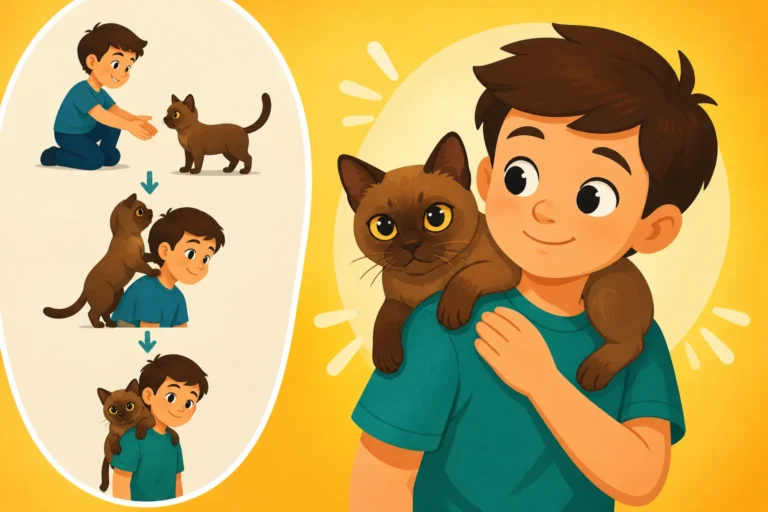
Many Burmese are famous for riding on their owner's shoulders, using you as a walking, talking perch. Why a Burmese Rides on Your Shoulder This isn't just a quirky habit; it's another expression of their intense desire to be close to you and involved in whatever you're doing. A shoulder ride offers them a unique vantage point and allows them to feel physically connected without necessarily occupying your lap. They might also follow you from room to room, acting as your ever-present shadow. Seriously, trying to use the bathroom alone with a Burmese is a futile endeavor! Why No Door in the House Stops a Burmese They simply cannot let you leave the room without joining you. Why a Burmese Cannot Let You Leave the Room This constant companionship, even if it's not always physical, is a huge part of their charm and a clear sign of their deep bond with you.
Sleeping Under the Covers and Deep Snuggles
When evening rolls around, don't be surprised if your Burmese seeks out the ultimate cuddle spot: right under the duvet with you. Their quest for warmth and deep connection often leads them to burrow under the covers, snuggling tightly against your body throughout the night. Why a Burmese Gets Under the Duvet This is perhaps the ultimate expression of trust and affection, as they are at their most vulnerable when sleeping. You might wake up to a purring weight against your back or find them nestled between your legs, a testament to their desire for constant physical contact. Even if they don't spend all day on your lap, these nighttime rituals reinforce their profound bond and their need to be close. They aren't just in your house; they want to be in your bed.
So, how long will a Burmese stay on your lap? It could be anywhere from a solid 30 minutes to several blissful hours. It truly depends on your individual cat, their mood, the environment, and your own interactions. But one thing is for sure: when a Burmese chooses your lap, you're experiencing one of the most dedicated and delightful forms of feline affection imaginable. Embrace it, enjoy it, and know that you are loved by a truly special cat.
Disclaimer
This article is for general informational purposes only and does not constitute professional advice. Laws, prices and regulations vary by location and change over time. Consult a qualified professional for guidance on your specific situation.