Why Burmese Prices Split by Type Rather Than Quality
One of the most perplexing things for anyone looking to bring a Burmese cat into their home is understanding why their prices fluctuate so wildly, and often, why two seemingly similar kittens from different breeders can have vastly different price tags. It’s not simply about "better" or "worse" quality in the traditional sense; instead, the cost of a Burmese largely hinges on whether it’s an American or European type, a distinction this guide will help you thoroughly understand.
The Tale of Two Burmese: Understanding the Core Split
When you start researching Burmese cats, you quickly discover that there isn't just one "Burmese" but rather two distinct types recognized by different registries and bred to different standards. This fundamental divergence is the bedrock of their pricing structure, far more so than any perceived difference in "quality" within a well-bred lineage. It’s a bit like comparing two different breeds of dog; they both have their merits, but their market value is determined by their unique characteristics and breeding history, not just whether one is objectively "better" than the other.
Historical Divergence: How the Types Emerged
The original Burmese cat, tracing its lineage back to the enigmatic Wong Mau, arrived in the United States in the 1930s. Dr. Joseph Thompson's dedicated breeding program laid the foundation for what we now know as the American Burmese. His scientific approach to understanding the breed's genetics, including how the Burmese color gene sits, was groundbreaking. However, as the breed found its way to other parts of the world, particularly the United Kingdom, breeders there began to develop the cat along slightly different lines, driven by their own aesthetic preferences and interpretations of the breed standard. This geographical separation, coupled with different breeding goals, led to the evolution of two distinct types over decades. It's a fascinating bit of history, demonstrating how a single founding cat could ultimately produce what are now two visually and structurally different feline populations.
Physical Differences: What Defines Each Type
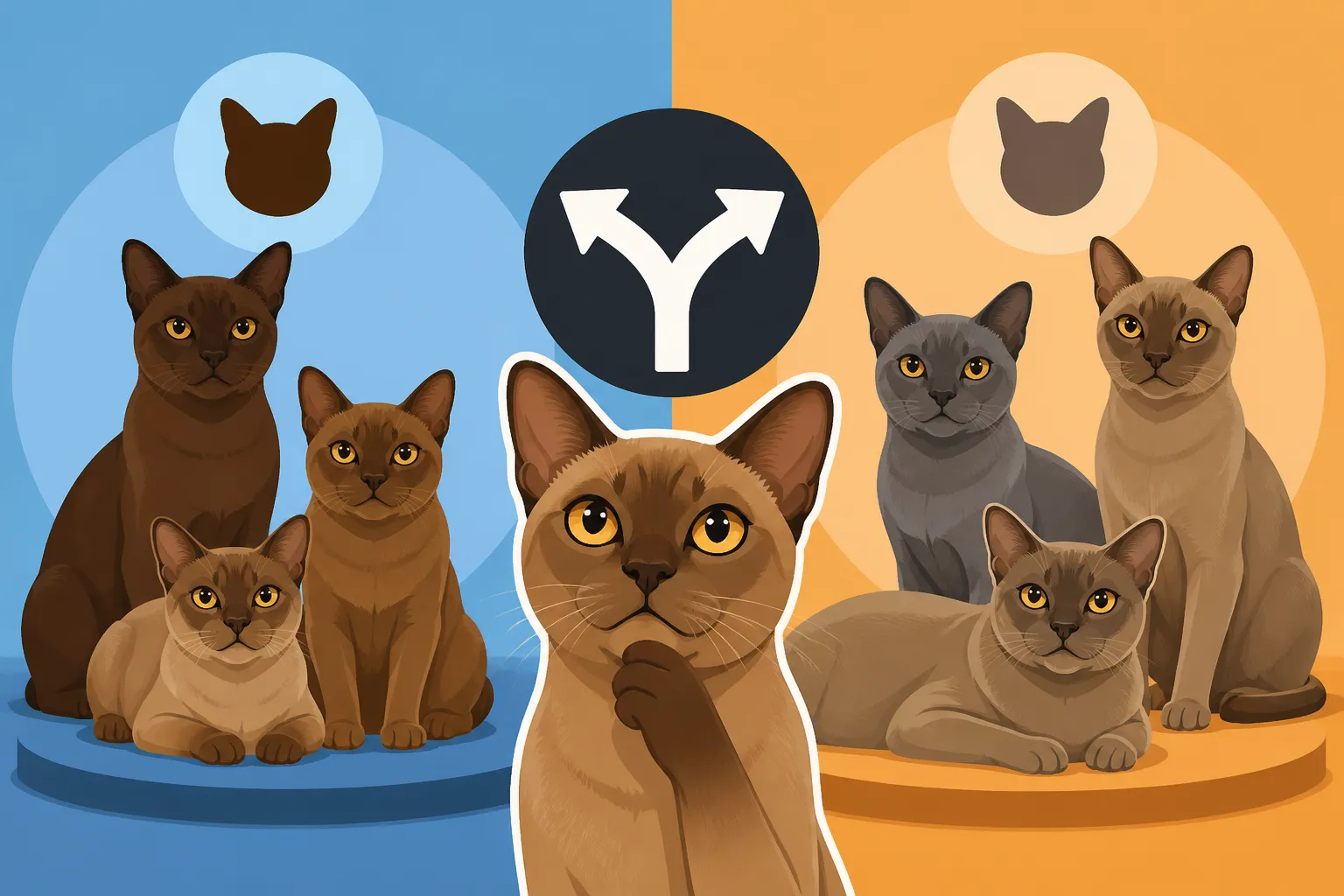
The visual differences between the American and European Burmese are quite noticeable once you know what to look for. The American Burmese typically boasts a rounder head, full cheeks, and large, expressive round eyes that are usually gold to amber in color. Their body is generally cobby and compact, often described as a "brick wrapped in silk" due to their surprising heft. They carry a muscular build that makes them feel much heavier than they appear. In contrast, the European Burmese tends to have a more triangular head, with a slightly longer muzzle and eyes that are set further apart and often a bit more almond-shaped. Their body is usually more elegant and svelte, with longer legs and a more refined appearance. Both types share that characteristic short, satin-like coat that lies flat against the body, but the overall silhouette and facial structure are distinct. Understanding what an American Burmese's head should look like versus what a European Burmese's head should look like is key to identifying which type you're seeing.
Geographic and Registry Distinctions
The split isn't just about appearance; it's also deeply embedded in the cat fancy's organizational structure. In the United States, associations like the Cat Fanciers' Association (CFA) generally recognize and promote the American Burmese type, with its specific standards for head shape, body type, and eye color. If you're looking at a CFA-registered Burmese, you're almost certainly looking at the American type. Across the pond, organizations like the Governing Council of the Cat Fancy (GCCF) in the UK and various federations in Europe recognize and champion the European Burmese, which adheres to a different set of ideals for facial structure and body conformation. This means that if you're looking to buy a kitten, which registry calls it a European Burmese can tell you a lot about its lineage and expected appearance. While some international registries like The International Cat Association (TICA) accommodate both types, the clear distinction remains, guiding breeders and enthusiasts alike.
Why Type, Not Quality, Drives Price Tags
It's natural to assume that if one cat costs more than another, it must be of "higher quality." However, in the world of Burmese cats, this often isn't the case. The price differential largely stems from factors related to the specific type, its availability, and the complex logistics involved in maintaining and developing those distinct lines. A well-bred American Burmese is of high quality within its standard, just as a well-bred European Burmese is within its own standard. The price reflects the journey, not necessarily a qualitative superiority.
Rarity and Availability: The Supply and Demand Factor
One of the biggest drivers of price is simply supply and demand. The European Burmese is considerably rarer in North America than the American Burmese. There are significantly fewer breeders dedicated to the European type in the US, making kittens much harder to come by. This scarcity naturally drives up the price. Imagine trying to find a specific vintage car that was only produced in limited numbers in another country – the effort and exclusivity would add to its value. Similarly, the European Burmese gene pool is smaller in certain regions, meaning breeders have to work harder to maintain diversity and health within their lines. This inherent rarity for one type in a given market contributes substantially to its premium cost.
Breeding Program Costs: Investments in Distinct Lines
Establishing and maintaining a breeding program for either type of Burmese is a considerable investment, but some factors amplify these costs, especially for the rarer type. Breeders of European Burmese in North America often face higher expenses for stud services or importing new breeding stock to ensure genetic diversity and adherence to the European standard. This might involve importing a Burmese from Britain, a process that carries significant travel, quarantine, and registration fees. These breeders are meticulously following a specific standard, which means careful selection of breeding cats and potentially longer waiting lists for ideal pairings. The dedication to health screening is also paramount, and a responsible breeder will always ensure that what a Burmese breeder must test before any mating is completed, adding to the overall cost of their program, regardless of type.
Importation Expenses and Global Gene Pools
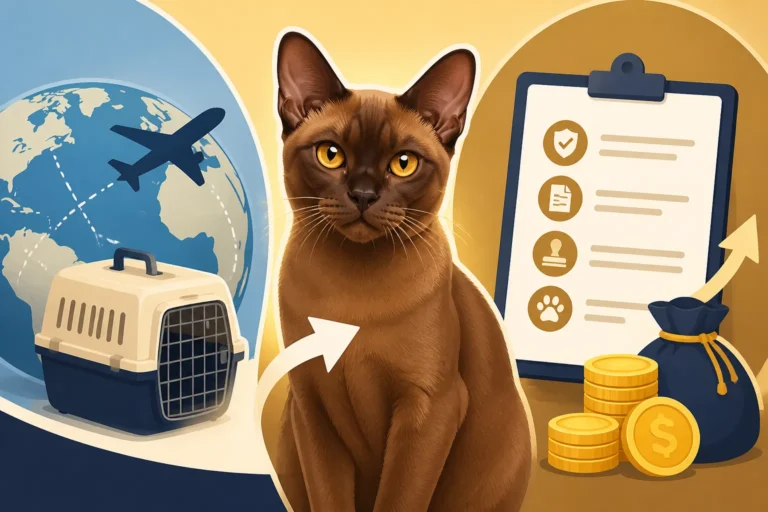
If you're interested in a European Burmese in a region where they are scarce, the cost of importing can be substantial. This isn't just about the kitten's travel fare. It includes veterinary checks, vaccinations, export and import permits, potential quarantine periods, and the logistics of coordinating international transport. These costs are rolled into the final price of the kitten, making it significantly higher than a locally bred American Burmese. The limited number of European Burmese breeders means that existing breeders might need to reach further afield to introduce new bloodlines, which can mean more international travel and even higher expenses. This complex global network of breeding programs, particularly for the European type, directly impacts the "how much a European Burmese costs from a breeder" figure. It’s not just a kitten you're buying; it's a piece of a carefully cultivated global lineage.
The Impact on Breeder Practices and Pricing
The existence of two distinct Burmese types means breeders have made conscious choices about which standard to uphold, and these choices significantly influence their practices, pricing, and transparency with prospective owners. A reputable breeder, regardless of type, will always prioritize health and temperament, but the specific type they focus on shapes much of their operation.
Specialization and Dedicated Lines
Responsible Burmese breeders specialize. They don't typically mix American and European lines because the standards are so different, and crossing them would dilute the distinct characteristics of each. This specialization means breeders dedicate years, if not decades, to understanding and perfecting their chosen type. They invest in specific bloodlines, focusing on traits like the American Burmese's signature round head and cobby body, or the European Burmese's more elegant conformation. This dedication means that a breeder's reputation and the perceived "quality" of their lines are tied to how well they produce cats that conform to their chosen standard. Therefore, when you see a price difference, it’s often reflective of the breeder's commitment to a specific, and sometimes rarer, genetic lineage.
The Ethical Breeder's Investment in Health and Pedigree
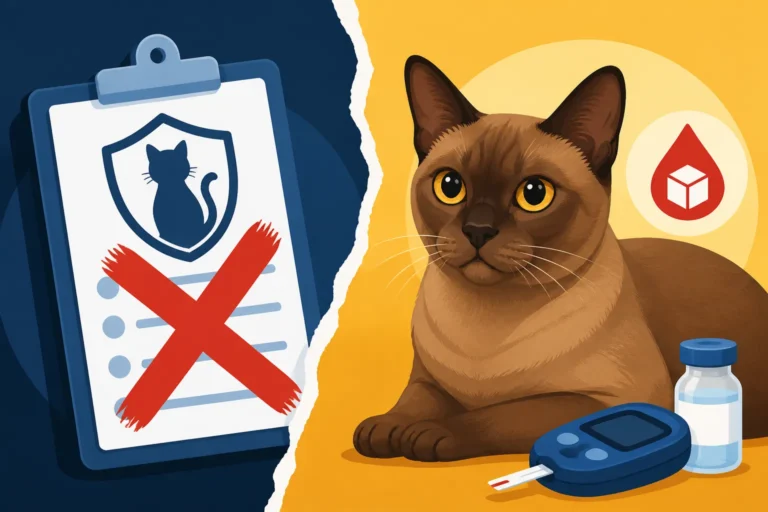
Any ethical breeder, whether of American or European Burmese, makes substantial investments in the health and well-being of their cats. This includes extensive DNA testing for genetic conditions prevalent in the breed, such as Hypokalemia and Gangliosidosis, and careful screening for issues like diabetes risk. You should always expect to receive detailed information on the DNA panel a Burmese breeder owes you. They provide optimal nutrition, regular veterinary care, and ensure their breeding cats are physically and temperamentally sound. These costs are significant and contribute to the overall price of a well-bred kitten. A cheap Burmese often skipped the hypokalemia swab or other vital health checks, which can lead to heartbreaking and expensive health issues down the line for the owner. It's a critical point: paying more for a kitten from a reputable breeder is an investment in a healthy, happy companion, not just a fancier “type.”
Transparency vs. Misrepresentation
Because of the price difference and the often subtle distinctions for an untrained eye, some unscrupulous individuals might try to misrepresent their kittens. This is why it's crucial for prospective owners to understand how to tell which Burmese type you are buying. A reputable breeder will be completely transparent about their cats' lineage, registration, and the type they breed. They should happily provide pedigrees showing the type throughout and explain the differences. If a Burmese is sold without a type, or if the breeder seems evasive about its lineage, consider it a red flag. Ethical breeders are proud of their lines and will go above and beyond to educate you. They often ask questions about your lifestyle, like why a Burmese breeder asks how long you work, to ensure a good fit, showing their commitment to their kittens' welfare.
What This Means for Your Budget and Expectations
Understanding the nuances of Burmese pricing based on type is essential for setting a realistic budget and having appropriate expectations. It's not just about the initial purchase price; it's about the long-term commitment to a particular breed with specific needs and potential health considerations.
Researching Breeders and Understanding Pedigrees
The first step in your journey should be thorough research. Look for breeders who are affiliated with recognized cat registries for their specific type (e.g., CFA for American Burmese, GCCF for European Burmese). Ask for detailed pedigrees that clearly indicate the lineage and type of the cats. Don't be afraid to ask about the health testing performed on both parents, especially for conditions like Hypokalemia. For example, knowing how the Burmese Hypokalemia test is read can help you understand the health clearances provided. Visiting the cattery, if possible, can give you a better sense of the cats' living conditions and temperament. A reputable breeder will welcome your questions and transparency.
Here’s a simplified breakdown of typical price components:
| Factor | American Burmese (Pet Quality) | European Burmese (Pet Quality) |
|---|---|---|
| Kitten Base Price | Moderate | High |
| Breeding Program Costs | Standard | Higher (due to rarity/imports) |
| Health Testing | Included | Included |
| Vaccinations/Vet Checks | Included | Included |
| Registration Fees | Standard | Potentially higher (importing) |
| Rarity/Demand | Common (in US) | Rare (in US) |
| Typical Range (Approx.) | X – Y | Z – W |
Note: Specific prices are not provided as they vary widely based on location, breeder, and current market conditions. Please check with individual breeders for current figures.
Beyond the Purchase Price: Lifetime Costs
The initial price of a Burmese kitten is just the beginning. These cats, regardless of type, are known for their longevity, with many well-bred Burmese living to be The Sixteen to Eighteen Years a Well Bred Burmese Gets. However, they are also prone to certain health conditions, notably diabetes. Why a Burmese is four times more likely to become diabetic means that lifetime ownership costs can be significant. Budget for high-quality, low-carbohydrate wet food, which is a medical decision, not a preference, and can be more expensive than kibble. Consider pet insurance from providers like Healthy Paws; however, be aware that many insurers write diabetes out of a Burmese policy once symptoms appear, so it's wise to consider it early. Regular vet check-ups, potential insulin costs (What Insulin Costs a Burmese Owner Per Month), and routine dental care for why a Burmese is prone to gum disease are all crucial components of the lifetime expense.
Making an Informed Decision
Choosing between an American and European Burmese isn't about choosing a "better" cat, but rather the cat whose characteristics and availability best align with your preferences and budget. If the classic round-headed, cobby Burmese is what you envision, the American type will likely be more accessible and potentially more affordable in North America. If you prefer the more elegant, refined look of the European Burmese, be prepared for potentially longer wait times and a higher price tag due to their rarity and the complexities of their breeding programs in some regions. In either case, prioritize a reputable breeder who focuses on health, temperament, and transparency. A well-bred Burmese, of either type, will be a loving, companionable addition to your family, a cat that will insist on riding on your shoulder and filling your home with their unique rasping rumble.
Disclaimer
This article is for general informational purposes only and does not constitute professional advice. Laws, prices and regulations vary by location and change over time. Consult a qualified professional for guidance on your specific situation.