Why an Imported Burmese Costs More to Register
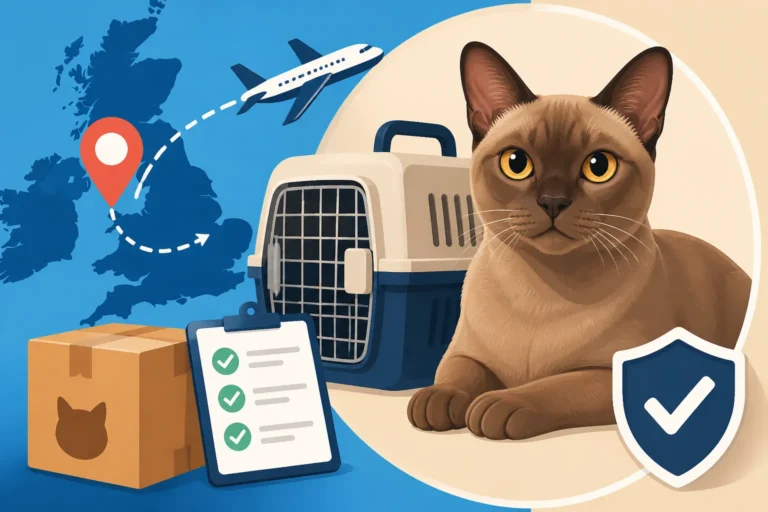
Bringing a new Burmese cat into your home is an incredibly exciting time. These beautiful, affectionate "velcro cats" quickly become the heart of a family, always seeking out human companionship and offering endless purrs. But if you've been dreaming of a European Burmese with its distinct look and temperament, and you're contemplating bringing one over from abroad, you might be surprised to find that the journey doesn't end when your new companion steps off the plane. The process of registering an imported Burmese with your local cat registries can be significantly more complex and, yes, more expensive than registering a domestically bred kitten, often leaving new owners scratching their heads. This guide will walk you through the ins and outs of why those extra fees pop up, what paperwork you'll need, and how to navigate the system to welcome your international Burmese officially into the American cat fancy.
The Global Divide: Why Two Burmese Types Exist
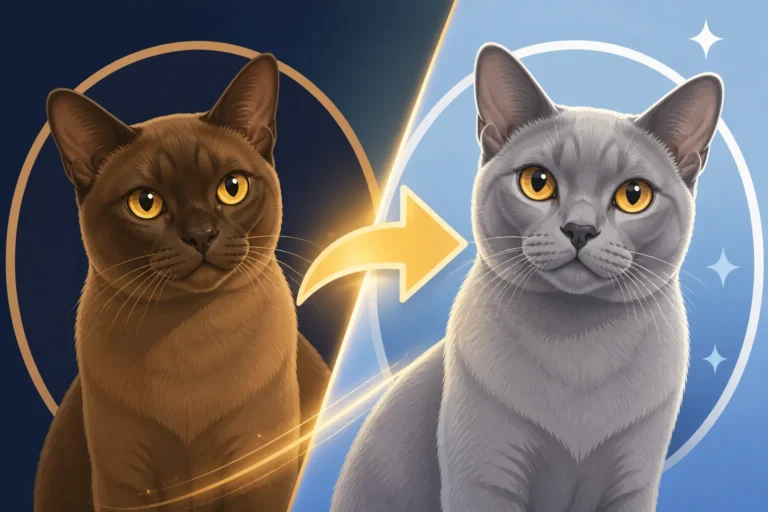
It's a common misconception that a Burmese is just a Burmese, no matter where it comes from. However, the breed actually diverged decades ago into two distinct types: the American Burmese and the European Burmese. This split happened due to differing breeding goals and preferences in various parts of the world, particularly after World War II. When you import a Burmese, you're not just bringing a cat from another country; you're often bringing a cat of a different recognized type into a registry that primarily deals with the other. This fundamental difference is at the root of many of the additional registration costs and complexities.
A Tale of Two Standards
Back in the early days of the Burmese breed, after Wong Mau came to America, breeders on both sides of the Atlantic were working with the same foundational cats. However, as time went on, American breeders leaned towards a more compact, cobby body type with a distinctly round head, full cheeks, and short muzzle. This became the standard for the American Burmese. Meanwhile, European breeders, particularly in the UK, developed a preference for a more elegant, moderate body, with a slightly wedge-shaped head, larger ears, and a less extreme "roundness" overall. This is the European Burmese. Each type has its own detailed breed standard, meticulously outlining everything from head shape to eye color to body conformation.
Because these standards diverged, the major cat registries around the world had to make choices. In the United States, organizations like the Cat Fanciers' Association (CFA) primarily recognize and register the American Burmese type. While some European Burmese lines exist in the US and are registered through organizations like The International Cat Association (TICA), integrating a cat bred to one standard into a registry primarily dedicated to another requires additional steps and, naturally, fees. It's not just about a different country; it's about a different look and lineage that needs careful verification to ensure it meets the criteria for recognition, even if it's as an "Other Burmese" type. This verification isn't always straightforward and often involves proving the cat's lineage through multiple generations of adherence to the European standard, which can be an administrative burden.
The Cost of Pedigree Purity
Breeders, whether American or European, dedicate significant time and resources to maintaining the purity and health of their lines. They select breeding pairs carefully, ensuring genetic diversity while adhering to the breed standard and screening for inheritable conditions. For Burmese cats, this often includes testing for conditions like hypokalemia and a predisposition to diabetes. A European breeder invests in a comprehensive DNA panel for their breeding cats, checking for these specific issues, ensuring they are only breeding healthy, type-correct animals. What a Burmese Breeder Must Test Before Any Mating covers this in detail.
When you import a kitten, that European breeder has likely incurred costs for their own country's registration, health clearances, vaccinations, and potentially microchipping, all conforming to their local standards. Your domestic registry then needs to translate and verify all this information. This isn't just a simple name transfer; it's about confirming that the cat's pedigree genuinely represents the European Burmese lineage and doesn't contain any unauthorized outcrosses that would disqualify it from being registered. This meticulous checking of international pedigrees, often across different languages and record-keeping systems, demands extra administrative effort. This extra effort directly translates into higher processing fees compared to registering a kitten from a domestic breeder whose records are already integrated into the system. The sheer amount of data verification required to uphold the integrity of the breed book adds layers of cost.
Navigating International Registration Processes
Once your beautiful imported Burmese has settled into its new home, the next big step is getting it properly registered with a cat association in your country. This isn't just a formality; it's how your cat's lineage is officially recognized, particularly if you ever plan to show your cat or, further down the line, if you're a breeder yourself. The journey through international registration, however, can feel like a labyrinth compared to the straightforward process for a locally bred kitten.
Fees for Foreign Bloodlines
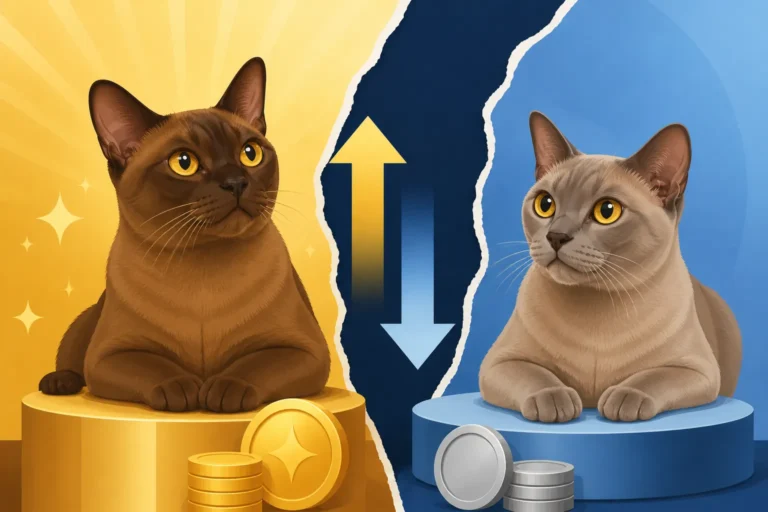
The most immediate and noticeable difference is often the fee structure. When you register a kitten from a domestic breeder, they typically provide you with a registration application or certificate, and you pay a standard, relatively low fee to the chosen registry (like CFA or TICA) to transfer ownership and record your cat. For an imported cat, however, registries often have a separate, significantly higher fee specifically for "foreign registrations" or "imported pedigrees."
Why the surcharge? It comes down to the additional labor involved. The registry needs to verify the authenticity of the foreign pedigree. This means liaising with the international registry where your cat was initially registered (e.g., the Governing Council of the Cat Fancy (GCCF) in the UK or Feline Federation Europe (FFE)). They're checking that the breeder is legitimate, that the cat's parents and ancestors are indeed recorded as purebred Burmese of the specified type, and that all the dates and details match up. Sometimes, this involves international correspondence, phone calls, or access to secure databases that aren't part of their usual workflow. This detailed cross-referencing and verification process is time-consuming and labor-intensive, and the additional fee helps cover those administrative costs. It’s not just about making a profit; it’s about maintaining the rigorous standards and historical accuracy of their breed records. For example, What Importing European Burmese Lines Costs hints at the financial hurdles involved even before registration.
Paperwork and Verification Hurdles
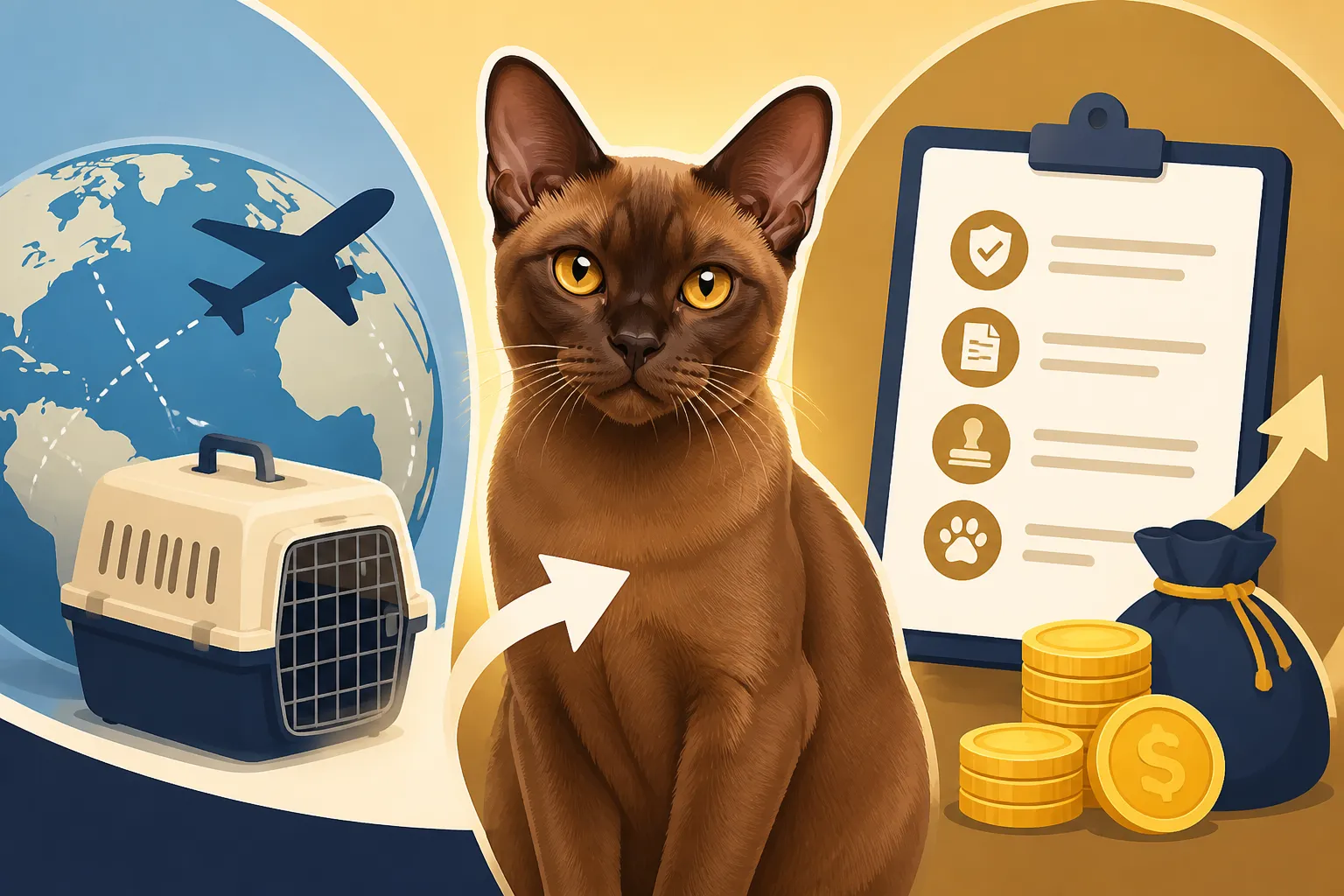
Beyond the basic application form, an imported Burmese often requires a stack of additional documentation. You'll typically need:
- Original Pedigree Certificate: This must be issued by the foreign registry. It’s crucial that this is the official document, not just a printout from the breeder's computer.
- Export Certificate: Some foreign registries require an official export certificate to be issued before a cat can be registered in another country. This confirms the cat is legitimate for international transfer.
- Transfer of Ownership Papers: Clearly showing that legal ownership has passed from the breeder to you.
- Microchip Documentation: Proof of microchipping, which is often a requirement for international travel and identification.
- Vaccination Records: Comprehensive records showing all vaccinations, especially rabies, which is mandatory for entry into most countries.
- Health Certificates: Any veterinary health certificates required for travel.
- DNA Test Results: Many reputable breeders will have done DNA testing for common Burmese health issues, and these results might be required or highly recommended by your domestic registry, especially for conditions like hypokalemia. How to Read a Burmese Hypokalemia Carrier Result can offer more insight into these tests.
Each of these documents needs to be carefully reviewed by the domestic registry. If they are in a foreign language, they might require official translation, adding another layer of cost and time. Any discrepancies or missing information can cause significant delays, sending you back and forth between your breeder and the registry. This isn't just bureaucracy for bureaucracy's sake; it's a critical process to prevent fraud and ensure that only genuinely purebred and healthy animals are admitted into the breed's official records, protecting the integrity of the lines for future generations.
The Financial Realities Beyond Initial Registration
The costs associated with an imported Burmese extend far beyond the initial purchase price and registration fees. Owning any purebred cat, especially one with specific genetic predispositions like the Burmese, comes with ongoing financial commitments. However, for an imported cat, some of these "hidden" costs can be exacerbated, requiring a more robust budget and careful planning.
Health Screening and Quarantine Expenses
Before your new Burmese even sets paw in your home country, there's a good chance it's already accrued significant health-related costs. Many countries have strict import regulations designed to prevent the spread of diseases. This often means mandatory veterinary examinations, specific vaccinations (like updated rabies shots), parasite treatments, and blood tests to confirm the cat is free from certain pathogens. For instance, depending on the country of origin and destination, a quarantine period might be required. While less common for cats than for some other animals, if a cat doesn't meet all the health requirements or comes from a high-risk area, a period of supervised isolation can be necessary. These quarantine facilities charge daily rates, and the stay can add up quickly.
Even if a formal quarantine isn't needed, the pre-travel vet visits, certifications, and government endorsements of health documents all come with fees. Once your cat arrives, it's highly recommended to have a local vet conduct a thorough check-up. This is not just for peace of mind, but also to establish a baseline of health in its new environment. They might want to run routine blood work, check for any travel-related stress issues, or confirm that all vaccinations are current according to local protocols. This initial flurry of vet visits and tests can easily add several hundred dollars to your initial costs. Remember, Which Diseases the Burmese Actually Carries makes clear the importance of these health checks.
Insuring an Internationally Recognized Breed
Pet insurance is a lifesaver for many cat owners, especially with breeds known for certain health predispositions. The Burmese, for example, has a higher rate of diabetes than many other breeds. How Much Higher the Burmese Diabetes Rate Really Is makes this clear. Securing a good pet insurance policy early is a smart move. However, insuring an imported Burmese, especially one of the European type which might be less common in your country, can present its own set of nuances.
Some insurance providers might have less data on the specific health profiles or average costs associated with a less prevalent type of Burmese. This could potentially influence premiums or even policy terms, although reputable insurers generally assess risk based on the breed as a whole. You'll want to carefully compare policies from various providers like Healthy Paws to ensure you get comprehensive coverage that doesn't exclude conditions specific to the Burmese breed or common travel-related issues. Be transparent with your insurer about the cat's imported status and its full pedigree. Many policies have waiting periods, so it's wise to get coverage in place as soon as possible after your cat arrives to avoid any gaps in protection should an unexpected illness or accident occur. This proactive approach ensures you're prepared for any health surprises down the road, and helps manage the overall What a Diabetes Prone Burmese Costs to Keep Every Year.
The Ongoing Cost of Maintaining Type
If you're importing a Burmese with the intention of breeding or showing, the "cost to register" takes on an entirely new dimension. Maintaining the distinct European type within a country predominantly focused on the American standard requires careful selection of future breeding partners. This might mean further imports of breeding stock, each incurring its own set of import and registration fees. The gene pool for European Burmese in certain regions can be quite small, which necessitates broader searches and potentially more expensive acquisitions to maintain genetic diversity and type integrity.
Even for a beloved pet, feeding a high-quality, species-appropriate diet is paramount for the Burmese's long-term health, particularly given its diabetes risk. Premium wet foods that are low in carbohydrates are often recommended for Burmese cats. Why Low Carbohydrate Food Matters for a Burmese explains the reasoning behind this dietary choice. While these aren't “registration” costs, they are ongoing expenses directly related to maintaining the health and vigor of your well-bred, imported feline. The sum total of these efforts, from meticulous pedigree registration to specific dietary management, ensures that your imported Burmese lives a long, healthy, and happy life, fulfilling the promise of its carefully preserved lineage.
| Factor | Domestic Burmese Registration | Imported Burmese Registration |
|---|---|---|
| Primary Registry | Local breed club/association | Foreign breed club/association (then transferred) |
| Application Fee | Standard pet registration fee | Higher "foreign import" fee |
| Pedigree Verification | Internal database check | International cross-reference, potentially with foreign registry contact |
| Required Documents | Breeder's application/certificate | Original foreign pedigree, export certificate, health certificates, microchip records, ownership transfer |
| Language Issues | None | Possible need for certified translations |
| Processing Time | Standard (weeks) | Longer, due to verification complexities (months) |
| Health Checks | Breeder provides initial vet check | Extensive pre-travel health certificates, post-arrival vet check, potential quarantine |
| Insurance Impact | Standard breed risk assessment | May require more detailed pedigree information for less common types |
Disclaimer
This article is for general informational purposes only and does not constitute professional advice. Laws, prices and regulations vary by location and change over time. Consult a qualified professional for guidance on your specific situation.