How Much Play a Burmese Still Demands at Ten
Even as our beloved Burmese cats gracefully enter their golden years, many owners find themselves wondering if their energetic companions will ever truly slow down. It’s a common frustration to see articles discussing senior cats dozing all day when your ten-year-old Burmese is still demanding interactive playtime and refusing to act its age. This guide will delve into why a ten-year-old Burmese still needs and thrives on active play, how to adapt activities for their comfort, and what their enduring kitten-like spirit truly means for their health and happiness.
The Enduring Kitten Spirit of a Ten-Year-Old Burmese
Burmese cats are known for their incredibly vivacious and youthful demeanor, a trait that often continues well into their senior years. While many breeds might be content with quiet naps and minimal interaction by the age of ten, a Burmese often acts as if it's still a boisterous youngster, keen to engage and explore. This isn't just a charming quirk; it's deeply ingrained in their personality and physical makeup. Owners frequently report that their A Burmese Is Still Playing at Fifteen, demonstrating just how long this playful nature lasts.
Why Burmese Remain Playful Longer
The fundamental reason Burmese cats remain playful for so much longer than many other breeds lies in a combination of their genetics and their profound need for social interaction. They are often described as "dogs in cat suits" due to their loyalty, trainability, and intense desire to be involved in whatever their humans are doing. This isn't a cat content to merely observe from a distance; they want to be participants, and play is one of their primary modes of participation. Their intelligence also plays a huge role. A smart cat needs challenges, and for a Burmese, those challenges often come in the form of interactive games and chasing toys.
Unlike some more aloof breeds, Burmese thrive on constant companionship and engagement. If you've ever had a Burmese, you know they tend to follow you from room to room, supervising your every move and demanding attention. This intense bond translates directly into their play habits. For them, playing with you isn't just about the physical exertion; it's a profound social ritual, a way to reinforce their connection and communicate their affection. They see you as their primary playmate, and as long as they have the physical capacity, they'll solicit that interaction daily.
Their lean, muscular build, often described as a "brick wrapped in silk," also contributes to their enduring athleticism. While a ten-year-old might not have the same explosive energy as a kitten, their underlying strength and agility allow them to maintain a higher level of physical activity compared to heavier, stockier breeds. This physical readiness, combined with their mental keenness, means they're always ready for a game, often surprising new owners who expect a more sedate senior cat. They're built for movement and interaction, and they'll happily leverage that build to keep the fun going.
The Importance of Sustained Mental Engagement
Play for a Burmese cat, especially one reaching its senior years, isn't just about physical exercise; it's a critical component of their mental well-being. These are highly intelligent animals who get bored easily. A bored Burmese is not a happy Burmese, and often, boredom can manifest in undesirable behaviors or even lead to anxiety. Continued play, especially games that involve problem-solving or hunting simulations, keeps their minds sharp and engaged, preventing cognitive decline that can sometimes affect older cats.
Think of it this way: if a human crossword puzzle enthusiast suddenly stopped doing puzzles, their cognitive function might dull over time. The same principle applies to a bright Burmese cat. Games that require them to think, strategize, and use their hunting instincts—even if it's just pouncing on a crinkly ball or figuring out a puzzle toy—provide essential mental stimulation. This kind of engagement helps reinforce neural pathways and keeps their senses active, contributing to a better quality of life as they age.
Moreover, the act of playing often involves anticipating your movements, reacting to a toy, and making decisions about how to "catch" their prey. This complex interplay of observation, prediction, and action is a powerful mental workout. It's why a Burmese will often appear to "think" about its next move during a game, rather than just blindly batting at something. Providing this consistent mental challenge helps to stave off the kind of mental lethargy that can sometimes accompany old age, ensuring your ten-year-old stays alert and engaged with its environment.
Spotting the Subtle Signs of a Playful Ten-Year-Old
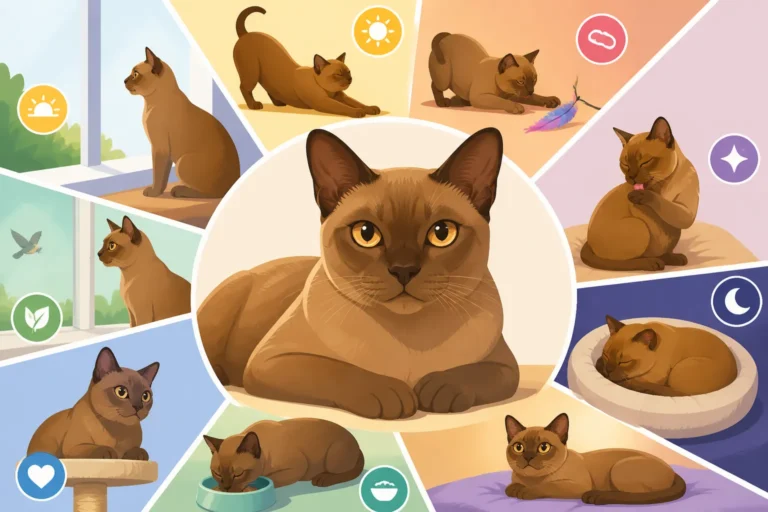
While a ten-year-old Burmese will certainly still be playful, their expressions of play might become a little more refined or even subtle compared to their kitten antics. You might not see them performing gravity-defying leaps as often, but the intent to play and engage will still be very much present. It’s about learning to recognize these evolving signals and understanding that their desire for fun hasn't waned, only perhaps matured. You might find yourself saying, "What a Burmese Is Still Doing at Twelve," marveling at their enduring youth.
One key indicator is their continued interest in interactive toys. They might not chase a laser dot across the room with the same frantic energy, but they'll still follow it with their eyes, twitch their tail, and perhaps make a low, rumbling sound of anticipation. When you bring out a favorite wand toy, you'll still see that glint in their eye and the familiar "hunt" posture, even if the pounces are a little closer to the ground. They might even just watch you move the toy, enjoying the mental engagement without needing to expend maximum physical effort.
Another subtle sign is their constant seeking of your attention and presence. A Burmese who still follows you around, head-butts your leg for pets, or jumps onto your lap for a cuddle is signaling their readiness for interaction, which often includes play. They might bring you a toy and drop it at your feet, then look at you expectantly. Even if they don't immediately launch into a full-blown play session, these are clear invitations. It's their way of initiating engagement, and sometimes, a short, focused play session is all they need to feel satisfied. Don't underestimate the power of these quiet overtures; they're just as indicative of their playful spirit as any energetic chase.
Tailoring Playtime to the Aging Burmese Body
As our Burmese friends reach ten years old, while their spirit remains youthful, their bodies do undergo natural changes. It’s crucial to adapt their playtime to accommodate these changes, ensuring that exercise remains beneficial and enjoyable without causing strain or discomfort. This means shifting from high-impact activities to more measured, thoughtful engagement. It’s about working with their aging bodies, not against them, to maintain their joy of movement and interaction.
Adapting for Joint Health and Mobility
One of the primary considerations for a ten-year-old Burmese is their joint health. While Burmese are generally robust, like any senior animal, they can start to experience the stiffness or minor aches that come with age. High jumps, sudden stops, and rapid twists can be harder on their joints than they once were. Therefore, play sessions should lean towards activities that are lower impact but still stimulating. Instead of encouraging them to leap onto tall cat trees, consider setting up ramps or steps to make elevated perches more accessible.
When using wand toys or laser pointers, focus on guiding the toy along the floor or up low surfaces. Encourage horizontal chases rather than vertical jumps. If your Burmese loves to pounce, keep the "prey" closer to the ground so they can practice their hunting instincts without needing to launch themselves high into the air. Observe their movements carefully; if they hesitate before a jump or seem stiff after a session, it's a clear sign to scale back the intensity and duration. Gentle, flowing movements are key to keeping their joints lubricated and comfortable.
Another helpful adaptation is to incorporate soft landings. If your Burmese does enjoy a moderate jump, ensure they land on a carpeted area, a soft bed, or a plush rug rather than hard flooring. This cushioning can significantly reduce the impact on their joints. Regular, short play sessions are often better than one long, intense one, allowing them to warm up slowly and cool down gracefully. Remember, the goal is sustained activity over their lifespan, not a few intense bursts that could lead to injury or discomfort later.
Managing Energy Levels Without Frustration
A ten-year-old Burmese will still have bursts of energy, but these might be shorter and more frequent, interspersed with longer periods of rest. It's important to respect these shifting energy levels to prevent frustration for both you and your cat. Pushing a senior cat to play longer or harder than they're comfortable with can lead to disinterest, or worse, aversion to playtime. The key is to be observant and responsive to their cues, ensuring every play session ends on a positive note.
Pay close attention to subtle signs of fatigue: panting (which is uncommon for cats and can indicate overexertion), lying down mid-play, or simply walking away from the toy. When you see these signals, it’s time to call it a day, or at least take a significant break. Short, frequent sessions throughout the day, perhaps 5-10 minutes each, might be more effective than one 20-minute marathon. This allows them to engage when they feel their best and recover fully before the next round of fun. How Much Play a Burmese Still Demands at Ten is still substantial, but it's segmented differently.
Furthermore, if your Burmese seems less inclined to chase, consider games that require less physical exertion but still engage their minds. For example, hiding treats around the house for them to sniff out, or using puzzle feeders, can be wonderfully stimulating without being physically demanding. This kind of play taps into their innate curiosity and problem-solving skills, satisfying their need for engagement even when their bodies aren't up for a high-octane chase. The goal is engagement, not exhaustion.
The Role of Play in Weight Management
Burmese cats are notoriously food-motivated, and as they age, their metabolism can slow down, making weight gain a real concern. Excess weight puts additional strain on their joints, exacerbates conditions like diabetes, and can generally reduce their mobility and quality of life. Consistent, appropriate playtime becomes a critical component of their overall health strategy, working hand-in-hand with Why Portion Control Is Medical Care in a Burmese.
Regular play helps burn calories and maintain muscle mass, both of which are vital for a healthy senior cat. A ten-year-old Burmese who remains active is much less likely to become overweight than one who transitions into a sedentary lifestyle. Even moderate activity, such as a daily session with a wand toy or exploring a new cardboard box tunnel, contributes significantly to their energy expenditure. This physical activity also helps to stimulate their metabolism, keeping their systems running more efficiently.
Beyond calorie burning, play also provides mental satisfaction that can reduce food-seeking behavior. A bored cat, especially a food-motivated Burmese, is more likely to beg for treats or overeat out of sheer ennui. Engaging them in regular play diverts their attention and fulfills their need for stimulation, making them less likely to turn to food as their sole source of entertainment. By keeping them active and engaged, you’re not just providing fun; you're actively supporting their long-term health and helping to ward off obesity-related issues like diabetes. It's a medical decision wrapped in a fun activity.
Interactive Toys and Activities for Senior Burmese
Even if your ten-year-old Burmese isn't climbing curtains anymore, their innate curiosity and intelligence mean they still need a varied selection of toys and activities to keep them happy and engaged. The market is flooded with options, but for an older Burmese, the focus should be on safety, mental stimulation, and low-impact physical activity. Finding the right tools can make all the difference in maintaining their playful spirit.
Wand Toys and Laser Pointers – Still Favorites?
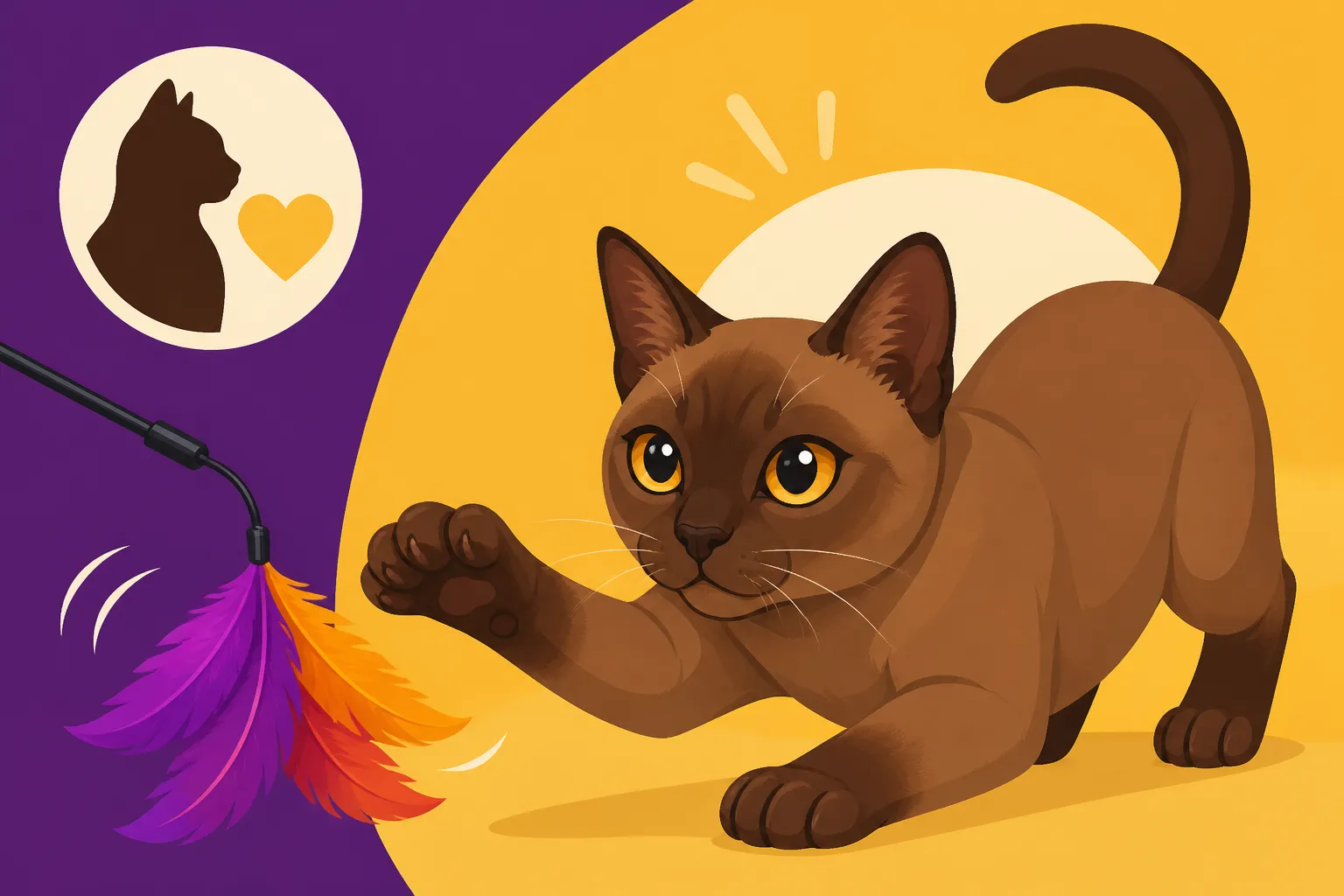
Wand toys remain a perennial favorite for many Burmese cats, and they are excellent for engaging a senior cat because you control the intensity and movement. You can make the "prey" dart and hide, mimicking natural hunting behaviors that are deeply satisfying for your cat, without requiring them to make explosive leaps. For a ten-year-old, focus on slower, more deliberate movements that allow them to stalk, pounce, and "catch" the toy with ease, rather than forcing them into high-speed chases.
Consider wand toys with different textures and attachments to keep things interesting. Feathers, crinkly materials, or soft fabric mice can all provide varied sensory experiences. Pay attention to which textures or movements your individual Burmese responds to best. The key is interaction with you; the wand toy becomes an extension of your playful bond. Make sure to let them "catch" the toy frequently, as successful hunting is crucial for their satisfaction and builds their confidence, rather than leaving them frustrated by an uncatchable target.
Laser pointers can still be used, but with a critical caveat: always end the session by directing the laser onto a physical toy or treat that your Burmese can actually "catch." Chasing an uncatchable red dot can be incredibly frustrating for a cat, especially an intelligent one like a Burmese, leading to neurotic behaviors. By providing a tangible reward at the end, you fulfill their hunting instinct and prevent stress. Again, keep the movements low and slow, allowing them to track the dot and then successfully pounce on the real prize. You can find a great variety of safe, engaging wand toys and laser pointers on Amazon, ensuring there's something to pique every senior Burmese's interest.
Puzzle Feeders and Food-Motivated Play
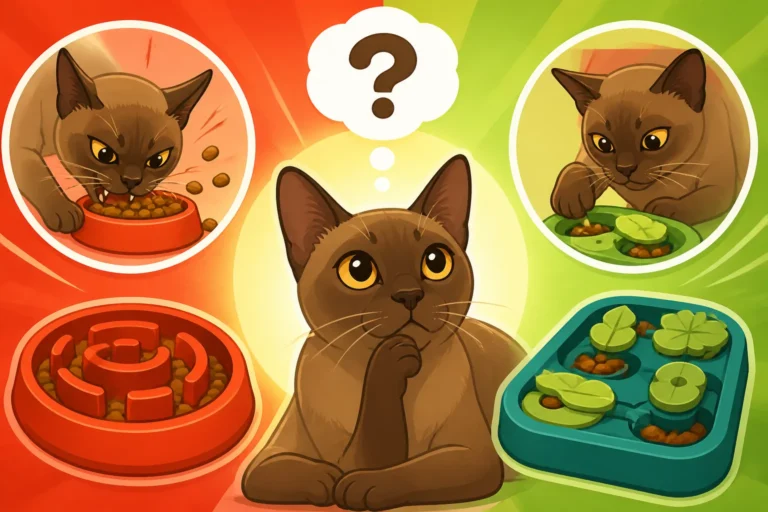
Given the Burmese's legendary appetite and intelligence, puzzle feeders are an absolute goldmine for enriching their lives, particularly as they age. These toys require your cat to use their brains and paws to extract treats or a portion of their regular meal, turning mealtime into a stimulating game. This not only provides mental exercise but also slows down their eating, which can be beneficial for digestion and weight management. Which Puzzle Feeder Slows a Greedy Burmese Down is a topic many Burmese owners investigate for good reason.
Start with simple puzzle feeders that have clear openings or easy mechanisms, gradually increasing the complexity as your Burmese masters them. There are many options available, from simple treat balls that dispense kibble as they roll, to more intricate mazes and sliding puzzles. Placing a portion of their daily kibble or a few low-calorie treats inside means they're working for their food, mimicking natural foraging behavior that keeps them engaged and prevents boredom. This kind of activity can be particularly good for Caring for a Burmese Past Twelve, offering enrichment when they might be less inclined to chase.
Beyond commercially available puzzle feeders, you can get creative with household items. A toilet paper roll with small holes cut into it and sealed ends, containing a few treats, can be a simple DIY puzzle. Hiding small portions of their food in different locations around the house (if you only have one cat or can manage feeding times for multiple cats) encourages exploration and sniffing, engaging another set of their senses. This food-motivated play is incredibly satisfying for a Burmese and can be tailored to their energy levels, providing mental stimulation without heavy physical demands. Again, a quick search on Amazon will reveal a plethora of puzzle feeder designs suitable for cats of all ages and skill levels.
Creating an Enriching Indoor Environment
An enriching indoor environment is crucial for any cat, but especially for a senior Burmese who might be spending more time indoors and benefit from gentle stimulation. This doesn't mean turning your home into a jungle gym; it means strategically placing items and creating opportunities for exploration that cater to their changing physical abilities. A well-designed environment can encourage natural play, climbing (within reason), and observation.
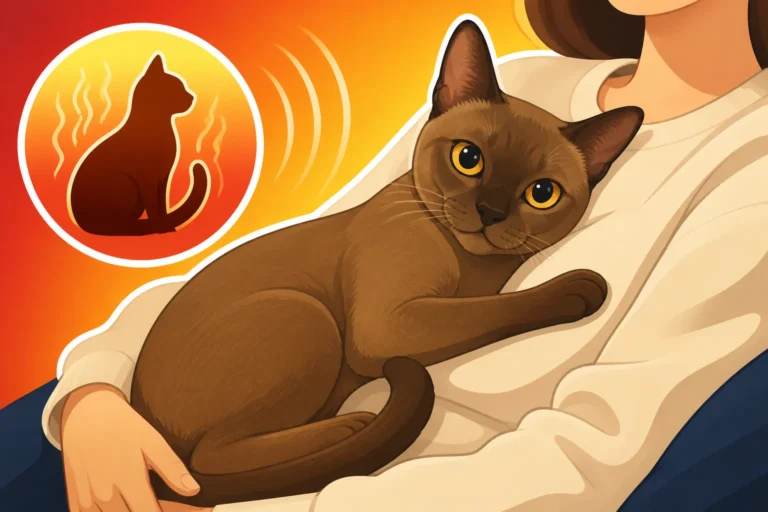
Vertical space is still important, even for an older cat. While high jumps should be minimized, providing cat trees with multiple levels, ramps, or sturdy steps allows them to access elevated perches where they can survey their territory. Burmese cats love being high up and observing, so windows with safe, comfortable perches are always a hit. Ensure these perches are stable and easy for them to get on and off, perhaps with a soft blanket for extra comfort, especially since a Why a Short Coated Burmese Seeks Body Heat more readily.
Beyond vertical space, consider elements that encourage exploration and provide hiding spots. Cardboard boxes, paper bags (handles removed for safety), and tunnels can offer endless hours of "hide and pounce" play or simply provide a secure spot for a nap. Rotating toys, bringing out different types each week, keeps their environment fresh and interesting. Even simply leaving a novel item, like a crinkly piece of paper or a new blanket, for them to investigate can provide a burst of mental engagement. Remember, a stimulating environment helps your Burmese feel secure, happy, and continually engaged with their world. You can find some fantastic cat tunnels and soft, cozy beds on Amazon that are perfect for encouraging gentle exploration and providing warm spots.
Recognizing Changes in Play Behavior and When to Seek Help
While a ten-year-old Burmese generally remains remarkably playful, any significant or sudden change in their play behavior should be noted and investigated. It’s easy to dismiss a decrease in activity as "just old age," but for a breed known for its enduring vitality, a marked shift could be a red flag for an underlying health issue. Being attuned to these changes is a crucial part of responsible senior cat care.
Decreased Play as a Sign of Underlying Health Issues
A sudden or noticeable decline in a Burmese's desire to play is often one of the first indicators that something isn't quite right. Unlike some cats that might vocalize pain, a Burmese might simply withdraw or show less enthusiasm for activities they once loved. This isn't just about losing interest; it could be a sign of discomfort, pain, or a systemic illness that's draining their energy. Remember, Why a Burmese Hides Illness Behind Its Affection, so a change in behavior like reduced play is often their subtle way of communicating distress.
Conditions such as arthritis, dental disease, or even early-stage organ issues can significantly impact a cat's willingness and ability to play. If moving around causes them pain, they will naturally avoid activities that exacerbate it. Dental pain, for example, can make them less eager to pounce on a toy with their mouth, or simply make them feel generally unwell. Even something as subtle as a slight fever or nausea can sap their energy and enthusiasm for play. Therefore, if your typically playful ten-year-old suddenly becomes more sedentary, it’s not an excuse to skip playtime but rather a signal to schedule a vet visit.
It's also worth noting that some metabolic diseases, like diabetes (to which Burmese are predisposed), can cause lethargy. If your Burmese suddenly seems less energetic, drinks more water, or has changes in appetite, it's particularly important to get them checked. A comprehensive veterinary exam can identify these issues early, allowing for timely intervention and treatment, which can often restore their energy and zest for play. Ignoring these signs could allow a treatable condition to progress, impacting their quality of life.
Distinguishing Age-Related Slowness from Pain
Differentiating between normal age-related slowing and discomfort due to pain can be tricky, but it's a vital skill for any Burmese owner. While an older cat might move a bit slower, take more naps, or not jump as high, pain manifests differently. Pain typically causes a reluctance to move or a change in the quality of movement, whereas normal aging is more about a decrease in capacity. How Arthritis Shows in a Burmese That Still Plays can be very subtle, for example.
If your Burmese shows stiffness after resting, hesitates before jumping or using the litter box, or seems uncomfortable when touched in certain areas, these are strong indicators of pain, not just aging. A cat in pain might also change its posture, walk with a subtle limp, or even groom less frequently in areas that are hard to reach due to stiffness. Watch for signs like a hunched back, a tucked tail, or an unwillingness to stretch fully. These are often subtle but consistent over time.
A true age-related slowdown would see your Burmese still engaging in play, but perhaps for shorter durations or with less intensity, without showing obvious signs of discomfort during the activity itself. They might simply run out of steam faster. However, if they actively avoid certain movements, vocalize (even a soft grumble) when handled, or become irritable when you try to engage them in play, it’s highly likely pain is involved. When in doubt, it's always best to err on the side of caution and consult your veterinarian.
The Vet's Role in Maintaining a Playful Senior Burmese
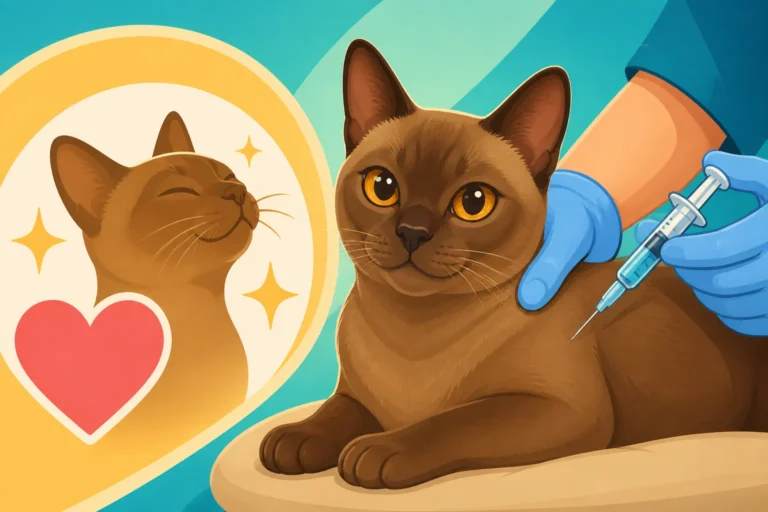
Your veterinarian is your most important partner in ensuring your ten-year-old Burmese remains playful and healthy into their golden years. Regular veterinary check-ups are paramount, especially as cats age, because many age-related conditions can be managed or slowed if caught early. Don't wait until you notice a significant decline; proactive care is the best strategy.
During these annual (or sometimes bi-annual for seniors) visits, your vet can conduct a thorough physical examination, checking for signs of arthritis, dental disease, and other common senior ailments. They might recommend blood work to check organ function, particularly kidneys and thyroid, and to screen for diabetes. Discuss any changes in your cat's behavior, appetite, water intake, or litter box habits, no matter how small they seem. Your observations are invaluable in helping your vet piece together a complete picture of your cat's health.
If pain or other conditions are identified, your vet can recommend appropriate treatments, whether it's pain medication for arthritis, dental procedures, or dietary changes. Often, managing chronic pain can dramatically improve a senior cat's quality of life and revive their playful spirit. Don't hesitate to ask your vet about ways to support your Burmese's joint health, such as supplements or specific diets. Working collaboratively with your vet ensures that your ten-year-old Burmese receives the best possible care, allowing them to enjoy their golden years with as much joy and playfulness as possible.
The Social Aspect of Play for the Burmese
For a Burmese cat, play is rarely a solitary endeavor. It's intrinsically linked to their deeply social nature and their bond with their chosen family, whether that's you, other cats, or even a very patient dog. This breed thrives on interaction, and playtime serves as a crucial channel for that connection, especially as they get older. Understanding this social dimension of their play can help you keep them engaged and content.
The Human-Cat Bond Through Play
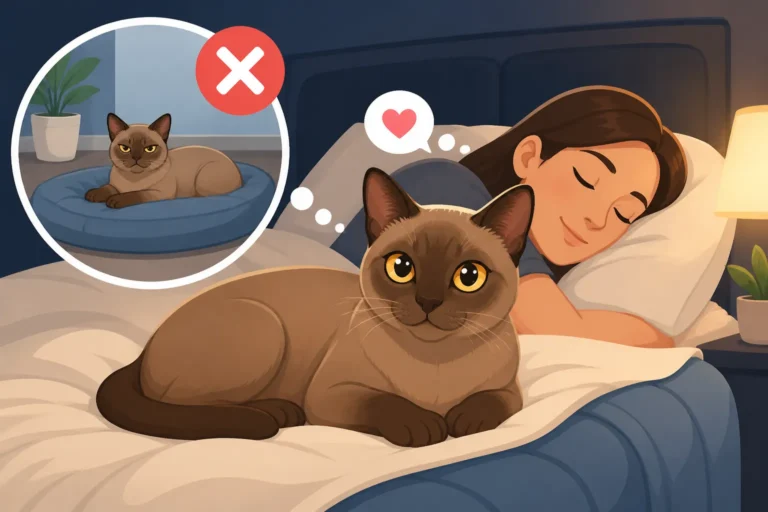
For a Burmese, engaging in play with their human is more than just burning off energy; it's a profound act of bonding. They are the "Velcro cats" of the feline world, constantly seeking proximity and interaction. When you take the time to play with your ten-year-old Burmese, you're not just exercising their body; you're nurturing their soul and reinforcing the deep connection you share. This is why Why a Burmese Cannot Let You Leave the Room is such a common experience for owners.
Interactive play, particularly with wand toys or games of fetch, mimics the predator-prey dynamic that is hardwired into their instincts. When you facilitate this "hunt" and allow them to "capture" their prey, you are fulfilling a fundamental need in a safe, controlled environment. The shared experience, the focused attention, and the ultimate satisfaction of the "kill" (even if it's just a feather toy) strengthens their trust and affection for you. It tells them you are a partner in their world, not just a provider of food.
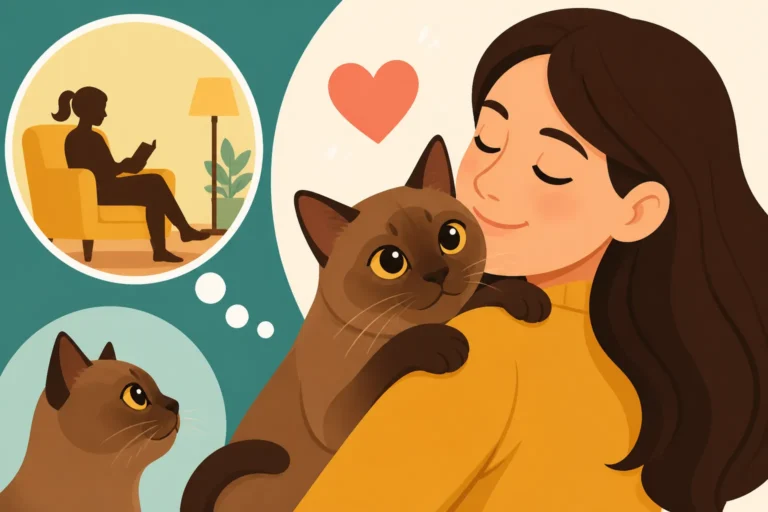
Even a short, dedicated play session of 5-10 minutes a few times a day can have a tremendous impact on their emotional well-being. It prevents boredom, reduces anxiety, and keeps them feeling loved and valued. You might notice that after a good play session, your Burmese is more content, more affectionate, and less prone to attention-seeking behaviors. It’s a powerful investment in their happiness and a testament to the unique bond you share. This social play is a primary reason Why an Old Burmese Still Wants a Lap for cuddles and connection after their energy has been spent.
Play with Other Pets – Gentle Companionship
If your ten-year-old Burmese shares their home with other pets, play with their animal companions can still be a source of joy and activity. While a senior Burmese might not engage in rough-and-tumble play with a rambunctious kitten, they often thrive on the gentle companionship and subtle interactions that another cat or a cat-friendly dog can provide. This is often why Why a Burmese Breeder Recommends Buying a Pair in the first place.
Many Burmese, even as they age, enjoy chasing and wrestling with another cat, especially if they grew up together. The intensity might decrease, but the desire for that social play remains. They might engage in "mock hunts," chasing each other through tunnels, or simply enjoy mutual grooming sessions that mimic the social bonding of play. The presence of another cat can keep them mentally stimulated and physically active in ways that a human alone cannot always provide. It's a constant, low-level source of enrichment.
Similarly, a well-socialized, calm dog can be a wonderful companion for a playful Burmese. Many Burmese cats will form strong bonds with dogs, enjoying gentle games of chase or even snuggling up for naps. It's not uncommon to see a Burmese initiate play with a dog by batting at its tail or nudging it to move. The key is to ensure the other pet is tolerant and understands the Burmese's play style, especially as the Burmese ages and needs gentler interactions. The dynamic interplay with another animal friend provides consistent stimulation and prevents loneliness, which is vital for a highly social breed like the Burmese.
Why Two Burmese Still Play Together
The recommendation to get two Burmese cats is not just a breeder's preference; it's rooted in their profound need for companionship and play, a need that doesn't diminish with age. Even at ten years old, two Burmese cats living together will often engage in play that keeps both of them mentally and physically active, sometimes more so than if they were single cats relying solely on human interaction.
When two Burmese cats share a home, they provide a constant source of entertainment and stimulation for each other. They chase, wrestle, stalk, and groom each other, often engaging in playful skirmishes that keep their minds sharp and their bodies moving. These interactions are often self-regulating; if one cat is feeling less energetic, the other might initiate a gentler form of play, or they'll simply enjoy each other's presence without intense activity. This continuous, natural interaction is invaluable for maintaining their youthful spirit.
Moreover, having a companion means they are rarely truly alone, even if their humans are busy or out of the house. This reduces the risk of boredom and anxiety, which can often manifest as destructive behaviors or even health problems in a single, lonely Burmese. A pair ensures a built-in playmate and companion, allowing them to fulfill their social and playful instincts on their own terms. Even in their senior years, the sight of two Burmese cats playfully wrestling or chasing each other through the house is a common and heartwarming one, demonstrating that their need for social play is truly lifelong. Why a Burmese Should Never Be an Only Cat is a lesson many owners learn, and it applies just as much to senior Burmese as to kittens.
Disclaimer
This article is for general informational purposes only and does not constitute professional advice. Laws, prices and regulations vary by location and change over time. Consult a qualified professional for guidance on your specific situation.