Why a Burmese Kitten Mouths Your Hands
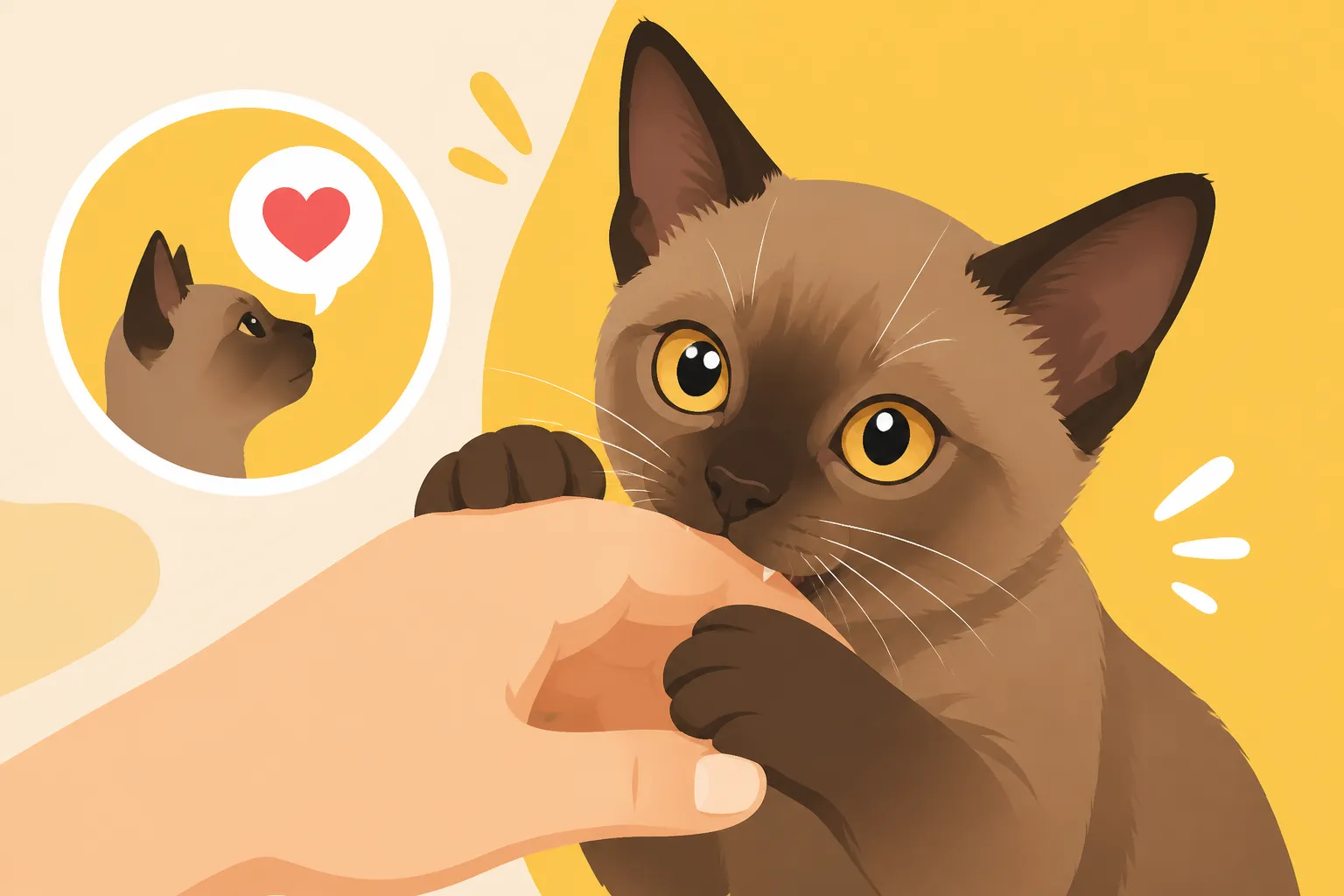
It's incredibly common to experience the surprise of a Burmese kitten using your hands and fingers as their favorite chew toy. One minute they're purring and kneading, the next they've got your thumb firmly between their teeth, not quite biting hard, but certainly making their point! This can be both endearing and a little startling, leaving you wondering if it's normal behavior or if you've got a tiny tiger on your hands. Rest assured, this guide will delve deep into why your Burmese kitten is mouthing your hands, distinguish between playful nips and actual aggression, and provide you with actionable, empathetic strategies to gently redirect this instinctual behavior into appropriate outlets, ensuring a happy, well-adjusted companion.
Understanding Why Your Burmese Kitten Mouths
That little furry bundle of energy isn't trying to hurt you, even if it feels that way sometimes! Their mouthing is a complex mix of instinct, curiosity, and learning, all rolled into one adorable, albeit sometimes sharp, package. It's a fundamental part of how they explore their world and interact with it, especially in their early months.
The Role of Instinct and Exploration
Think about a wild cat – every single one, from the mighty lion to your domestic house panther. They explore their environment with their mouths. A new object isn't just looked at; it's sniffed, pawed, and often, given a tentative mouth or nibble. For a kitten, their mouth is a primary tool for understanding textures, temperatures, and shapes. Your hands, with their unique combination of warmth, movement, and interesting nooks and crannies, become a fascinating landscape for them to investigate. They're not being malicious; they're simply being cats, processing information the way nature designed them to.
Furthermore, Burmese cats are known for their incredibly tactile and interactive nature. They are often described as "dog-like" because of their desire for constant interaction and physical closeness. This means they are far more likely to engage with you physically than many other breeds. Where another cat might bat at a toy, a Burmese might try to "catch" your hand with its mouth, driven by that strong predatory instinct. This leads to a lot of playful wrestling and mock hunting, where your hands are the unwitting prey. This strong bond and interactive personality, which makes them such wonderful companions, also means they naturally include you in their play, which often involves mouthing. Why a Burmese Is Called a Dog in a Cat's Body perfectly encapsulates this intense need for connection.
Teething and Oral Development
Just like human babies, kittens go through a teething phase. While it's not as dramatically painful as it can be for puppies, kittens still experience discomfort as their sharp baby teeth fall out and their permanent adult teeth emerge. This process typically starts around three to four months of age and can last for a couple of months. During this time, they have an innate urge to chew and mouth on things to relieve the pressure and soreness in their gums.
Your hands, once again, might seem like the perfect chewing aid. They're soft enough to provide comfort but firm enough to offer resistance. If your kitten is in this age range and suddenly seems more interested in mouthing everything, including you, it's highly likely teething is playing a significant role. Providing appropriate chew toys specifically designed for teething kittens can be a lifesaver, redirecting their attention from your fingers to something more suitable. Without proper outlets, your kitten will naturally gravitate towards the most accessible "chew toy" – often your unsuspecting hand.
Missing Early Bite Inhibition Lessons
Perhaps one of the most crucial reasons Burmese kittens, or any kitten for that matter, mouth hands is due to a lack of proper bite inhibition training from their mother and littermates. In an ideal world, kittens learn this vital lesson during their first few months of life. When a kitten plays too roughly with a sibling, the sibling will yelp and stop playing, teaching the aggressor that biting too hard ends the fun. The mother cat also plays a crucial role, correcting overly enthusiastic play with a firm paw or a growl, teaching her kittens appropriate boundaries.
However, sometimes kittens are separated from their mothers and siblings too early, before these critical social lessons are fully ingrained. This can happen in rescue situations, or sometimes, less scrupulous breeders might let kittens go too soon. A Burmese kitten typically stays with its mother and siblings until at least 12-13 weeks of age, ensuring they've had ample time for this crucial socialization. Why a Burmese Kitten Stays Until It Is Socialized highlights the importance of this period. If your kitten came to you earlier, or was an only kitten, it might have missed out on these vital lessons, and now it's up to you to gently teach them what's acceptable. Your hands, unfortunately, become the stand-in for their littermates in these learning exercises.
Differentiating Playful Mouthing from Aggressive Biting
It’s important to understand the difference between a kitten's natural play behavior, which often includes mouthing, and genuine aggression. While both involve teeth and sometimes claws, the context, body language, and intent are vastly different. Misinterpreting one for the other can lead to ineffective training or even exacerbate behavioral issues.
Signs of Playful Mouthing
When your Burmese kitten is being playfully mouthy, their overall demeanor will generally be relaxed and engaging. Their body language is a huge giveaway. They might approach you with a wiggling bottom, pounce playfully, or even roll onto their back, exposing their belly—a classic invitation to play. The actual mouthing itself tends to be softer, more exploratory, and less forceful. It often involves repeated, gentle nips rather than a sustained, hard bite. Think of it as a warning or an attempt to "catch" rather than to harm.
Here are some tell-tale signs:
- Relaxed Body Language: Their ears will be forward or slightly to the side, not flattened back. Their tail might be swishing gently or held high, not thrashing wildly. Their pupils might be dilated, indicating excitement, but their overall posture isn't stiff or tense.
- "Soft Mouth": The pressure of the bite is controlled. It might feel uncomfortable, especially with sharp kitten teeth, but it doesn't break the skin or cause immediate pain. They might hold your hand gently in their mouth without really clamping down.
- Playful Context: The mouthing occurs during interactive play sessions, especially when you're wiggling your fingers or hands. It's often accompanied by gentle bunny kicks with their back feet. This is how they would play with their siblings, practicing their hunting skills. How Hard a Burmese Kitten Plays at Four Months perfectly describes this stage of intense, physical play.
- Retracts Quickly: If you yelp or pull your hand away, they often release immediately, sometimes looking a little confused or surprised. They aren't trying to maintain the grip to inflict damage.
Identifying Aggressive Biting
True aggression, even in a small kitten, is a different beast entirely. It's usually a response to fear, pain, stress, or territoriality. While less common in Burmese kittens, given their generally sweet disposition, it's vital to recognize the signs if they do occur. An aggressive bite is intended to cause harm or drive something away.
Look out for these alarming signals:
- Stiff, Tense Body Language: Ears flattened against their head, pupils wide or constricted into slits, hackles raised (though harder to see on a short-coated Burmese). Their body will be rigid, poised to strike, or cowering in fear.
- Hissing or Growling: A clear vocal warning before or during the bite. This is a definitive sign of distress or intent to harm.
- Hard Bite Pressure: The bite is sustained, often breaks the skin, and is delivered with significant force. They might clamp down and hold on, not releasing even if you try to pull away.
- Swatting with Claws Extended: If the bite is accompanied by unsheathed claws striking out, especially if they dig in.
- Context of Fear or Pain: The aggression might arise if the kitten feels cornered, is handled roughly, or is experiencing pain. For example, if you touch a sore spot or surprise them from behind.
- Lack of Immediate Release: Unlike playful mouthing, an aggressive kitten might not immediately release its grip if you yelp. It's a defensive or offensive action rather than a game.
If you suspect true aggression, it's critical to stop the interaction immediately and consult with your veterinarian to rule out pain or underlying medical issues. If health is clear, a certified feline behaviorist can help you address the root cause of the aggression.
Gentle Strategies to Redirect Mouthing Behavior
The good news is that mouthing, when it's playful, is a natural and trainable behavior! Your Burmese kitten just needs to learn what's okay to chew and how gently they can use their mouth. Consistency and positive reinforcement are your best friends here. The goal isn't to stop them from mouthing entirely, but to redirect that urge onto appropriate toys and interactions.
The "Yelp and Withdraw" Method
This is probably the most effective initial strategy, mimicking how their littermates would teach them bite inhibition. The moment your kitten's teeth touch your skin with more than gentle pressure, react immediately.
- Emit a high-pitched "Yelp!" or "Ouch!": Make it sound like you've been hurt, even if it's just a nip. This startling noise often surprises the kitten and mimics the sound a littermate would make when play gets too rough.
- Immediately withdraw your hand: Pull your hand away, completely ending the interaction.
- Ignore for a short period: Turn your back, walk away, or even leave the room for a minute or two. The key is to convey that rough play stops the fun. Burmese cats thrive on interaction, so losing your attention, even briefly, is a powerful deterrent. This teaches them that biting you means the game is over. If you continue to engage, even to scold, you're still giving them attention, which can be seen as a reward.
Repeat this every single time the mouthing goes beyond an acceptable gentle touch. Consistency across all household members is paramount for this method to work. If one person allows it and another doesn't, the kitten will get mixed signals and take longer to learn. Stopping a Burmese Kitten Mouthing in Play delves further into this technique.
Providing Appropriate Chew and Play Toys
This is where you get to be creative! Since your kitten has a strong instinct to mouth and play, you need to provide compelling alternatives. Their natural hunting drive needs an outlet, and toys are the answer.
- Wand Toys: These are fantastic because they create a safe distance between your hands and the play. Feather wands, crinkle balls on a string, or even just a sturdy rod with a piece of fabric tied to it can become their favorite "prey." Wiggle it, drag it, make it fly, and let them chase, pounce, and "kill" the toy. This fulfills their predatory instincts without involving your skin. You can find a fantastic array of wand toys on Amazon, from feather teasers to crinkle balls on a string, all designed to engage their predatory instincts safely. Which Wand Toys Hold a Burmese's Attention offers many great ideas.
- Sturdy Chew Toys: Look for durable, cat-safe chew toys – often found in the kitten section on Amazon – that can withstand vigorous chewing without posing a choking hazard. Some kittens love rubbery toys, others prefer textured fabric toys. Experiment to find what your kitten enjoys. If they're teething, a toy designed for oral relief might be particularly appealing.
- Puzzle Feeders: For those moments when you can't actively play, a puzzle feeder, readily available on Amazon, can be a brilliant way to channel that mental and physical energy into a positive activity. They have to work for their food, which engages their minds and paws, distracting them from unwanted behaviors.
- Rotation: Keep a variety of toys and rotate them regularly to keep things fresh and interesting. A "new" toy every few days can maintain their enthusiasm and prevent boredom, which can sometimes lead to unwanted mouthing behaviors.
Redirecting and Positive Reinforcement
When your kitten starts to mouth your hand, immediately present an appropriate toy. If they redirect their attention to the toy and engage with it, praise them enthusiastically! "Good kitty! Yes, play with the toy!" You can also offer a tiny, soft treat as a reward for playing with the toy instead of your hand.
The goal is to teach them: "Hands are for petting, toys are for biting and playing."
- Hands-Off Play: Make a conscious effort to engage in play that doesn't involve your hands as the primary target. Use kickers, laser pointers, or toys you can toss. If you do use your hand to initiate play, ensure you're holding a toy between your hand and the kitten.
- Gentle Petting: When petting your Burmese, pay attention to their cues. If they start to get overstimulated or tense up, stop petting before they resort to mouthing. End the interaction on a positive note.
- Consistent Boundaries: Every person who interacts with the kitten needs to follow the same rules. If one person allows the kitten to mouth their hands, it undermines the training for everyone else. This is especially important in households with children or guests; make sure they understand the rules too. Burmese are incredibly social and loving, and they love all members of the household, so teaching everyone the boundaries is vital. Why a Burmese Treats Children and Dogs as More Company means they'll interact with everyone!
Creating an Enriching Environment
A bored kitten is often a mischievous kitten. Ensuring your Burmese has a stimulating environment can go a long way in preventing unwanted behaviors like excessive mouthing.
- Vertical Space: Cats love to climb. Investing in sturdy cat trees, wall shelves, or window perches gives them vertical territory to explore and exercise. If your kitten isn't getting enough appropriate outlets, consider investing in sturdy scratching posts or cat trees (many great options on Amazon) to give them vertical territory and a place to scratch and climb.
- Scratching Posts: Provide a variety of scratching surfaces – sisal rope, cardboard, carpet – in different orientations (vertical and horizontal). This helps them maintain their claws and satisfies another instinctual urge.
- Interactive Play Sessions: Dedicate at least two to three short but intense play sessions a day (10-15 minutes each). These should mimic hunting sequences: stalk, pounce, "kill," and then a small treat as a "reward" for their hunt. This drains their energy and satisfies their predatory drives. How Many Play Sessions a Burmese Asks For will give you an idea of their needs.
- Companion Cat: Burmese cats are notoriously social and thrive on companionship. Often, one of the best "solutions" for a kitten that incessantly mouths you is another playful kitten! They can redirect all that physical play energy onto each other, learning bite inhibition in the process. Many Burmese breeders will strongly recommend acquiring two kittens together for this very reason. Why Burmese Breeders Sell Them in Pairs explains this reasoning perfectly. Two Burmese kittens can entertain each other endlessly, reducing the chances of your hands becoming their main plaything.
When to Seek Professional Guidance
While playful mouthing is usually a normal part of kittenhood that can be redirected with patience and consistency, there are times when it might escalate or indicate a deeper issue. Knowing when to reach out for professional help is crucial for your kitten's well-being and your peace of mind.
Persistent, Hard Biting
If, despite consistent application of the redirection techniques, your Burmese kitten continues to bite hard enough to break the skin, draw blood, or cause genuine pain, it's time to seek help. This isn't just playful mouthing anymore; it's a behavior that needs more targeted intervention. A kitten that consistently bites hard is either not understanding the boundaries, or there's an underlying cause driving the behavior. This is especially concerning if the bites seem unprovoked or happen outside of clear play contexts.
For instance, if you simply walk past your kitten and it lunges and bites your ankle, that's very different from a play bite during a wand toy session. Or if, after the "yelp and withdraw" method, your kitten actually increases the intensity of its biting, it might be a sign of frustration or something more. Don't feel like a failure if you reach this point; some kittens simply need extra help, and it's a sign of a responsible owner to recognize that need.
Signs of Fear or Anxiety
Sometimes, what appears to be aggression or excessive mouthing can stem from fear or anxiety. A fearful kitten might lash out when feeling threatened, cornered, or overwhelmed. Instead of a playful nip, you might notice tense body language, hissing, growling, or attempts to flee that turn into defensive bites if blocked.
Consider these scenarios:
- New Environment Stress: If the kitten is new to your home, it might still be adjusting and feeling insecure. Mouthing could be a stress response.
- Traumatic Past: While Burmese are generally resilient, a kitten with a difficult past (e.g., prior neglect, mishandling) might be more prone to fear-based aggression.
- Overstimulation: Some kittens can get overstimulated very easily. Too much petting, too much noise, or too much activity can tip them over the edge, leading them to lash out with their mouths as a way to say, "Stop!"
- Separation Anxiety: While often manifesting as destructive behavior or excessive vocalization, extreme anxiety, such as What Separation Anxiety Looks Like in a Burmese, could potentially lead to frustration-based mouthing. If your kitten is left alone for long periods and then acts out when you return, this could be a factor.
If you observe frequent signs of fear (cowering, hiding, flattened ears, dilated pupils) or anxiety in conjunction with the mouthing, consult your veterinarian. They can rule out any medical causes for the fear and, if needed, refer you to a veterinary behaviorist who specializes in addressing complex behavioral issues rooted in anxiety.
Consulting a Feline Behaviorist
A certified feline behaviorist (different from a regular dog trainer) has specialized knowledge in cat behavior and can help pinpoint the exact cause of the mouthing and develop a tailored modification plan. They can observe your kitten's interactions, assess its environment, and help you understand the nuances of its body language.
They might suggest:
- Environmental modifications: Changing the layout of your home, adding more enrichment, or adjusting feeding routines.
- Advanced training techniques: Beyond simple redirection, they can teach you more sophisticated ways to manage and modify the behavior.
- Medication (in rare, severe cases): For extreme anxiety or fear-based aggression, a vet behaviorist might consider anti-anxiety medication as part of a comprehensive behavior modification plan. This is usually a last resort, but an important tool when needed.
Remember, seeking professional help isn't a sign of failure; it's a commitment to providing your beloved Burmese kitten with the best possible chance at a happy, well-adjusted life. Early intervention is always best when dealing with any behavioral concerns.
| Playful Mouthing Characteristics | Aggressive Biting Characteristics |
|---|---|
| Relaxed body language | Stiff, tense body, flattened ears |
| Pouncing, wiggling, rolling | Hissing, growling, swatting with claws |
| Controlled, gentle nips | Hard, sustained bites; breaks skin |
| Quick release upon "yelp" | May hold on or re-engage |
| Occurs during active play | May be unprovoked or fear-induced |
| No visible injury | Often causes visible injury |
| Kitten seeks continued interaction | Kitten seeks to escape or drive away |
Disclaimer
This article is for general informational purposes only and does not constitute professional advice. Laws, prices and regulations vary by location and change over time. Consult a qualified professional for guidance on your specific situation.