Which Toothpaste a Burmese Will Actually Accept
If you've ever tried to brush your Burmese cat's teeth, you know it can feel like trying to negotiate a peace treaty with a tiny, furry dictator. The grimaces, the head shakes, the sheer indignity they display when a foreign object with a strange smell approaches their precious choppers – it’s a familiar struggle. But maintaining your beloved Burmese's oral hygiene is crucial for their overall health, and a big part of that battle is finding a toothpaste they'll actually tolerate. This guide is here to help you navigate the confusing world of feline dental products to find a toothpaste that won't turn brushing into a wrestling match.
The Daily Dental Dilemma: Why Your Burmese Needs Brushing
It's easy to overlook dental care for our feline friends, especially when they seem perfectly happy and healthy. Outwardly, your Burmese might be purring contentedly on your lap, showering you with affection, and playing with endless kitten-like energy. But beneath that beautiful, satin coat and charming demeanor, trouble can be brewing in their mouth. Dental disease is shockingly common in cats, often starting subtly and progressing silently until it becomes a painful and serious issue. Brushing your Burmese's teeth regularly is one of the most impactful things you can do to prevent these problems from taking hold.
The Silent, Sneaky Threat of Feline Dental Disease
Cats are masters of disguise when it comes to pain or discomfort. They instinctively hide any signs of illness, a trait that goes back to their wild ancestors who couldn't afford to show weakness. This means that by the time you notice your Burmese having difficulty eating, bad breath, or pawing at their mouth, the dental disease has often advanced significantly. Plaque, a sticky film of bacteria, constantly forms on their teeth. If not removed, it hardens into tartar, leading to gingivitis (inflammation of the gums) and eventually periodontal disease, which can cause painful infections, tooth loss, and even impact their kidneys, heart, and liver if bacteria enter the bloodstream. It's a truly silent killer, quietly undermining their health while they bravely carry on as if nothing is wrong. Regular brushing is your proactive defense.
Preventative care is far less invasive and stressful (for both of you!) than dealing with extractions or other dental procedures down the line. Starting early, even with a kitten, can set them up for a lifetime of better oral health and make the process much more manageable. Think of it as investing in their long-term comfort and well-being, avoiding the heartbreaking scenario of discovering advanced dental issues when it’s already causing them significant pain.
Why the Burmese Is Especially Prone to Gum Issues
While all cats can develop dental problems, some breeds have predispositions, and the Burmese is one of them. Owners often notice that their Burmese cats tend to have receding gums earlier in life compared to other breeds. This isn't just an aesthetic concern; receding gums expose the sensitive roots of the teeth, making them more vulnerable to plaque buildup, decay, and discomfort. This can escalate the risk of periodontal disease, a serious condition where the tissues supporting the teeth become inflamed and infected. Why a Burmese's Gums Recede Early explores this issue in more detail.
The unique structure of their mouths, combined with their generally robust appetite (which means more food debris if not cleaned), makes them particularly susceptible. This breed-specific tendency means that daily brushing isn't just a good idea; it's a critical component of their preventative health care, especially as they get older. You might even find yourself scheduling How Many Dentals a Burmese Needs in a Lifetime earlier than anticipated if home care isn't consistent. Catching issues early, or preventing them entirely, helps your Burmese maintain their quality of life well into their senior years.
Navigating the Aisle: What Makes a Cat Toothpaste "Acceptable"?
Stepping into the pet store or browsing online for cat toothpaste can be overwhelming. There are so many options, all promising to be the best! But what makes one toothpaste a hit and another an instant flop with your discerning feline? It mostly comes down to two key factors: flavor and ingredients. Understanding what cats naturally dislike and what is actually safe for them is your first step toward finding a successful dental routine. Remember, your goal isn't just to clean their teeth, but to do so without adding unnecessary stress to their day.
Flavor Fails: What to Avoid Like the Plague
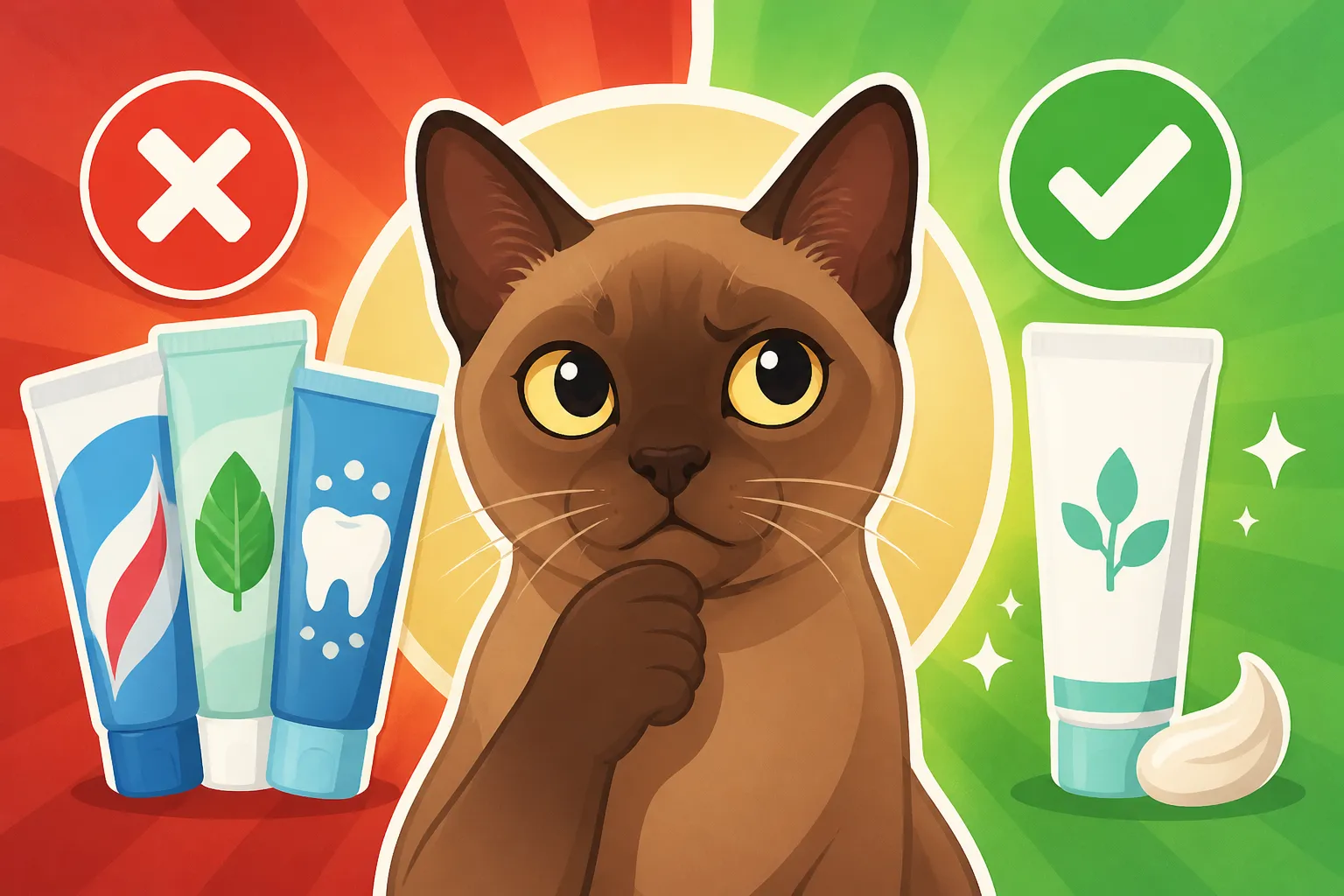
Let's be blunt: human toothpaste is a huge no-go. Not only do cats hate the foamy texture and strong minty flavors that we find refreshing, but many human toothpastes contain ingredients like fluoride and xylitol (a sugar substitute) that are toxic to cats. Never, ever use human toothpaste on your Burmese. Even some cat-specific toothpastes can have flavors or textures that your feline friend might find repulsive. Strong artificial flavors, anything with a bitter aftertaste, or even some overly sweet formulations can be instant deal-breakers.
Cats have incredibly sensitive palates and an acute sense of smell. A flavor that might seem innocuous to us could be offensive to them. It's not just about what tastes bad; it's also about what smells wrong or has a texture that feels strange in their mouth. Forcing a cat to tolerate a toothpaste they despise will quickly turn brushing into a traumatic experience for both of you, making it impossible to establish a regular routine. It's better to try a few options until you find one they can, at the very least, tolerate.
Winning Flavors: Tempting Their Taste Buds
The good news is that many cat toothpastes are formulated with flavors specifically designed to appeal to felines. The most popular and generally accepted flavors for cats are those that mimic something they'd naturally eat. Think poultry, beef, malt, or seafood. Many brands offer a chicken or tuna flavor, which often goes down much better than anything vaguely minty or herbal. Some cats even develop a fondness for the malt-flavored toothpastes, which can be reminiscent of a treat paste.
The goal here isn't necessarily for them to love the toothpaste, but for them to accept it without too much fuss. A good sign is if they lick the toothpaste off your finger or the brush before you even start brushing. This indicates a much higher chance of success. Starting with a tiny dab and letting them taste it can help you gauge their preference without committing to a full brushing session right away. You might find a good selection of these on sites like Chewy or Amazon, allowing you to try a few without leaving your home.
The Ingredient List: What's Safe and What's Not
Beyond flavor, the actual ingredients in feline toothpaste are paramount. As mentioned, steer clear of anything containing fluoride or xylitol. Always look for toothpastes specifically labeled for cats. The best cat toothpastes are typically enzymatic. These don't just act as an abrasive; they contain enzymes that help break down plaque and kill bacteria, often reducing the need for mechanical scrubbing (though brushing is still vital). These enzymatic formulas are often highly recommended by veterinarians because they actively work to improve oral health even if your cat isn't the most cooperative brusher.
When checking the ingredient list, you also want to avoid artificial colors, harsh abrasives that could damage enamel, and any unknown chemicals. Look for ingredients like glucose oxidase, lactoperoxidase, or other enzyme complexes. Some also include gentle polishing agents. Reputable brands that focus on pet health will be transparent about their ingredients. Always opt for veterinary-approved formulations to ensure safety and efficacy.
Choosing Your Weapon: Top Toothpaste Picks for the Discerning Burmese
Once you understand the importance of ingredients and have a handle on palatable flavors, it's time to choose the actual product. This is where a little trial and error might come into play, but focusing on vet-recommended types can save you a lot of grief. Finding the right toothpaste is a critical step in making Brushing a Burmese's Teeth From Twelve Weeks a manageable and effective part of your routine.
Enzymatic Toothpastes: Your Best Bet for Breaking Down Plaque
Enzymatic toothpastes are widely considered the gold standard for feline dental care, and for good reason. They contain enzymes that react with naturally occurring compounds in your cat's saliva to create an antibacterial agent. This agent helps break down plaque and tartar, and inhibits the growth of bacteria that cause bad breath and periodontal disease. The beauty of these toothpastes is that they don't rely solely on abrasive action; the enzymatic process continues to work even after brushing. This is particularly beneficial for cats who are not enthusiastic brushers, as every little bit helps.
Many of these come in appealing flavors like poultry or malt, making them more acceptable to even the pickiest Burmese. They are generally formulated not to foam and don't require rinsing, which is a huge relief for both cat and owner. Brands like Virbac C.E.T. Enzymatic Toothpaste or Petrodex are popular choices that consistently receive good reviews from cat owners and veterinarians alike. Their effectiveness lies in their scientific formulation, designed to tackle the root causes of dental problems directly.
Other Vet-Approved Formulas: Beyond the Enzymes
While enzymatic toothpastes are often the first recommendation, there are other veterinary-approved options available that might suit your Burmese. Some toothpastes contain chlorhexidine, an antiseptic ingredient known for its ability to fight bacteria and reduce gingivitis. These are often available as gels or rinses as well. However, chlorhexidine can have a slightly bitter taste, which some cats strongly object to, so their acceptance rate can be lower. They're often prescribed for specific dental issues rather than routine preventative care.
There are also natural or herbal toothpastes that claim to improve oral health, often using ingredients like grapefruit seed extract or baking soda (specifically formulated for pets, mind you!). While these might be appealing to some owners, always research the specific ingredients and consult your vet to ensure they are genuinely effective and safe for long-term use in cats. The primary concern is always efficacy and safety, so sticking to products with proven results and veterinary backing is usually the safest bet.
Where to Find the Good Stuff
Once you have a few potential toothpastes in mind, sourcing them is usually straightforward. Most well-stocked pet stores will carry a selection of enzymatic cat toothpastes. Online retailers are often an even better resource, offering a wider variety of brands and flavors, and sometimes at more competitive prices. Websites like Chewy or Amazon are excellent places to browse, compare ingredients, read reviews from other cat owners, and have products delivered right to your door. This convenience can be a huge time-saver, especially if you're trying several different options to find your Burmese's favorite.
Sometimes, your veterinarian's office will also stock their preferred brands, and purchasing directly from them has the added benefit of being able to ask for their specific recommendations based on your cat's individual needs. Don't be afraid to buy a few different small tubes or sample sizes if available. It's much better to invest a little upfront in various options than to buy a large, expensive tube that your Burmese immediately rejects.
| Toothpaste Type | Key Benefit | Common Flavors | Burmese Acceptance (General) | Notes |
|---|---|---|---|---|
| Enzymatic | Breaks down plaque, inhibits bacteria | Poultry, Seafood, Malt, Vanilla | High (if flavor is right) | Vet recommended, no rinsing, active ingredient. |
| Chlorhexidine Gels/Rinses | Antiseptic, reduces gingivitis | Unflavored, Bitter (can be) | Low to Medium | Often for specific conditions, vet guidance needed. |
| "Natural" (Cat-Safe) | Plant-based extracts, gentle abrasives | Herbal, Tea Tree (avoid), Mint (rarely) | Varies, depends on specific formula | Ensure all ingredients are cat-safe and proven effective. |
Making Brushing a Purr-fectly Possible Routine
Finding the right toothpaste is a huge win, but it's only one piece of the puzzle. The ultimate goal is to establish a consistent brushing routine that isn't a source of stress for either you or your Burmese. This takes patience, positive reinforcement, and the right technique. Your Burmese is an intelligent and affectionate cat, and with the right approach, they can learn to at least tolerate, if not enjoy, their daily dental care.
Gradual Introduction: Slow and Steady Wins the Cat
Never jump straight into a full brushing session. Cats, especially intelligent and sensitive breeds like the Burmese, need time to adapt. Start by simply letting your cat taste the toothpaste off your finger. Do this for a few days, making it a positive experience with praise and perhaps a tiny treat. Once they accept the taste, introduce a finger brush or a very soft, small toothbrush. Let them sniff it, lick it, and get used to its presence. You can find excellent advice on this in Getting a Toothbrush Into a Burmese Kitten's Routine.
Gradually, begin to gently touch their gums and teeth for just a few seconds. Focus on the outside surfaces of the upper canine teeth and molars first, as these are often the easiest to reach and accumulate the most plaque. Keep sessions very short, maybe 10-20 seconds initially, and always end on a positive note, even if you only managed one tooth. Consistency is far more important than intensity in the beginning. Over time, slowly increase the duration and the number of teeth you brush.
The Right Tools for a Smooth Operation
Besides the toothpaste, having the right tools makes a significant difference. A finger brush, which slips over your fingertip, can be a great starting point, as it allows you to feel what you're doing and is less intimidating for some cats than a full toothbrush. Eventually, you'll want to graduate to a proper feline toothbrush. These brushes are specifically designed with smaller heads and softer bristles to fit comfortably in a cat's mouth without causing irritation. Which Brush Head Fits a Burmese's Short Muzzle can guide you to the perfect fit.
Look for a brush with an angled head to help reach all the surfaces. Some brushes have two heads, one larger and one smaller, for different areas of the mouth. There are also electric toothbrushes made for pets, but these are often a step too far for many cats due to the vibration and noise. Whatever tool you choose, ensure it's clean and soft. Remember, the goal is gentle cleaning, not scrubbing.
Consistency: The Non-Negotiable Key to Long-Term Health
Once you've found a toothpaste your Burmese tolerates and have a good brush, the most crucial element is consistency. Daily brushing is ideal, much like it is for humans. If daily isn't feasible, aiming for every other day is a good compromise. Irregular brushing won't have the same preventative power, as plaque begins to form on teeth very quickly after a meal. Making dental care a routine part of your day, perhaps at the same time each day when your cat is relaxed, will help them anticipate and accept it.
Remember, this isn't just about fresh breath; it's about preventing pain, infection, and potentially life-threatening systemic diseases that can stem from poor oral health. By dedicating a few minutes each day to your Burmese's dental care, you're investing in their comfort, longevity, and overall happiness. And with the right toothpaste, that daily "negotiation" can become a much calmer, more manageable interaction, strengthening the bond you share with your beloved, satin-coated companion.
Disclaimer
This article is for general informational purposes only and does not constitute professional advice. Laws, prices and regulations vary by location and change over time. Consult a qualified professional for guidance on your specific situation.