Why Portion Control Is Medical Care in a Burmese
One of the biggest heartbreaks for any cat parent is watching their beloved feline companion struggle with health issues, especially when those issues could have been prevented. For Burmese cat owners, this worry often revolves around their cat's weight and, by extension, their susceptibility to serious conditions like diabetes. It's a frustrating situation because Burmese cats are such insistent beggars, and their muscular build often hides early signs of excess weight. This guide is here to shed light on why proper portion control isn't just about managing your Burmese's waistline; it is, in fact, a fundamental pillar of their medical care, crucial for a long, healthy, and happy life.
Understanding the Burmese Metabolism and Why It's Unique
The Burmese cat is a truly special breed, known for its affectionate nature, playful spirit, and striking appearance. But beneath that "satin coat" and charming personality lies a unique physiology that demands a specific approach to care, especially when it comes to diet. Ignoring these inherent traits can lead to a cascade of health problems that are entirely avoidable with a thoughtful feeding strategy.
The "Brick Wrapped in Silk" Phenomenon: Why Appearances Can Be Deceiving
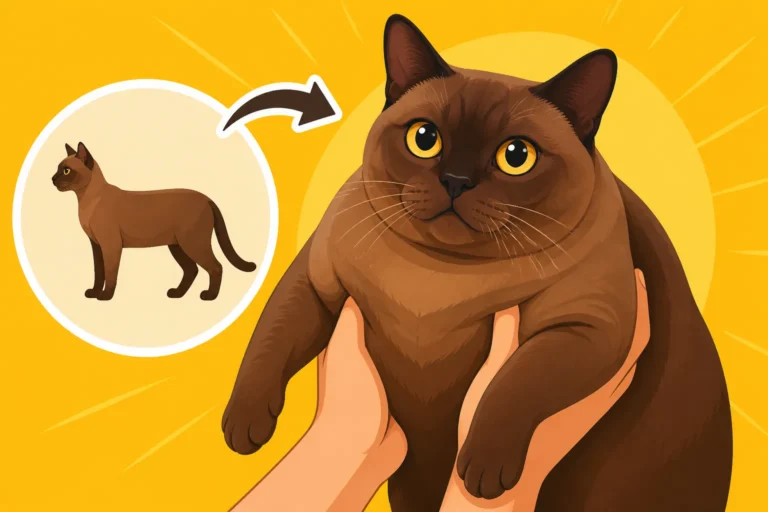
If you've ever picked up a Burmese cat, you know exactly what I'm talking about. They feel incredibly solid, a surprising weight for their relatively compact size. This isn't fat; it's pure muscle, earning them the affectionate nickname "bricks wrapped in silk." This dense musculature is one of their defining characteristics. However, this same impressive physique can be a double-edged sword when it comes to assessing their weight. Because they're naturally heavy and well-muscled, it's easy to overlook a few extra pounds of fat that might be accumulating. You might feel their ribs and think, "Oh, they're fine," but those ribs could be covered by a layer of fat that's masked by the underlying muscle tone. It's a common trap for new and even experienced Burmese owners alike, and it means we have to be extra vigilant. Relying solely on a visual check or a casual feel can give a false sense of security, putting your furry friend at risk without you even realizing it. This unique body composition demands a more scientific and consistent approach to weight management than many other breeds.
Genetic Predisposition: The Link to Diabetes
Here's where the rubber really meets the road for Burmese owners. Our beautiful Burmese cats, particularly those with Australian and European lines, carry a genetic predisposition to Type 2 diabetes. It's not just a slight increase; studies show that the Burmese has the highest diabetes rate of any cat breed. This isn't something to take lightly. It means that while any cat can develop diabetes, your Burmese is starting with a much higher inherent risk factor. This genetic lottery means that external factors, particularly diet and weight, play an even more critical role in whether that genetic switch is flipped. The gene responsible, known as WNK4, has been identified in some lines, further emphasizing the inherited component of this serious disease. Understanding this predisposition isn't about fostering anxiety; it's about empowering you with the knowledge to actively mitigate that risk. It means every meal, every treat, every calorie counts in a way it might not for a different breed. For more depth on this, you can look into articles like Why a Burmese Is Four Times More Likely to Become Diabetic.
The High Energy but Prone-to-Weight-Gain Paradox
Burmese cats are renowned for their playful, kitten-like energy that often lasts well into their senior years. You might see your fifteen-year-old Burmese still tearing around the house, chasing toys, and engaging in vigorous play sessions. This high activity level might make you think they can "eat anything" and burn it off. However, this isn't always the case. While they are active, their basal metabolic rate, combined with their genetic predisposition, means they can pack on weight surprisingly easily, especially if their calorie intake consistently exceeds their actual needs. It's a paradox: a cat that's constantly on the go but still highly susceptible to becoming overweight. Their insatiable appetites, coupled with their adorable begging techniques, can easily lead an owner to overfeed. It's a constant battle between their active nature and their biological tendency to gain weight, making precise portion control an absolute necessity to maintain their health and vitality.
The Dire Consequences of Overfeeding a Burmese
The stakes are incredibly high when it comes to a Burmese's weight. Overfeeding isn't just about your cat getting a little chunky; it sets the stage for a host of debilitating, expensive, and potentially life-threatening health issues. It's a slow erosion of their well-being, often going unnoticed until the problems become severe.
The Alarming Reality of Feline Diabetes in Burmese Cats
As we've touched upon, feline diabetes is a significant concern for Burmese owners. The reality is stark: an overweight Burmese cat is at a vastly elevated risk of developing Type 2 diabetes. This condition, characterized by the body's inability to produce or properly use insulin, leads to dangerously high blood sugar levels. What does this look like? Initially, you might notice your Burmese drinking more water than usual and urinating more frequently. They might seem hungrier, yet paradoxically, they start losing weight because their body can't properly utilize the nutrients from their food. If left untreated, diabetes can lead to severe complications, including nerve damage, organ failure, and even a life-threatening condition called diabetic ketoacidosis. Managing a diabetic Burmese involves a strict regimen of insulin injections, regular vet visits, and a carefully controlled diet—a lifestyle change that is emotionally and financially taxing. Understanding How Much Higher the Burmese Diabetes Rate Really Is can truly drive home the urgency of preventative measures. The good news is that with vigilant portion control and a low-carbohydrate diet, many Burmese cats can avoid this fate, and some even achieve diabetic remission if caught early.
Beyond Diabetes: Joint Strain and Organ Stress
The impact of excess weight on your Burmese isn't limited to diabetes. Imagine carrying around a heavy backpack all day, every day. That's what an overweight cat experiences. Those extra pounds put immense strain on their joints, especially their hips and knees. This can lead to or exacerbate conditions like arthritis, making movement painful and reducing their willingness to jump, play, and engage in their usual active behaviors. An older Burmese, who might already be slowing down, will find these issues amplified, impacting their quality of life significantly. Beyond musculoskeletal issues, internal organs also suffer. The heart has to work harder to pump blood through a larger body mass, increasing the risk of heart disease. The liver can become engorged with fat, leading to a condition known as hepatic lipidosis (fatty liver disease), which we'll discuss next. Even breathing can become more labored, as fat deposits around the chest cavity restrict lung expansion. It's a systemic burden that shortens lifespan and diminishes the joy of their vibrant personalities.
The Silent Threat of Hepatic Lipidosis
Hepatic lipidosis, commonly known as fatty liver disease, is another grave risk for overweight cats, and particularly dangerous for the Burmese. This condition occurs when the liver becomes overwhelmed with fat, impairing its function. It often happens when an overweight cat suddenly stops eating, perhaps due to stress, another illness, or even a misguided attempt at rapid weight loss by an owner. When the body perceives starvation, it mobilizes fat reserves to the liver for energy. However, a cat's liver isn't designed to process such large quantities of fat quickly, leading to an accumulation that prevents it from performing its vital functions like detoxification and nutrient metabolism. The signs can be subtle at first: lethargy, loss of appetite, vomiting, and jaundice (yellowing of the eyes or gums). Hepatic lipidosis is a medical emergency requiring intensive veterinary care, often including a feeding tube, and carries a significant mortality rate. This is precisely why slow, controlled weight loss, guided by portion control, is absolutely paramount for any overweight Burmese. Rapid changes or periods of anorexia in an overweight cat are red flags that demand immediate veterinary attention, illustrating just how delicate their metabolic balance can be.
The Science Behind Portion Control for Burmese Health
Portion control isn't just a vague concept; it's a precise, science-backed approach to managing your Burmese's health. It involves understanding their specific caloric needs and the type of fuel their body thrives on, rather than simply filling a bowl when it's empty.
Calorie Calculation and Energy Requirements
The first step in effective portion control is understanding how many calories your individual Burmese needs. This isn't a one-size-fits-all number. Factors like age, activity level, sex, and whether they are spayed or neutered all influence their daily caloric requirements. A playful 2-year-old male Burmese will burn more calories than a sedentary 12-year-old female. A general guideline for an adult indoor cat is roughly 20-30 calories per pound of ideal body weight, but this is just a starting point. For a breed like the Burmese, with its dense musculature, "ideal body weight" itself needs careful consideration. Your veterinarian is your best resource for determining your cat's ideal weight and the precise daily caloric intake needed to maintain it, or to achieve a healthy weight if they are currently overweight. They might use a calculation based on Resting Energy Requirement (RER) and then multiply it by an activity factor. Remember, precision here is key. Overestimating by even a small amount daily can lead to significant weight gain over weeks and months. This is why tools like a kitchen scale become indispensable, moving beyond guesswork to exact measurement, ensuring your Burmese gets precisely How Many Calories a Diabetes Prone Burmese Should Get.
The Critical Role of Low-Carbohydrate Diets
Beyond just calories, the type of calories your Burmese consumes is equally, if not more, important due to their diabetes predisposition. Cats, by nature, are obligate carnivores. Their bodies are designed to thrive on a diet rich in animal protein and moderate fat, with very little carbohydrate. Yet, many commercial dry cat foods are loaded with carbohydrates, often in the form of grains or starches, which act as cheap fillers and binders. For a Burmese, this high-carbohydrate intake is particularly problematic. Carbohydrates are broken down into sugars, which then trigger the release of insulin. Constant high carbohydrate intake can lead to insulin resistance over time, paving the way for diabetes. This is why a low-carbohydrate, high-protein wet food diet is often recommended as medical care for Burmese cats. It mimics their natural prey diet, helps regulate blood sugar, and supports their muscular build. When looking at food labels, aim for foods where carbohydrates make up less than 10% of the metabolizable energy (ME). This specific dietary approach is crucial for managing their unique metabolism and significantly reducing their diabetes risk. For further reading, check out Why Low Carbohydrate Food Matters for a Burmese.
The Myth of "Free Feeding" for a Burmese
Free feeding, where a bowl of dry kibble is left out all day for a cat to graze on, is a common practice for many cat owners. While it might seem convenient, it's a significant risk factor for weight gain and diabetes in Burmese cats. Firstly, it encourages overconsumption. Many Burmese lack an "off switch" when it comes to food; they'll eat simply because it's there, not because they're truly hungry. This constant grazing leads to a continuous influx of calories and, if it's dry food, a steady stream of carbohydrates. Secondly, free feeding makes it impossible to accurately monitor how much your cat is actually eating. If you have multiple cats, you can't tell who's eating what, leading to some cats gaining weight while others might not be getting enough. Lastly, and perhaps most crucially for a Burmese, free feeding disrupts their natural feeding patterns. In the wild, cats eat small, frequent meals, but these are hunts, not constant access. Scheduled, portion-controlled meals allow you to manage their insulin response more effectively and ensure they are eating appropriate amounts. For a breed so predisposed to diabetes, the "convenience" of free feeding simply isn't worth the health risks. It's a practice that directly contradicts the medical need for strict portion control.
How to Implement Effective Portion Control at Home
Now that we understand the 'why,' let's dive into the 'how.' Implementing effective portion control might seem daunting at first, but with the right tools and a consistent routine, it quickly becomes second nature and an essential part of your Burmese's daily care.
Precision Matters: Why You Need a Kitchen Scale
Forget the measuring cups that come with pet food bags – they are notoriously inaccurate and inconsistent. For truly effective portion control with a Burmese, a digital kitchen scale is your best friend. This might sound excessive for cat food, but remember, we're talking about medical care here. A slight overestimation in kibble volume, day after day, week after week, translates into hundreds of extra calories over time, which for a Burmese, significantly increases their health risks.
Here's how to use it:
- Determine Daily Ration: Based on your vet's recommendation (or your own careful calculation using reliable online resources), figure out the total number of grams of your chosen food your Burmese needs per day.
- Divide Meals: Most adult cats do well with two meals a day, roughly 12 hours apart. Divide the total daily grammage by two.
- Weigh Every Meal: Before each feeding, place an empty bowl on your kitchen scale, tare it (set it to zero), and then carefully add the food until it reaches the precise gram amount for that meal.
- Consistency is Key: Do this every single time. It takes less than a minute, and the accuracy it provides is invaluable for preventing insidious weight gain.
Using a kitchen scale ensures that you're delivering the exact caloric intake required, making portion control a precise, data-driven endeavor rather than a guesstimate. It's truly the most accurate way to manage their food intake and a crucial step in preventing disease. If you're wondering How to Weigh a Burmese Accurately at Home, the same principles of precision apply to their food!
Establishing a Consistent Feeding Schedule
Cats are creatures of habit, and a consistent feeding schedule is beneficial not only for managing their weight but also for their psychological well-being. It provides structure and predictability, which can reduce anxiety around meal times and make them less prone to begging throughout the day.
- Fixed Times: Aim to feed your Burmese at the same times every day. For example, 7 AM and 7 PM. This routine helps regulate their metabolism and insulin response. Their bodies become accustomed to expecting food at these specific intervals, which can prevent the sudden drops in blood sugar that can trigger intense hunger and begging.
- Mealtime Rituals: Create a small ritual around feeding. This could be calling their name, preparing their food in a specific spot, or giving them a moment of affection before they eat. This signals that food is coming and reinforces the routine.
- Patience and Persistence: Initially, if your Burmese is used to free feeding, they might be confused or even vocal about the change. They might not eat all their food at once. Don't immediately offer more. Stick to the schedule. They will learn quickly that food is available at certain times, and they'll adjust their eating habits accordingly. Within a few days or a week, they will typically adapt to the new routine and eagerly anticipate their meals.
This structured approach not only helps control their intake but also allows you to easily spot any changes in appetite, which can be an early indicator of illness.
Choosing the Right Food: Wet vs. Dry
The debate between wet and dry food is ongoing, but for a diabetes-prone breed like the Burmese, the choice leans heavily towards high-quality wet food.
Why Wet Food is Often Superior for Burmese:
- Lower Carbohydrate Content: As discussed, wet foods typically have a significantly lower carbohydrate percentage compared to dry kibble. This is crucial for regulating blood sugar and reducing diabetes risk.
- Higher Moisture Content: Cats are designed to get most of their hydration from their food. Wet food's high moisture content contributes significantly to their overall water intake, supporting kidney health and helping prevent urinary tract issues. Many cats, especially those on dry food, live in a constant state of mild dehydration.
- Increased Satiety: The higher moisture and protein content in wet food can help your Burmese feel fuller for longer, which can be an advantage for managing their demanding appetites.
If You Must Use Dry Food:
- Select Wisely: Choose a grain-free, high-protein, low-carbohydrate dry food. Always check the guaranteed analysis for crude protein, fat, and fiber, and then calculate the estimated carbohydrate content (100 – %protein – %fat – %moisture – %ash (if available) = %carbohydrate). Aim for less than 10%.
- Portion Control is Non-Negotiable: With dry food, precise weighing is even more critical due to its higher caloric density.
- Consider Combination Feeding: Some owners opt for a mix, perhaps a small portion of low-carb dry food for mental enrichment in a puzzle feeder and the majority of calories from wet food.
Ultimately, the best food is one your Burmese will eat consistently, that is nutritionally balanced for their specific needs, and which you can accurately portion control. Discussing Which Diet Puts a Burmese Into Remission with your vet, even if your cat isn't diabetic yet, can provide valuable insights into optimal food choices for prevention.
Navigating the Challenges of Feeding Multiple Cats or Picky Eaters
Life isn't always a perfectly controlled laboratory experiment, especially when you have a multi-cat household or a Burmese with a particular palate. These real-world challenges require clever strategies to maintain strict portion control and ensure every cat gets what they need.
Strategies for Multi-Cat Households
Feeding multiple cats, especially when one is a Burmese highly susceptible to weight gain and diabetes, presents unique difficulties. The biggest challenge is preventing the Burmese from eating everyone else's food, or conversely, ensuring they get their full portion without another cat snatching it.
- Separate Feeding Stations: This is arguably the most effective method. Feed each cat in a separate room, or at least in different, non-overlapping areas of the house. Close doors if necessary. This allows each cat to eat their full, pre-portioned meal without competition or theft. Allow them about 15-20 minutes to eat, then remove any uneaten food.
- Microchip Feeders: If separating rooms isn't feasible, consider investing in microchip-activated feeders. Brands like SureFeed and PetSafe offer bowls that only open for the specific cat whose microchip (or RFID collar tag) is programmed to them. This is a game-changer for ensuring each cat only accesses their own food, especially if one cat needs a prescription diet or a very strict caloric intake. It prevents the notorious Burmese "food bandit" behavior!
- Elevated Feeding: Sometimes, feeding an older or less agile cat on an elevated surface (like a counter or a cat tree perch) can create a natural barrier against younger, more opportunistic cats. However, a determined Burmese can often find a way, so this is best combined with other strategies.
- Supervised Feeding: If all else fails, you might need to supervise meal times closely. Stand by the bowls, gently redirecting any cat that tries to venture into another's territory. This requires more effort but guarantees portion accuracy. Remember, the goal is to make sure your Burmese gets their meal, and only their meal.
Addressing the Burmese's Insistent Begging and Food Stealing
Ah, the Burmese charm offensive! These cats are masters of persuasion. They'll follow you, rub against your legs, sit patiently by the counter, and use their soulful eyes or their distinctive rasping rumble to convey their utter starvation, even moments after a meal. This isn't just endearing; it's a behavior that needs careful management to avoid derailing your portion control efforts.
- Stick to the Schedule: The most crucial rule is consistency. Your Burmese will quickly learn that begging between meals doesn't yield results. Their meal times are fixed, and they will get their food then.
- Ignore the Begging: As hard as it is, resist the urge to give in. Giving even a tiny morsel outside of meal times reinforces the begging behavior. Don't make eye contact, don't talk to them, simply walk away or redirect their attention.
- Redirection with Play: Instead of food, offer play. Burmese cats are incredibly playful, even into old age. A quick session with a wand toy or a laser pointer can redirect their focus and burn some energy, fulfilling their need for interaction without calories. This is also why getting Two Burmese Kittens Travel Better Than One or even a second cat can help, as they can burn off energy together.
- Puzzle Feeders for Enrichment: During the day, if you feel they need something to do, offer a portion of their daily food ration in a puzzle feeder. This makes them "work" for their food, slowing down consumption and providing mental stimulation. Just ensure the calories in the puzzle feeder are accounted for in their total daily intake.
- Secure Food Storage: Burmese cats are notorious for their intelligence and determination when it comes to food. Secure all human food in cupboards, and ensure trash cans have secure lids. Don't leave pet food bags accessible. A Burmese will not hesitate to raid the bin or counter-surf if given the opportunity. This is particularly important for raw food, as well as high-carb snacks.
Introducing New Foods Without a Fuss
Changing a cat's diet, especially a Burmese who might be set in their ways, can feel like an uphill battle. They can be incredibly particular, and outright refusal to eat a new food can be stressful for both of you, not to mention dangerous if it leads to prolonged anorexia in an overweight cat.
- Gradual Transition is Key: Never switch foods abruptly. Over a period of 7-10 days, gradually introduce the new food by mixing a small amount with their old food. Start with 10% new food, 90% old food for a couple of days. If they're eating it, increase to 20/80, then 30/70, and so on, until you've fully transitioned.
- Temperature and Texture: Some cats prefer their wet food slightly warmed to body temperature, which enhances the aroma. Others might have a preference for certain textures (pâté, shredded, chunky). Experiment to see what your Burmese prefers.
- Variety from a Young Age: If you have a kitten, try to introduce a variety of food types and textures early on. This can make them less picky as adults and more adaptable to dietary changes if needed for medical reasons later in life. A Burmese kitten's diet is critical, and even at that age, Why a Burmese Kitten's Portion Is Weighed Too is important.
- Don't Give Up Too Soon: Cats can be stubborn. If they refuse to eat the new food mixed in, try waiting a little longer before offering the original food. A truly hungry cat will often eventually try the new food. However, never let a cat go without eating for more than 24 hours, especially if they are overweight, due to the risk of hepatic lipidosis. If refusal persists, consult your vet.
Monitoring Your Burmese's Weight and Health
Effective portion control is an ongoing process that requires diligent monitoring. You can't just set a diet and forget it. Regular checks, keen observation, and consistent record-keeping are vital to ensure your Burmese remains at a healthy weight and to catch any potential issues early.
Weekly Weigh-Ins and Body Condition Scoring
Regularly assessing your Burmese's weight and body condition is perhaps the most important aspect of ongoing portion control.
Weekly Weigh-Ins:
- Consistency: Choose a specific day and time each week (e.g., Saturday morning before breakfast) for your weigh-in.
- Method: The easiest way to weigh a cat at home is to use a small digital kitchen scale if your cat fits, or a bathroom scale. Weigh yourself, then pick up your Burmese and weigh yourself again. Subtract your weight from the combined weight.
- Record: Keep a dedicated notebook or use a tracking app to log your cat's weight every week. Look for trends—even small, consistent increases or decreases can be significant over time. Knowing How to Weigh a Burmese Accurately at Home is a critical skill for any owner.
- Why a Burmese Is Heavier Than It Looks: This breed's dense muscle can easily mask weight gain. A weekly weigh-in will reveal trends even when visual cues are misleading.
Body Condition Scoring (BCS):
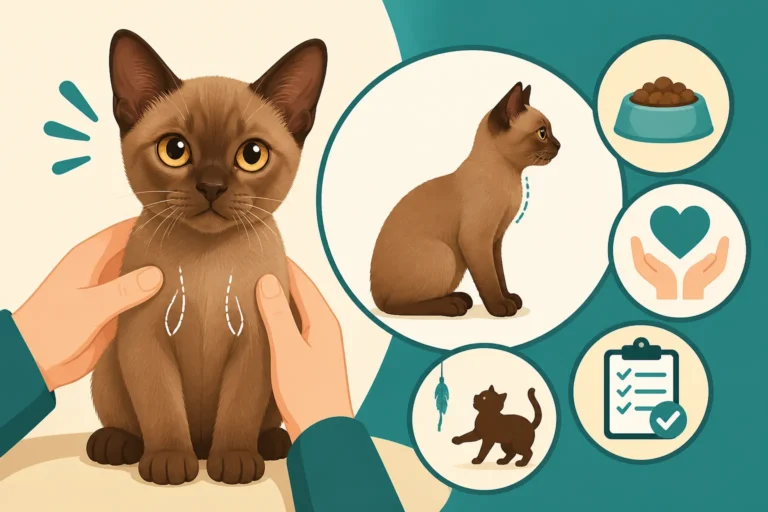
Weight alone doesn't tell the whole story. Body Condition Scoring (BCS) is a subjective assessment, usually on a 1-5 or 1-9 scale, that evaluates the amount of fat cover on your cat's body. Your vet will use this, and you can learn to do it too.
| BCS Score (1-5) | Description | Appearance & Feel | Action |
|---|---|---|---|
| 1 (Emaciated) | Severely underweight; ribs, spine, and pelvic bones easily visible from a distance. No discernible body fat. | Ribs, spine, and pelvis very prominent. No fat covering. Severe abdominal tuck. Minimal muscle mass. | Immediate veterinary consultation for nutritional support and underlying disease investigation. |
| 2 (Underweight) | Thin; ribs easily felt and visible with no fat cover. Obvious waist and abdominal tuck. | Ribs easily palpable with minimal fat. Waist easily noted, abdominal tuck evident. Minimal abdominal fat. | Increase food portion slightly, monitor weight closely. Vet check if no improvement. |
| 3 (Ideal) | Well-proportioned; ribs palpable with a slight fat cover. Waist and abdominal tuck evident. | Ribs palpable with a thin fat covering; waist observed behind ribs; slight abdominal tuck. | Maintain current portion control. Continue weekly weigh-ins. |
| 4 (Overweight) | Overweight; ribs difficult to feel due to moderate fat cover. Broad back, no obvious waist or abdominal tuck. | Ribs palpable with difficulty; noticeable fat cover. Waist poorly defined. Slight abdominal distension. | Reduce food portion slightly, increase activity. Monitor closely for continued weight gain. Consult vet for diet review. |
| 5 (Obese) | Obese; ribs difficult to feel under thick fat. Abdomen distended, heavy fat deposits over lumbar area. | Ribs not palpable or only with significant pressure. Heavy fat deposits over back, waist, and base of tail. Obvious abdominal distension. No abdominal tuck. May have a pendulous abdomen. | Significant diet adjustment and weight loss plan needed, under veterinary guidance. High risk for diabetes and other conditions. |
Feeling for the ribs, spine, and hip bones, as well as observing the waistline from above and the abdominal tuck from the side, gives a more holistic picture than weight alone. Your vet can show you how to properly assess your cat's BCS. This tactile assessment is essential for a muscular breed like the Burmese.
Recognizing Early Warning Signs of Trouble
Beyond weight, your observational skills are a critical part of your Burmese's health management. Cats are notoriously good at hiding illness, a survival instinct from their wild ancestors. However, a keen eye can pick up subtle changes that warrant concern.
- Changes in Appetite: While we're controlling portions, a sudden decrease in appetite or a complete refusal to eat is a serious red flag, especially for an overweight Burmese due to the risk of hepatic lipidosis. Conversely, a sudden, insatiable hunger despite eating their full portion could indicate diabetes or hyperthyroidism.
- Changes in Water Intake and Urination: Increased thirst and more frequent urination are classic early signs of diabetes. If you notice your Burmese drinking significantly more from their bowl or making more trips to the litter box, get them to the vet immediately. Why a Burmese Drinking More Needs Testing That Week is not an exaggeration.
- Lethargy or Reduced Activity: While Burmese are playful, a noticeable drop in their energy levels, less interest in play, or increased sleeping can signal pain, illness, or progression of a condition. Remember, Why a Burmese Hides Illness Behind Its Affection means you have to be extra watchful.
- Coat Changes: A dull, greasy, or unkempt coat can be a sign that your cat isn't feeling well enough to groom themselves properly, or it could be related to metabolic issues.
- Vomiting or Diarrhea: Any persistent digestive upset should be investigated.
- Behavioral Changes: A Burmese that becomes withdrawn, less affectionate, or starts hiding (unusual for such a social breed) is often a sign something is wrong.
Keeping an eye out for these subtle shifts allows you to intervene early, potentially preventing a minor issue from becoming a major medical crisis.
Keeping a Detailed Health Log
A detailed health log is an invaluable tool for both you and your veterinarian. It allows for the tracking of subtle changes over time, provides concrete data, and ensures nothing important is overlooked.
What to include in your log:
- Weekly Weight: As discussed, this is paramount.
- Daily Food Intake: Note the exact grams consumed (especially useful if you have a multi-cat household or a picky eater).
- Water Intake: If you're concerned about diabetes, monitor how much water your Burmese drinks over a 24-hour period.
- Litter Box Habits: Record frequency of urination and defecation, and note any changes in volume or consistency.
- Activity Levels: A quick note on how much they played or if they seemed less energetic.
- Any Observed Symptoms: Note dates, times, and descriptions of any vomiting, lethargy, increased thirst, or other concerns.
- Medications/Supplements: If your cat is on anything, record when it was given.
This log provides an objective record that can help your vet identify patterns, diagnose problems, and assess the effectiveness of treatments or dietary changes. Instead of relying on memory, which can be unreliable, you'll have solid data to present. This diligent record-keeping is a crucial aspect of proactive health management for your Burmese.
Working with Your Vet: A Partnership in Portion Control
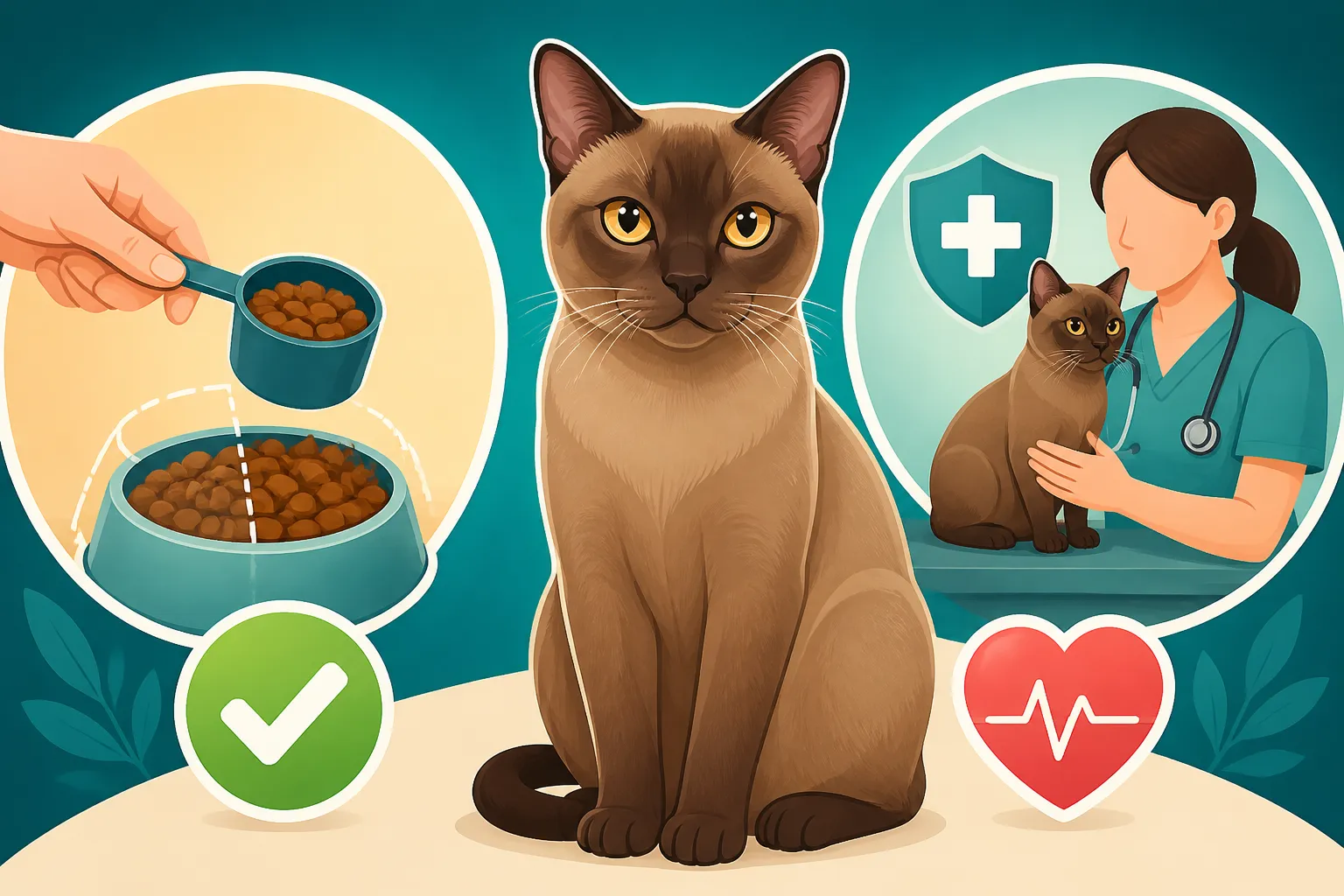
Your veterinarian is your most important ally in ensuring your Burmese cat lives a long, healthy life. Portion control, while implemented at home, should always be a collaborative effort with professional guidance. They provide the expert knowledge and tools to tailor a plan specifically for your cat.
Regular Wellness Checks and Bloodwork
Even if your Burmese seems perfectly healthy, regular veterinary check-ups are non-negotiable, especially given their genetic predispositions. For a Burmese, these aren't just routine visits; they are preventative health screenings that directly support your portion control efforts.
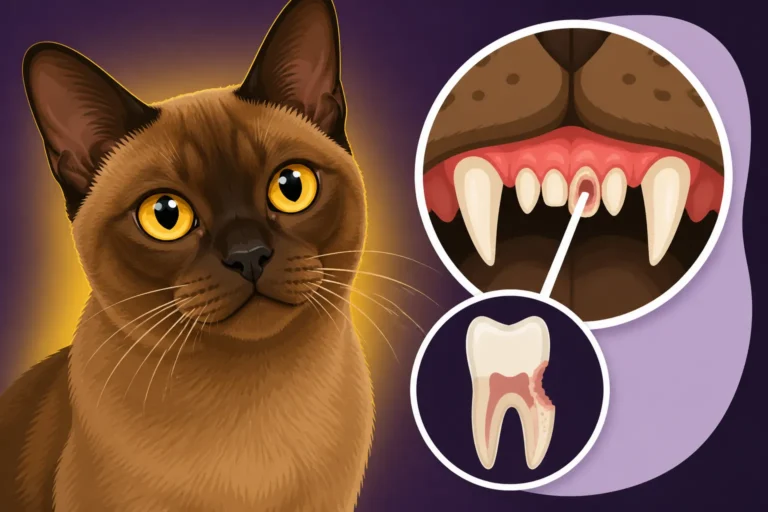
- Annual Exams: A thorough physical examination allows your vet to assess your cat's overall health, listen to their heart and lungs, palpate their abdomen, and check their teeth and gums (another area where Burmese can have issues).
- Weight and BCS Assessment: Your vet will accurately weigh your cat and perform a professional Body Condition Score. They can objectively tell you if your cat is at an ideal weight, or if they need to gain or lose a few pounds. This professional assessment is crucial for validating your home efforts.
- Bloodwork: Starting around age seven, or even earlier for a high-risk breed like the Burmese, annual blood panels become incredibly important. These typically include a Complete Blood Count (CBC) and a biochemistry panel. For a Burmese, a key component is checking their glucose levels and sometimes fructosamine. This helps identify early signs of diabetes, kidney disease, hyperthyroidism, or other metabolic issues that might influence or be influenced by their weight. Which Blood Panel a Burmese Should Have Yearly should include these vital checks. Early detection of any imbalance means you can adjust diet and lifestyle before a full-blown illness takes hold. This proactive approach saves stress, time, and money in the long run.
Discussing Diet Plans with Your Veterinarian
Never embark on a significant dietary change or weight loss program for your Burmese without consulting your vet. They have the expertise to create a safe and effective plan.
- Customized Caloric Needs: Based on your cat's current weight, ideal target weight, BCS, age, and activity level, your vet can calculate a precise daily caloric intake. This isn't guesswork; it's a medical recommendation.
- Food Recommendations: Your vet can recommend specific brands and types of food that meet the low-carbohydrate, high-protein requirements essential for Burmese health. They can guide you through the maze of pet food labels, helping you identify truly appropriate diets. If your cat needs to lose weight, they might even suggest a prescription weight-loss diet.
- Weight Loss Timeline: Safe weight loss for cats is slow and steady, typically 0.5-2% of their body weight per week. Rapid weight loss can trigger hepatic lipidosis, especially in already overweight cats. Your vet will help you set realistic goals and timelines.
- Addressing Concurrent Conditions: If your Burmese has other health issues (like kidney disease or allergies), your vet will factor these into the dietary recommendations to ensure the plan is holistic and doesn't exacerbate existing problems.
- Monitoring Progress: Your vet will want to see your Burmese regularly during a weight loss program to monitor progress, make adjustments to the diet, and ensure your cat is losing weight safely and effectively. This also provides an opportunity to reassess their Body Condition Score as they slim down.
This partnership ensures your portion control efforts are scientifically sound and medically appropriate for your unique Burmese.
When to Seek Immediate Veterinary Attention
While regular check-ups cover long-term health, certain symptoms warrant immediate veterinary attention. As mentioned, Burmese cats are masters of disguise when it comes to illness, so swift action can be life-saving.
- Complete Loss of Appetite (Anorexia): If your Burmese refuses to eat for more than 24 hours, especially if they are overweight, this is a veterinary emergency. The risk of hepatic lipidosis is very high.
- Excessive Thirst and Urination: While an early sign, if these symptoms become pronounced or rapid, it needs immediate investigation for diabetes or kidney issues.
- Severe Lethargy or Weakness: A sudden, noticeable drop in energy, extreme weakness, or difficulty moving.
- Vomiting or Diarrhea: Persistent or severe episodes, particularly if accompanied by other symptoms.
- Difficulty Breathing: Open-mouthed breathing, panting, or labored breathing is always an emergency.
- Sudden Collapse or Seizures: Any neurological event requires immediate veterinary care.
Don't wait to see if these symptoms "get better." With a Burmese, acting quickly can make all the difference. Having pet insurance like Healthy Paws can provide peace of mind in such emergencies, ensuring you can afford the best care without financial strain. Being prepared for these scenarios is part of being a responsible Burmese owner.
Long-Term Health Benefits of Consistent Portion Control
The effort you put into meticulous portion control for your Burmese isn't just about avoiding problems; it's about unlocking a future of vibrant health, extended companionship, and a significantly higher quality of life for your cherished feline friend. This isn't just a diet; it's an investment in their entire existence.
Extending Lifespan and Enhancing Quality of Life
One of the most profound benefits of consistent, lifelong portion control is the potential to extend your Burmese's lifespan. An overweight cat's life is typically shorter and often riddled with chronic health issues. By maintaining an ideal weight, you're not just preventing disease; you're actively promoting longevity. Imagine those extra years of cuddles, shoulder rides, and playful antics!
Beyond mere years, portion control dramatically enhances their quality of life. A cat at a healthy weight is:
- More Energetic and Playful: They retain their kitten-like energy longer, able to jump, run, and explore without the burden of extra weight causing pain or fatigue. What an Old Burmese Still Wants to Play is easier when their body isn't strained.
- More Mobile and Comfortable: Less strain on joints means less arthritis and greater ease of movement, allowing them to enjoy their favorite activities and snuggle spots.
- Better Groomers: They can reach all parts of their body, keeping their beautiful satin coat pristine and reducing skin issues.
- Happier and More Engaged: When a cat feels good, they are more interactive, affectionate, and truly themselves. The relief of being free from discomfort translates into a more joyful companion.
Essentially, portion control allows your Burmese to thrive, not just survive, ensuring their golden years are as golden as possible, truly living up to The Sixteen to Eighteen Years a Well Bred Burmese Gets.
Reducing the Risk of Costly Chronic Diseases
The financial burden of managing chronic diseases like diabetes, severe arthritis, or hepatic lipidosis can be astronomical. We're talking about daily insulin injections, special prescription diets, frequent vet visits, glucose monitoring equipment, and potentially emergency care. These costs can easily run into thousands of dollars annually. For example, What Diabetes Costs a Burmese Owner a Year can be a significant financial strain for many families.
By proactively managing your Burmese's weight through portion control, you are making a conscious decision to avoid these exorbitant medical expenses. An ounce of prevention truly is worth a pound of cure, especially in the context of your Burmese's health. While pet insurance, such as Healthy Paws, can certainly help mitigate the financial impact if a disease does strike, preventing the disease in the first place is always the best outcome for both your cat and your wallet. Investing in a high-quality, low-carb diet and a kitchen scale now is a small price to pay compared to the potential costs of treating preventable illnesses down the line. It's a pragmatic, responsible, and loving choice for your pet.
Maintaining That Iconic Burmese Playfulness
One of the most endearing characteristics of the Burmese is their endless playfulness. They are known for remaining kittenish well into old age, chasing toys, engaging in mock hunts, and initiating games. This zest for life is a hallmark of the breed, a fundamental part of their charm.
However, excess weight and the health issues it brings can quickly extinguish that spark. A cat burdened by diabetes, painful arthritis, or low energy will naturally become less inclined to play. Their vibrant personality may dim, leading to a more sedentary, withdrawn existence. This is heartbreaking for any owner who cherishes their Burmese's lively spirit.
Consistent portion control ensures your Burmese retains the physical agility and good health necessary to maintain their iconic playfulness. It allows them to:
- Engage in Vigorous Play: Whether it's chasing a feather wand, retrieving a crinkly ball, or wrestling with a feline housemate, a healthy weight means they have the stamina and mobility for these activities.
- Maintain Mental Stimulation: Play is not just physical; it's mental enrichment. Keeping them active and engaged prevents boredom and behavioral issues that can arise from a lack of stimulation.
- Strengthen Bonds: Playtime is a powerful bonding experience. By keeping them healthy enough to participate, you continue to foster that deep connection and shared joy.
Ultimately, portion control isn't just about numbers on a scale; it's about preserving the very essence of what makes a Burmese cat so special – their boundless energy, their unwavering affection, and their playful soul. It's medical care that helps them live their best, fullest life by your side.
Disclaimer
This article is intended for informational purposes only and is not a substitute for professional veterinary advice. Always consult with your veterinarian regarding your Burmese cat's specific health, diet, and treatment needs.