When the Burmese Was Registered Again
Many cat enthusiasts today take for granted the well-established status of beloved breeds, but for the Burmese cat, gaining and maintaining official recognition was a hard-won battle. The journey of the Burmese through the registries, particularly with the Cat Fanciers' Association (CFA), was fraught with unique challenges, including a significant suspension that deeply impacted its early development. This guide will walk you through the fascinating history of the Burmese's official recognition, shedding light on the struggles breeders faced and how the breed ultimately cemented its place in the cat fancy after a period of uncertainty.
The Early Days: From Wong Mau to CFA Recognition
The story of the Burmese cat in the West truly begins with one remarkable feline, a small, dark-brown cat brought to America from Burma (now Myanmar). This single cat would become the foundation of an entire breed, but her unique appearance and genetics would also spark a complex journey through the early cat registries.
The Arrival of Wong Mau and Dr. Thompson's Vision
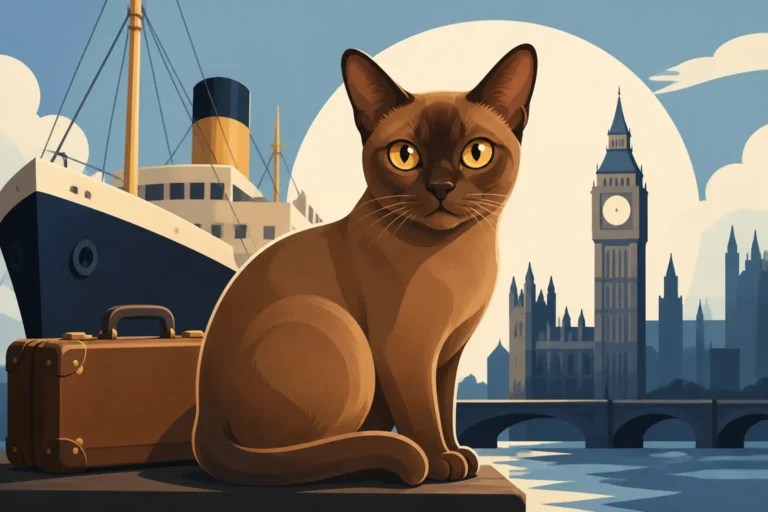
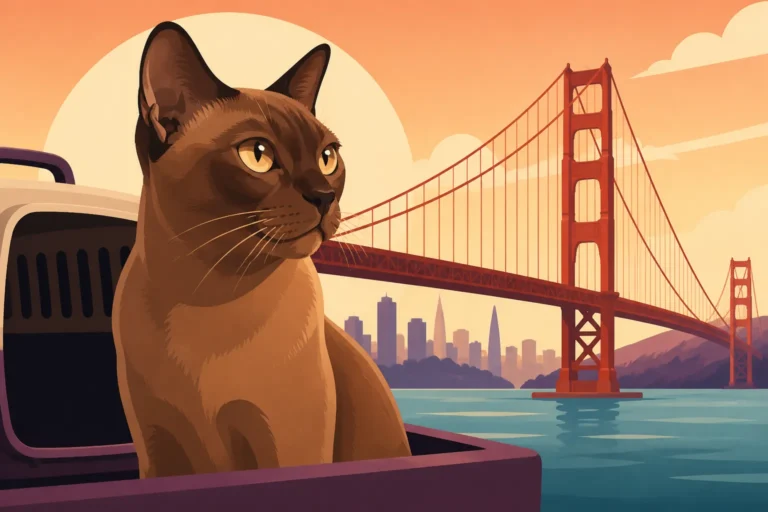
Imagine stepping back to the 1930s. The cat fancy was still relatively young, and new breeds were emerging as dedicated enthusiasts worked to establish distinct lines. It was in this exciting era that a U.S. Navy doctor named Joseph C. Thompson brought a female cat named Wong Mau from Burma to San Francisco. Wong Mau wasn't like the Siamese cats that were already popular; she was a rich, dark brown, with a more compact body and a distinct personality. Dr. Thompson was captivated by her unique qualities and believed she represented a distinct breed, separate from the more widely known Siamese.
To prove his theory, he embarked on a breeding program, a bold and meticulous undertaking for the time. He initially bred Wong Mau to a Siamese cat, which was a common practice when trying to understand the genetic makeup of a new or unfamiliar cat. The kittens from this cross were crucial: some resembled Siamese, some were like Wong Mau, and others displayed an intermediate appearance. This carefully observed outcome suggested that Wong Mau was not a purebred Siamese, but rather carried a gene for a rich, brown coat, now known as The Burmese Began With One Cat Called Wong Mau. Dr. Thompson's dedication to understanding Wong Mau's genetics and establishing her as the progenitor of a new breed was pioneering. His work laid the groundwork for the Burmese we know and love today, proving her unique genetic contribution.
Initial Recognition and Rising Popularity
As Dr. Thompson continued his breeding efforts, carefully selecting and breeding cats to solidify the desired Burmese traits, the breed began to gain traction. The Cat Fanciers' Association (CFA), one of the most prominent cat registries in North America, eventually recognized the Burmese, awarding it championship status. This was a monumental achievement, solidifying the Burmese's legitimacy and opening the doors for breeders to exhibit their cats and gain further popularity for the breed. The unique combination of their affectionate, "dog-like" personalities and their stunning, short, satin coats quickly charmed judges and the public alike.
The early Burmese cats were distinctive. They possessed a sleek, muscular body, large golden eyes, and that signature rich brown (sable) coat that darkened at the points. Breeders worked tirelessly to meet the evolving breed standard, ensuring consistency in type and temperament. People were drawn to their interactive nature, their tendency to follow their humans from room to room, and their constant demand for attention. This initial period of recognition was a whirlwind of excitement and growth, as the Burmese quickly became a sought-after companion.
The Controversial Suspension of 1947
Despite its growing popularity, the early journey of the Burmese was far from smooth. A significant roadblock emerged in 1947 when the CFA made the drastic decision to suspend the registration of Burmese cats. This move sent shockwaves through the budding Burmese community and highlighted the challenges of establishing a new breed, especially when its genetics were closely linked to an existing one.
The Problem of "Siamese Hybrids"
The root of the problem lay in the early breeding practices, specifically the reliance on outcrossing to Siamese cats. As you might recall, Dr. Thompson initially bred Wong Mau to a Siamese to understand her genetics. This practice continued as the breed was being established, often to expand the gene pool or refine certain characteristics. While necessary in the very early stages, this led to a proliferation of cats that were not "pure" Burmese but rather first or second-generation crosses with Siamese. These cats, sometimes referred to as "Siamese hybrids," complicated the genetic integrity of the burgeoning Burmese breed.
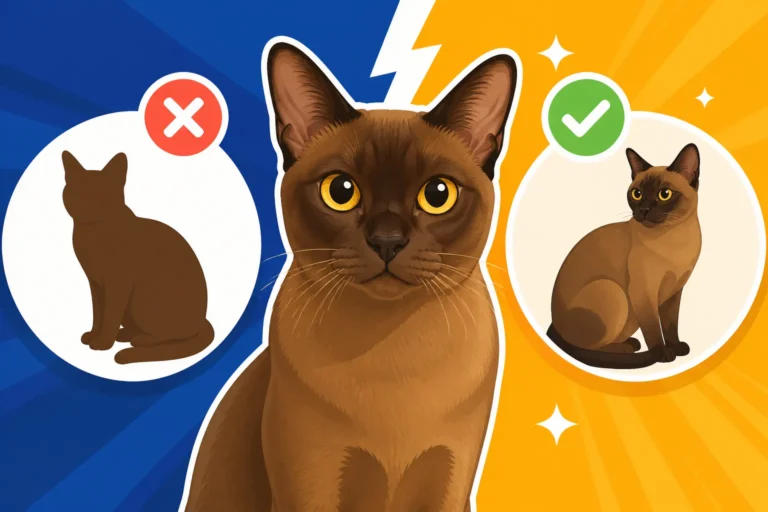
The issue was that these hybrid cats often exhibited traits that blurred the lines between Burmese and Siamese. They might have a lighter body color, or more pronounced points, making them look less like the ideal Burmese and more like a bridge between the two breeds. This made it difficult for judges and enthusiasts to distinguish true Burmese from these crosses, leading to inconsistency in the show ring and confusion within the registry. The passion for the new breed sometimes outpaced the discipline of careful breeding for purity, inadvertently creating a genetic tangle that threatened the breed's very definition.
Why CFA Objected to the Existing Pedigrees
The Cat Fanciers' Association (CFA) is committed to maintaining the integrity and purity of all recognized breeds. When they observed the widespread presence of these Siamese hybrids within the Burmese registry, they became concerned that the breed was losing its distinct identity. Their primary objection was that many registered "Burmese" cats had recent Siamese ancestors in their pedigrees, too close to the current generations. The definition of what constituted a true Burmese was becoming diluted.
CFA's rules were clear: a breed needed to be distinct and consistently reproduce its own type. If cats registered as Burmese were routinely producing kittens that looked like Siamese or something in between, it undermined the very purpose of breed registration. This wasn't about malice; it was about upholding the standards of the cat fancy and ensuring that when someone acquired a cat labeled "Burmese," they were truly getting a cat that embodied the established characteristics of the breed. The situation was creating a crisis of identity for the Burmese, leading CFA to take decisive action to protect the future of the breed.
The Impact of the Suspension on Burmese Breeders
For breeders who had poured their hearts, time, and resources into developing the Burmese, the 1947 suspension was a devastating blow. It meant that their cats, even those they believed were true Burmese, could no longer be registered, effectively halting their ability to show and officially perpetuate their lines within the most prominent registry. Imagine the frustration and uncertainty this caused. Many breeders felt their hard work was being invalidated, and the future of their beloved cats hung in the balance.
The suspension forced breeders to confront the genetic realities of their lines and to commit to a more rigorous approach. It also meant a period of intense scrutiny and a requirement for a much higher standard of proof for any cat to be considered "Burmese." While painful at the time, this period of forced introspection and re-evaluation ultimately strengthened the breed, compelling breeders to focus intensely on genetic purity and the clear distinction of the Burmese type. It was a time that tested the resolve of many, but also forged a path toward a more robust and clearly defined breed.
The Path to Reinstatement: Establishing Purity
The suspension was a harsh lesson, but it also became a catalyst for change. Burmese breeders, determined to see their cherished cats recognized once more, rallied together to address CFA's concerns. This period marked a renewed commitment to establishing verifiable purity within the breed.
The Three Generations Pure Requirement
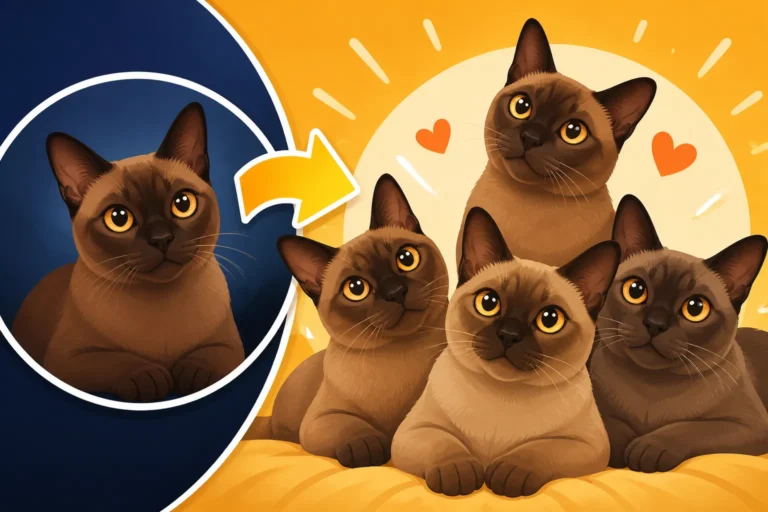
To address the issue of hybrid cats, the CFA introduced a stringent new requirement: for a Burmese cat to be eligible for registration, its pedigree needed to show What CFA Required Before Reinstating the Burmese. This meant that a cat's ancestors for at least three generations back had to be unequivocally identified as Burmese, without any recent Siamese outcrosses. It was a demanding standard, designed to weed out the hybrids and ensure that only cats with a consistent, established Burmese lineage were admitted to the registry.
This requirement placed a significant burden on breeders. They had to meticulously trace pedigrees, often relying on historical records, photographs, and their own deep knowledge of the lines. It wasn't enough for a cat to look Burmese; its ancestry had to prove its purity. This process was time-consuming and often frustrating, but it was absolutely essential for restoring trust in the breed's genetic integrity. Many dedicated breeders spent years working towards this goal, sacrificing immediate breeding plans for the long-term health and recognition of the breed.
Identifying Foundation Cats Meeting the Standard
Amidst the chaos of the suspension and the new "three generations pure" rule, a critical task emerged: identifying the specific cats that did meet the stricter criteria. These cats would become the true foundation for the reinstated Burmese breed. They were the individuals whose pedigrees were clear of recent Siamese ancestry and who consistently produced true Burmese type. Which Three Burmese Met the Standard in 1956 were key to this effort, serving as the bedrock upon which the breed's future would be built.
This involved a painstaking review of existing cats and their lineages. Breeders had to present undeniable proof of their cats' heritage, often collaborating to piece together a comprehensive picture of the Burmese gene pool that could satisfy the CFA's strict demands. It was a true community effort, driven by a shared love for the breed and a collective desire to see it thrive. These foundational cats weren't just exceptional examples of the breed; they were living proof that a distinct and pure Burmese line could be established.
Dedicated Breeders Working Towards Re-recognition
The path to reinstatement was paved by the unwavering dedication of a core group of breeders. They didn't just meet the new requirements; they championed them, understanding that this rigorous process was necessary for the long-term viability and respect of the Burmese. They meticulously documented their breedings, kept detailed records, and worked collaboratively to share knowledge and proven lines. This era solidified the strong ethical foundation of Burmese breeding that persists to this day, with an emphasis on health, temperament, and adherence to the breed standard.
These breeders were more than just cat fanciers; they were geneticists, historians, and advocates. They patiently educated fellow breeders, lobbied the CFA, and demonstrated through their actions and their cats that the Burmese was worthy of its place in the cat fancy. Their perseverance during a challenging decade ensured that the Burmese breed, once on the brink of genetic ambiguity, emerged stronger and more clearly defined than ever before. For example, ensuring their catteries had all the necessary supplies, often ordered from reputable sources, was a significant part of their daily routine even back then, laying the groundwork for the convenience we have today with services like Chewy.
The Burmese Returns: CFA Reinstatement in 1956
After nearly a decade of hard work, careful breeding, and strict adherence to the new standards, the Burmese was finally ready to reclaim its place in the Cat Fanciers' Association. This moment, in 1956, was a triumphant return for a breed that had faced significant adversity.
The Significance of the 1956 Reinstatement
The year 1956 marked a pivotal moment in Burmese history: the official When the Burmese Was Registered Again. It wasn't just about paperwork; it was a powerful statement from the CFA that the Burmese had successfully proven its genetic purity and distinct identity. This reinstatement validated years of dedicated effort by breeders who had committed themselves to the "three generations pure" rule. It meant that Burmese cats could once again compete for championship titles, their pedigrees were recognized, and their future within the mainstream cat fancy was secure.
For the breeders who had endured the suspension, it was a moment of immense relief and pride. Their hard work and belief in the Burmese had paid off. The reinstatement allowed the breed to flourish, expanding its popularity and solidifying its position as one of the most beloved and recognizable short-haired breeds. It was a testament to the power of perseverance and the commitment of a community to protect and advance their chosen feline companions.
What the New Standard Meant for the Breed
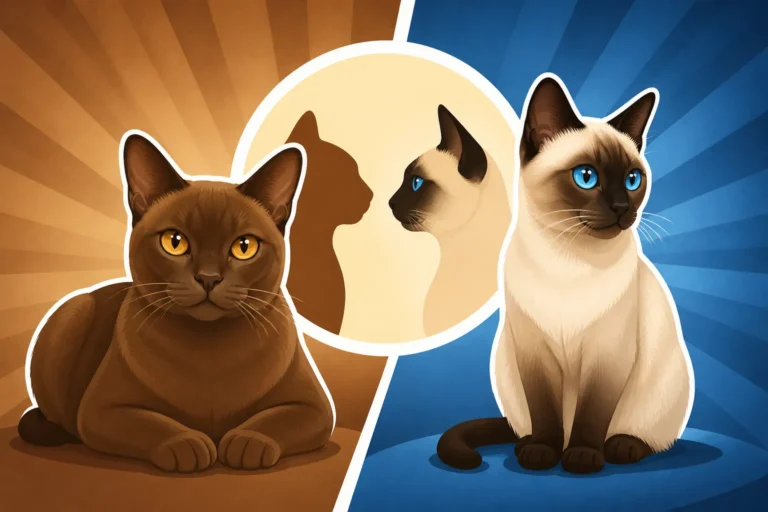
With reinstatement came a refined and reinforced breed standard. This wasn't merely a return to the old rules; it was an evolution that reflected the lessons learned during the suspension. The new standard emphasized the unique characteristics of the Burmese, particularly its compact, muscular body, short satin coat, and distinctive rounded head and golden eyes. It sought to clearly differentiate the Burmese from its Siamese ancestors and any lingering hybrid types.
The standard also played a crucial role in How the American and European Burmese Split. While American breeders continued to focus on a slightly more compact, round-headed cat, the British and European breeders, operating with a smaller gene pool and different aesthetic preferences, began to develop a slightly more angular, less compact type. Both types, however, firmly adhered to the core Burmese color and temperament, but the subtle differences in physical conformation became more pronounced over time. This dual development highlights how standards, while unifying, can also lead to regional variations.
The Legacy of the Suspension and Reinstatement
The 1947 suspension and subsequent 1956 reinstatement left an indelible mark on the Burmese breed. One of the most significant legacies is the inherent focus on genetic health and purity that has characterized Burmese breeding ever since. The difficult lessons learned from the "Siamese hybrid" issue instilled a deep commitment among breeders to rigorously maintain pedigree records and conduct genetic testing where possible. This proactive approach has been vital in managing some of the breed's later health challenges, such as diabetes susceptibility.
Furthermore, the experience fostered a strong, collaborative community among Burmese breeders. They understood the importance of working together to protect their beloved cats. This collaborative spirit has helped navigate other challenges and ensure the long-term health and well-being of the breed. Even today, breeders are keen to show clear health test results for conditions like Hypokalemia, demonstrating their commitment to transparency and responsible breeding practices, often using advanced tools and resources readily available online from places like Chewy.
The Lingering Impact on Breed Development
While the reinstatement was a triumph, the historical journey left a lasting imprint on the Burmese, shaping its development and leading to distinctions that continue to be relevant in the cat fancy today. The early genetic challenges, and the solutions implemented, influenced how the breed evolved on different continents.
The Divergence of American and European Types
One of the most profound and lasting impacts of the early breeding history and the subsequent refinement of breed standards was the How the American and European Burmese Split. After the reinstatement, breeders in North America continued to develop the Burmese along a specific aesthetic path, emphasizing a rounder head, shorter muzzle, and a generally more compact, "cobby" body type. This became known as the American Burmese. The standard for the American Burmese today reflects these distinct features.
Across the Atlantic, particularly in the UK and Europe, a slightly different type of Burmese began to emerge. With a slightly longer muzzle, a less rounded head, and a more slender, elegant body, this type became known as the European Burmese. This divergence wasn't intentional at first but was a natural consequence of different breeding goals and interpretations of the "ideal" Burmese, combined with a relatively isolated gene pool during critical developmental decades. Today, these are considered distinct enough that they are sometimes even shown separately or have different standards in various registries, showcasing the profound impact of those early foundational years.
Modern Registration Standards and Challenges
Today, registries like the CFA and The International Cat Association (TICA) have robust standards for the Burmese cat, ensuring genetic integrity and consistent type. For instance, you won't find significant Whether Any Siamese Blood Remains in the Burmese in registered pedigrees, thanks to the diligence of past and present breeders. However, challenges persist. One ongoing concern is the need to maintain genetic diversity within each type (American and European) while still adhering to strict breed standards. Breeders must carefully select mates to avoid inbreeding and reduce the incidence of inherited health issues.
Responsible breeding also involves comprehensive health testing, particularly for conditions like hypokalemia and a predisposition to diabetes. Modern breeders understand that maintaining the Burmese's official status means more than just meeting physical standards; it means ensuring the health and longevity of the cats they produce. This often means staying informed about the latest genetic research and leveraging resources from suppliers for high-quality food, appropriate litter, and general care products, such as those found on Chewy. The breed's journey from a single cat to a globally recognized standard is a testament to careful breeding and dedicated stewardship. The ninety years since Wong Mau's arrival have seen significant evolution, but the core essence of the Burmese remains: a loving, intelligent, and strikingly beautiful companion.
Disclaimer
This article is for general informational purposes only and does not constitute professional advice. Laws, prices and regulations vary by location and change over time. Consult a qualified professional for guidance on your specific situation.