What Burmese Head Defect Does to a Kitten
Finding a newborn kitten with severe deformities is one of the most heartbreaking experiences a breeder or owner can face, and for Burmese cat enthusiasts, the term "head defect" carries a particularly heavy weight. This devastating genetic condition can lead to severe craniofacial abnormalities, rendering kittens unable to thrive. This guide aims to thoroughly explain what Burmese Head Defect does to a kitten, from its genetic origins to the tragic consequences and the crucial steps responsible breeders take to prevent it.
Understanding Burmese Head Defect: A Genetic Reality
Burmese Head Defect, often referred to as craniofacial defect, is a profound congenital abnormality that affects the development of a Burmese kitten's skull and face. It's a cruel reality that some genetic predispositions can lead to such severe outcomes, and understanding the science behind it is the first step toward prevention and responsible breeding. This isn't a random occurrence; it's a specific, inherited condition that requires careful attention from anyone involved with the breed. The devastating impact of this condition underscores the importance of stringent breeding practices to protect these beloved felines.
The Genetics Behind the Condition
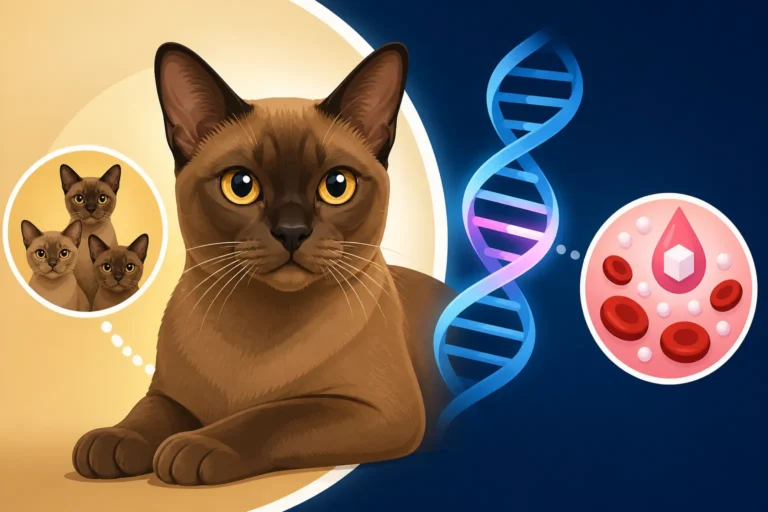
At its core, Burmese Head Defect is a genetically inherited condition. Extensive research, including work documented in studies like those that traced How Burmese Head Defect Was Traced to a Recessive, has identified the specific genetic mutation responsible. This defect is considered a monogenic recessive trait, meaning it's caused by a single gene and only manifests when a kitten inherits two copies of the defective gene—one from each parent. If a kitten inherits only one copy, it becomes a carrier, perfectly healthy itself, but capable of passing the gene on to its offspring. This recessive nature means that even apparently healthy parents can produce affected kittens, adding a layer of complexity and sorrow to breeding programs if genetic testing isn't utilized. Without proper screening, breeders can unknowingly perpetuate this heartbreaking defect within their lines.
The genetic pathway leading to these severe abnormalities is complex, but it fundamentally disrupts normal embryonic development of the skull and facial structures. This isn't just a minor cosmetic issue; it's a fundamental failure in the developmental programming that guides the formation of the head, including the brain, eyes, and jaw. Understanding these intricate genetic mechanisms helps us appreciate the lethal nature of the defect and the critical role genetic screening plays in safeguarding the breed. This knowledge empowers breeders to make informed decisions that prioritize the health and welfare of future generations of Burmese cats.
Why Two Copies of the Gene Are Needed
The fact that Why Two Copies Are Needed for Burmese Head Defect is crucial for understanding its inheritance pattern. Think of it like this: every kitten gets two sets of genes for most traits, one from its mother and one from its father. For Burmese Head Defect, let's say 'D' represents the dominant, healthy gene, and 'd' represents the recessive, defective gene.
- A cat with two healthy genes (DD) is completely clear and cannot pass on the defect.
- A cat with one healthy and one defective gene (Dd) is a carrier. They are healthy themselves, showing no signs of the defect, but they can pass the 'd' gene to their kittens.
- A cat with two defective genes (dd) will express the defect, meaning they will be born with the severe craniofacial abnormalities.
The tragic reality is that if two carrier cats (Dd x Dd) are bred together, there's a 25% chance with each kitten born that it will inherit two copies of the defective gene (dd) and suffer from the head defect. There's also a 50% chance it will be a healthy carrier (Dd) like its parents, and a 25% chance it will be completely clear (DD). This explains why responsible breeders are so diligent about genetic testing; without it, they run the risk of inadvertently producing a litter with this devastating condition. It's a roll of the dice with profoundly sad consequences when not properly managed, highlighting the ethical imperative of screening.
Recognizing the Signs in a Newborn Kitten
Identifying Burmese Head Defect in a newborn kitten can be a profoundly distressing experience. The abnormalities are usually evident at birth, making it clear almost immediately that something is terribly wrong. These kittens often present with striking physical deformities that set them apart from their healthy littermates. It’s not just a subtle difference; the signs are typically severe and unmistakable, requiring immediate and compassionate attention.
Visible Cranial Deformities
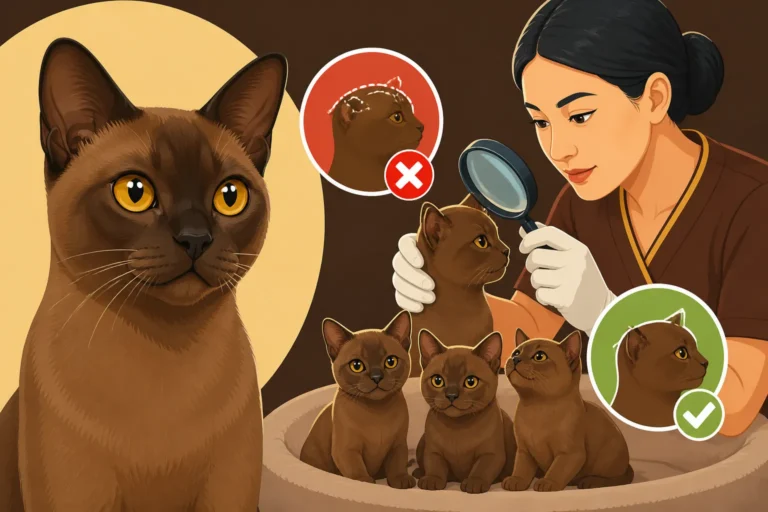
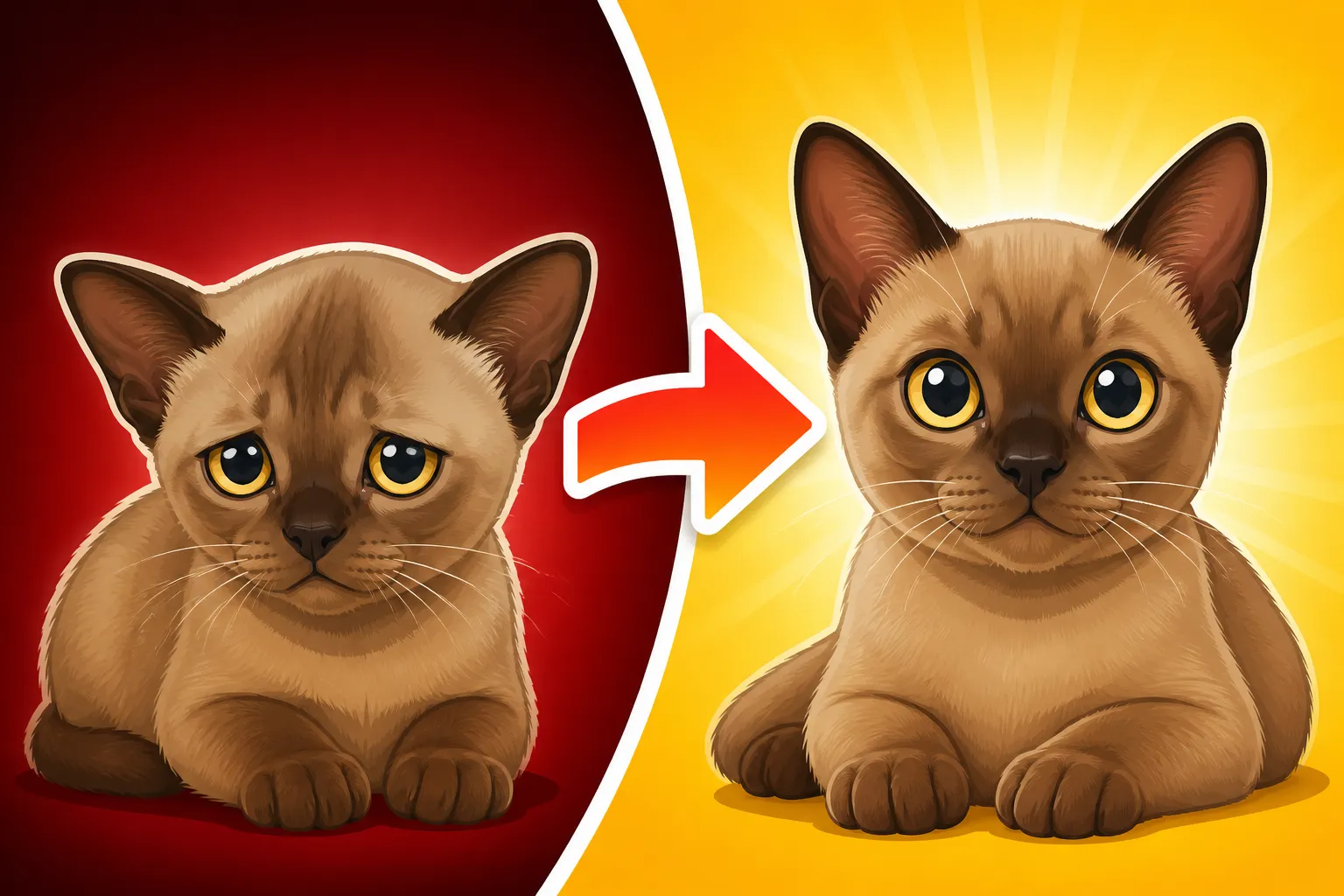
What a Burmese Head Defect Kitten Looks Like is often described as a kitten with a noticeably malformed head and face. The most prominent signs include a severely flattened or domed skull, often appearing unusually broad or constricted. The facial features are also dramatically affected; kittens may have a very short, wide, and flattened muzzle, giving them an almost "pug-like" or squashed appearance, quite distinct from the elegant, rounded features of a healthy Burmese. The eyes might be set abnormally far apart or too close together, bulging, or even appear absent in severe cases, sometimes with underdeveloped eyelids. The jaw can be malformed, leading to an undershot or overshot bite that is visibly severe, making the mouth unable to close properly.
These cranial deformities are not just cosmetic. They indicate severe underlying developmental issues within the skull and brain structure. The brain itself might be compressed or malformed, and the protective bones of the cranium are often incomplete or improperly fused. Sometimes, you might even notice a cleft palate, which is a gap in the roof of the mouth that can be incredibly dangerous for a newborn. The presence of these dramatic and heartbreaking abnormalities means that the kitten's fundamental physical structure is compromised, leading to significant health challenges from the moment of birth.
Neurological Symptoms and Developmental Delays
Beyond the obvious physical malformations, kittens affected by Burmese Head Defect also exhibit severe neurological symptoms and developmental delays. This is a direct consequence of the structural abnormalities within the skull and brain. Immediately after birth, these kittens may struggle with basic life-sustaining reflexes. They often have extreme difficulty suckling and coordinating their feeding, which is critical for survival in the first hours and days of life. Healthy kittens instinctively seek their mother for nursing, but affected kittens might lack this vital drive or the physical ability to latch and swallow effectively.
Their overall neurological function is significantly impaired. You might observe tremors, uncoordinated movements, or an inability to lift their heads and move purposefully, issues that a healthy kitten would not display. They are often much weaker and less responsive than their littermates. While healthy kittens are typically alert and active within hours, those with head defect tend to be lethargic, unresponsive, and show very little engagement with their environment. These profound neurological deficits mean they cannot develop normally, leading to a grim prognosis. The severity of these issues highlights why prompt veterinary assessment is crucial, although sadly, there is no cure for this condition.
The Impact on a Kitten's Health and Survival
The impact of Burmese Head Defect on a kitten's health and survival is devastatingly clear from the moment of birth. This isn't a condition that can be managed or outgrown; it fundamentally compromises a kitten's ability to live. The combination of severe physical deformities and neurological impairment means that these kittens face insurmountable challenges right from the start. It’s a tragedy that underscores the ethical responsibilities of breeders and the profound sorrow it brings to those who witness it.
Feeding Difficulties and Aspiration Risk
One of the most immediate and critical challenges faced by kittens with Burmese Head Defect is their inability to feed properly. The severe malformations of the jaw and mouth, often accompanied by a cleft palate, make suckling almost impossible. A kitten needs to create suction to nurse, and with these structural defects, they simply cannot form a tight enough seal around the mother's nipple. Even if they manage a weak latch, their ability to swallow can be compromised by neurological issues or the physical presence of a cleft palate. This leads to a constant struggle for nourishment, and even syringe feeding becomes risky.
The inability to feed effectively rapidly leads to starvation and dehydration, but perhaps even more dangerous is the aspiration risk. With a malformed mouth or a cleft palate, milk can easily enter the kitten's respiratory tract instead of going down the esophagus. This aspiration leads to pneumonia, which is almost always fatal for a fragile newborn. A kitten might choke, cough, or struggle to breathe during or after attempting to nurse. The constant threat of aspiration pneumonia means that even with intensive care and round-the-clock human intervention, survival is incredibly rare. This critical lack of functional feeding mechanisms is a primary reason why Burmese Head Defect Kittens Do Not Survive.
Secondary Health Complications
Beyond the immediate feeding issues, kittens with Burmese Head Defect are prone to a cascade of severe secondary health complications. The brain abnormalities often lead to hydrocephalus, a buildup of fluid in the brain, which further exacerbates neurological dysfunction and can cause increasing pressure within the already malformed skull. This pressure can manifest as seizures or even more profound lethargy and unresponsiveness, dimming any flicker of hope for the kitten's quality of life. The skeletal system throughout the body might also be subtly affected, leading to weakness or difficulty in movement that isn't immediately obvious but contributes to their overall fragility.
Furthermore, these kittens often have compromised immune systems due to their overall poor health and inability to thrive. This makes them highly susceptible to infections, from simple respiratory issues to systemic infections, against which their tiny bodies have little defense. The sheer burden on their underdeveloped organs means that even if a kitten somehow manages to take in some nourishment, their body struggles to process it and grow. This combination of neurological damage, feeding failure, and systemic weakness makes the condition truly lethal, causing immense suffering for the kitten and distress for its caretakers. The reality is profoundly sad and underscores why a humane approach often involves difficult decisions to prevent prolonged suffering.
Prognosis and Ethical Considerations
Discussing the prognosis for a kitten born with Burmese Head Defect is always difficult, as it carries a heavy emotional toll for everyone involved. The stark reality is that the condition is universally fatal. There is no cure, no surgical intervention, and no amount of supportive care that can overcome the profound and multiple defects these kittens suffer from. This grim prognosis brings with it immense ethical considerations for breeders, veterinarians, and anyone witnessing such a tragedy.
Why Kittens Do Not Survive
It's a harsh truth that Why Burmese Head Defect Kittens Do Not Survive boils down to the fact that the severity of their deformities is simply incompatible with life. As we've discussed, the inability to feed properly, coupled with the high risk of aspiration pneumonia, means they cannot receive the essential nutrition to grow and develop. Their bodies are essentially failing from birth. Beyond the immediate physical challenges, the neurological damage due to the malformed skull and brain function means they lack the coordinated reflexes and vitality necessary for even basic survival. They cannot maintain their body temperature effectively, they struggle to eliminate waste, and their general immune response is severely compromised.
Even with intensive veterinary intervention, such as tube feeding, constant warmth, and medication, these efforts only prolong suffering without offering any hope of recovery or a meaningful quality of life. The defects are too widespread and too fundamental to be overcome. Veterinarians and experienced breeders know that continuing to resuscitate or artificially sustain these kittens merely extends their pain. The humane course of action, heartbreaking as it is, is typically to provide comfort and then to make the difficult decision for compassionate euthanasia, preventing further unnecessary suffering. This decision is never taken lightly but is made out of profound love and respect for the animal.
The Heartbreaking Reality for Breeders and Owners
The birth of a kitten with Burmese Head Defect is a heartbreaking reality for breeders and owners alike. For breeders, it's a devastating blow, not only emotionally but also to their breeding program. They pour their hearts and souls into producing healthy, thriving kittens, and to have a litter affected by such a severe congenital defect is profoundly distressing. There's often a sense of guilt, even when all precautions like genetic testing have been taken, as the recessive nature of the gene means it can still appear in their lines if two carriers are unknowingly bred together, or if a new mutation arises. The financial implications can also be significant, from vet bills for diagnosis to the loss of potential income from a litter.
For owners, especially those who may have eagerly awaited a kitten from a particular litter, the news is equally shattering. Even if they don't witness the birth directly, hearing about such a severe defect is deeply upsetting. It can also raise questions about responsible breeding practices, which is why transparency from breeders about genetic testing and health guarantees is so crucial. Navigating this emotional landscape requires immense compassion and support. While comprehensive pet insurance providers like Healthy Paws can offer crucial financial support for a wide range of illnesses and accidents throughout a cat's life, congenital conditions like head defect are often excluded from coverage, or a specific genetic test might be required before breeding to qualify for certain assurances, which further highlights the importance of preventative screening. The best outcome for everyone involved is prevention, which is why genetic testing is so paramount.
Prevention and Responsible Breeding Practices
Given the utterly devastating nature of Burmese Head Defect, prevention becomes the absolute cornerstone of responsible breeding. There is no cure for this condition, so the focus must entirely be on eliminating the risk of affected kittens ever being born. This requires a proactive, informed, and deeply ethical approach from every Burmese breeder, prioritizing the health of the breed above all else. This isn't just about avoiding financial loss or emotional pain; it's about safeguarding the welfare of these wonderful cats.
Genetic Testing for Carriers
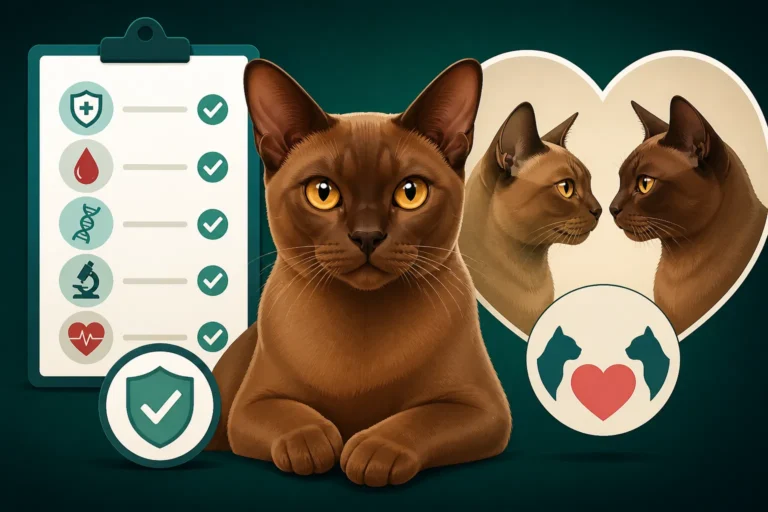
The single most effective tool for preventing Burmese Head Defect is comprehensive genetic testing. Since the defect is caused by a known recessive gene, a DNA test can accurately identify whether a cat is clear (does not carry the gene), a carrier (carries one copy but is healthy), or affected (carries two copies and would exhibit the defect, though affected kittens typically don't survive to breeding age). Responsible breeders routinely perform genetic screenings on all their breeding cats before any mating takes place. This essential step is part of the broader commitment to What a Burmese Breeder Must Test Before Any Mating.
If a cat tests as a carrier, it doesn't necessarily mean they can't be bred. Instead, it means they must only be bred with a cat that has tested as completely clear of the gene. In such a pairing (carrier x clear), statistically, none of the kittens will be affected by the defect, although approximately 50% will be carriers themselves. This approach ensures that affected kittens are never produced while still allowing valuable genetic diversity from carrier lines to be maintained, which is sometimes important for the overall health of a breed. This strategy is also why Burmese Head Defect Carriers Are Still Bred From, but with extreme caution and mandatory testing. Any reputable breeder should be able to provide clear documentation of genetic testing results for both parents of any kitten they offer, proving that they've taken these vital preventative measures. If a breeder is unable or unwilling to show proof that a Burmese Head Defect Test Exists and has been performed, it's a significant red flag.
The Importance of Pedigree Research and Transparency
Beyond individual genetic testing, responsible breeding also heavily relies on thorough pedigree research and complete transparency within the breeding community. Pedigrees provide a historical record of a cat's ancestry, which can offer clues about the potential presence of certain genetic conditions within a line. A breeder who truly understands How a Burmese Breeder Avoids the Head Defect will meticulously study pedigrees, looking for any history of the defect, even if it's generations back. They will also openly discuss the genetic health of their lines with prospective buyers and fellow breeders.
Transparency means acknowledging that no breeding program is entirely free from genetic risks, but demonstrating proactive measures to mitigate them. This includes sharing genetic test results, being honest about any historical instances of the defect within their lines (even if controlled), and actively participating in efforts to reduce its prevalence. Organisations like the Cat Fanciers' Association (CFA) or The International Cat Association (TICA) also promote responsible breeding standards, though the ultimate responsibility rests with individual breeders. The goal is to gradually reduce the frequency of the carrier gene in the population, eventually eradicating the disease entirely, but this takes a collective, honest effort. Maintaining open lines of communication and sharing information about genetic health, including Which Tests Belong on a Burmese DNA Panel, contributes to the overall health and integrity of the Burmese breed for future generations.
Living With a Burmese: Long-Term Health Outlook
While the focus of this article has been on the devastating Burmese Head Defect, it's important to remember that the vast majority of Burmese cats are wonderfully healthy and live long, fulfilling lives. Understanding potential health challenges, like this one, allows owners to appreciate the dedication of responsible breeders and to make informed decisions about welcoming a Burmese into their home. A well-bred Burmese, free from such congenital defects, is typically a robust and affectionate companion that brings immense joy for many years.
These cats are known for their incredibly engaging personalities, their "dog-like" devotion, and their playful spirit that often extends well into their senior years. While they do have certain predispositions, such as the notably high rate of diabetes in the breed (The Burmese Has the Highest Diabetes Rate of Any Cat Breed) or the risk of Hypokalemia Is the Burmese Disease With a DNA Test, these are manageable conditions with proper care, diet, and veterinary oversight. In contrast, Burmese Head Defect offers no such hope, which truly highlights the difference between a treatable condition and one that is lethal from birth.
A healthy Burmese kitten, acquired from a reputable breeder who screens for known genetic conditions, is a joy to behold. They are active, curious, and quickly become cherished members of the family. Ensuring their long-term health involves regular veterinary check-ups, a high-quality, appropriate diet—often a low-carbohydrate, high-protein wet food to help mitigate the diabetes risk—and plenty of mental and physical enrichment. Proactive care and awareness of common breed-specific issues are key to enjoying the full lifespan of your beloved Burmese, which can often be up to The Sixteen to Eighteen Years a Well Bred Burmese Gets. When choosing a kitten, always prioritize a breeder who is transparent about health testing, offers guarantees, and demonstrates a deep understanding of their cats' genetic heritage and health. This diligence helps ensure your furry friend has the best possible start in life, allowing you to focus on the many years of love and companionship ahead.
| Aspect | Healthy Burmese Kitten | Kitten with Burmese Head Defect |
|---|---|---|
| Skull/Facial Structure | Rounded head, well-proportioned muzzle, clear eyes | Flattened/domed skull, severely shortened/flattened muzzle, widely/closely set or absent eyes, potential cleft palate |
| Suckling Reflex | Strong, coordinates nursing effectively | Absent or extremely weak, unable to latch and swallow efficiently |
| Movement & Responsiveness | Active, alert, coordinated, responds to stimuli | Lethargic, uncoordinated, tremors, unresponsive, weak |
| Breathing | Clear, even, no struggle | Labored, signs of aspiration (coughing, choking) |
| Prognosis | Excellent with proper care, long lifespan | Universally fatal, incompatible with life |
| Genetic Cause | Inherited two healthy genes or one healthy/one carrier | Inherited two defective genes from carrier parents |
Disclaimer
Please remember that the information provided in this article is intended for educational purposes only and should not be considered a substitute for professional veterinary advice. If you suspect your cat or kitten is ill or exhibits any concerning symptoms, always consult with a qualified veterinarian immediately. They can provide accurate diagnosis, treatment, and personalized recommendations for your pet's health.