Whether Corneal Dermoid Reaches the Burmese
It's incredibly unsettling when you notice something unusual with your beloved cat, especially when it involves their eyes. For many Burmese owners, who are already acutely aware of the breed's predispositions to certain health challenges, any deviation from the norm can trigger immediate concern. This comprehensive guide aims to ease some of that worry by specifically addressing corneal dermoids in Burmese cats, explaining what they are, how to identify them, and the steps involved in their diagnosis and treatment.
Understanding Corneal Dermoid: What Is It Exactly?
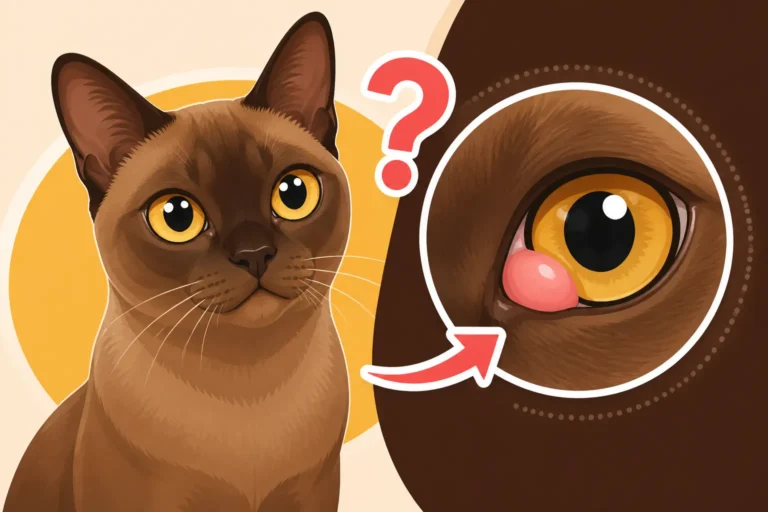
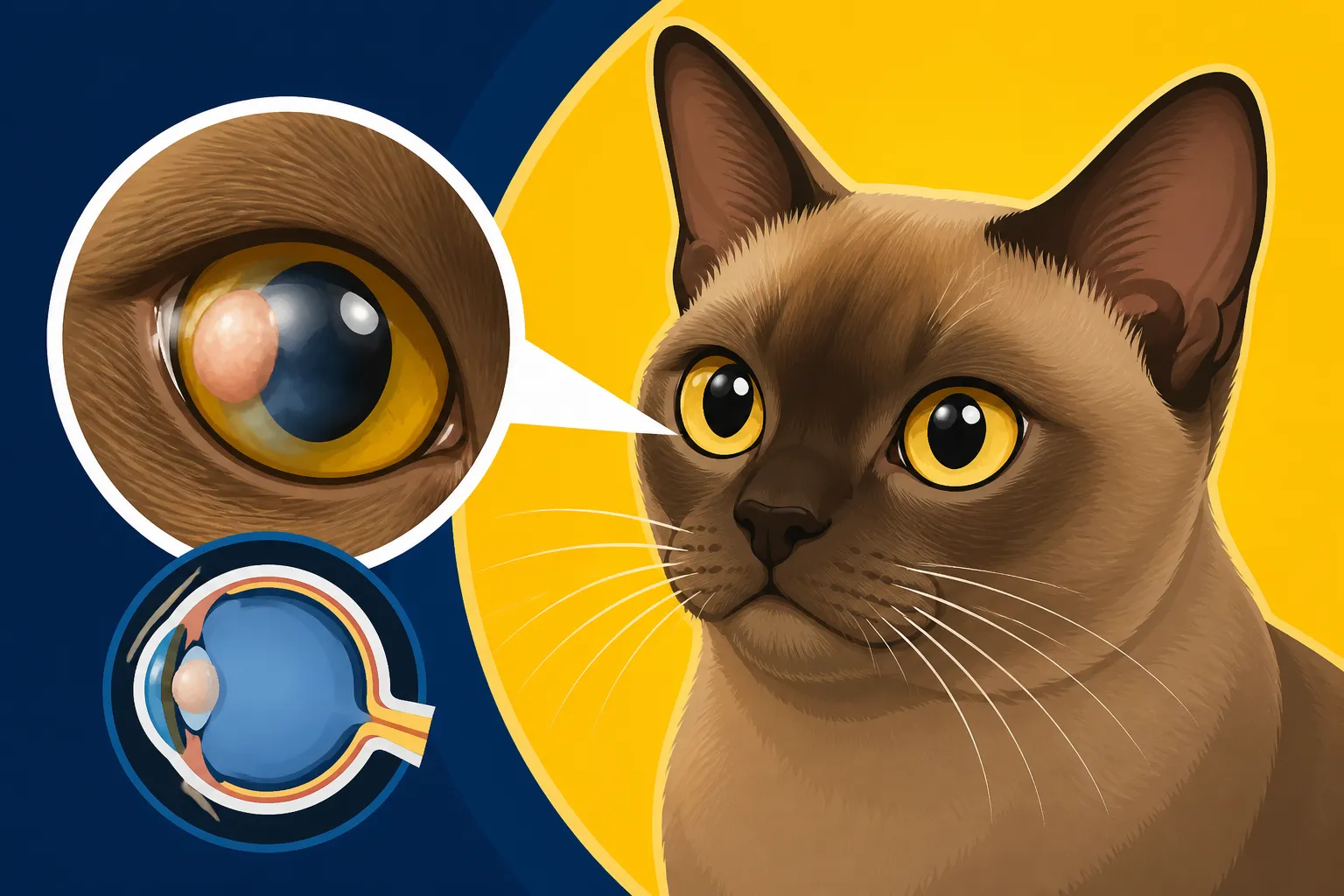
Finding an unexpected growth on your cat's eye can be quite alarming, often leading to a flurry of panicked searches and veterinary calls. When we talk about a corneal dermoid, it sounds complex, but it's essentially a bit of misplaced tissue. Imagine finding a small patch of skin, perhaps with a few tiny hairs, growing right on the surface of your cat's eye. That’s generally what a corneal dermoid looks like. It’s not a tumor in the cancerous sense, nor is it an infection. Instead, it’s a benign congenital anomaly where normal body tissue grows in an abnormal location.
More Than Just an Ingrown Hair
A corneal dermoid isn't just an ingrown hair, though it might certainly appear that way. It’s actually a piece of skin — complete with hair follicles, sweat glands, and even fat cells — that has developed on the surface of the cornea (the clear front part of the eye) or the conjunctiva (the pink membrane lining the eyelids and covering the white part of the eye). While it might be small and seem innocuous, the presence of skin and hair on such a sensitive, normally transparent structure can cause significant irritation and discomfort for your cat.
Think about how irritating just a single eyelash in your own eye can be. Now imagine a small patch of skin, possibly with coarse hairs, constantly rubbing against the delicate corneal surface every time your cat blinks. It's not a pleasant thought, and it certainly explains why a cat with a dermoid might be pawing at their face or squinting more than usual. The size and exact location can vary greatly; some are tiny specks, while others can be quite large, covering a noticeable portion of the cornea.
How Does a Corneal Dermoid Form?
Corneal dermoids are fascinating because they are a testament to how intricate embryonic development truly is. These growths are congenital, meaning your cat is born with them. They aren't something that develops later in life due to injury, infection, or environmental factors. Instead, they arise from an error during fetal development.
In simple terms, during the very early stages when a kitten is forming inside its mother, some cells that are destined to become skin and its associated structures (like hair follicles) mistakenly migrate to the eye area. Instead of forming healthy eyelid skin or facial fur, these cells develop on the cornea or conjunctiva. It's a developmental glitch, an innocent misplacement of tissue. Because it's a developmental issue, it doesn't "grow" in the same way a tumor would expand through uncontrolled cell division. Instead, the tissue simply develops in the wrong place, and will grow as normal skin and hair would, potentially becoming more noticeable as the kitten matures.
Is the Burmese Cat Genetically Predisposed to Corneal Dermoids?
When you own a Burmese cat, you become accustomed to being extra vigilant about their health. This breed, while incredibly charming and affectionate, does carry a higher risk for certain genetic health conditions, making any new lump or symptom a cause for investigation. It’s completely natural to wonder if every unusual finding is another genetic quirk of the breed.
The General Incidence in Cats
Corneal dermoids are considered quite rare in the feline population as a whole. While they can occur in any cat, they don't have a strong breed-specific genetic link that causes them to pop up regularly in certain purebred lines, unlike some other well-known conditions. For example, some breeds might be known for issues like progressive retinal atrophy or certain eyelid abnormalities, but corneal dermoids typically aren't on those lists.
If you search for cat breeds with a higher incidence of corneal dermoids, you'll generally find that domestic shorthairs (which simply represent the largest portion of the cat population) might have occasional cases, and occasionally other purebreds like Siamese are mentioned, but it's not a common, well-documented, or highly prevalent issue in any single breed. This rarity means that if your Burmese develops one, it's more likely a sporadic developmental hiccup rather than a deep-seated genetic predisposition specific to the breed.
Diving into Burmese Specific Eye Health
Now, when it comes to Burmese cats, owners are often more familiar with different types of eye concerns. Many Burmese have a lovely, round head shape and slightly prominent eyes that can sometimes lead to issues like chronic tearing or crusting in the eye corners. This isn't usually a severe problem, but it requires regular, gentle cleaning to prevent irritation or secondary infections. You might be familiar with advice on How to Clean a Burmese's Eye Corners Safely or wondering Why a Burmese's Eyes Water and Crust in the first place. These are far more common observations for a Burmese owner than a corneal dermoid.
It’s crucial to understand that corneal dermoid is not recognized as a common or breed-specific genetic disease in Burmese cats. While no breed is entirely immune to any condition, the robust genetic health panels available for Burmese cats, which often test for serious conditions like hypokalemia or GM2 gangliosidosis, do not typically include a test for corneal dermoids because it's simply not a prevalent concern for the breed. This should offer some reassurance. We often worry so much about Which Diseases the Burmese Actually Carries that it's easy to assume any new issue is part of the genetic lottery. However, in this case, a corneal dermoid in a Burmese is more likely an isolated incident rather than a common genetic flaw.
Recognizing the Signs of a Corneal Dermoid
One of the most powerful tools you have as a cat owner is your keen observation. Because Burmese cats are so affectionate and intertwined with their human families, you're often the first to notice subtle changes in their health or behavior. Spotting a corneal dermoid early can make a big difference in your cat's comfort and treatment options.
Visual Cues and Physical Appearance
A corneal dermoid is generally quite visible if you're looking closely at your cat's eyes. It will typically appear as an opaque, fleshy mass on the surface of the cornea (the clear part) or the conjunctiva (the pink lining around the eye). The color can range from off-white to a light brown, and often, you can actually see small hairs growing from it. These hairs might be very fine or coarse, and sometimes they're long enough to be quite distinct.
The location can vary. Some dermoids are right in the center of the cornea, directly impacting vision. Others might be closer to the edge, or even on the third eyelid. When you gently part your Burmese's eyelids and look at their eye surface, you might see what looks like a tiny patch of skin or a small clump of fur where it absolutely shouldn't be. Since these are congenital, you'd usually notice it when your Burmese is still a kitten, perhaps during one of their initial vet checks, or as they grow. This is why thorough kitten exams, like what's covered in What a Burmese Kitten's First Exam Should Cover, are so important.
How it Affects Your Cat's Comfort and Vision
The presence of a dermoid isn't just a cosmetic issue; it can genuinely impact your cat's quality of life. The most common problem is irritation. Imagine having a permanent foreign object in your eye, especially one with hair rubbing against the sensitive corneal surface. This constant friction can lead to several uncomfortable symptoms:
- Squinting or Blepharospasm: Your cat might frequently squint or keep the affected eye partially closed to try and minimize irritation.
- Excessive Tearing (Epiphora): The eye will likely produce more tears than usual as a natural response to the irritation, leading to a damp, often stained area below the eye.
- Redness and Inflammation: The conjunctiva, the pink tissue around the eye, might appear red and inflamed due to the ongoing irritation.
- Pawing or Rubbing: Your Burmese might try to rub or paw at their eye, potentially causing further trauma or introducing bacteria.
- Corneal Ulcers: In more severe cases, the constant rubbing can lead to an open sore on the cornea, known as a corneal ulcer, which is painful and can become infected.
- Vision Impairment: If the dermoid is large or centrally located, it can physically block your cat's vision. While it's unlikely to cause complete blindness, it can significantly obstruct their view, especially their peripheral vision on the affected side.
Observing any of these signs warrants a prompt visit to your veterinarian. Remember, your Burmese is excellent at hiding discomfort, often masking illness behind their loving nature. As discussed in Why a Burmese Hides Illness Behind Its Affection, any subtle change should be taken seriously.
Diagnosis and Treatment Options for Corneal Dermoid
Once you've noticed something amiss with your Burmese's eye, the next step is a trip to the vet. Don't delay, as early diagnosis and intervention can prevent further discomfort and potential complications. The good news is that corneal dermoids are usually quite straightforward to diagnose and, in most cases, have a very good prognosis with treatment.
The Vet Visit and Diagnostic Process
When you bring your Burmese to the veterinarian, they will perform a thorough eye examination. In many cases, the diagnosis of a corneal dermoid can be made visually, simply by observing the characteristic appearance of skin and hair on the eye surface. Your vet will likely use an ophthalmoscope or a focal light source to get a magnified view of the eye.
To rule out other issues and assess the full impact of the dermoid, your vet might also perform a few additional diagnostic tests:
- Fluorescein Stain Test: A special orange dye is applied to the eye. This dye adheres to any areas of corneal damage, like ulcers, and glows under a blue light. This helps determine if the dermoid has caused any painful ulcers on the cornea.
- Schirmer Tear Test: This measures tear production, which can sometimes be affected by chronic irritation.
- Ocular Pressure Test: While not directly related to dermoids, it's a good general eye health check.
In some situations, especially if the dermoid is complex or involves a significant portion of the cornea, your vet might recommend a referral to a veterinary ophthalmologist. These specialists have advanced equipment and expertise in eye conditions and surgery, ensuring the best possible outcome.
Surgical Removal and Post-Operative Care
For most corneal dermoids that cause irritation or vision impairment, surgical removal is the primary and most effective treatment. The goal of surgery is to excise the abnormal tissue completely while preserving the integrity of the cornea and maximizing your cat's vision. This procedure requires a skilled hand and is typically performed under general anesthesia.
The veterinary surgeon will carefully remove the dermoid tissue. Depending on its depth, a very fine layer of the cornea might also be removed to ensure complete excision. The cornea is then meticulously repaired. The good news is that the cornea has remarkable healing capabilities.
Post-operative care is crucial for a smooth recovery and includes:
- Elizabethan Collar (E-collar): Your cat will almost certainly need to wear a cone to prevent them from rubbing or scratching their healing eye, which could dislodge sutures or introduce infection.
- Eye Drops or Ointments: You'll be prescribed antibiotic eye drops to prevent infection and anti-inflammatory drops to manage pain and swelling. Administering these as directed is vital.
- Pain Medication: Oral pain relievers might also be prescribed for a few days to keep your cat comfortable.
- Restricted Activity: Keeping your Burmese calm and limiting strenuous play will help prevent any trauma to the surgical site.
- Follow-up Appointments: Regular check-ups with your vet will be necessary to monitor healing and remove any sutures if needed.
The cost of veterinary surgery can be a significant concern for many pet owners. This is where pet insurance can be a real lifesaver. Providers like Healthy Paws often cover unexpected surgical procedures, helping to soften the financial blow during a stressful time. It's a worthy consideration to ensure your beloved Burmese can always get the care they need without you having to choose between their health and your wallet. If you're wondering about broader financial planning for your cat's health, topics like Whether a Burmese Policy Is Worth It Once Diabetes Is Excluded can provide valuable insight.
Managing Without Surgery When Appropriate
While surgery is the most common approach, there are rare instances where a dermoid might be managed without immediate surgical intervention. This is typically only considered for very small dermoids that are:
- Non-irritating: They don't cause any squinting, tearing, or obvious discomfort.
- Not vision-impairing: Their size and location don't block any part of your cat's field of vision.
- Not growing: The dermoid remains stable over time.
In such cases, your vet might recommend a conservative approach, which involves:
- Regular Monitoring: Close observation of the dermoid for any changes in size, shape, or if it starts to cause irritation. This means consistent, vigilant checks on your part and scheduled follow-up visits with your vet.
- Lubricating Eye Drops: If there's any mild dryness or minimal irritation, your vet might suggest lubricating eye drops to help keep the eye comfortable.
It's absolutely critical that any decision to manage a dermoid without surgery is made in close consultation with your veterinarian or a veterinary ophthalmologist. Self-diagnosis and self-treatment are never recommended when it comes to eye health, as conditions can worsen rapidly and lead to irreversible damage.
Here's a quick overview of what to look for and the typical next steps:
| Sign/Symptom | Description | What to Do |
|---|---|---|
| Visible Growth on Eye | Fleshy, opaque patch (often with hair) on cornea or conjunctiva | Schedule immediate vet appointment |
| Squinting or Partially Closed Eye | Cat keeps affected eye partially or fully shut | Vet visit to assess discomfort and possible ulceration |
| Excessive Tearing | Constant wetness or discharge from the eye | Consult vet to determine cause and irritation level |
| Redness/Inflammation | Conjunctiva appears visibly red or swollen | Urgent vet check to rule out infection or severe irritation |
| Pawing/Rubbing at Eye | Cat frequently attempts to rub or scratch the affected eye | Prevent self-trauma with a soft cone, see vet urgently |
| Changes in Vision | Bumping into things, reluctance to jump, difficulty seeing | Immediate vet visit, potential referral to ophthalmologist |
Preventative Measures and Overall Eye Health for Your Burmese
While you can't prevent a congenital anomaly like a dermoid from forming during development, there's plenty you can do to ensure your Burmese cat's overall eye health and quickly address any issues that arise. Being proactive and informed is key to keeping those beautiful, expressive Burmese eyes bright and clear.
Breeder Responsibilities and Genetic Screening
When acquiring a Burmese kitten, choosing a reputable breeder is paramount. A responsible breeder will prioritize the health and well-being of their lines, and while corneal dermoids aren't a specific genetic concern for Burmese, a good breeder will still be transparent about any health issues that have appeared in their cats, including rare occurrences like a dermoid. They will also screen for the known genetic conditions that do affect the breed. Asking a breeder about their Which Tests Belong on a Burmese DNA Panel is a vital part of your due diligence.
A responsible breeder will also ensure their kittens receive a thorough veterinary check-up before going to their new homes, typically around 12-13 weeks of age. This initial vet visit, which usually covers What a Burmese Kitten Has Had Done by Thirteen Weeks, is crucial for catching any visible congenital abnormalities, including eye issues like a dermoid, early on. Don't hesitate to ask your breeder about the eye health history of the kitten's parents and the litter.
Routine Care for Bright, Healthy Burmese Eyes
Beyond genetic predispositions, consistent daily and weekly care plays a significant role in maintaining your Burmese cat's eye health. Their affectionate nature makes these routine checks a bonding experience rather than a chore.
- Daily Visual Inspection: Make it a habit to gently look at your Burmese's eyes every day. Look for any signs of redness, cloudiness, excessive tearing, discharge (especially if it's thick, colored, or green/yellow), or squinting. Compare both eyes to see if one looks different from the other.
- Cleanliness: As mentioned earlier, many Burmese cats can have watery eyes that lead to crusting in the corners. Use a soft, clean, damp cloth (warm water only, no soap or harsh chemicals) to gently wipe away any build-up around the eyes. Always wipe away from the eye, and use a fresh part of the cloth for each eye to prevent cross-contamination.
- Recognize Other Signs of Trouble: Beyond dermoids, be aware of other potential eye issues. If your Burmese suddenly develops cloudiness in one or both eyes, their pupils become uneven in size, they seem overly sensitive to light, or they stop following you with their usual keen gaze, these are all signs that warrant a vet visit.
- Regular Veterinary Check-ups: Even if your Burmese seems perfectly healthy, routine veterinary exams are essential. Your vet can catch subtle changes or issues that you might miss. These annual checks, as discussed in How Often a Healthy Adult Burmese Needs Checking, include a thorough examination of the eyes and can help identify problems before they become severe. For older cats, regular screenings become even more vital.
By being observant, providing routine care, and partnering with your veterinarian, you can ensure your beloved Burmese enjoys bright, healthy eyes for their entire happy, long life.
Disclaimer
The information provided in this article is for general informational purposes only and is not a substitute for professional veterinary advice. Always consult with a qualified veterinarian for any health concerns or before making any decisions related to your pet's health or treatment.