Which Diet Puts a Burmese Into Remission
It's incredibly distressing to watch your beloved Burmese cat struggle with feline diabetes, especially when you know their breed is particularly prone to it. The sheer frustration of giving injections and meticulously monitoring their every move, all while wondering if there's a better way, is a feeling many Burmese owners know intimately. This comprehensive guide is here to walk you through the specifics of how a carefully chosen diet can not only manage your Burmese's diabetes but, for many, actually lead to a complete remission, giving you hope for a healthier, insulin-free future for your furry friend.
Understanding Burmese Diabetes and Diet's Pivotal Role
When you get that diagnosis, it feels like a punch to the gut. You might immediately think of insulin shots and a lifetime of medical management. While insulin is often necessary initially, for many Burmese cats, diet holds the key to changing that narrative entirely. It's not just about managing symptoms; it's about addressing the root cause where possible.
Why Burmese Cats Are Prone to Diabetes
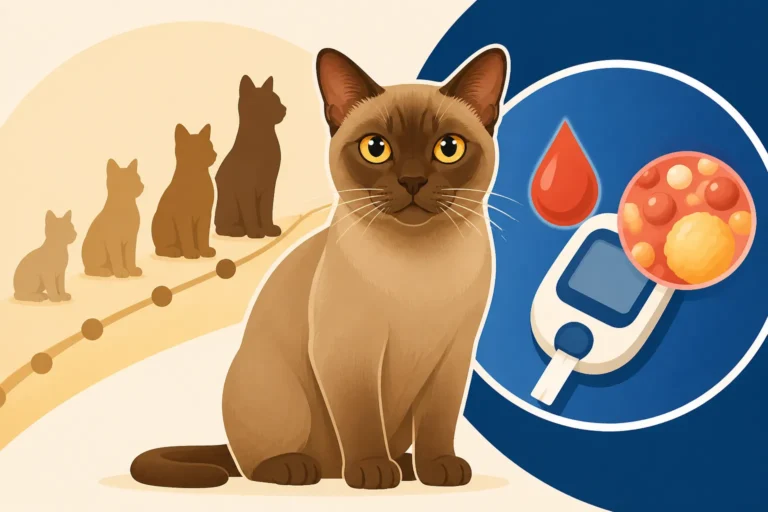
The Burmese breed, both American and European types, unfortunately, carries a significant genetic predisposition to developing diabetes mellitus. Research has highlighted that the Burmese has the highest diabetes rate of any cat breed, making them four times more likely to become diabetic compared to the general cat population. This isn't just bad luck; there are specific genetic factors at play, especially within Australian and European Burmese lines that show it most. This inherited susceptibility means that while diet and lifestyle choices are critical for all cats, they are absolutely paramount for a Burmese. Their bodies are simply less forgiving when it comes to the wrong kind of food, often struggling to process carbohydrates efficiently, which can lead to insulin resistance and eventually, full-blown diabetes.
This predisposition means that owners of Burmese cats need to be vigilant about their cat's weight and diet from kittenhood, long before any signs like increased thirst or urination even appear. Learning Why Portion Control Is Medical Care in a Burmese early can truly make a difference in their long-term health.
The Core Principle of Diabetic Remission: Carbohydrate Restriction
The overwhelming consensus among feline veterinarians and researchers is that a low-carbohydrate, high-protein diet is the single most effective dietary intervention for managing and achieving remission in diabetic cats. Why is this so crucial? Cats, by nature, are obligate carnivores. Their bodies are designed to derive energy primarily from protein and fat, with very little need for carbohydrates. In fact, their digestive systems are not well-equipped to handle large amounts of carbs.
When a cat consumes a high-carbohydrate diet, especially the kind found in many dry kibbles, their pancreas is constantly working overtime to produce insulin to process all that sugar. For a diabetes-prone Burmese, this chronic strain can exacerbate their genetic tendency towards insulin resistance, leading to the pancreas essentially "burning out." By drastically reducing carbohydrates, we minimize the demand on the pancreas, allowing it to rest, heal, and, in many cases, resume normal or near-normal insulin production. This is the pathway to remission. It's about letting your cat's body do what it's naturally designed to do, without the carb overload.
The Low-Carbohydrate Diet for Remission
Transitioning to a remission-focused diet isn't just about picking up a "diabetic" cat food. It requires understanding the specific nutritional parameters that truly make a difference for a Burmese, focusing on the macro-nutrient breakdown.
What "Low-Carbohydrate" Truly Means for a Burmese
For a diabetic Burmese, "low-carbohydrate" isn't a vague suggestion; it's a precise target. We're talking about diets where carbohydrates make up less than 10% of the metabolizable energy (ME), and ideally even lower, often closer to 5-6%. Many commercial cat foods, especially dry kibble, can have carb percentages ranging from 25% to even 50% or more, which is utterly detrimental to a diabetic cat.
To find the carbohydrate content, you'll often need to look past the "guaranteed analysis" on the label, which lists minimums and maximums for protein, fat, fiber, and moisture. Instead, you'll need to calculate it. The basic formula involves taking 100% and subtracting the percentages of protein, fat, moisture, ash (if listed), and fiber. This gives you a rough estimate of the carbohydrate content on a "dry matter" basis. A quick online search for "calculating dry matter basis cat food carbs" can provide detailed instructions and even online calculators to help you out. Brands like Fancy Feast Classic Pâté varieties, Friskies Pâté, or specific prescription diets like Purina Pro Plan Veterinary Diets DM or Royal Canin Veterinary Diet Glycobalance are often recommended for their low carb profiles. Remember, your vet is your best resource for specific brand recommendations tailored to your cat's individual needs.
Prioritizing Wet Food Over Dry Kibble
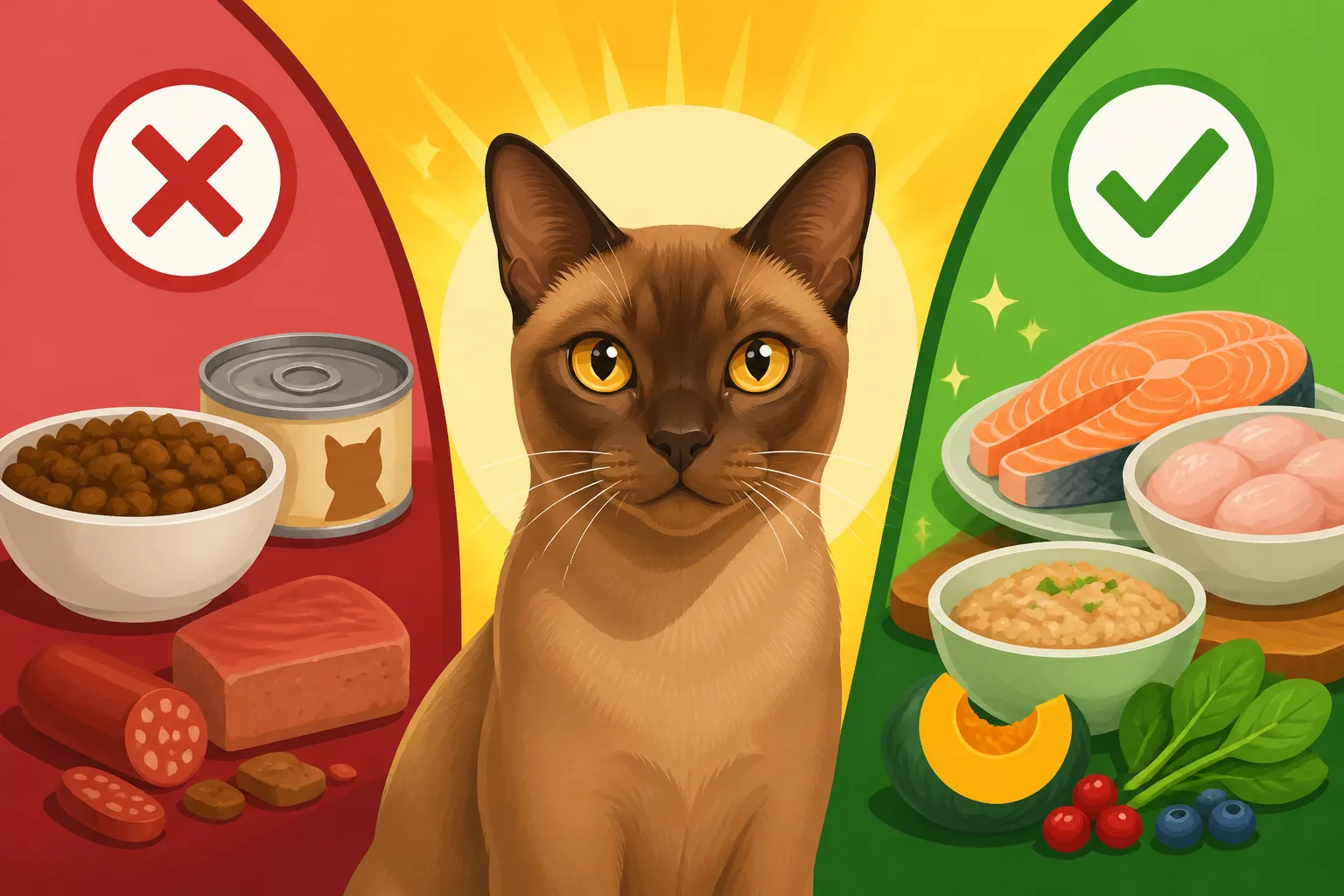
This is perhaps the most significant shift for many owners: moving away from dry kibble. Dry food, by its very nature, simply cannot be truly low in carbohydrates. It requires starches and grains to bind it into those little crunchy pieces. Even "grain-free" kibbles often replace grains with other high-carb fillers like peas, potatoes, or lentils, which are just as problematic for a diabetic cat.
Wet food, on the other hand, provides several crucial benefits:
- Low Carbohydrate Potential: It's far easier to formulate wet food with very low carbohydrate content. Manufacturers can use more meat-based ingredients and fewer fillers.
- Increased Water Intake: Cats have a low thirst drive and often don't drink enough water, especially those on dry diets. Wet food provides significant moisture, which is vital for kidney health and general hydration, particularly important for a cat dealing with diabetes, which can lead to dehydration. Tracking your Burmese's water intake is actually a significant diabetes warning sign if it increases.
- Higher Protein and Fat: Wet foods typically align better with a cat's carnivorous needs, offering more protein and healthy fats derived from animal sources.
Imagine your Burmese, who already has a genetic predisposition, eating a bowl of kibble twice a day. Each meal is a carbohydrate bomb, forcing their struggling pancreas into overdrive. Switching to a high-quality wet food is like taking an immense burden off their system, giving it a real chance to recover.
The Importance of High Protein
While low carbohydrates are the star of the show for remission, high protein is its essential supporting act. Cats need a significant amount of animal-derived protein to maintain muscle mass, support organ function, and generally thrive. For a diabetic Burmese, ensuring adequate protein intake is even more critical.
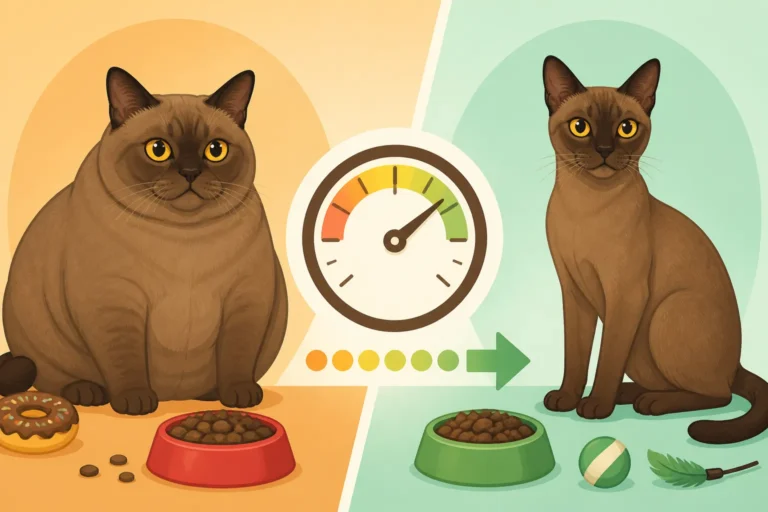
Firstly, protein has a minimal impact on blood glucose levels compared to carbohydrates. It helps keep your cat feeling full and satisfied, which is crucial for weight management—a key factor in diabetes control. As Burmese are prone to being heavier than they look, maintaining a healthy weight helps keep diabetes at bay. Secondly, a high-protein diet helps preserve lean muscle mass, which is especially important for cats that might have lost weight due to uncontrolled diabetes. Maintaining muscle also means maintaining a healthier metabolism. Look for wet foods where meat or fish are the first few ingredients, ensuring a high-quality protein source without unnecessary fillers. This approach aligns perfectly with Which Diet Puts a Burmese Into Remission.
Practical Steps for Implementing the Remission Diet
Making the switch isn't always instant, especially if your Burmese has been used to a different diet for years. Patience and consistency are your best tools.
Calculating and Measuring Portions
One of the biggest mistakes owners make, even with the right food, is guessing portion sizes. For a diabetic Burmese, every calorie, every gram, truly counts. You need to know how many calories a neutered adult Burmese burns to accurately calculate their daily intake. This will also align with the understanding that Why Weight Is the Only Lever a Burmese Owner Has when managing diabetes.
- Consult Your Vet: Your veterinarian will help you determine your cat's ideal body weight and the appropriate daily caloric intake based on their age, activity level, and current weight status (e.g., if they need to lose weight). This is not a step to skip!
- Invest in a Digital Kitchen Scale: You cannot eyeball portions. A good quality digital kitchen scale is non-negotiable. Weigh out your cat's food in grams. It might seem tedious at first, but it quickly becomes second nature, especially when you see the positive impact on their health.
- Read Labels Carefully: Once you have a target calorie count, look at the "kcal/can" or "kcal/cup" on your chosen cat food label. Divide your cat's total daily calorie needs by the calories per unit of food to determine the exact amount to feed.
- Consistency is Key: Feed the same weighed amount every day. Fluctuations can destabilize blood glucose levels and hinder remission efforts.
Gradual Transition and Monitoring
Cats are creatures of habit, and suddenly changing their food can be met with resistance. A slow, gradual transition is usually best.
- Slow Introduction: Over 1-2 weeks (or even longer for very picky eaters), gradually mix the new low-carb wet food with their old food. Start with a tiny amount of the new food (e.g., 10%) and slowly increase the proportion while decreasing the old food.
- Monitor Eating Habits: Watch closely to ensure they are actually eating the new food. A cat refusing to eat can quickly develop serious health issues like hepatic lipidosis (fatty liver disease). If your Burmese is refusing, slow the transition down even more, or try different low-carb wet food brands and textures (pâté, shredded, chunky).
- Closely Monitor Blood Glucose (and Ketones): This is paramount, especially if your cat is currently on insulin. As the diet takes effect, their insulin needs will change, often dramatically. You need to work hand-in-hand with your vet during this transition. Your vet will likely recommend a home glucose monitoring schedule. Without careful monitoring, continuing the same insulin dose on a low-carb diet can lead to dangerous hypoglycemia (low blood sugar). You may be surprised at how quickly How Many Diabetic Burmese Go Into Remission when diet is applied.
- Watch for Signs of Remission: Reduced thirst, less urination, improved energy, and consistent healthy blood glucose readings are all positive signs. Your vet will guide you on when to start reducing or even discontinuing insulin, always under strict veterinary supervision.
Meal Timings and Frequency
For a diabetic Burmese, meal timing is almost as important as the food itself. This is especially true if your cat is on insulin.
- Fixed Schedule: Establish a fixed feeding schedule, typically two to three meals per day. This consistency helps regulate their metabolism and makes it easier to predict and manage blood glucose levels.
- Around Insulin Injections: If your Burmese is receiving insulin, meals should be timed to coincide with their injections, usually immediately before or after. Your vet will provide precise instructions on how to feed a Burmese on insulin around its injections. This synchronization helps the insulin work most effectively to process the glucose from their food.
- No Free Feeding: Absolutely no "all-day buffet" or free feeding. This practice is a major contributor to feline obesity and diabetes in the first place, and it makes blood glucose control impossible. Each meal should be a specific, measured portion consumed within a short timeframe. Even in a multi-cat household, individual portioning is critical. Consider microchip feeders if you have other cats not on the same strict diet, to ensure your diabetic Burmese only eats their prescribed food.
Navigating Challenges and Maintaining Remission
The journey to remission isn't always a straight line, but with dedication and good information, it's absolutely achievable for many Burmese cats.
Dealing with a Picky Eater
Burmese cats, like many felines, can be notoriously particular about their food. If your cat is refusing the new low-carb wet food, don't despair.
- Texture and Flavor Exploration: Cats often have strong preferences for texture (pâté, chunky, shredded, gravy) and flavor (chicken, turkey, beef, fish). Try a variety of highly-rated low-carb wet foods from different brands. You might find that your cat despises chicken pâté but adores turkey shredded in broth. Remember, the goal is eating low-carb food, so variety within that parameter is fine.
- Warm It Up: Gently warming wet food to body temperature (around 100°F or 38°C) can enhance its aroma and palatability, making it more appealing to a finicky eater. Just be sure it's not hot.
- Add Enticements (Carefully): A tiny sprinkle of nutritional yeast, a pinch of crushed low-carb freeze-dried meat treat, or a bit of low-sodium chicken broth can sometimes encourage a reluctant eater. Use these sparingly and ensure they don't add significant carbs or calories.
- Patience and Persistence: It might take days or even weeks for your Burmese to accept the new diet. Offer the new food, remove it if not eaten within 15-20 minutes, and re-offer it at the next scheduled mealtime. Cats often learn quickly that the new food is what's on offer. Just be sure they are still consuming some food during the transition to avoid health risks.
Managing Treats and Other Cats in the Household
This is where the best intentions can sometimes falter. Treats and multi-cat dynamics require careful management.
- Low-Carb Treats Only: If you absolutely must give treats, they need to be strictly low-carb, like freeze-dried chicken or tuna. Even then, treats should be minimal and accounted for within their daily caloric intake to prevent weight gain and blood sugar spikes. Which Treats Fit Inside a Burmese's Weighed Ration is something you will need to research carefully.
- Separate Feeding: In a multi-cat household where not all cats are diabetic, separate feeding is crucial. Feed your diabetic Burmese in a separate room or use microchip-activated feeders that only open for your cat's microchip. This prevents your diabetic cat from eating the wrong food and helps you accurately track their intake.
- Educate the Household: Ensure every member of your household understands the importance of the diet and adheres strictly to the feeding rules. No sneaking treats, no leaving human food accessible. This is a team effort for your Burmese's health.
The Role of Your Veterinarian and Ongoing Monitoring
Achieving remission is a fantastic goal, but it's a marathon, not a sprint, and it requires constant vigilance and professional guidance.
- Regular Veterinary Check-ups: Even after remission, your Burmese will need regular veterinary check-ups, including bloodwork and fructosamine tests. Your vet will want to monitor their long-term blood glucose control and overall health.
- Home Monitoring: Your vet might recommend continued home glucose monitoring, even if less frequently, to catch any signs of relapse early. You should also continue to monitor their water intake and urination habits, as these are often the first signs of trouble.
- Understanding Relapse: Diabetic remission is not a cure, but rather a sustained period where the cat no longer requires exogenous insulin. Relapse is possible, often triggered by weight gain, stress, or other illnesses. Maintaining the low-carb diet, preventing obesity, and promptly addressing any new health issues are your best defenses against a recurrence.
- Financial Planning and Support: Managing a chronic condition like diabetes can be expensive, and even once in remission, the possibility of recurrence means continued vigilance. Considering pet insurance options like Healthy Paws, especially before a diagnosis, can provide peace of mind regarding future medical costs. While most insurance won't cover pre-existing conditions, having a plan in place for ongoing monitoring and potential future treatments can be a huge relief. Healthy Paws is known for comprehensive coverage, which might be beneficial should any complications arise down the line, even in remission. It's always a good idea to discuss the long-term financial implications and how a company like Healthy Paws might fit into your overall budget for What Diabetes Costs a Burmese Owner a Year.
Here's a handy table summarizing key dietary considerations for your diabetic Burmese:
| Dietary Component | Recommended for Diabetic Burmese | Avoid/Minimize for Diabetic Burmese | Why It Matters |
|---|---|---|---|
| Carbohydrates | <10% ME (ideally 5-6%) | >10% ME, especially from grains, starches, peas, potatoes | Minimizes demand on pancreas, helps stabilize blood glucose, promotes remission. |
| Protein | High (40-50% ME) from animal sources | Low protein, plant-based proteins | Supports muscle mass, satiety, and cat's carnivorous needs, minimal glucose impact. |
| Fat | Moderate to High (30-45% ME) | Excessive unhealthy fats, rendered fats | Essential energy source, helps with satiety. |
| Moisture | High (70-80%) – found in wet food | Low (10-15%) – found in dry kibble | Promotes hydration, kidney health, more natural for cats. |
| Food Form | Wet, canned food (pâté, shredded) | Dry kibble, semi-moist treats | Easier to achieve low-carb, better hydration. |
| Ingredients to Look For | Meat (chicken, turkey, beef, fish) as first ingredient, animal organs, good fats | Grains (corn, wheat, rice), potatoes, peas, soy, corn syrup, fruit | Aligns with obligate carnivore diet, avoids carbohydrate fillers. |
| Feeding Style | Weighed, portion-controlled meals (2-3x/day) | Free feeding, "all-day buffet" | Prevents overeating, stabilizes blood sugar, aids weight management. |
| Treats | Freeze-dried meat, small pieces of cooked meat | High-carb commercial treats, human snacks | Prevents blood sugar spikes, maintains dietary integrity. |
Transitioning your Burmese to a low-carbohydrate diet, coupled with consistent monitoring and veterinary partnership, is the single most powerful tool you have to put their diabetes into remission. It's an investment in their health, well-being, and potentially, many more happy, insulin-free years together.
Disclaimer
This guide offers general information and is not a substitute for professional veterinary advice. Always consult with your veterinarian for diagnosis, treatment, and specific dietary recommendations tailored to your individual Burmese cat's health needs. Dietary changes, especially for a diabetic cat, should always be made under veterinary supervision.