How Long a Diabetic Burmese Lives
Finding out your beloved Burmese cat has diabetes can feel like a punch to the gut. The immediate worry often turns to their future – how long will they have, and what kind of life will it be? It's a completely natural, terrifying question that every owner faces. This guide is here to shed light on the realities of living with a diabetic Burmese, offering realistic expectations and hope for a long, fulfilling life together with proper management.
Understanding the Unique Diabetes Risk in Burmese Cats
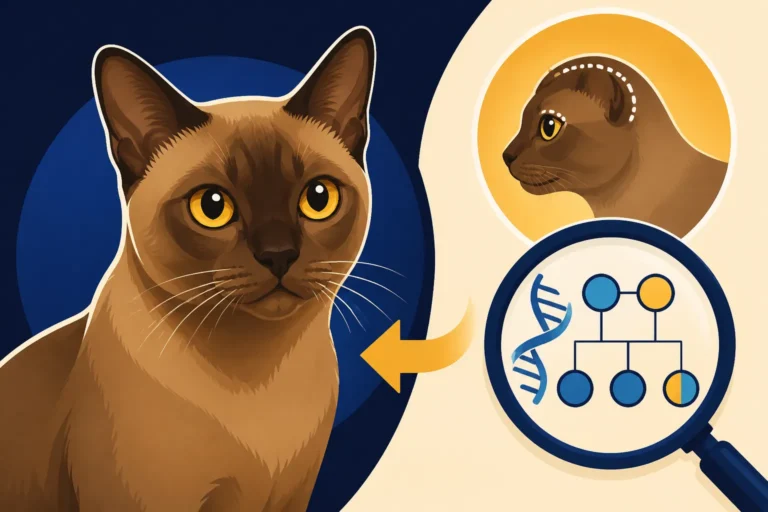
The Burmese breed, as wonderful and affectionate as they are, unfortunately carries a higher genetic predisposition to certain health issues, and diabetes mellitus is at the top of that list. It's a cruel twist for such a loving companion, but understanding this inherent risk is the first step toward effective management.
Why Burmese Cats Are Prone to Diabetes
It's a frustrating reality that our gorgeous Burmese felines are genetically predisposed to developing diabetes. While diabetes can affect any cat breed, studies have shown a significant prevalence in Burmese cats, particularly in certain lines from Australia and Europe. You might be shocked to learn that in some populations, a Burmese is four times more likely to become diabetic compared to other breeds. This isn't just bad luck; it's rooted in their genetics, specifically involving insulin regulation and glucose metabolism. Researchers have delved into the genetic markers, trying to understand exactly why this breed struggles so much with this condition. It means that even with the best diet and lifestyle, the underlying genetic component makes them more vulnerable. This knowledge isn't meant to scare you, but rather to empower you to be extra vigilant and proactive from the moment you bring a Burmese into your home.
Recognizing the Early Signs of Diabetes
Because of this heightened risk, it's absolutely crucial for Burmese owners to be aware of the subtle, and sometimes not-so-subtle, signs that their cat might be developing diabetes. Early detection can make a world of difference in managing the condition and extending their lifespan. What diabetes looks like in a Burmese often starts with changes in thirst and urination. You might notice your cat spending more time at the water bowl, drinking copious amounts, and consequently, filling the litter box much more frequently than usual. This increased thirst and urination are classic indicators.
Another common sign, and one that often causes owners distress, is unexplained weight loss, despite your cat perhaps having a ravenous appetite. It feels counterintuitive – eating more but losing weight – but it's a critical symptom. The body isn't processing glucose effectively, so it starts breaking down fat and muscle for energy. Beyond these, changes in coat condition, lethargy, or even weakness can signal that something is amiss. Remember, Burmese cats are incredibly adept at hiding illness behind their affection and playful demeanor, so observing even minor changes in behavior or routine is vital.
The Importance of Early Diagnosis
Catching diabetes early in a Burmese isn't just helpful; it can be a game-changer for their prognosis and quality of life. The sooner a diagnosis is made, the sooner appropriate treatment can begin, preventing more severe complications from developing. If you suspect your Burmese is showing any signs, even subtle ones, a trip to the vet is non-negotiable. How a diabetic Burmese is diagnosed typically involves a combination of a physical exam, blood tests to check blood glucose levels, and a urine test to look for glucose and ketones. A fructosamine test is often used to get an average blood glucose level over the past few weeks, providing a clearer picture than a single spot check which can be influenced by stress.
Don't delay, even if you're worried about the cost. Addressing it early can often mean less intensive (and therefore less expensive) treatment down the line, and it significantly improves the chances of achieving diabetic remission, where the cat no longer needs insulin injections. The emotional toll of a sick pet is heavy, but proactive steps can make all the difference, preserving precious time with your affectionate companion.
Navigating Diabetes Management for a Fuller Life
Once a diagnosis is confirmed, the journey of diabetes management begins. It might sound daunting, but with commitment and consistency, it's absolutely manageable, and many Burmese cats go on to live long, happy lives. This isn't a death sentence; it's a lifestyle adjustment for both you and your cat.
The Cornerstone of Dietary Management
For a diabetic Burmese, diet isn't just about nutrition; it's a powerful tool for disease control. The goal is to stabilize blood sugar levels and, ideally, to encourage diabetic remission. This primarily involves a significant shift to a low carbohydrate diet. Why low carbohydrate food matters for a Burmese can't be stressed enough: carbohydrates break down into glucose, which is precisely what a diabetic cat's body struggles to process. High-carbohydrate foods spike blood sugar, making insulin regulation a constant battle.
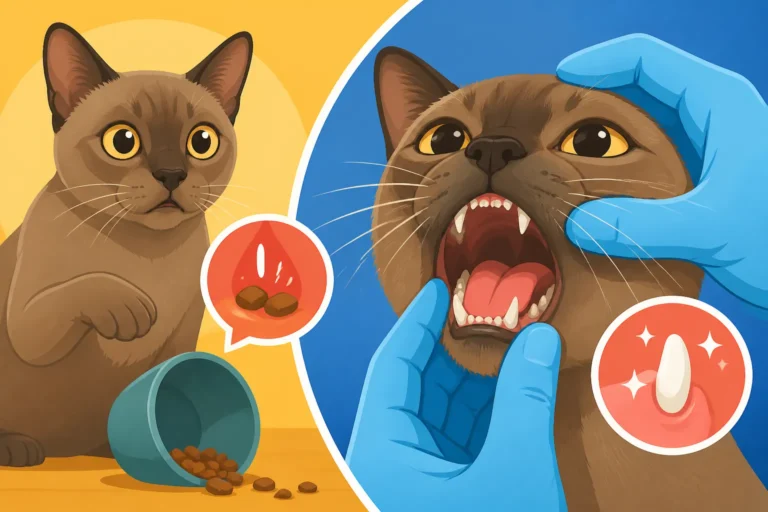
Veterinarians will almost universally recommend a high-protein, low-carbohydrate wet food diet. Portion control is also critical; a Burmese should never be free-fed. Instead, measured meals, typically twice a day, help to coordinate with insulin injections and prevent overeating. Many owners find that switching to this type of diet is the first major hurdle, as some cats can be picky, but persistence is key. Which diet puts a Burmese into remission often centers around this strict low-carb approach, and it's truly remarkable how many cats respond positively.
Insulin Therapy and Its Impact
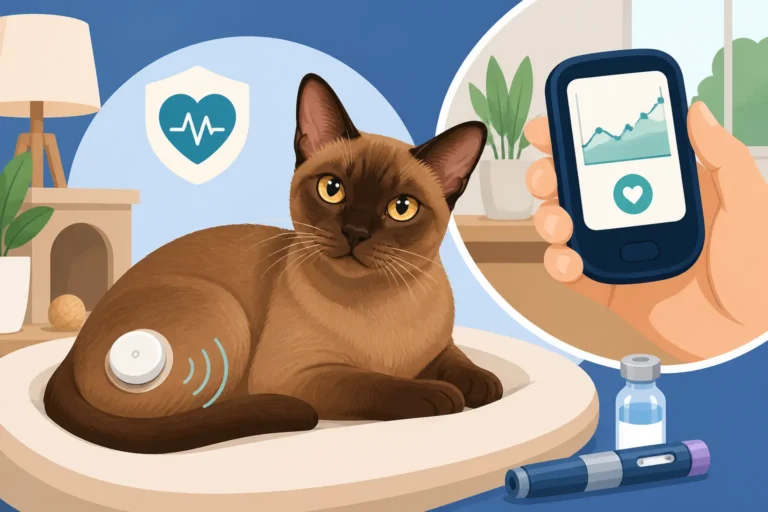
For many diabetic Burmese cats, diet alone isn't enough, and insulin therapy becomes a necessary part of their daily routine. This involves giving your cat insulin injections, typically twice a day, often after meals. The thought of injecting your cat might seem terrifying at first, but with a little practice and guidance from your vet, it becomes second nature. How a diabetic Burmese is started on insulin usually involves a careful titration process, where the vet determines the correct starting dose and monitors your cat's response.
You'll quickly learn how to give a Burmese its insulin at home, and most cats tolerate it surprisingly well, especially when it's associated with mealtime.Consistency is paramount; how often a diabetic Burmese is injected and at what times should be strictly adhered to. Insulin is designed to help your cat's body use glucose for energy, preventing harmful sugar buildups and helping them regain lost weight and vitality. While it's an ongoing commitment, the impact on your cat's health and quality of life is profound, turning a sickly cat into a thriving one.
The Role of Regular Monitoring and Vet Visits
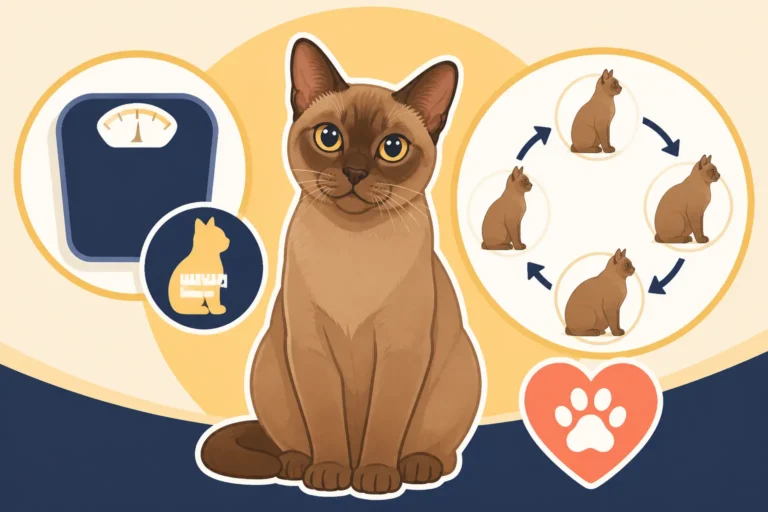
Managing diabetes effectively is a team effort involving you and your veterinarian. Regular monitoring is essential to ensure your Burmese is responding well to treatment and to adjust insulin doses as needed. This includes at-home observations like tracking food and water intake, urine output, and body weight. Learning how to weigh a Burmese accurately at home is a valuable skill, as even small weight changes can indicate a shift in their metabolic state.
Your vet will schedule regular check-ups, which often include blood glucose curves to see how your cat's sugar levels fluctuate throughout the day. These curves provide invaluable data for fine-tuning insulin doses. During these visits, your vet will also assess for any potential complications, such as urinary tract infections (common in diabetic cats) or signs of diabetic neuropathy. Don't hesitate to ask questions or voice concerns; open communication with your vet is vital for optimal care and for giving your Burmese the best chance at a long and healthy life.
Realistic Expectations for a Diabetic Burmese's Lifespan
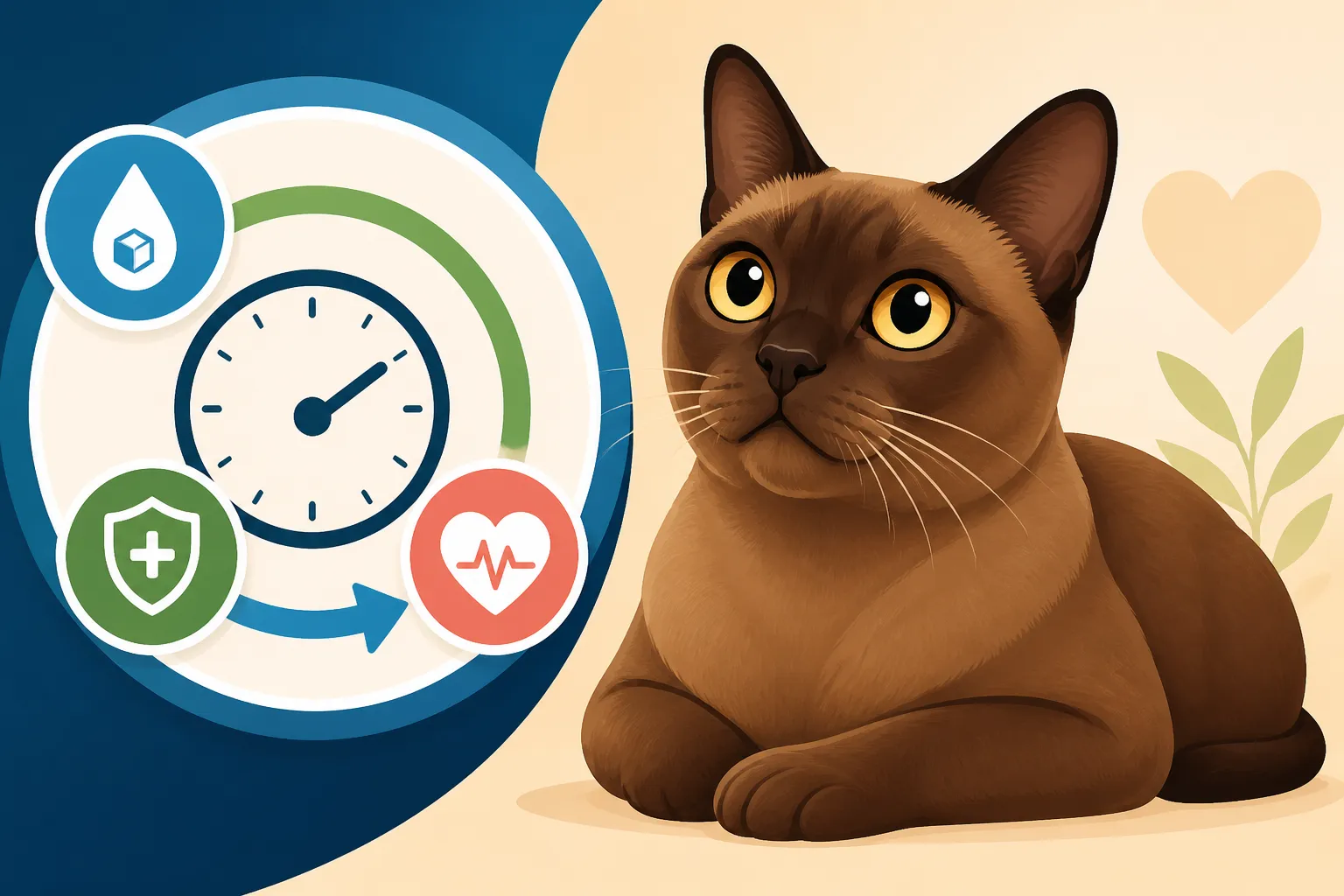
So, after all this effort and care, what's the real answer to "How long a diabetic Burmese lives"? It's a complex question with no single number, but there's a lot of hope and a positive outlook for well-managed cats.
Factors Influencing Longevity
The lifespan of a diabetic Burmese cat is influenced by several critical factors, making it truly individual. Firstly, the age at diagnosis plays a role. Cats diagnosed younger, particularly if the disease is caught early, often have a better prognosis because their bodies haven't endured prolonged periods of high blood sugar, which can damage organs. Secondly, the consistency and effectiveness of management are paramount. A cat whose blood sugar is well-controlled through diet and insulin, with consistent veterinary oversight, will undoubtedly live longer and have a higher quality of life than one with poorly managed diabetes.
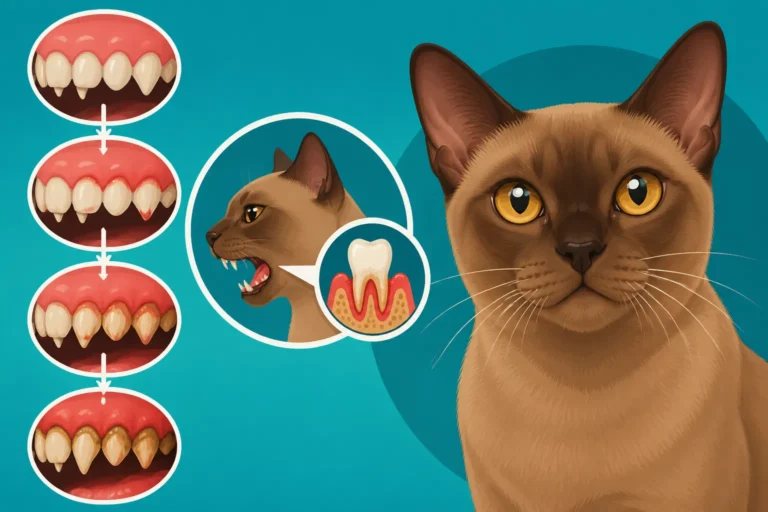
The presence of other health issues can also impact longevity. For example, kidney disease, hyperthyroidism, or dental problems can complicate diabetes management and reduce overall lifespan. Lastly, the owner's commitment to the daily routine of injections, feeding, and monitoring cannot be overstated. A dedicated owner who adheres to the treatment plan can significantly extend their cat's life. While a healthy, non-diabetic Burmese might live to 16 or 18 years, a well-managed diabetic Burmese can still achieve an excellent lifespan, often living for many years post-diagnosis, sometimes even reaching their mid-to-late teens.
Success Stories and Quality of Life
It's truly inspiring to hear the success stories of diabetic Burmese cats who, with dedicated owners and consistent veterinary care, go on to live incredibly full and happy lives for many years. These aren't just anecdotes; they are a testament to how far veterinary medicine has come and how resilient our feline companions can be. Owners often report that once their cat's diabetes is under control, they regain their energy, their playful nature returns, and they are once again the affectionate, mischievous Burmese they always were.
The key here is not just extending life, but ensuring a good quality of life. A well-managed diabetic cat shouldn't be suffering; they should be comfortable, active, and engaged. Many diabetic Burmese cats even achieve diabetic remission, meaning they no longer require insulin injections. This often happens within the first few months of starting treatment and a strict low-carb diet. While not every cat achieves remission, it's a powerful reminder of how responsive some Burmese can be to treatment and a significant factor in how many diabetic Burmese go into remission. These success stories should offer immense encouragement to anyone starting this journey.
Addressing Potential Complications
While a well-managed diabetic Burmese can thrive, it's important to be aware of potential complications, as they can impact both quality of life and longevity if not addressed promptly. One common concern is hypoglycemia, or dangerously low blood sugar, which can occur if a cat receives too much insulin or misses a meal. Signs include weakness, disorientation, trembling, and in severe cases, seizures. Knowing what a hypoglycemic Burmese looks like is critical for immediate action.
Other complications can include diabetic neuropathy, which might manifest as weakness in the hind legs, causing a "plantigrade" stance where the cat walks flat on its hocks. Urinary tract infections are also more common in diabetic cats due to glucose in the urine creating a breeding ground for bacteria. Regular vet checks and glucose monitoring help to prevent and quickly address these issues, minimizing their impact. Proactive management of these potential pitfalls is a significant part of ensuring your diabetic Burmese enjoys its longest possible life.
Financial Considerations and Long-Term Care
Let's be realistic: managing a diabetic cat, especially a Burmese with its specific needs, comes with financial implications. It's a long-term commitment, but one that is absolutely worthwhile for the love and companionship they provide.
The Cost of Diabetes Management
There's no sugarcoating it: owning a diabetic Burmese requires a significant financial commitment. The initial diagnosis and stabilization phase can be costly, involving multiple vet visits, blood tests, and the learning curve for insulin. Beyond that, there are ongoing expenses. This includes the cost of insulin, which can vary depending on the type and dosage, and sterile needles for injections. You'll also need to factor in regular vet check-ups, often quarterly or semi-annually, for bloodwork and glucose curves to ensure the treatment plan is effective.
Then there's the special diet – high-protein, low-carbohydrate wet food can be more expensive than typical kibble. What diabetes costs a Burmese owner a year can easily run into hundreds or even thousands of dollars, depending on the severity of the condition and any complications. It's not a decision to be taken lightly, but for many, the joy and companionship of their beloved Burmese far outweigh the financial burden. Budgeting for these expenses from the outset can help reduce stress down the line.
Exploring Pet Insurance Options
Given the significant costs associated with managing feline diabetes, exploring pet insurance is a wise decision for many Burmese owners. While many policies have waiting periods or might not cover pre-existing conditions, it's worth investigating whether a diabetic Burmese can be insured, especially if you have a policy in place before diagnosis. Some insurers may offer plans that cover ongoing chronic conditions, though often with higher premiums or specific exclusions.
Brands like Healthy Paws are known for their comprehensive coverage, and while they might not cover a pre-existing diabetic condition, having a policy for other potential health issues can still be incredibly beneficial. If you already have a Healthy Paws policy or another insurer, check their terms carefully. Even if your cat is already diabetic, some policies might cover new, unrelated conditions that arise. It’s always best to research and understand your options to mitigate the financial strain of long-term care.
Preparing for a Long and Healthy Life Together
Ultimately, a diabetic diagnosis for your Burmese is not a reason to despair. With dedication, consistent care, and a strong partnership with your veterinarian, your beloved cat can still enjoy a wonderfully long and vibrant life. The key is embracing the new routine – the precise feeding, the daily injections, and the regular monitoring – as a normal part of your shared life. It becomes a ritual of love and care that strengthens your bond.
Invest in good quality food, ensure you have a reliable supply of insulin and needles, and don't hesitate to reach out to your vet with any questions or concerns. Many owners find immense satisfaction in becoming adept at managing their cat's condition, taking pride in their cat's improved health. By committing to this journey, you are not just managing a disease; you are ensuring your cherished Burmese gets to spend many more happy, purring years right by your side, riding on your shoulder, and filling your home with their unique, affectionate charm.
Disclaimer
The information provided in this article is for general informational purposes only and is not intended as a substitute for professional veterinary advice, diagnosis, or treatment. Always seek the advice of your veterinarian or other qualified health provider with any questions you may have regarding a medical condition or the health and welfare of your pet.