What Potassium Supplementation Does for a Burmese
It’s truly alarming when your vibrant, affectionate Burmese cat suddenly seems weak, wobbly, or struggles to hold its head up. One moment they’re scaling the cat tree, the next they look utterly drained, almost like a ragdoll. This sudden onset of muscle weakness and lethargy can be incredibly frightening for any cat parent, and for Burmese owners, it often points to a specific, inherited condition: hypokalemia, or dangerously low potassium levels. This comprehensive guide will walk you through what potassium supplementation does for a Burmese, why it's so critical, and how you can support your beloved companion through this challenging diagnosis.
Why Potassium Supplementation is Often a Lifeline for Burmese Cats
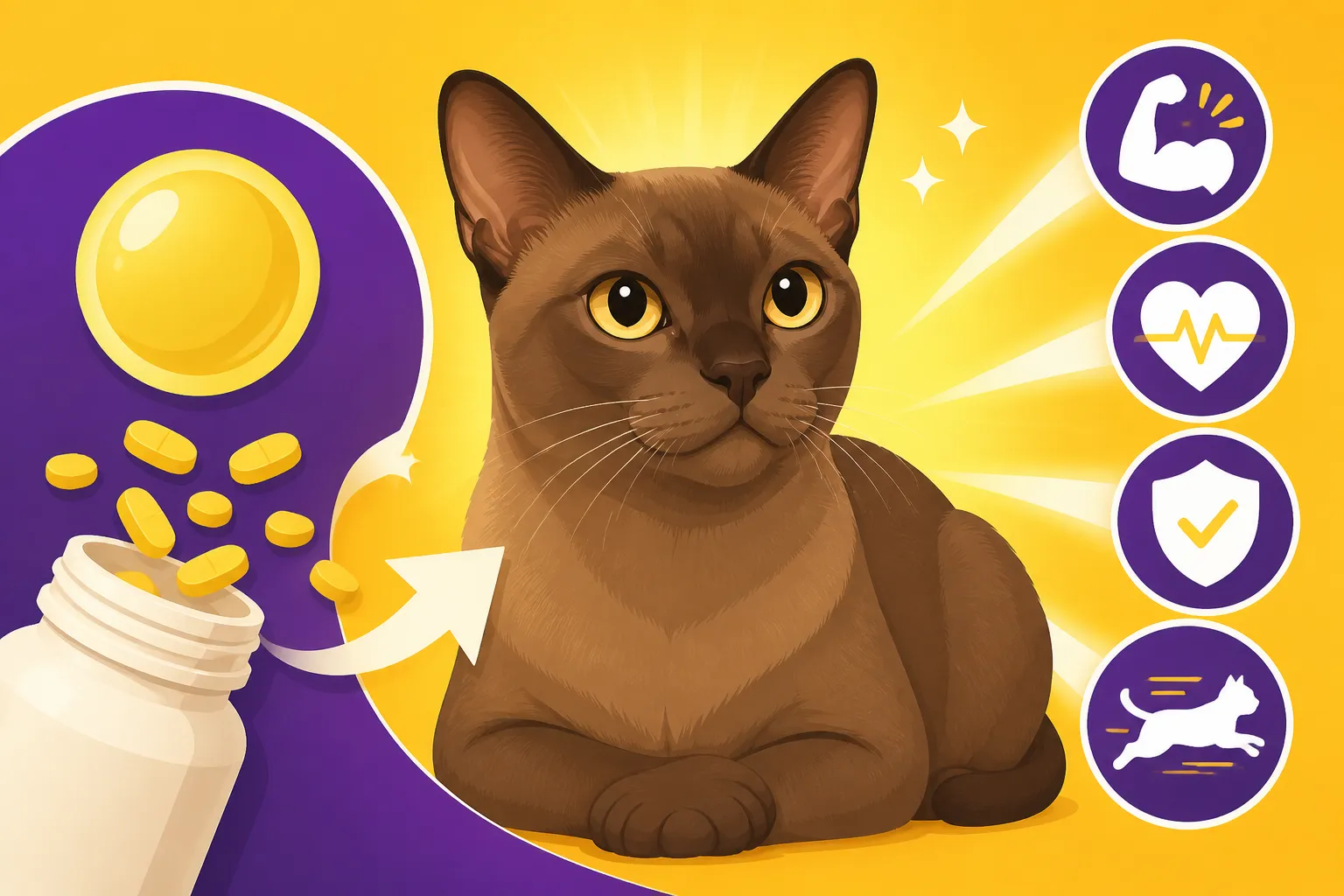
When your Burmese is diagnosed with hypokalemia, it’s not just a minor mineral imbalance; it’s a serious condition that can severely impact their quality of life, and in acute episodes, even be life-threatening. Potassium supplementation isn't just a treatment; it's often the direct intervention that brings your cat back from a debilitating state, restoring their strength and vitality.
The Unsettling Truth About Burmese Hypokalemia and the WNK4 Gene
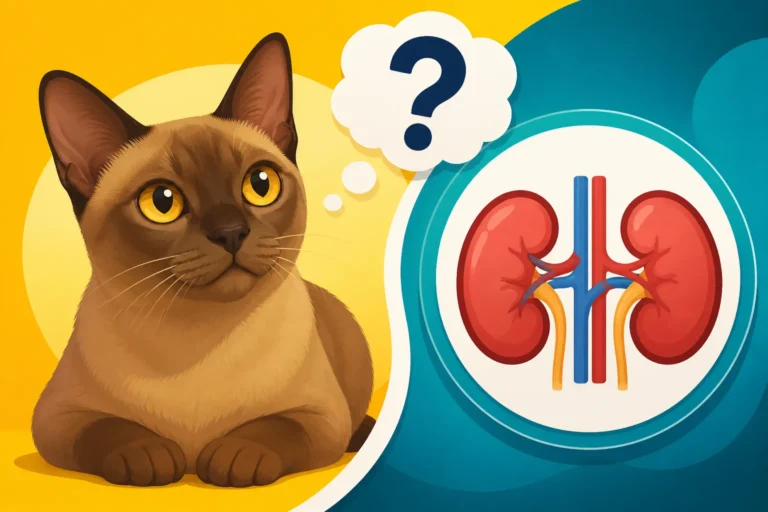
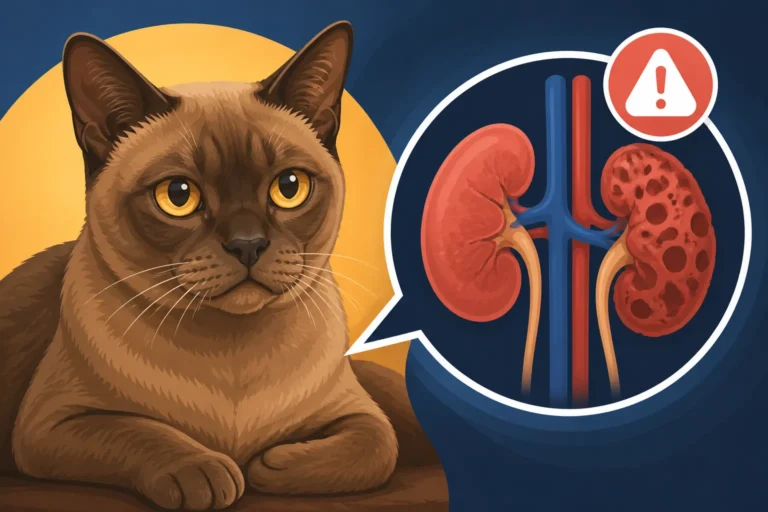
For Burmese cats, hypokalemia isn't usually just a dietary fluke. It's often rooted in their genetics, specifically a mutation in the WNK4 gene. This gene plays a crucial role in regulating kidney function, influencing how the body retains or excretes electrolytes like potassium. When there's a mutation in this gene, the kidneys can become inefficient at reabsorbing potassium, leading to excessive loss in the urine and, consequently, low levels in the bloodstream.
This genetic predisposition means that even a well-fed Burmese with an otherwise balanced diet can develop hypokalemia. It's not something you necessarily "caused" as an owner, which can be a relief to understand, yet also frustrating to know it's an inherent vulnerability. The article "What the WNK4 Mutation Does in a Burmese" delves deeper into the precise mechanism behind this genetic quirk. Knowing this allows breeders to make informed decisions and for owners to be vigilant, especially when bringing home a new kitten. While some kittens might seemingly grow out of the overt symptoms, the underlying genetic predisposition remains, making them susceptible to future episodes, especially under stress or illness.
Potassium's Crucial Role Beyond Just Muscle Function
We often think of potassium as something important for muscles, and while that's true, its role in a cat's body is far more extensive and fundamental to overall health. Potassium is an essential electrolyte, meaning it carries an electrical charge when dissolved in body fluids. This electrical activity is absolutely critical for the proper functioning of cells, tissues, and organs throughout the body.
Beyond muscle contraction, potassium is vital for nerve impulse transmission. Every thought, every coordinated movement, every heartbeat relies on precise electrical signals, and potassium is a key player in generating and transmitting these signals. It also helps regulate fluid balance, ensuring that cells receive adequate nutrients and waste products are properly removed. When potassium levels drop too low, these fundamental processes begin to falter. The impact isn't just localized muscle weakness; it can affect the heart, the nervous system, and general metabolic functions, leading to the wide array of symptoms seen in hypokalemic Burmese cats. Restoring these levels through supplementation literally re-energizes these essential bodily systems.
Recognizing the Red Flags and Getting a Diagnosis
The insidious nature of hypokalemia is that its signs can sometimes be subtle, or easily mistaken for other ailments. However, for a Burmese owner, understanding the specific indicators can make all the difference in catching it early and ensuring prompt treatment.
Spotting the Subtle (and Not-So-Subtle) Signs of Low Potassium
One of the most characteristic and alarming signs of hypokalemia in a Burmese is a distinct muscular weakness, particularly in the neck. You might notice your cat struggling to lift its head fully, or holding it in an unusual "meerkat" posture, head held high but with a visible effort, almost like it's trying to compensate for weakness. This phenomenon, often referred to as "the meerkat neck," is a strong indicator, and you can learn more about it in "The Meerkat Neck That Tells You a Burmese Has Hypokalemia". They might seem stiff, reluctant to jump, or even have a peculiar, almost drunken gait.
Beyond the neck, generalized muscle weakness is common. Your cat might collapse after short bursts of activity, struggle to climb stairs, or appear lethargic and less engaged than usual. They might lose their appetite, become unusually withdrawn, or show signs of discomfort when handled. Sometimes, the first signs can appear quite early, with "How Hypokalemia First Shows in a Burmese Kitten" detailing how even young kittens can exhibit these concerning symptoms. Any deviation from their normal energetic, affectionate self, especially when accompanied by muscle weakness, warrants immediate attention.
Confirming a Diagnosis with Your Veterinarian
If you suspect hypokalemia, your first and most crucial step is to get your Burmese to the veterinarian immediately. This isn't a condition to wait out. Your vet will conduct a thorough physical examination, paying close attention to muscle tone, reflexes, and hydration status. They will also ask you detailed questions about your cat's history, recent changes in behavior, appetite, and any other symptoms you've observed.
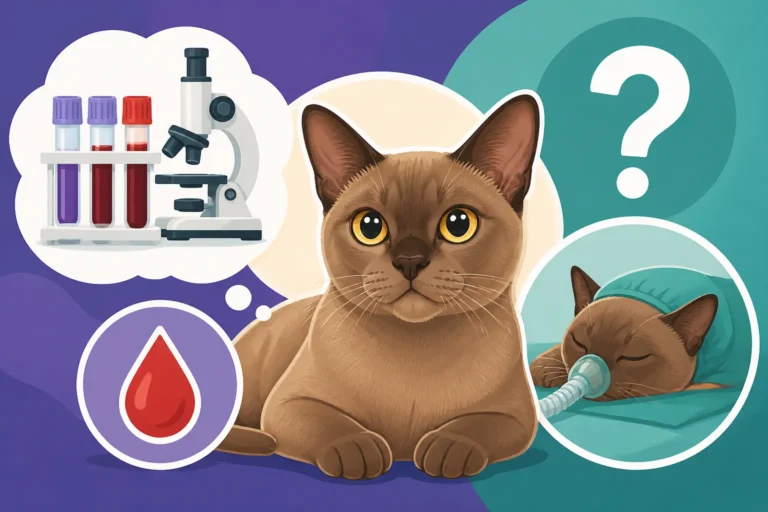
The definitive diagnosis, however, relies on blood tests. A simple blood panel will measure electrolyte levels, including potassium. A low serum potassium level confirms hypokalemia. Your vet might also run additional tests, such as a full chemistry panel to assess kidney function, or a urinalysis, to get a complete picture of your cat's health and rule out other conditions. Sometimes, hypokalemia can be a secondary symptom of another underlying issue. The process of distinguishing hypokalemia from other injuries or conditions is crucial, as explained in "How a Vet Distinguishes Burmese Hypokalemia From Injury." Don't be afraid to ask your vet about the specifics of the tests and what they're looking for; understanding the diagnostic process can ease your worry and help you feel more empowered in your cat's care journey.
Navigating Potassium Supplementation for Your Burmese
Once a diagnosis of hypokalemia is confirmed, the immediate goal is to safely and effectively raise your Burmese's potassium levels to a healthy range. This typically involves potassium supplementation, the form and administration of which will depend on the severity of the condition and your cat's individual needs.
Different Forms of Potassium and What to Expect
Potassium supplements for cats come in various forms, each with its own advantages and administration methods. For severe, acute episodes, particularly if your cat is in crisis with profound weakness or collapse, intravenous (IV) potassium administration will be necessary. This provides the fastest way to get potassium into the bloodstream and stabilize your cat. This is often done in a veterinary emergency setting, and your vet will carefully monitor heart function and potassium levels throughout the infusion.
For ongoing management or less severe cases, oral supplements are commonly prescribed. These are available as powders, gels, or liquid solutions. Potassium gluconate is a frequently used form due to its palatability and gentleness on the digestive system. Powders can be mixed directly into wet food, which many Burmese will readily accept, especially if the food is particularly appealing. Gels can be easily administered directly into the mouth, which can be useful if your cat is picky about food. While less common, some vets might prescribe compounded liquid solutions that allow for precise dosing.
Here's a quick comparison of common oral forms:
| Supplement Form | Pros | Cons |
|---|---|---|
| Powder | Easy to mix with wet food, good for picky eaters. | Can settle at bottom of bowl if not mixed well. |
| Gel | Easy direct oral administration. | Some cats resist direct oral dosing. |
| Liquid Solution | Very precise dosing, can be mixed with food or given orally. | Can have a strong taste some cats dislike. |
Administering Supplements: Tips for a Smoother Experience
Administering medication to a cat can sometimes feel like a wrestling match, but with Burmese cats, their typically docile and affectionate nature can make it a bit easier. Consistency is key with potassium supplementation. If using a powder, ensure it's thoroughly mixed into a small amount of their favorite wet food. Many owners find success using a highly palatable, low-carb wet food to mix the supplement into, as this type of diet is generally beneficial for Burmese health anyway.
For gels or liquids, direct oral administration is often the most reliable method. Gently cradle your cat, tilt their head slightly upwards, and using a syringe or dropper, slowly dispense the supplement into the side of their mouth, aiming for the cheek pouch rather than directly down the throat. Give them time to swallow between small amounts. Follow with a favorite treat or a positive interaction to reinforce the experience. Remember to always follow your veterinarian's specific dosage instructions meticulously. Never guess or adjust the dose without consulting your vet, as too much potassium can be just as dangerous as too little.
Monitoring and Adjusting the Regimen
Potassium supplementation isn't a "set it and forget it" kind of treatment. Regular monitoring is absolutely essential to ensure the dose is effective and safe. Your veterinarian will schedule follow-up blood tests to recheck your Burmese's potassium levels. These checks help determine if the current dosage is appropriate or if adjustments are needed. It's not uncommon for the dosage to be refined over time as your cat's body responds to the treatment. "Whether a Burmese Ever Needs Its Potassium Rechecked" highlights the ongoing nature of this monitoring.
Beyond blood tests, you'll be your cat's primary observer. Pay close attention to their energy levels, muscle strength, appetite, and overall demeanor. Keep a journal of these observations; it can provide valuable information to your vet during follow-up appointments. This meticulous approach ensures that your Burmese maintains optimal potassium levels, preventing both recurrence of hypokalemia and avoiding hyperkalemia (too much potassium), which can also be dangerous. Managing these ongoing health needs can be a financial strain, and having pet insurance like Healthy Paws can provide much-needed support for diagnostic tests, medications, and emergency care, helping to alleviate some of the worry about costs.
Living Long and Well with a Hypokalemic Burmese
Receiving a diagnosis of hypokalemia for your Burmese can feel overwhelming, but with proper management, many cats lead full, happy lives. It requires dedication, but the bond you share with your Burmese makes it all worthwhile.
Long-Term Outlook and Management Strategies
The long-term outlook for a Burmese with hypokalemia is generally good, especially with consistent potassium supplementation and veterinary oversight. Many cats, particularly those who experience their first episodes as kittens, can see their condition stabilize or even improve as they mature. "Why a Burmese Kitten Grows Out of Hypokalemia" discusses this fascinating aspect, where some kittens develop more efficient kidney function over time. However, even if overt symptoms become less frequent, the underlying genetic predisposition remains, meaning lifelong vigilance is often necessary.
Your veterinarian will guide you on the specific long-term protocol, which might involve daily oral supplements. It’s important to understand "What Triggers a Burmese Hypokalemic Episode." Stress, illness, dehydration, or certain medications can all potentially precipitate an episode, so being aware of these factors can help you minimize risks. Maintaining a calm environment, ensuring a consistent diet, and promptly addressing any new health concerns are all part of the proactive approach to management. With attentive care, a hypokalemic Burmese can certainly enjoy a high quality of life, as detailed in "Whether a Hypokalemic Burmese Lives a Normal Life."
The Importance of a Proactive and Informed Approach
Being a proactive owner is perhaps the most powerful tool you have in managing your Burmese's hypokalemia. This means not only adhering strictly to the prescribed medication regimen but also being an active participant in their healthcare. Don't hesitate to ask your vet questions, clarify instructions, or voice any concerns you might have. Understanding the disease, its symptoms, and its management empowers you to advocate effectively for your cat.
It also involves budgeting for the potential long-term costs. While potassium supplements themselves are generally affordable, regular vet check-ups, blood tests, and potential emergency care for severe episodes can add up. Exploring pet insurance options early on can be a wise decision. Companies like Healthy Paws offer various plans that can help cover these ongoing medical expenses, giving you peace of mind that you can provide the best care without financial stress. A well-managed Burmese with hypokalemia can continue to be the affectionate, playful companion you cherish, enriching your life for many years to come. Your vigilance and love are their best medicine, alongside the actual potassium!
Disclaimer
This article is for general informational purposes only and does not constitute professional advice. Laws, prices and regulations vary by location and change over time. Consult a qualified professional for guidance on your specific situation.