Why a Burmese’s Weight Should Be Recorded Monthly
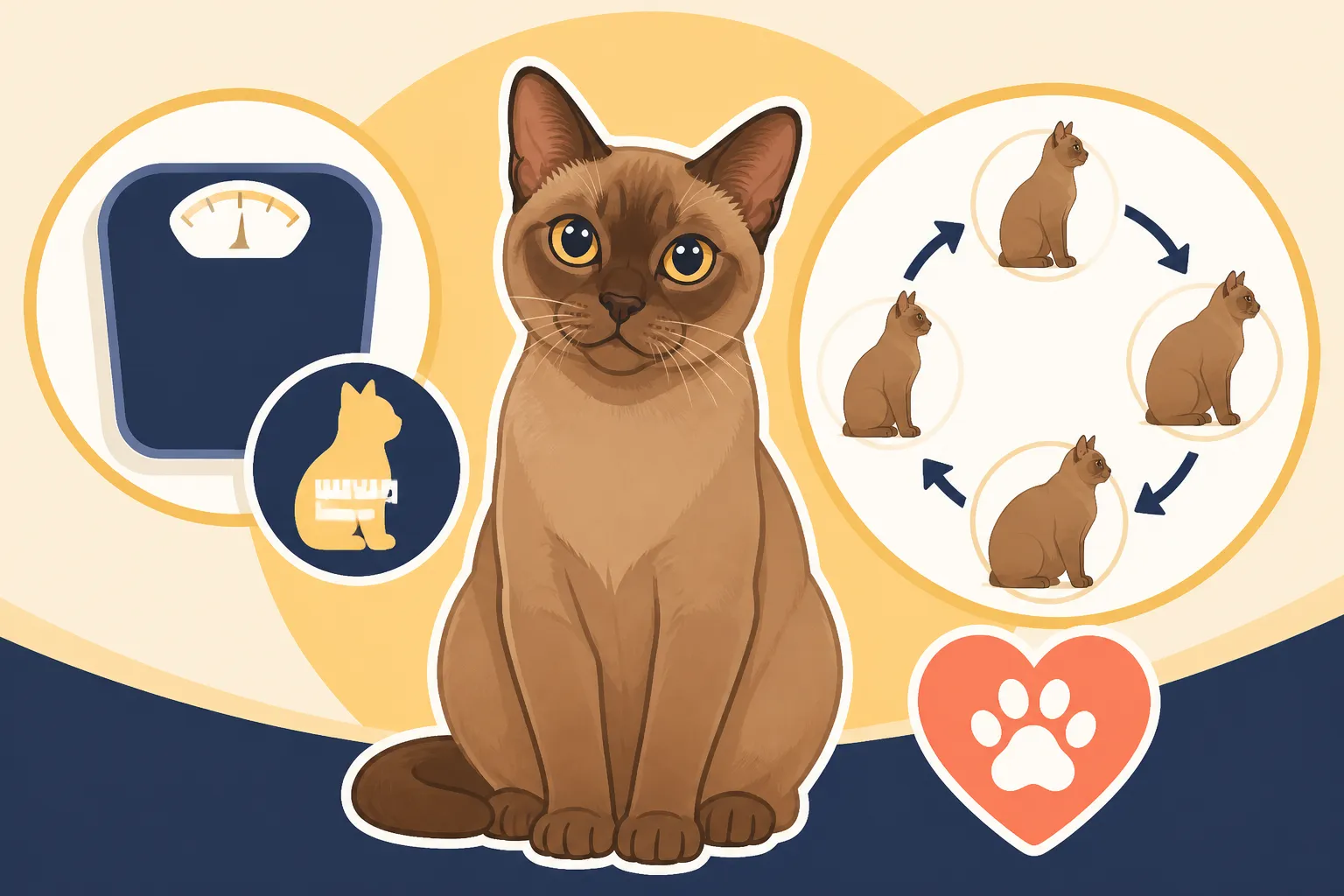
It’s incredibly easy to miss the subtle shifts in your beloved Burmese cat’s weight, especially when they’re always seeking out cuddles and distracting you with their charming antics. But these seemingly minor fluctuations can be the very first whisper of a significant health concern, often before any other symptoms become apparent. This guide is dedicated to helping you understand why consistent, monthly weight recording is not just a good idea for your Burmese, but an essential part of their proactive health management, empowering you to catch potential issues early and ensure they live their healthiest, happiest life.
The Hidden Dangers of Overlooking Weight Changes in Burmese Cats
Your Burmese cat's weight isn't just a number on a scale; it's a vital sign that provides a constant, early warning system for their overall health. Unlike some breeds that might show obvious signs of illness, the stoic and affectionate Burmese can often mask discomfort or disease until it's quite advanced. This makes their weight an even more critical indicator.
Why Burmese Cats Are Prone to Weight-Related Issues
Burmese cats are known for their incredibly muscular, compact build, often described as "bricks wrapped in silk." This dense musculature means they can feel surprisingly heavy for their size, which can sometimes make it tricky to visually assess their body condition. It's not uncommon for a well-meaning owner to mistake a slightly overweight Burmese for a naturally robust one. This breed also has a legendary appetite. They genuinely love their food, and without strict portion control, it's very easy for them to overeat and pack on extra pounds. This combination of a naturally stocky build and a strong food drive creates a perfect storm for weight gain if not carefully managed. It's a key reason why portion control is medical care in a Burmese, as even a little extra weight can have big consequences.
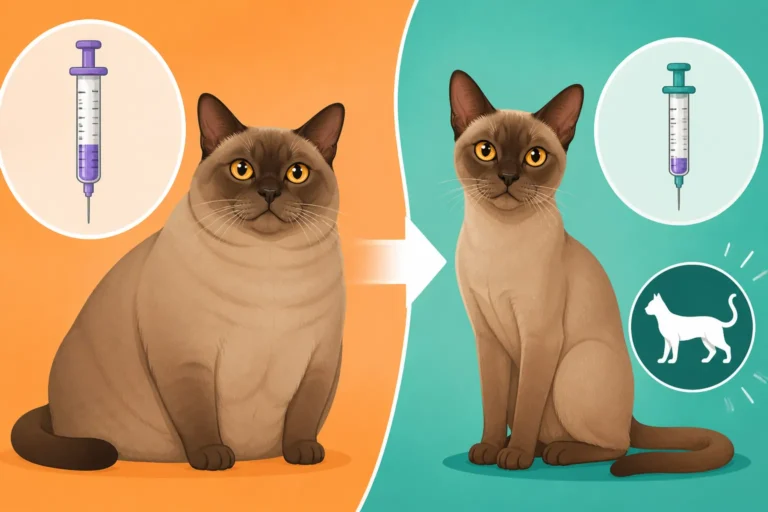
Beyond simple overeating, Burmese cats are unfortunately predisposed to certain health conditions that directly correlate with weight. The most prominent among these is diabetes. In fact, the Burmese has the highest diabetes rate of any cat breed, making weight management not just a lifestyle choice, but a critical preventative measure. We're talking about a breed that is four times more likely to become diabetic than the average cat. Even a small amount of excess weight can significantly increase this risk.
Early Detection of Common Burmese Health Conditions
Regular monthly weight checks allow you to establish a baseline for your individual cat. Every Burmese is unique, and while there are general guidelines for what an adult Burmese should weigh, knowing your cat's healthy weight range is paramount. Once you have this baseline, any deviation becomes a red flag. For instance, gradual weight gain might signal that their calorie intake needs adjusting, possibly preventing them from reaching the threshold where diabetes risk dramatically increases. This is why weight is the only lever a Burmese owner has to truly control their cat's predisposition to this illness.
On the flip side, unexplained weight loss, even a seemingly minor amount over a few weeks, can be an indicator of underlying health issues. This could range from dental problems that make eating painful, to more serious concerns like hyperthyroidism or kidney disease, especially in older cats. These conditions often develop insidiously, and weight loss might be the first or only symptom you notice for a while. Because a Burmese hides illness behind its affection, you might not see other behavioral changes until a disease is already quite advanced. Monthly weigh-ins give you an objective, measurable piece of data that their purrs and cuddles can't hide.
The Importance of a Baseline Weight Record
Without a consistent record, you're essentially flying blind. Imagine trying to navigate without a map – you might get somewhere, but it's far less efficient and more prone to errors. A baseline weight, established when your cat is healthy and maintained with monthly checks, acts as that map. It allows you to spot trends over time. Is your cat slowly gaining a few ounces each month? Are they fluctuating slightly? Or is there a steady, concerning decline?
A consistent record also provides invaluable information for your veterinarian. If you bring your Burmese in because they're "just not themselves," being able to say, "Fluffy has lost half a pound over the last two months, and her normal weight is 10 pounds," gives your vet a concrete starting point. This objective data can guide diagnostics, potentially leading to an earlier diagnosis and more effective treatment. It helps them understand how much weight raises a Burmese's diabetes risk in your specific cat’s case. Insurers like Healthy Paws also appreciate detailed records, as they demonstrate proactive care, though it's important to understand how policies handle pre-existing conditions like diabetes.
Practical Steps for Monthly Burmese Weight Checks at Home
Making monthly weight checks a routine part of your Burmese cat's life doesn't have to be a struggle. With the right tools and a bit of patience, it can become a calm, even positive, experience for both of you.
Choosing the Right Equipment for Accurate Measurement
Forget trying to get your squirming cat to sit still on a human bathroom scale – it's rarely accurate and often stressful for everyone involved. For truly reliable results, a dedicated pet scale is your best friend. These scales are typically low-profile, have a stable platform, and often feature a "hold" function that locks in the weight even if your cat wiggles. You can find excellent options from brands like Salter or Greater Goods, designed for small pets. If a pet scale isn't immediately feasible, a good quality digital kitchen scale can work for smaller kittens or you can use the "you + cat" method:
- Weigh yourself alone on your bathroom scale.
- Pick up your Burmese and weigh yourself holding them.
- Subtract your weight from the combined weight.
While this method is better than nothing, it's generally less precise for small fluctuations, so it's worth investing in a proper pet scale if you're serious about tracking. You’ll want to know how to weigh a Burmese accurately at home.
Making the Weigh-In a Stress-Free Experience
Cats thrive on routine and predictability, so incorporate the monthly weigh-in into an existing positive interaction. Choose a quiet time of day when your Burmese is usually relaxed and receptive to attention.
Step-by-step approach:
- Introduce the scale gradually: Place the scale in their favorite spot, perhaps near their food bowl or a sunny window, without any expectation for them to get on it. Let them explore it on their own terms.
- Use positive reinforcement: Once they’re comfortable with its presence, start placing treats on the scale, encouraging them to step onto it voluntarily. If your Burmese is highly food-motivated (and most are!), this can be incredibly effective. Small, low-carb treats work best, especially for a diabetes-prone breed.
- Associate with pleasant things: You can also combine the weigh-in with petting or brushing sessions. Let them stand on the scale while you give them gentle strokes or use a chamois on their satin coat.
- Keep it brief: The goal is to get an accurate reading quickly. Don't force them to stay on the scale longer than necessary. If they're showing signs of stress, stop and try again later.
- Be consistent: Try to weigh them around the same time of day each month, ideally before their first meal, to minimize variables.
With patience, your Burmese will learn to associate the scale with treats and positive attention, making the monthly check-up a breeze.
Consistent Recording and Trend Tracking
Having the right equipment and a cooperative cat is only half the battle. The real power comes from consistently recording the data and looking for trends. Grab a dedicated notebook, a simple spreadsheet on your computer, or a pet health app on your phone.
Here’s a simple table you can adapt for tracking:
| Date | Weight (lbs/kg) | Notes (e.g., mood, appetite, recent changes) |
|---|---|---|
| January 1, 2024 | 9.8 lbs | Energetic, normal appetite |
| February 1, 2024 | 9.9 lbs | Seems fine |
| March 1, 2024 | 10.1 lbs | Eating a bit more, extra cuddly |
| April 1, 2024 | 10.3 lbs | Still playing, but maybe a touch slower |
| May 1, 2024 | 10.0 lbs | Energy down slightly, drinking more |
After a few months, you'll start to see patterns. Is their weight creeping up? Has it stabilized? Is there a sudden drop? These trends are far more informative than a single data point. They give you a narrative of your cat's health over time. This data is gold not just for you, but also for your vet, as it helps them understand the progression of any potential issues and supports the claim for things like insurance with Healthy Paws if a condition develops.
Decoding What Your Burmese Cat's Weight Tells You
Once you have your consistent weight data, the next step is understanding what those numbers actually mean. It’s about more than just "fat" or "thin"; it's about interpreting what the changes signify for your Burmese's health.
Interpreting Gradual Weight Gain and Its Risks
For a Burmese, even a seemingly small, gradual weight gain over several months can be a serious warning sign. Remember their dense, muscular build; a couple of extra pounds on a 10-pound cat is a much higher percentage increase than on a larger breed. This gradual creep is often the precursor to what every Burmese owner dreads: diabetes. We know that the Burmese has a significantly higher risk of developing this condition, and obesity is a major contributing factor. When your cat starts to carry extra weight, their body's cells can become less responsive to insulin, leading to insulin resistance and eventually, full-blown diabetes.
Beyond diabetes, excess weight puts strain on your Burmese's joints, making them less agile and potentially exacerbating or causing conditions like arthritis, particularly as they age. It also makes them more prone to other issues like fatty liver disease, especially if they then experience rapid weight loss later on. If you notice a steady upward trend in their weight, it's time to re-evaluate their diet. Are they getting too many treats? Is their portion size accurate for their activity level? Remember that your Burmese needs fewer calories than it asks for, and their metabolism can change over time. It's a prime opportunity to adjust their food intake before it becomes a medical crisis. You can also try to feel your Burmese's ribs under a satin coat to get a tactile sense of their body condition.
Understanding Sudden or Unexplained Weight Loss
While weight gain can be concerning, sudden or unexplained weight loss in a Burmese is often a more immediate cause for alarm and warrants prompt veterinary attention. A significant drop over a short period (a few weeks to a month) can be indicative of several serious underlying conditions:
- Hyperthyroidism: This is particularly common in older cats and causes a revved-up metabolism, leading to weight loss despite a normal or even increased appetite.
- Kidney Disease: As kidneys fail, cats often lose their appetite, become nauseated, and lose muscle mass. This is a common ailment in old Burmese cats.
- Dental Disease: Painful teeth or gums can make eating difficult, leading to a decreased food intake and subsequent weight loss. Given why a Burmese is prone to gum disease, this is a very real possibility.
- Gastrointestinal Issues: Conditions like inflammatory bowel disease or certain parasites can impair nutrient absorption.
- Cancer: Various types of cancer can cause cachexia (wasting) due to the body's increased metabolic demands and decreased appetite.
- Diabetes (in later stages): Paradoxically, while obesity predisposes to diabetes, uncontrolled diabetes can also lead to significant weight loss as the body cannot properly utilize glucose for energy and starts breaking down muscle and fat.
A rapid weight loss gives a Burmese fatty liver, which can be life-threatening. This happens when the body mobilizes fat stores quickly, overwhelming the liver. If you notice a concerning downward trend, don't delay – a withdrawn Burmese should see a vet that day.
When to Seek Veterinary Advice Based on Weight Data
Knowing when to call the vet based on weight changes is crucial. Here are some guidelines:
- Any sudden, unexplained weight loss (more than 5% of body weight within a month): This is always a red flag. For a 10-pound Burmese, that's half a pound – something you'd easily spot with monthly weighing.
- Consistent, gradual weight gain that you can't reverse with diet adjustments: If your cat continues to gain weight despite appropriate portion control and exercise, there might be an underlying metabolic issue or even fluid retention.
- Weight changes accompanied by other symptoms: Increased thirst or urination (a classic sign of diabetes, particularly if accompanied by weight loss despite eating), changes in appetite, lethargy, vomiting, diarrhea, or changes in grooming habits.
- Any significant deviation from their established healthy weight range: Even without other symptoms, if your cat is consistently outside their normal 1-2 pound fluctuation, it's worth a check-up.
Your precise, documented weight history can be a lifesaver, allowing your vet to home in on a diagnosis much faster than if they were starting from scratch. For instance, if your cat's glucose should be checked from seven years old anyway, having a detailed weight history helps the vet correlate any changes with potential diabetes development.
Integrating Weight Management into Your Burmese's Routine for Long-Term Health
Making weight monitoring a regular habit is truly one of the simplest yet most impactful ways you can contribute to your Burmese cat's overall well-being. It’s about proactive, preventative care that can help them enjoy their famously long lifespan.
The Role of Diet and Exercise in Maintaining Ideal Weight
Once you're consistently tracking your Burmese's weight, you’ll have the data needed to make informed decisions about their diet and exercise. Given their predisposition to diabetes, what and how much your Burmese eats is perhaps the single most important factor in their long-term health.
- Strict Portion Control: This cannot be stressed enough. Free-feeding (leaving food out all day) is a recipe for disaster for a Burmese. Their intense food drive means they will almost always overeat. Instead, measure out their food precisely, ideally using a digital kitchen scale, and offer it in two fixed meals a day. Remember, feeding a Burmese is a medical decision, not a preference.
- Low-Carbohydrate Diet: Talk to your vet about a high-protein, low-carbohydrate wet food diet. This mirrors what a cat would naturally eat in the wild and is crucial for managing blood sugar levels and preventing weight gain. Many premium wet food brands are formulated with this in mind.
- Engaging Play: Burmese cats are known for their playful, kittenish nature that lasts well into old age. Use this to your advantage! Daily interactive play sessions with wand toys, laser pointers, or even teaching them to retrieve can provide much-needed exercise and mental stimulation. Aim for several short bursts of play throughout the day, especially if you work away from home. While a Burmese is still playing at fifteen, adapting games to suit an older cat can help maintain muscle mass and burn calories.
- Environmental Enrichment: Puzzle feeders can slow down eating and provide mental engagement. Cat trees encourage climbing and activity, though many Burmese prefer to climb people rather than furniture.
If you have a pair of Burmese (which is often recommended, as they thrive on company), ensure they have separate feeding stations or use microchip feeders to prevent one from eating the other's portion. This is especially important if one cat needs a specific diet, like a diabetic Burmese on a prescription food.
Proactive Care and Regular Vet Check-ups
Monthly weight checks don't replace regular veterinary visits; they complement them. Your vet is your best partner in ensuring your Burmese stays healthy. Think of your weight logs as a crucial tool you provide your vet to help them do their best work.
- Annual Wellness Exams: Even if your Burmese seems perfectly healthy, an annual check-up is vital. This allows your vet to perform a thorough physical examination, listen to their heart and lungs, and discuss any changes you've observed, including weight trends. These visits are also an opportunity to keep up with vaccinations and parasite control.
- Early Bloodwork: As your Burmese ages, your vet might recommend routine bloodwork, including a yearly panel that specifically checks kidney function, liver enzymes, and thyroid levels. Given the breed's diabetes risk, glucose levels should be checked, especially from around seven years of age.
- Dental Care: Regular dental checks are a must, as why a Burmese's gums recede early, they often require professional cleanings. Good oral hygiene prevents painful infections that can lead to weight loss.
Your proactive approach, evidenced by your detailed weight records, empowers your vet to provide targeted care. Should an issue arise, having that historical data can significantly speed up diagnosis and treatment.
Empowering Your Vet with Comprehensive Weight History
Imagine your vet's face lighting up when you pull out a neatly kept log of your Burmese's monthly weights, along with any notes on changes in appetite or energy. This isn't just helpful; it's invaluable.
- Accurate Diagnostics: When a vet sees a consistent pattern of weight gain, it strengthens their suspicion of conditions like early-stage diabetes and guides them toward specific diagnostic tests, such as a fructosamine test to confirm diabetes in a Burmese. Conversely, a documented weight loss trend will immediately point them towards investigating conditions like hyperthyroidism or kidney disease.
- Monitoring Treatment Effectiveness: If your Burmese is diagnosed with a condition that affects weight, such as diabetes requiring insulin, your ongoing weight records become a tool to monitor the effectiveness of their treatment. For example, a stable or improving weight might indicate that the insulin dose is correct and the diabetes is well-managed.
- Demonstrating Diligent Care: In some cases, such as with pet insurance claims for conditions like diabetes, having a comprehensive history of your cat’s weight and regular vet visits can demonstrate your commitment to their health, potentially streamlining the claims process with providers like Healthy Paws.
Ultimately, recording your Burmese's weight monthly is a simple act that yields powerful benefits. It's a testament to your love and dedication, giving your cherished companion the best chance at a long, healthy, and happy life right by your side, hopefully still riding on your shoulder at a ripe old age!
Disclaimer
This article is intended for informational purposes only and does not constitute professional veterinary advice. Always consult with a qualified veterinarian for any health concerns or before making any decisions about your pet's medical care or diet.