How Much a Champagne Burmese Kitten Costs
Bringing home a new kitten is such an exciting time, but if you've set your heart on a beautiful Champagne Burmese, you're likely wondering about the financial commitment involved. It's not just the initial price tag; there are many factors that influence what you'll pay and why this particular hue might be a bit more of an investment. This guide will walk you through the various costs associated with a Champagne Burmese kitten, from the adoption fee to long-term care, helping you budget realistically for your new family member.
What Drives the Initial Cost of a Champagne Burmese Kitten?
The price of a Burmese kitten isn't static; it fluctuates significantly based on several key factors, and the Champagne color certainly plays its part. While Burmese cats are generally sought after for their incredible personalities and stunning coats, specific colors can be rarer or require particular breeding pairings, influencing their perceived value and availability.
The Genetics Behind the Champagne Coat and Its Rarity
The Champagne color, known as dilute chocolate or brown in some registries, is absolutely gorgeous—a warm, honey-beige that truly stands out. It's not as common as the traditional Sable (brown) Burmese, and this rarity can translate directly into a higher price point. Genetically, Champagne is a dilution of the brown gene. To produce a Champagne kitten, both parents must carry the dilute gene. If a breeder is specifically aiming for Champagne or other dilute colors like Blue or Platinum, they need to carefully select their breeding cats, which often involves more extensive genetic testing and potentially higher acquisition costs for their foundation cats.
Think about it: a breeder might have a litter where only one or two kittens are Champagne, while the rest are Sable. The demand for that unique, lustrous Champagne coat can easily push its price above its Sable siblings. It’s a bit like finding a specific shade of pearl – all pearls are beautiful, but some shades are just less common and thus, more prized. This isn't just about aesthetics; it's about the effort and genetic understanding required to consistently produce specific, less common colors. You can learn more about how different colors are recognized in our article How a Burmese's Color Is Registered.
Reputable Breeders and Their Investment in Health
The single most important factor influencing a Burmese kitten's cost, regardless of color, is the reputation and practices of the breeder. A responsible breeder invests heavily in the health, temperament, and genetic integrity of their lines. This isn't just a passion; it's a significant financial outlay that reflects in the kitten's price. What does this investment look like?
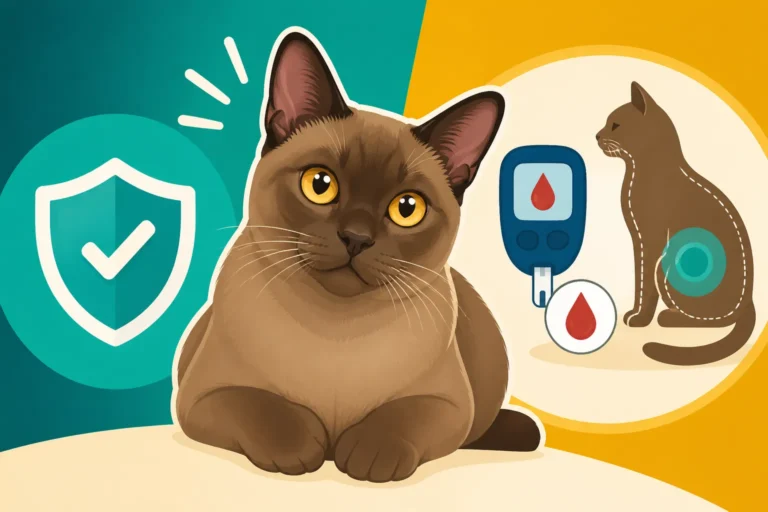
Firstly, it involves comprehensive health screening of the parent cats. For Burmese, this means DNA testing for known genetic conditions such as Hypokalemia and often screening for predispositions to other common Burmese ailments like diabetes. These tests are not cheap, but they are vital for ensuring you get a healthy kitten with the best possible start in life. A breeder who proudly shares their cats' health certificates and pedigree is offering immense value, even if the initial cost is higher. They are giving you peace of mind that your kitten has a reduced risk of serious hereditary diseases. Ignoring these health checks is a false economy, as any potential savings on the purchase price could be dwarfed by vet bills down the line. We dive deeper into these critical health checks in Which DNA Tests Belong on a Burmese DNA Panel.
Secondly, reputable breeders ensure their kittens are raised in a clean, stimulating home environment, receive proper nutrition, early socialization, and all necessary veterinary care before they go to their new homes. This includes vaccinations, deworming, and typically microchipping. They will also keep the kittens until they are at least 12-14 weeks old, ensuring they are emotionally mature and well-socialized. This meticulous care during the crucial early weeks is indispensable for a kitten's long-term well-being and temperament, and it's a cost that ethical breeders absorb.
The American vs. European Burmese Divide
It's also worth noting that there are two distinct types of Burmese: the American Burmese and the European (or British) Burmese. While the Champagne color exists in both lines, the overall pricing structure can differ between the two due to differences in their breeding populations and availability.
The American Burmese generally has a rounder head, shorter muzzle, and stockier build, while the European Burmese tends to be more elegant, with a wedge-shaped head and slightly longer body. In North America, European Burmese lines can sometimes command a higher price simply because they are less common and often require importing breeding stock, which adds significant costs for the breeder. These differences contribute to the variation you might see in initial kitten prices. It's essential to understand which type of Burmese you are looking at and how that might factor into the breeder's pricing. Our article Why a European Burmese Costs Twice an American One gives a good overview of these distinctions and their impact on price. Be sure to clarify with any breeder which type they specialize in and why their pricing reflects their particular breeding program.
Beyond the Purchase Price: Essential Upfront Costs for Your New Arrival
Once you've found your perfect Champagne Burmese kitten, the initial purchase price is just the beginning. Bringing a new feline friend home comes with a list of essential supplies and immediate veterinary needs that you'll need to budget for. Thinking these through beforehand will prevent any surprises and ensure a smooth transition for your kitten.
Setting Up a Safe and Stimulating Environment
Your new kitten will need a secure, comfortable, and stimulating environment from day one. This means investing in a range of items to meet their basic needs and keep them entertained.
Here's a breakdown of common initial setup costs:
- Carrier: A sturdy, safe carrier is essential for bringing your kitten home and for all future vet visits. Look for one that's easy to clean and well-ventilated.
- Litter Boxes and Litter: You'll need at least one, preferably two, litter boxes initially, along with a good supply of appropriate litter. Many Burmese owners find their cats prefer unscented, clumping clay litter, but it’s always good to have options. Since Burmese can be prone to diabetes and thus increased urination, having ample litter on hand is wise.
- Food and Water Bowls: Stainless steel or ceramic bowls are often recommended for hygiene, as plastic can harbor bacteria.
- Scratching Posts/Trees: Crucial for natural claw maintenance and preventing furniture damage. Burmese are active and enjoy climbing, so a tall, sturdy cat tree with various scratching surfaces can be a great investment.
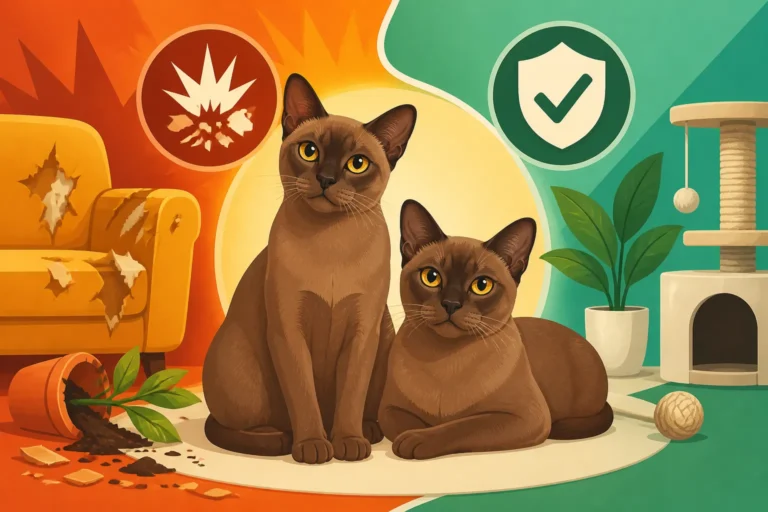
- Toys: A variety of toys—wand toys, crinkle balls, puzzle feeders—will help keep your intelligent and playful Burmese entertained and mentally stimulated. Remember, a bored Burmese is often a destructive Burmese!
- Bedding: While your Burmese will likely prefer to sleep wherever you are, a cozy bed or two in different parts of the house gives them options for rest and warmth, especially since their short coat means they feel the cold easily. You can find a vast selection of these essentials from retailers like Chewy, offering convenience for new pet parents.
Initial Veterinary Care and Preventative Measures
Even if your kitten comes with its initial vaccinations and deworming, a visit to your own veterinarian within the first few days is highly recommended. This allows your vet to establish a baseline for your kitten's health, confirm it's in good condition, and discuss a long-term wellness plan.
Your first vet visit might include:
- A comprehensive physical examination: To check for any underlying issues that might not have been apparent.
- Fecal exam: To ensure there are no lingering internal parasites.
- Further vaccinations or boosters: Depending on the kitten's age and previous vaccination schedule, and your local disease prevalence.
- Microchipping: If not already done by the breeder, this is a crucial step for identification and safety.
- Discussions about spaying/neutering: Your vet will advise on the best age for this procedure. It's an important part of responsible pet ownership and will be another cost to factor in during the kitten's first year. Remember that neutering can sometimes increase a Burmese's diabetes risk, so discussions about weight and diet will be important from the start.
Pet insurance is another critical consideration, especially for a breed like the Burmese with known predispositions to conditions like diabetes and hypokalemia. While it's an ongoing cost, starting a policy early, before any pre-existing conditions develop, can save you a significant amount if your cat faces health challenges later in life. Companies like Healthy Paws offer various plans that can help mitigate the financial impact of unexpected veterinary emergencies or chronic illnesses.
The Importance of High-Quality Nutrition from Day One
Burmese cats, including your Champagne beauty, have specific dietary needs that are closely linked to their long-term health, particularly concerning diabetes. This isn't just about feeding them any cat food; it's about feeding them the right cat food.
A high-quality, low-carbohydrate wet food diet is generally recommended for Burmese cats from kittenhood. This helps maintain a healthy weight and can significantly reduce their risk of developing feline diabetes, which the breed is genetically predisposed to. Dry kibble, even "premium" varieties, often contains a much higher carbohydrate content than is ideal for obligate carnivores like cats.
You'll need to budget for:
- Quality Wet Food: This will be a primary ongoing cost, and you should choose a brand with a high meat protein content and minimal carbohydrates.
- Measuring Scales: Absolutely essential for precise portion control. Every meal should be weighed, not scooped, to prevent overfeeding. Why Portion Control Is Medical Care in a Burmese explains this in detail.
- Treats: Choose low-carb, high-protein treats, and factor them into their daily caloric intake. Fresh, high-quality, pre-portioned options can be beneficial for careful weight management.
Investing in top-tier nutrition from the start is perhaps one of the best preventative health measures you can take for your Champagne Burmese. It's a proactive step that costs more upfront in food bills but can potentially save you thousands in veterinary treatment for preventable conditions later.
Long-Term Financial Commitments for a Healthy, Happy Burmese
Bringing a Champagne Burmese kitten into your life is a long-term commitment, both emotionally and financially. These wonderful cats can live for 16-18 years, and throughout their lives, you'll have ongoing expenses that need to be factored into your budget. Being prepared for these costs will ensure your Burmese receives the best possible care for their entire lifespan.
Ongoing Dietary Needs and Weighing Every Meal
As your Champagne Burmese grows from a kitten into an adult, its nutritional needs will evolve, but the emphasis on a high-protein, low-carbohydrate diet remains paramount. The Burmese breed's strong predisposition to diabetes means that their diet isn't just about sustenance; it's a critical component of their preventative healthcare. You'll continue to weigh every single meal. This is a habit that will pay dividends in their overall health and longevity.
- Consistent High-Quality Food: Expect to spend a regular amount on premium wet food. Brands that focus on species-appropriate nutrition, with clear ingredient lists and carbohydrate percentages, are ideal. Many owners find value in subscription services or bulk purchases from retailers like Chewy to manage costs and ensure a steady supply.
- Monitoring Weight: Regular weigh-ins at home are crucial. A Burmese can be surprisingly heavy for its size, and it's easy for them to gain excess weight, which directly increases their diabetes risk. Understanding How Much Weight Raises a Burmese's Diabetes Risk is key to long-term health management. Your budget should reflect this ongoing commitment to high-quality, precisely portioned food rather than cheaper, less appropriate alternatives.
Regular Vet Visits and Planning for Potential Health Issues
Even the healthiest Champagne Burmese will need regular veterinary check-ups throughout their life. These routine visits are essential for preventive care, early detection of potential issues, and maintaining up-to-date vaccinations.
- Annual Wellness Exams: These typically include a physical examination, dental check, and sometimes bloodwork, especially as your cat ages. Early detection of issues like gum disease, which Burmese are prone to, or changes in kidney function can save discomfort and expense later.
- Dental Care: Burmese cats are known for developing dental issues, including receding gums and tooth resorption. You should budget for regular dental cleanings under anesthesia, potentially every few years. Starting a routine of brushing their teeth from kittenhood can help, but professional care will likely be necessary. How Often a Burmese Needs a Dental is a good resource for understanding this aspect of care.
- Managing Breed-Specific Concerns: While responsible breeders test for genetic conditions, no guarantee is absolute. Hypokalemia episodes might require emergency veterinary care and ongoing potassium supplementation. Diabetes, if it develops, is a significant ongoing expense, involving insulin, syringes, specific low-carb prescription food, and frequent vet visits for glucose monitoring. What Diabetes Costs a Burmese Owner a Year can give you a stark insight into the potential financial burden. This is where comprehensive pet insurance from providers like Healthy Paws can truly make a difference, covering a significant portion of these unexpected and often substantial costs.
Ensuring Enrichment and Companionship
Burmese cats are incredibly social creatures. They thrive on companionship and can suffer from separation anxiety if left alone for extended periods. This characteristic has financial implications that responsible owners need to consider.
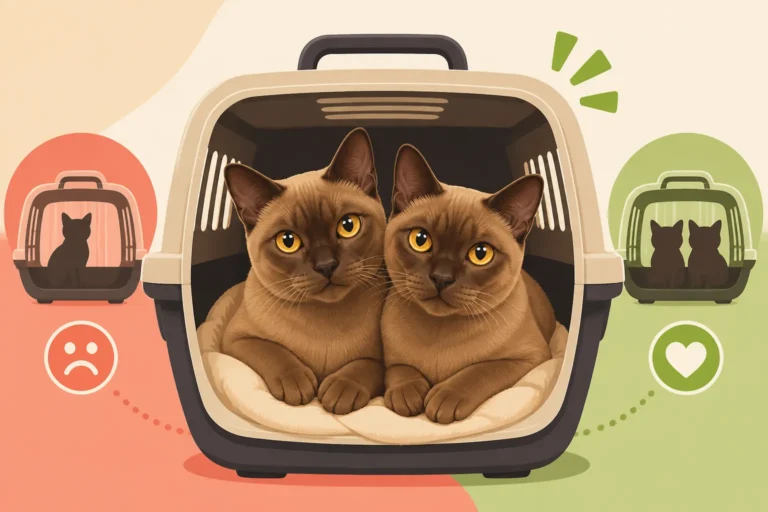
- A Second Cat: Many Burmese breeders strongly recommend getting two kittens together or ensuring your Burmese has another compatible feline (or even canine!) companion. While this means doubling some costs like food and vet visits, it can actually reduce overall stress-related problems like destructive behavior, inappropriate urination, or excessive vocalization that can arise from a lonely Burmese. Why Burmese Breeders Sell Them in Pairs explains the reasoning behind this common recommendation.
- Interactive Toys and Play: Investing in durable, interactive toys and engaging in regular play sessions are vital for their mental and physical well-being. A bored Burmese might turn to behaviors that are costly to fix, like scratching furniture or pulling out their own fur.
- Pet Sitting/Boarding: If you travel, you'll need reliable pet care. Because of their need for companionship, a daily drop-in visit might not be enough; a dedicated pet sitter who can spend significant time with them, or boarding at a facility that offers ample interaction, will be necessary. This will be an added expense, but a happy, well-adjusted Burmese is worth every penny.
Here's a simplified breakdown of how kitten color might influence the initial cost from a reputable breeder, alongside other common initial and long-term expenses:
| Cost Category | Item/Factor | Cost Influence (Relative) | Notes |
|---|---|---|---|
| Initial Purchase | Champagne Kitten (from reputable breeder) | Higher | Due to rarity and specific breeding genetics. |
| Sable Kitten (from reputable breeder) | Mid-range | Most common color, still premium for quality. | |
| Breeder Reputation & Health Testing | Significant | Adds to initial cost, crucial for long-term health savings. | |
| Upfront Setup | Carrier, Litter Boxes, Bowls | Moderate | Essential one-time purchases. Many options available on Chewy. |
| Quality Food (initial supply) | Moderate | Prioritize low-carb wet food. | |
| Toys, Scratching Posts, Beds | Moderate | Essential for enrichment and preventing destructive behaviors. | |
| First Vet Check, Vaccinations, Microchip | Moderate | Initial health confirmation and preventative care. | |
| Ongoing Monthly/Annual | Premium Low-Carb Wet Food | High | Constant expense, vital for diabetes prevention and overall health. |
| Litter | Moderate | Regular replenishment, potentially more for diabetic cats. | |
| Routine Vet Check-ups | Moderate (Annually) | Essential for early detection and prevention. | |
| Pet Insurance (e.g., Healthy Paws) | Moderate (Monthly) | Highly recommended for breed-specific health risks. | |
| Dental Cleanings (as needed) | High (Every 1-3 years) | Burmese are prone to gum disease. | |
| Emergency Fund / Diabetes Management | Variable (Can be Very High) | Essential for unexpected health crises or chronic conditions like diabetes. | |
| Companionship/Pet Sitting | Moderate | If two cats, double some costs but potentially save on behavioral issues. |
Choosing a Champagne Burmese kitten is a truly rewarding experience. These cats are known for their captivating beauty, intelligence, and unwavering affection. By understanding and preparing for the financial aspects, both immediate and long-term, you can provide a loving, healthy, and enriching life for your exquisite companion.
Disclaimer
This article is for general informational purposes only and does not constitute professional advice. Laws, prices and regulations vary by location and change over time. Consult a qualified professional for guidance on your specific situation.