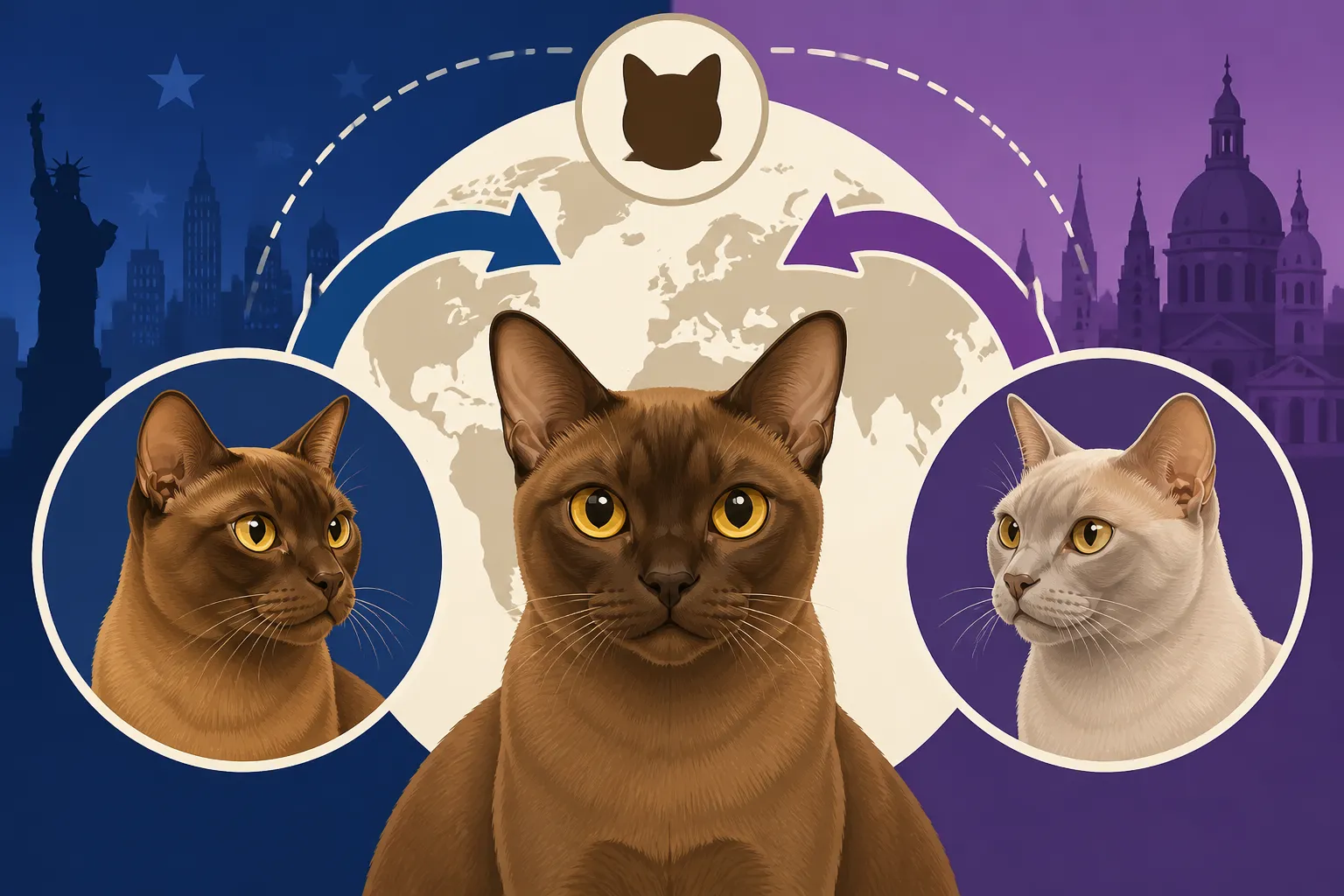
Whether an American Burmese Line Can Import European Blood
It's quite natural to look at the elegant, distinct features of different Burmese cats around the world and wonder if those unique qualities can be blended. After all, isn't genetic diversity good for a breed? Many American breeders and prospective owners find themselves asking if an American Burmese line can import European blood to broaden its genetic pool or simply to introduce different aesthetic traits. This guide will dive deep into the fascinating history of how these two types diverged, the practical realities and challenges of importing European bloodlines, and what this means for the health, registration, and future of your beloved Burmese.
The American and European Burmese: A Tale of Two Standards
The story of the Burmese cat begins with a single cat named Wong Mau, brought from Burma (now Myanmar) to the United States in 1930 by Dr. Joseph Thompson. Wong Mau was a beautiful, walnut-brown cat, and her unique qualities captivated Thompson. He bred her to a Siamese, a common practice in those early days to understand genetic traits, and the resulting kittens laid the foundation for what we now know as the Burmese breed.
In the early days, the breed was quite unified. However, as the breed gained popularity and spread globally, particularly to the United Kingdom, breeders on different continents began to emphasize different physical traits. This divergence wasn't a planned split, but rather an organic evolution driven by individual preferences, interpretations of the original standard, and the available gene pool in each region.
In America, the emphasis shifted towards a cat with a more compact, "cobby" body, a distinctively rounded head, full cheeks, and large, round eyes. This gave rise to the American Burmese type that many of us recognize today. Breeders worked diligently to refine these characteristics, creating a cat that feels surprisingly heavy for its size—often described as a "brick wrapped in silk." The head, specifically, is a hallmark of the American type, often having a "sweet expression" due to its roundness and placement of features. You can learn more about What an American Burmese's Head Should Look Like.
Across the Atlantic, particularly in the UK, breeders faced challenges during and after World War II, which severely depleted cat populations. To rebuild the Burmese lines, some outcrossing to other breeds was necessary, leading to a slightly different genetic foundation. Over time, European breeders developed a preference for a sleeker, more oriental body type. The European Burmese typically boasts a longer, more elegant body, a wedge-shaped head, and almond-shaped eyes that give it a more refined and somewhat less "chunky" appearance than its American counterpart. Its profile is often longer, and its ears are generally larger and more flared. The focus there was on maintaining a more athletic, medium-sized cat with a distinct, often quite vocal, personality. Exploring What a European Burmese's Head Should Look Like can give you a clearer picture of these differences.
These diverging preferences led to two distinct breed standards—one maintained by organizations like the Cat Fanciers' Association (CFA) for the American Burmese, and another by organizations such as The Governing Council of the Cat Fancy (GCCF) in the UK for the European Burmese, though TICA often registers both as simply "Burmese" but allows for the different types within its judging standards. It’s a classic example of how geographical separation and breeder choices can lead to variations within a single breed.
Why Mixing Lines Isn't Standard Practice and the Challenges Involved
While it's technically possible for an individual to import a European Burmese and bring it into the United States, integrating its "blood" directly into established American Burmese breeding lines is a very different story, and it's not a common or typically encouraged practice within the American Burmese fancy.
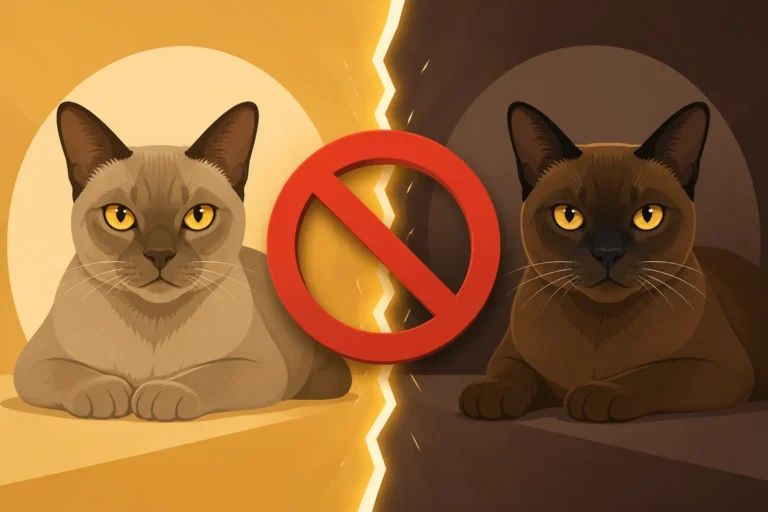
The primary reason lies in those distinct breed standards we just discussed. A breeder's goal, especially those involved in showing their cats, is to produce kittens that conform as closely as possible to their chosen standard. If an American breeder were to import a European Burmese and breed it to an American Burmese, the resulting kittens would likely be "intermediate" in type. They might have heads that aren't quite round enough for the American standard, but not quite wedge-shaped enough for the European. Their body might be neither truly cobby nor truly oriental. These "hybrid" kittens would fall into a sort of genetic no-man's-land, unable to compete successfully in either American or European show rings and generally not desired by breeders dedicated to maintaining either specific type.
Think of it like this: if you're trying to bake a perfect chocolate cake, you stick to the recipe. If you start adding ingredients from a carrot cake recipe, you'll get something edible, perhaps, but it won't be a perfect chocolate cake or a perfect carrot cake. In the world of show cats, "perfect" adherence to the standard is the goal.
Beyond the aesthetic differences, there are practical challenges:
- Cost: Importing an animal involves significant expenses. You're looking at the purchase price of the cat itself, which for a show/breeding quality European Burmese can be substantial, often exceeding the cost of an American equivalent. Then there are transport fees, veterinary checks, quarantine fees (if required, though often less strict for cats than dogs), and import permits. These costs can quickly add up, making the initial investment quite high. You can get a sense of the financial commitment by looking into What Importing European Burmese Lines Costs.
- Logistics and Paperwork: Navigating international animal transport regulations, veterinary requirements for export and import, and the necessary pedigree and registration paperwork can be a complex and time-consuming endeavor. You'd need to ensure the cat's lineage is properly documented and recognized by American registries, which can sometimes be a bureaucratic maze, especially if dealing with registries that don't readily interchange data or standards.
- Breeder Philosophy: European Burmese breeders and American Burmese breeders often have deeply ingrained philosophies about their respective types. A European breeder might be hesitant to sell a breeding animal to an American who intends to "outcross" it to an American line, fearing it might dilute their carefully cultivated traits or lead to less-than-ideal offspring. Trust and shared breeding goals are paramount in the purebred cat world.
- Genetic Health Considerations: While both types are generally healthy, their separate breeding programs might have emphasized different genetic screenings or might have different predispositions to certain conditions. For example, while diabetes is a concern in both, the prevalence and specific genetic markers might vary. Introducing an animal from a different genetic pool could inadvertently introduce or highlight health issues not common in the local line, or mask conditions that American breeders are rigorously testing for. Ensuring the full Which Tests Belong on a Burmese DNA Panel is critical, regardless of origin.
Therefore, while a cat technically can be imported, the idea of intentionally "mixing" the lines for breeding purposes is generally frowned upon by dedicated breeders of either type, precisely because it compromises the integrity of the established standards.
Registration Hurdles and Breed Preservation
The separate development of the American and European Burmese has also led to distinct registration practices and philosophies among the major cat registries. This creates significant hurdles for anyone considering blending these lines.
In the United States, the Cat Fanciers' Association (CFA) is one of the oldest and most respected registries. CFA recognizes only one Burmese breed, and its standard is firmly rooted in the American type. While CFA might register a cat imported from Europe as a "Burmese," if that cat doesn't conform to the American standard, it would be heavily faulted in the show ring. More importantly, CFA has strict rules about outcrossing and typically requires multiple generations of "pure" Burmese breeding (meeting their standard) before offspring from an outcross can be fully accepted into their championship programs. Historically, CFA even suspended the Burmese registration for a period to ensure purity after issues with unauthorized outcrossing to Siamese cats, demonstrating their commitment to maintaining strict breed definitions. You can read more about CFA Suspended the Burmese in 1947 and Took It Back.
On the other hand, The International Cat Association (TICA) is generally more inclusive and recognizes both the "Burmese" (which aligns with the American type) and the "European Burmese" as distinct but related breeds. This means TICA allows for separate standards for each, and breeders can register and show either type. However, even with TICA, the expectation is that you are breeding within a type. Breeding an American Burmese to a European Burmese, even within TICA, would result in offspring that might not fully satisfy either standard, making them less desirable for show or perpetuating a specific line.
The Governing Council of the Cat Fancy (GCCF) in the United Kingdom, and many other European registries, exclusively recognize and champion the European Burmese type, often referring to the American type as a completely different breed or variant. This stark difference in recognition highlights the deep divide that has formed over the decades. Which Registries Separate the Two Burmese Types gives a good overview of how different organizations view these types.
The core issue here is breed preservation. Breeders, particularly those dedicated to a specific type, invest generations of effort into refining characteristics, temperament, and health profiles unique to their lines. Introducing "foreign" genetics, even from the same foundational breed, can be seen as undoing that work. It risks diluting the very traits that define the American Burmese or the European Burmese. This isn't just about aesthetics; it's also about maintaining predictable temperament, body structure, and even specific genetic health markers that breeders have worked to screen for.
Therefore, while the physical act of breeding two cats is always possible, the ethical and practical considerations within the purebred cat fancy strongly discourage the arbitrary mixing of these two distinct Burmese lines. For breeders, the focus remains on carefully selecting partners within their established type to maintain the integrity of their lines and uphold the breed standard they are committed to.
What an Owner or Breeder Should Consider
For someone considering getting a Burmese, or an existing owner contemplating breeding, understanding the distinctions between the American and European lines, and the implications of their separation, is crucial. It’s not just academic; it directly impacts what kind of cat you bring into your home and the responsibilities you take on.
For the Prospective Pet Owner
If you’re looking to bring a Burmese into your life, the first step is to decide which "look" and general temperament profile appeals to you most. Do you prefer the round-headed, cobby, often described as "dog-like" and extremely affectionate American Burmese? Or are you drawn to the more elegant, wedge-headed, and perhaps slightly more independent but still very devoted European Burmese? Reputable breeders will be transparent about their lines and which standard they adhere to.
You'll want to ask about the specific health screenings performed on the parent cats. While both types are generally healthy, they do share some predispositions. For example, Burmese cats, as a whole, have a higher incidence of diabetes than many other breeds. Understanding How Much Higher the Burmese Diabetes Rate Really Is can help you make informed decisions about diet and ongoing care. A responsible breeder will have a comprehensive health guarantee and be able to provide documentation of genetic testing, such as for hypokalemia, which is another known issue in the breed.
When you're preparing for a new kitten, remember that their dietary needs are paramount, especially for a breed prone to diabetes. Many breeders recommend a high-protein, low-carbohydrate wet food diet from the start. You might find a wide variety of suitable options on platforms like Chewy, which can deliver right to your door. Investing in quality nutrition is truly a medical decision for a Burmese, not just a preference, helping to manage their predispositions throughout their long lives.
Finally, consider pet insurance from providers like Healthy Paws. Given the potential for conditions like diabetes or hypokalemia, having coverage can provide immense peace of mind. It’s always best to get insurance early, ideally when your kitten is young, before any pre-existing conditions could be noted.
For the Dedicated Breeder
If you're a breeder, the decision regarding importing European blood into an American line is far more complex and generally ill-advised if your goal is to breed to the American standard.
- Define Your Goal: What are you hoping to achieve by introducing European blood? If it’s purely for genetic diversity, there are ways to achieve this within the American lines through careful pedigree research and seeking out unrelated lines or outcrosses to very distant American Burmese relatives, rather than introducing a completely different phenotypic type.
- Understand the Standards: You must have a deep understanding of both the American and European Burmese standards. Any offspring from a cross-type breeding will likely be "non-standard" in terms of conformation, making them unsuitable for showing and potentially difficult to place with owners seeking a specific type.
- Registry Acceptance: Before making any move, consult with your primary registry (e.g., CFA in the US) about their policies on registering and showing cats with mixed lineage. The rules can be very strict, and you may find your efforts won't yield cats eligible for championship status within the American Burmese system. TICA might be more flexible, but even there, maintaining type is key for successful breeding.
- Health Screening: If you do pursue importing, comprehensive health screening of the imported cat is absolutely non-negotiable. This includes a full genetic panel. Different regional lines might have varying prevalence of certain conditions. What is routinely tested for in Europe might not cover all the specific concerns in American lines, and vice versa. It's an opportunity to strengthen the health of your line, but also a risk if not meticulously managed.
- Ethical Considerations: Consider the long-term impact on the breed. Are you genuinely contributing to its health and vigor, or are you creating confusion and diluting established characteristics? Most breeders would argue for strengthening existing lines rather than merging divergent ones, believing that each type has its own beauty and integrity worth preserving.
While the idea of cross-breeding can seem appealing for novelty or perceived genetic benefits, the reality within the Burmese fancy is that the two types have developed distinctly for nearly a century. Maintaining those distinctions, and breeding responsibly within them, is the guiding principle for most dedicated breeders. If you're passionate about preserving the unique qualities of the American Burmese, your focus should remain on strengthening those lines through careful selection and responsible practices. For an owner, appreciating these two distinct expressions of the Burmese breed allows for a more informed and satisfying choice of feline companion.
Disclaimer
This article is for general informational purposes only and does not constitute professional advice. Laws, prices and regulations vary by location and change over time. Consult a qualified professional for guidance on your specific situation.