Why a Burmese Sleeps Against Another Cat
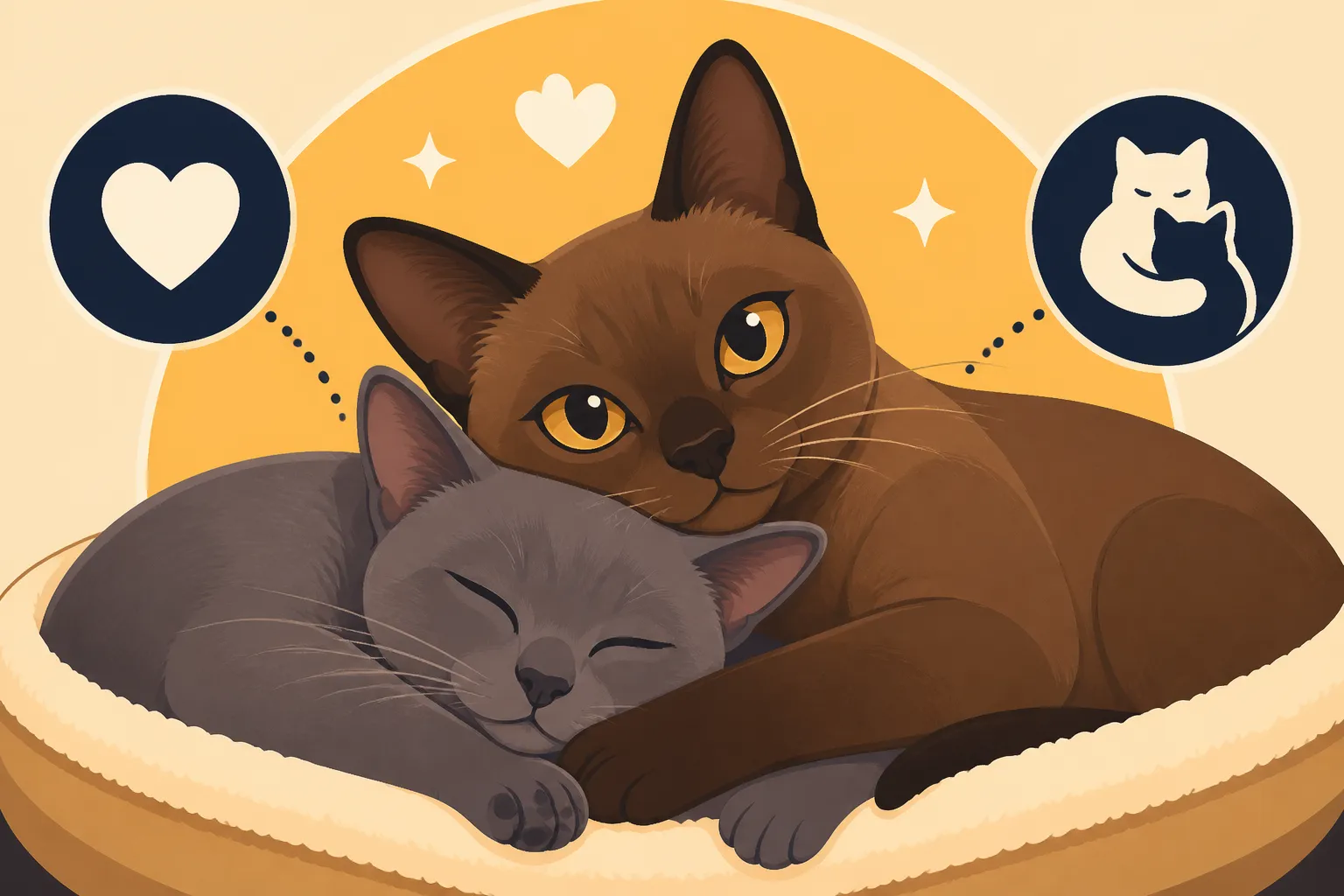
It’s a common sight for anyone lucky enough to share their home with a Burmese cat: curled up tight, often in a pile, with another feline friend. But for first-time Burmese owners, or those simply observing this intensely affectionate breed, you might wonder why your Burmese insists on sleeping practically glued to another cat. This guide will explore the deep-seated reasons behind this endearing behavior, offering insights into the Burmese psyche and what it means for their well-being.
The Inherent Need for Closeness: The Burmese Social Instinct
If you've spent any time with a Burmese, you already know they aren't your typical aloof cat. They're often called "dog-like" for a reason – their need for companionship is profound. This isn't just a quirky personality trait; it's a fundamental aspect of their breed character and a key driver behind why you'll often find them snuggled up with a buddy.
"Velcro Cats" Who Thrive on Contact
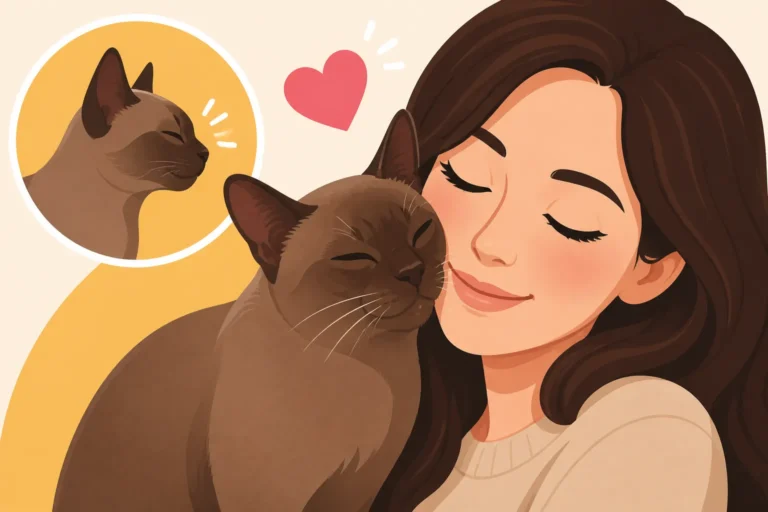
The Burmese didn't earn the nickname "Velcro Cat" by accident. They are renowned for their intense attachment to their human families, but this extends to other pets in the household as well. They crave physical contact, often seeking to be in the same room as you, on your lap, or even riding on your shoulder. When a human isn't available, or even when one is, another cat becomes their next best option for fulfilling this deep-seated need for physical touch and companionship. It’s not just about being in the same space; it’s about touching, leaning, and truly sharing warmth and presence. This isn't a behavior they "grow out of" with age; even senior Burmese often retain this need. A Burmese Is Still Playing at Fifteen
This constant desire for closeness means that simply having another cat in the house isn't always enough for a Burmese; they need that cat to be accessible and willing to participate in their cuddling routines. Many Burmese owners will tell you stories of their cat trying to initiate cuddles with even the most reluctant housemate. It's truly a testament to how deeply ingrained this social drive is within them.
Evolutionary Roots: Why a Group Mentality Persists
While our domestic cats are often seen as solitary hunters, the Burmese breed, with its strong social tendencies, suggests a more communal past. In their ancestral origins, cats might have formed loose colonies, and while not all domestic breeds retain a strong inclination for group living, the Burmese certainly seems to. Sleeping together offers a primal sense of security and belonging. It reinforces their place within their chosen "pride," whether that pride consists of humans, other cats, or even friendly dogs. This isn't just learned behavior; it's a whisper from their evolutionary past that tells them there's safety and comfort in numbers.
This strong social structure is part of why Burmese breeders often recommend acquiring them in pairs. They understand that for a Burmese, especially a kitten, having a constant companion helps them settle, develop, and mitigate the risks of What Separation Anxiety Looks Like in a Burmese. A well-adjusted Burmese often means a well-socialized Burmese, and sleeping side-by-side is a huge part of that social contract.
Seeking Warmth and Comfort: More Than Just Snuggles
Beyond the emotional comfort of companionship, there’s a very practical, physiological reason why your Burmese loves to pile up with other cats: warmth. Their unique coat and body type make them particularly susceptible to feeling the cold, and another feline body is a fantastic, natural heating pad.
The Short, Thin Satin Coat and Undercoat
The Burmese is famous for its short, fine, satin-like coat. While it's beautiful to touch and admire, it's not particularly insulating. Unlike many other cat breeds that boast a thick undercoat, the Burmese has very little, if any, of this insulating layer. This means they simply don't have the natural fluff and density to trap body heat as effectively as, say, a Maine Coon or a Persian.
Think of it like this: if you were to go out on a chilly day wearing just a thin silk shirt, you'd feel the cold much more intensely than someone wrapped in a thick wool sweater. Your Burmese, with its sleek coat, is essentially wearing that silk shirt all the time. Huddling against another cat, or even against you under a duvet, is a highly effective strategy for conserving body heat and staying comfortably warm. This is why you'll often find them seeking out the warmest spots in the house, be it a sunbeam, a radiator, or, most reliably, another warm body. This behavior is rooted in their basic survival instincts. Why a Short Coated Burmese Seeks Body Heat
Body Temperature Regulation and Energy Conservation
Cats generally maintain a body temperature a bit higher than humans, around 100-102.5°F (37.8-39.2°C). To maintain this temperature, especially in cooler environments, their bodies expend energy. When a Burmese snuggles closely with another cat, they create a shared microclimate, reducing the surface area exposed to the colder air and effectively sharing and radiating body heat. This cuts down on the energy expenditure required to stay warm. It’s an efficient, cozy arrangement that helps them stay toasty without having to burn extra calories.
This energy conservation can be particularly important for kittens, older cats, or those who might be slightly unwell. A warm, comfortable sleep environment promotes deeper rest and allows their bodies to focus resources on other vital functions. If your Burmese often seeks out extra warmth, you might also consider providing a heated bed or a cozy blanket for them, perhaps something you could find on Amazon, to supplement their natural bundling habits.
The Instinct for Security: Safety in Numbers
Beyond companionship and warmth, there's a primal sense of security that drives a Burmese to sleep close to others. Even in the safety of a domestic home, ancient instincts can influence behavior, and for a highly social and affectionate breed like the Burmese, feeling secure is deeply tied to not being alone.
Vulnerability During Sleep
Just like any animal, cats are most vulnerable when they are sleeping. Their senses are less acute, their reactions slower, and they are temporarily unaware of potential threats. For a highly trusting and somewhat naive breed like the Burmese, this vulnerability might feel more pronounced. Sleeping nestled against another cat provides a psychological buffer against perceived dangers. It's an unspoken agreement that "we're in this together," offering a sense of collective protection that allows for deeper, more relaxed sleep.
Imagine being in a new, slightly unsettling place. You'd likely feel more comfortable and secure if you had a trusted friend beside you, even if objectively there was no danger. A Burmese experiences a similar feeling. The presence of another cat, especially one they have a strong bond with, acts as a living, breathing reassurance that all is well. This is particularly noticeable if you have a single Burmese who seems restless or has trouble settling; often, introducing a suitable companion can make a world of difference. Why a Burmese Should Never Be an Only Cat
Reducing Anxiety and Stress
A Burmese left alone for extended periods can quickly develop anxiety or show signs of stress, such as destructive behavior or over-grooming. This breed truly struggles with solitude. How Many Hours Before a Burmese Starts to Suffer Having another cat to sleep with, to wrestle with, and to groom, significantly reduces these anxieties. The physical contact releases oxytocin, a "feel-good" hormone that promotes bonding and reduces stress, for both cats.
This isn't just about avoiding overt signs of distress; it’s about fostering a consistent state of contentment. A Burmese that feels secure and loved is generally a happier, healthier cat. This is why understanding their social needs is paramount. If you're observing your Burmese and considering a companion, knowing their deep need for physical presence can guide your decision. A well-placed cat tree or snuggle bed from Amazon can provide comfort, but it rarely replaces the direct comfort of another living being.
Fostering a Bond: Encouraging This Sweet Behavior
Understanding why your Burmese sleeps against another cat is one thing; actively encouraging and supporting this beautiful bond is another. As owners, we can create an environment that nurtures their social instincts and ensures their comfort and happiness.
Thoughtful Introductions and Compatible Companions
If you're considering adding a second cat to your home specifically for your Burmese, choosing the right companion and making a thoughtful introduction is key. Not every cat breed will appreciate the Burmese's intensity and "in-your-face" affection. Look for breeds known for their sociability, or another Burmese, if possible. Breeds like the Siamese or Tonkinese often share similar high-energy, affectionate traits. Which Breeds Are Affectionate Enough for a Burmese
The introduction process itself should be slow and controlled, allowing both cats to gradually acclimatize to each other's presence. Scent swapping, supervised short meetings, and plenty of positive reinforcement can pave the way for a strong bond. The goal isn't just coexistence; it's to foster a relationship where they feel comfortable enough to curl up together for naps, reinforcing that sense of security and companionship.
Providing Ample Shared Spaces and Resources
While they love to snuggle, it’s also important that both cats have enough space and resources to retreat to if they need a moment alone. This includes multiple sleeping spots (even if they usually choose to pile up), separate food bowls, and multiple litter boxes. However, for a Burmese, the opportunity for shared sleeping is often a priority. Consider larger cat beds, spacious cat trees with multiple platforms from Amazon, or cozy blankets on the couch where they can easily share a space without feeling crowded.
Creating cozy nooks where two cats can comfortably fit together will encourage this behavior. A sun-drenched window seat with a soft pad, a large plush bed, or even just a designated spot on your bed provides an invitation for them to cuddle up. Observe where they naturally gravitate and make those spots extra appealing.
Respecting Their Natural Social Dynamics
Cats, even social ones like the Burmese, have their own social hierarchies and dynamics. Sometimes one cat is the primary initiator of cuddles, and the other is the willing recipient. It's important to observe and respect these natural interactions. Don't force them to snuggle if one seems reluctant, but generally, a Burmese will be quite persistent in getting their cuddle fix.
You might even notice a routine developing, perhaps one cat waiting for the other to settle before joining, or a specific grooming ritual that precedes a nap. These are all signs of a healthy, functioning social bond. By understanding and valuing Why Two Burmese Settle Each Other, you're not just providing two cats with a home; you're facilitating a deeply fulfilling relationship that is essential to the Burmese’s unique character and happiness.
| Reason for Sleeping Together | Description | Benefits for Burmese |
|---|---|---|
| Companionship | Fulfills the breed's intense social needs. | Reduces loneliness, fosters emotional well-being. |
| Warmth | Thin coat provides poor insulation, huddling conserves heat. | Stays warm, conserves energy, promotes deep sleep. |
| Security | Vulnerability during sleep, ancient instinct for safety. | Reduces anxiety, provides comfort, feels safe. |
| Bonding | Reinforces social ties and affection. | Strengthens relationships, releases feel-good hormones. |
Disclaimer
This article is for general informational purposes only and does not constitute professional advice. Laws, prices and regulations vary by location and change over time. Consult a qualified professional for guidance on your specific situation.