Whether a Burmese Under the Covers Wakes You
Ah, the delightful dilemma of sharing your bed with a Burmese! It's one of those unique experiences that really defines life with these affectionate, intelligent, and often very demanding felines. Many of us know the joy of waking up to a warm, purring bundle under the covers, but let's be honest, it can also lead to a few restless nights, right? This guide is all about exploring why your Burmese has likely claimed a spot beneath your duvet, what that means for your sleep, and how you can find a harmonious balance so both you and your beloved furball get the rest you need.
The Irresistible Pull of the Duvet: Why Burmese Cats Love to Burrow
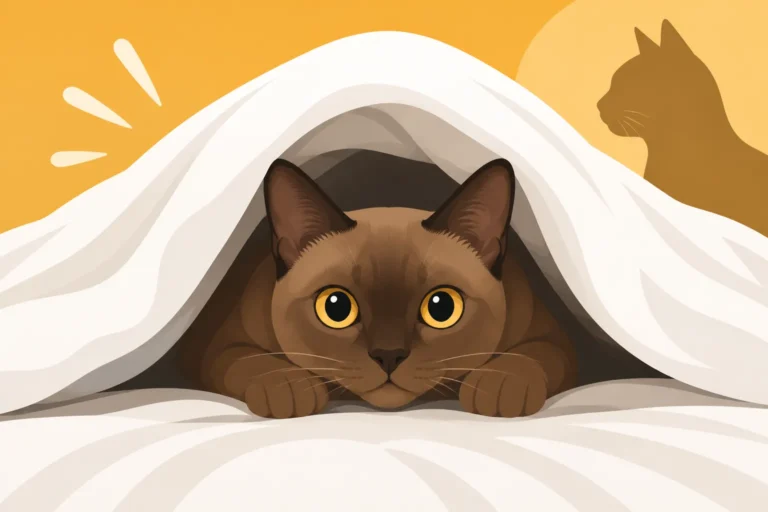
If you’ve ever found yourself wondering why your sleek, muscular Burmese seems to disappear into the depths of your bedsheets, you're not alone. This isn't just a quirk; it's deeply ingrained in their nature, driven by both physical needs and their profound social instincts. They aren't just sleeping on the bed; they want to be in it, fully immersed in your personal space.
Seeking Warmth: The Burmese's Short Coat and Body Heat
One of the primary reasons your Burmese seeks out the warmth of your duvet is quite simply their coat. Unlike many other breeds with dense undercoats that provide insulation, the Burmese has an incredibly short, fine, satin-like coat with very little, if any, undercoat. This makes them absolute connoisseurs of warmth. Imagine stepping out into a cool room in just a silk slip; that's kind of how your Burmese feels much of the time! They aren't built for cold, and even a comfortable room temperature for a human can feel a little chilly to them, especially when they're settled down for a long nap.
The warmth under the covers, particularly snuggled right against your body, is pure bliss for them. It’s like their own personal heated blanket, generated naturally. They'll burrow deep, often positioning themselves right up against your legs, back, or even under your arm, maximizing that lovely body heat exchange. This is why you'll often find them gravitating towards sunbeams, radiators, or indeed, the warmest spot in the house – which often happens to be right next to you, buried in the bedding. It's a fundamental comfort, and once they discover the magical warmth of a duvet, it becomes their preferred sanctuary. This inherent need for warmth is also why you might notice them refusing to go out in colder weather, preferring the cozy confines of home. Why a Short Coated Burmese Seeks Body Heat and Why a Short Coated Burmese Feels the Cold both explain this in more detail.
The Ultimate Affection: Proximity and Security
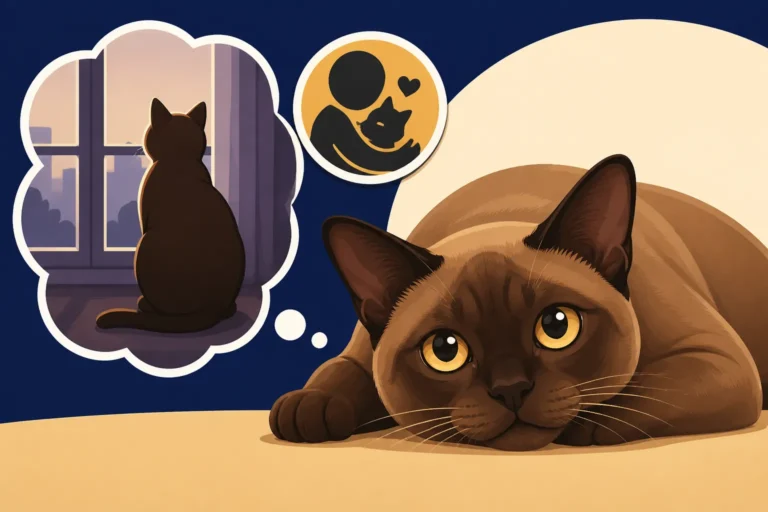
Beyond the physical comfort of warmth, there's a profound emotional driver for your Burmese to be under the covers: their intense need for proximity and security. Burmese cats are famously known as "Velcro cats" or "dog-like" because of their unwavering devotion and desire to be constantly with their humans. They thrive on companionship and physical touch, and for them, there's no closer form of bonding than snuggling up in your bed, beneath the same blanket. It's not just a casual cuddle; it's a deep expression of their trust and affection.
When your Burmese burrows under the covers, they're not just finding a warm spot; they're claiming their place as an integral part of your pack, right where they feel safest and most connected. This behavior speaks volumes about the bond you share. They feel secure knowing you are there, a comforting presence that wards off any feelings of loneliness or anxiety. For a breed that truly struggles with being left alone, even for short periods, being literally wrapped up with you is the ultimate reassurance. It's their way of saying, "You are my favorite human, and I want to be as close to you as physically possible." This intense need for connection means they rarely want to let you leave the room, let alone the bed. Why a Burmese Cannot Let You Leave the Room touches on this powerful attachment.
When Cuddles Become Choreography: Navigating a Burmese in Bed
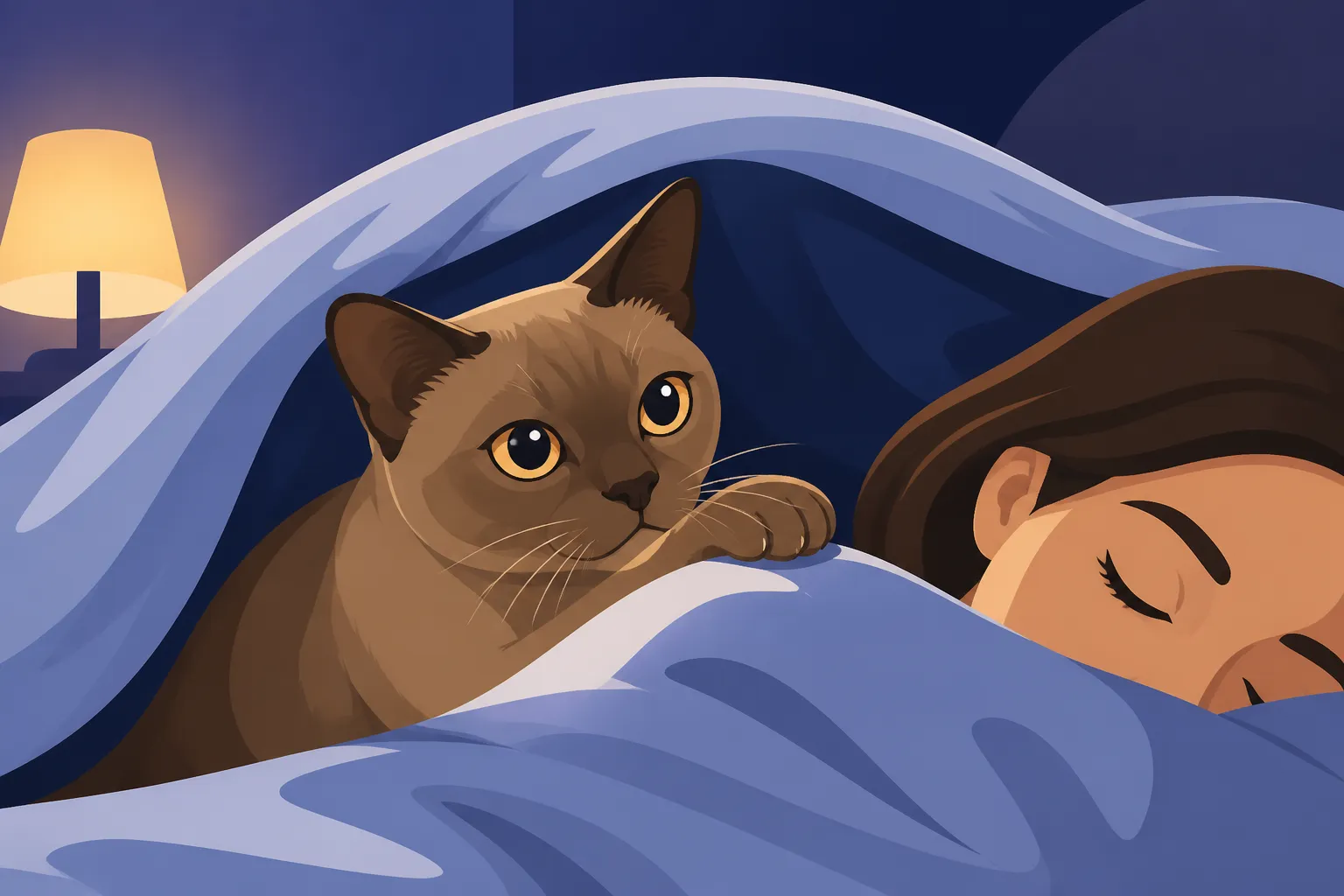
So, the big question: Does a Burmese under the covers wake you? The short answer for many Burmese owners is a resounding "yes," but how and why can vary wildly. Their inherent nature, a charming blend of playful kitten and devoted companion, doesn't simply switch off when the lights go out.
The Nighttime Activities of a Buried Burmese
While the image of a peacefully sleeping cat under the covers is lovely, the reality with a Burmese can be a bit more dynamic. These cats are incredibly active and playful, and this kittenish energy often extends well into their senior years. Why a Burmese Stays Kittenish Into Old Age illustrates how their zest for life endures. This means your "sleeping" Burmese might engage in a surprising array of nighttime activities that can disturb your slumber.
Imagine being gently woken by a sudden burst of frantic purring directly into your ear, or the rhythmic kneading of tiny paws on your hip as your cat expresses ultimate contentment. Sometimes, it's the subtle shift of a surprisingly heavy body repositioning itself, perhaps attempting to stretch out across your pillow, or maybe they’re just adjusting their "nest" under the duvet, which feels like a small earthquake when you’re half-asleep. Then there are the more pressing needs: a Burmese who has enjoyed a large drink before bed might need a trip to the litter box. They'll generally announce this by nudging you, pawing at the duvet, or attempting to tunnel their way out with surprising determination. These aren't necessarily malicious wake-up calls, but simply the natural behaviors of an engaged and comfortable feline sharing your sleep space.
The Rattle and Hum: Understanding Their Vocalizations Under the Covers
One of the most distinctive traits of the Burmese breed is their voice. Unlike the sharp, often piercing meow of a Siamese, the Burmese is known for its unique "rasping rumble" – a throaty, conversational sound that's rich in nuance. When your Burmese is nestled under the covers, this vocalization becomes an intimate, sometimes startling, part of your nighttime experience. What a Burmese's Rasping Voice Sounds Like goes into great detail about this specific sound.
Imagine being in the quiet dark, and suddenly, a deep, resonant rumble vibrates through the bed, seemingly coming from within the duvet itself. This isn't always a complaint; often, it's a sound of profound contentment, a "happy purr" that's magnified by the enclosed space. They might be expressing their joy at being warm and close to you, or simply acknowledging your presence. However, that rumble can also escalate into a more insistent chatter or even a direct nudge if they're trying to communicate something more urgent. Perhaps they’re hungry, noticed the first hint of dawn, or simply decided it's time for morning cuddles to begin, regardless of the actual clock time. Learning to distinguish between their contented rumbles and their "I need something" chattering is key to a peaceful night, or at least understanding why you're being woken up before your alarm.
Striking a Balance: Keeping Your Sleep and Your Snuggler Happy
For many Burmese owners, the thought of banning their beloved cat from the bed entirely is simply heartbreaking. Their affection is one of the main reasons we choose them! The good news is that you can often strike a balance that allows for cuddles without completely sacrificing your sleep. It takes a little patience and understanding of your cat's needs and motivations.
Gentle Redirection: Encouraging Alternative Warm Sleep Spots
Since warmth is such a significant factor in their desire to burrow, providing equally enticing warm spots can be a game-changer. Think strategically about where these spots might be: perhaps a plush, self-warming bed placed right next to your side of the bed, or even a specialized heated cat bed. You can find excellent options for these on Amazon, ranging from simple thermal mats that reflect body heat to electric beds with adjustable temperatures. Make these alternatives irresistibly comfortable with soft blankets that carry your scent. Whether a Burmese Needs a Heated Bed provides more insight into their need for warmth.
The trick here is gentle encouragement, not force. Try starting your Burmese in their designated cozy spot before you get into bed. You can even place a favorite toy or a treat in it to create positive associations. Consistency is key. If they migrate to your duvet, gently move them back to their own warm bed. Over time, they might just learn that their personal warm spot is almost as good as yours, especially if you still offer plenty of lap time and cuddles when you're awake. Remember, the goal is to offer an alternative, not to reject their need for warmth and comfort.
Setting Boundaries: Managing Expectations for Shared Sleep
While complete banishment might feel wrong, setting clear boundaries can really help improve your sleep quality. This isn't about pushing them away, but about creating zones or times for interaction. For example, some owners find success by allowing their Burmese to snuggle on top of the duvet rather than under it, or by designating a specific blanket on the bed as "the cat blanket." This still allows for proximity and warmth without the physical disruption of them tunneling around beneath your sheets. Why a Burmese Sleeps Anywhere You Are highlights their adaptable nature when it comes to finding a comfortable spot near you.
Another strategy is to manage their early morning demands. If your Burmese is waking you for breakfast, try using a timed feeder for a small portion of food right before dawn. This can sometimes buy you an extra hour or two of sleep. If it's simply a need for attention, establish a routine where you get up, attend to your own needs, and then engage in play or cuddles. It teaches them that their persistent vocalizations don't immediately result in your attention. You might even find sturdy, elevated cat trees or cozy window perches on Amazon that offer appealing views and a sense of security, diverting some of their attention from being solely focused on your bed. This is a delicate dance, as their affection is so strong. You want to communicate that while you adore them, human sleep is also a necessity!
The Deeper Bond: Why Sharing Your Bed is a Burmese Trait
Ultimately, your Burmese's desire to sleep under the covers with you is a testament to the incredibly special bond you share. It's a hallmark of the breed's affectionate nature and something many owners cherish, even with the occasional sleep interruption.
The Comforting Presence: Beyond Just Warmth
For a Burmese, being under the covers with you isn't just about finding the warmest spot in the house; it's about being utterly enveloped in your presence. It's the scent of you, the sound of your breathing, the subtle movement of your body – all these sensory cues reinforce their sense of security and belonging. This breed thrives on connection, and sharing a sleeping space is the ultimate expression of that bond. It's a profound declaration of trust and love from your cat, and for many, the comforting presence of their purring companion outweighs any minor inconveniences. Why a Burmese Gets Under the Duvet explains how deeply ingrained this behavior is.
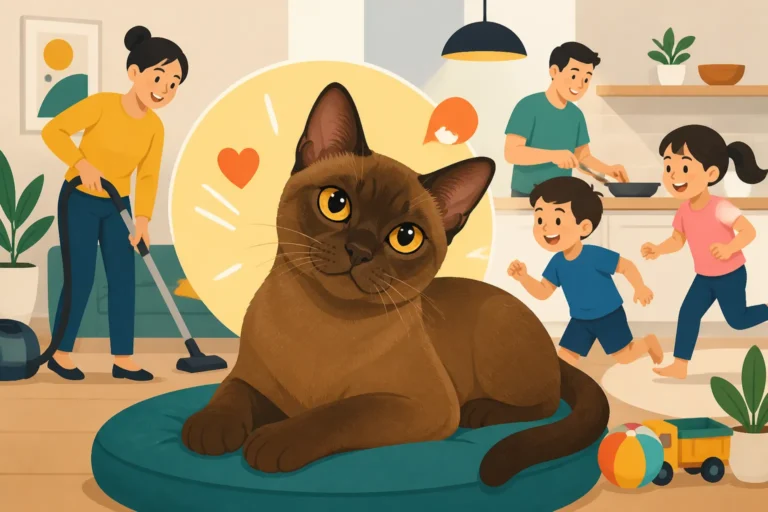
They want to be a part of your routine, every single aspect of it. From greeting you at the door to following you from room to room, their entire world revolves around you. This includes bedtime. Your bed isn't just a place to sleep; it's the heart of your personal sanctuary, and they want to be right there with you, sharing that intimate space. It's a unique aspect of owning a Burmese that truly sets them apart, turning them into much more than just a pet; they become a true family member, often behaving more like a tiny, furry person than a typical cat.
Handling Nighttime Needs: Litter Boxes and Early Morning Demands
Living with a Burmese means anticipating their needs, even at night. If your cat is consistently waking you to use the litter box, ensure their box is easily accessible and kept impeccably clean. A dirty box is a strong deterrent for any cat, but an especially fastidious Burmese might be even more particular. Placing an extra litter box in a convenient, quiet location can sometimes help. As mentioned earlier, managing hunger-related wake-ups can be addressed with timed feeders, widely available on Amazon. Setting it to dispense a small portion just before dawn can help satisfy their internal clock and allow you a bit more uninterrupted rest.
It's also worth noting that a Burmese, being so tuned into your habits, will quickly learn if their early morning antics consistently lead to you getting up. If you're struggling with persistent early wake-up calls, try to avoid immediately responding to their demands. Instead, wait until you are ready to get up before engaging. This subtle training can help shift their expectations, teaching them that while you love them dearly, there are appropriate times for interaction. After all, a well-rested human is a happier human, and a happier human means more quality cuddle time for your Burmese! How to Stop a Burmese Asking for Company at Five offers more strategies for these specific challenges.
Burmese cats possess a unique blend of extreme affection and playful energy, making them delightful, if sometimes disruptive, companions. Their tendency to burrow under the covers is a charming manifestation of their need for warmth and deep connection. While they certainly can wake you, understanding their motivations and implementing a few gentle strategies can help ensure that both you and your furry duvet-diver get the restorative sleep you need.
Burmese Under the Covers: Pros & Cons
| Feature | Pros | Cons |
|---|---|---|
| Warmth & Comfort | Provides natural warmth for short-coated Burmese. | Can make the human too hot or uncomfortable. |
| Emotional Bond | Deepens connection and trust, reinforces "Velcro cat" nature. | Can lead to over-dependence and separation anxiety if not managed. |
| Security for Cat | Offers a safe, secure, and comforting sleeping environment. | Creates a habit that's hard to break if you later need to change it. |
| Nighttime Interaction | Enjoyable for owners who love close proximity and purrs. | Can lead to interrupted sleep due to kneading, purring, or movements. |
| Early Morning Wake-Ups | Cat might wake you for morning cuddles, starting the day with affection. | Cat might wake you too early for food or attention demands. |
| Hygiene | Generally clean, but loose hairs can collect on bedding. | Increased shedding on sheets; potential for litter box tracking. |
| Space | A small, warm bundle in the bed. | Can take up surprising amounts of space when stretched out. |
Disclaimer
This article is for general informational purposes only and does not constitute professional advice. Laws, prices and regulations vary by location and change over time. Consult a qualified professional for guidance on your specific situation.