How a Burmese Behaves on Catnip
One of the most amusing, and sometimes bewildering, questions many Burmese cat owners have is about their beloved feline's reaction to catnip. You might have seen other cats go absolutely wild or become blissfully serene, and you wonder, "Will my unique Burmese react the same way?" It's a valid curiosity, especially with a breed known for its distinctive personality, and this guide will delve deep into how these charming, often quirky, cats typically behave when introduced to the wonders of Nepeta cataria.
The Burmese and Its Unique Response to Catnip
It's a scene many cat owners cherish: sprinkling a little catnip and watching the ensuing chaos or calm. But with a Burmese, known for their "dog-like" devotion and boundless energy, the question isn't just if they'll react, but how their vibrant personalities will express themselves under the influence of the herb. Your Burmese isn't just any cat; they often amplify every experience, making catnip time a truly unique spectacle.
What Catnip Actually Does to Cats and Why Some Don't Care
First, let's pull back the curtain on catnip itself. The magic ingredient is an essential oil called nepetalactone, found in the leaves, stems, and flowers of the catnip plant. When a cat sniffs it, the nepetalactone mimics a cat's pheromones, triggering a response in their brain, specifically in the olfactory bulb. This can lead to a range of behaviors: rolling, rubbing, purring, drooling, vocalizing, and even momentary aggression or hyperactivity. It's a short-lived party, typically lasting only 5-15 minutes, after which most cats become immune to its effects for an hour or two.
However, not every cat is susceptible to catnip's charms. The sensitivity to nepetalactone is largely genetic, passed down through generations. It's estimated that around 70-80% of domestic cats respond to catnip. If your Burmese doesn't seem to care, don't feel like you're missing out or that your cat is broken! It simply means they didn't inherit the specific gene that allows them to experience its euphoric effects. Kittens under six months old often don't react, as their neurological systems aren't fully developed, and some senior cats might also show a diminished response. For the majority who do, however, it's quite the show.
The Typical Burmese Catnip Experience: From Zoomies to Zen
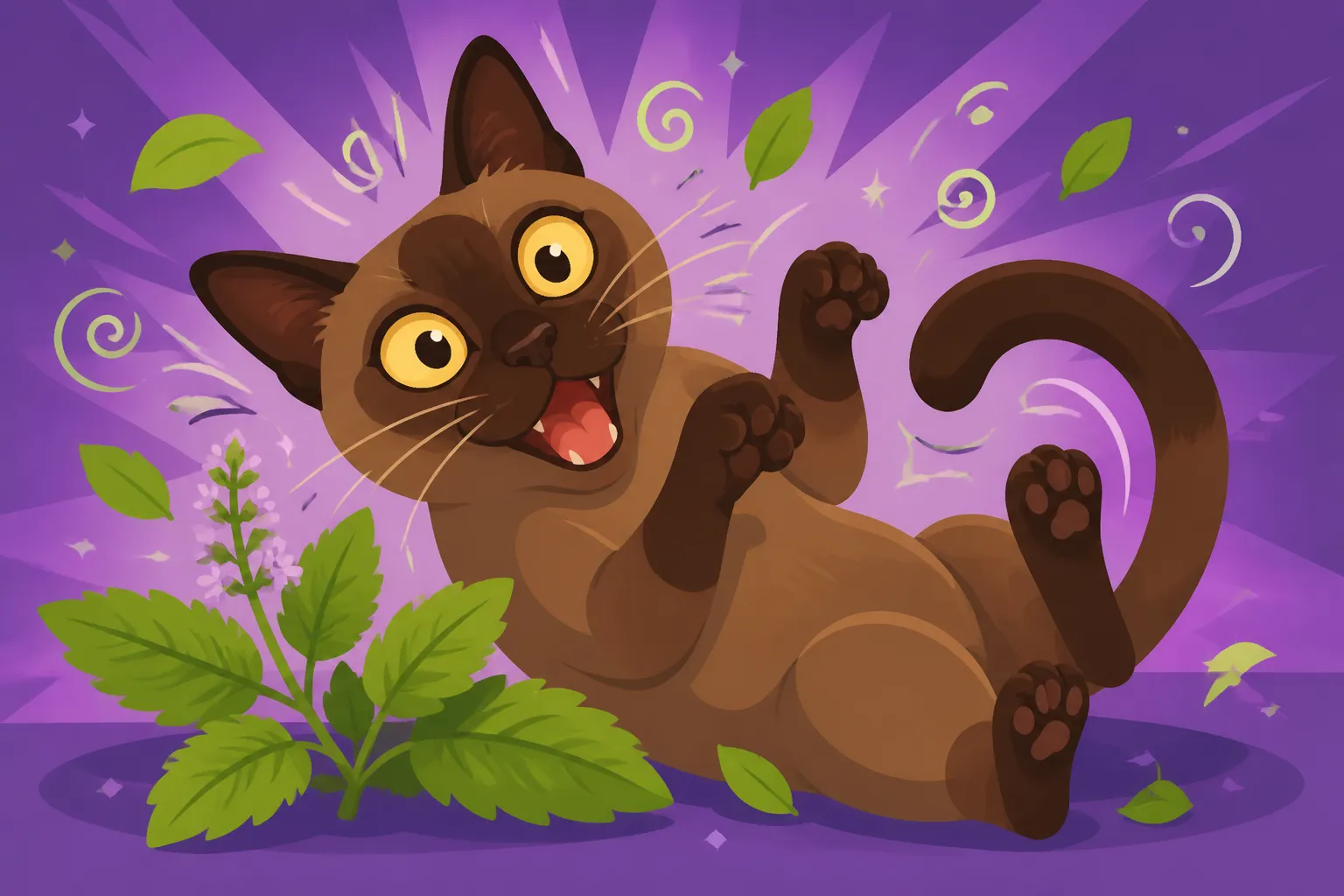
For Burmese cats who are genetically inclined to respond, catnip often brings out an exaggerated version of their already captivating personalities. Known for being incredibly playful, intelligent, and fiercely affectionate, a dose of catnip can turn these traits up to eleven. You might witness a flurry of "zoomies" – that sudden burst of inexplicable energy where they race around the house as if chasing invisible prey. They might pounce on imaginary foes, bat at toys with renewed vigor, or roll around on the floor in pure ecstasy, rubbing their face and body into the catnip. It's truly a sight to behold, like watching your usually dignified companion suddenly become a fuzzy, ecstatic toddler.
After this initial burst of frenetic activity, many Burmese will transition into a more relaxed, almost meditative state. The frantic energy often gives way to a dreamy, contented purr as they settle down, perhaps sprawling out in a sunbeam or kneading blissfully on a soft blanket. This isn't just typical cat behavior; with a Burmese, this shift is often profoundly endearing. Their deep capacity for affection can manifest as an intense desire for cuddles and attention during this mellow phase. They might push their head into your hand, demand belly rubs, or even try to "nurse" on a favored blanket. It's a testament to their innate desire for connection, even when under the influence of a botanical stimulant. This makes their catnip moments not just entertaining, but often a wonderful bonding experience, solidifying their reputation as the "Velcro cat" of the cat fancy.
Understanding the Catnip Effect on Your Burmese
Observing your Burmese with catnip can be both hilarious and insightful. Their reactions aren't always uniform; some might become vocal, emitting those distinctive rasping rumbles we know and love, while others might go completely silent, lost in their own world of scented bliss. Understanding the nuances can help you provide the best enrichment for your feline friend.
Factors Influencing Your Burmese's Catnip Reaction
Several elements can subtly, or not so subtly, alter how your Burmese experiences catnip. First, the freshness and potency of the catnip itself are crucial. Fresh catnip from a garden plant is often far more potent than dried varieties you might buy in a shaker. The essential oils are more concentrated and volatile. When purchasing dried catnip, look for brands that emphasize freshness and good sealing, which helps preserve the nepetalactone. Many reputable options are available on Amazon, ensuring you get a quality product.
The amount you offer also plays a role. A tiny pinch might elicit a mild interest, while a generous sprinkle could lead to a more profound response. However, more isn't always better; too much can sometimes overwhelm a sensitive cat, leading to a diminished or even slightly agitated reaction, rather than the desired euphoria. Additionally, the frequency of exposure matters. If your Burmese gets catnip daily, they might become desensitized over time. Keeping it as an occasional treat, perhaps once or twice a week, can maintain its novelty and impact, ensuring that each encounter remains special and exciting. Think of it as a cherished indulgence rather than a routine staple.
Observing and Interpreting Your Burmese's Catnip Behavior
When you introduce catnip, take a moment to truly observe your Burmese. What are their immediate physical responses? Are their pupils dilated? Is their tail twitching or tucked? Do they start kneading the air or rolling on their back, exposing their soft belly? These physical cues are often the first indicators of the catnip taking effect. A Burmese is a highly expressive cat, and their body language will tell you volumes.
Beyond the physical, pay attention to their vocalizations. Does their typical "rasping rumble" intensify? Do they chirp, purr loudly, or perhaps even let out a playful growl as they bat at a catnip-filled toy? These sounds are their way of communicating their joy and excitement. Some Burmese might become incredibly focused on the catnip itself, rubbing their face into it repeatedly, while others might become more interested in interacting with you, using their newfound exuberance to solicit pets and attention. This can be a great time to engage them with Which Wand Toys Hold a Burmese's Attention, as their heightened state of playfulness can make playtime even more engaging. Understanding these individual quirks helps you tailor the experience, making it more enjoyable for your specific Burmese and strengthening your bond with them.
Safe and Responsible Catnip Use for Your Burmese
While catnip is generally safe and non-addictive for cats, responsible use ensures that it remains a positive and enriching experience. Just like any treat or stimulant, moderation and careful consideration of the product are key to maximizing its benefits and avoiding any potential downsides.
Choosing the Right Catnip Products for Your Burmese
The world of catnip products is vast, offering various forms to suit different preferences. Dried catnip, often sold in shakers or small bags, is the most common. It's versatile – you can sprinkle it directly, put it in toys, or rub it on scratching posts. When buying dried catnip, especially from online retailers like Amazon, look for organic or high-quality brands that clearly state the source and freshness. A good quality dried catnip should have a strong, earthy aroma.
Catnip sprays are another option, particularly useful if you want to apply the scent to specific items without the mess of loose leaves. These are great for invigorating old toys or encouraging your Burmese to use a new bed or scratcher. Just ensure the spray is pure catnip extract without any added chemicals or alcohol that could be irritating. Finally, catnip-infused toys are incredibly popular. These range from small plush mice filled with catnip to more durable interactive toys. For a breed as playful and intelligent as the Burmese, these toys can provide hours of entertainment, especially when you're looking for ways to keep them engaged. Remember to refresh the catnip in refillable toys periodically, as the potency will fade over time.
Best Practices for Introducing and Managing Catnip Fun
When introducing catnip, start small. Offer a tiny pinch or a single catnip toy in a calm environment. Observe their reaction closely. If they respond positively, you can gradually increase the amount or introduce it more frequently, but always keep it as a special occasion. Limiting catnip sessions to once or twice a week helps prevent desensitization and keeps the experience exciting. Think of it as a treat, not a daily supplement.
Designate a specific "catnip zone" in your home, perhaps on a washable mat or in an area easy to clean. This helps contain any loose leaves and signals to your Burmese that it's playtime. Never force catnip on a cat that isn't interested or seems overwhelmed. While it's rare, some cats can become slightly agitated or aggressive under catnip's influence. If your Burmese shows any signs of distress or negative behavior, discontinue use. For the majority, however, it's a delightful way to provide mental and physical stimulation, especially for a breed known for its boundless energy and need for interaction. It can even be a fantastic tool for training, as their food motivation is already high; using catnip as a reward for learning a new trick can be very effective, building on their innate intelligence and desire to please. Why a Burmese Is the Easiest Cat to Clicker Train is testament to their eagerness to engage with you.
When Catnip Goes "Wrong" or Doesn't Work
It can be a little deflating when you excitedly present catnip to your Burmese, only for them to sniff it indifferently and walk away. But don't despair! This isn't a reflection on your cat's personality or your efforts. As we discussed, the ability to react to catnip is a genetic lottery, and sometimes, your feline friend simply didn't win that particular prize.
Why Your Burmese Might Not React to Catnip
The primary reason a Burmese might not react to catnip is genetics. About 20-30% of cats simply don't have the inherited gene that makes them responsive to nepetalactone. It's completely normal, and there's nothing you can do to "teach" them to like it. Their brains simply don't process the chemical signal. So, if your Burmese just gives it a bored glance, it's likely a genetic predisposition, not a sign of disdain for your offering!
Age can also be a factor. Very young kittens, typically under six months old, often haven't developed the neurological pathways necessary to respond to catnip. So, if you're trying it with a new Burmese kitten, don't be surprised if they're unimpressed. Conversely, some very senior cats might also show a diminished response compared to their younger, more boisterous years. Their senses might not be as sharp, or their overall drive for intense play may have mellowed. Additionally, if your Burmese has had constant access to catnip, they might have built up a tolerance, making future exposures less exciting. It's always best to keep it as an occasional treat. For Burmese owners who work away for long hours, catnip can offer a momentary distraction, but it's not a substitute for company. What a Burmese Does in Nine Hours With No Company might offer more comprehensive solutions for boredom.
Alternative Enrichment for Your Catnip-Averse Burmese
If catnip isn't a hit with your Burmese, don't worry, there are plenty of other ways to keep their intelligent minds and energetic bodies engaged. Burmese cats thrive on interaction and mental stimulation, so explore different avenues of enrichment.
One excellent option is silvervine, another plant that contains compounds similar to nepetalactone, which about 80% of cats (including many non-responders to catnip) find stimulating. You can find silvervine sticks or dried powder, often available alongside catnip products. Valerian root is also known to have an excitatory effect on some felines, offering another alternative. These can be great for mixing up their sensory experiences.
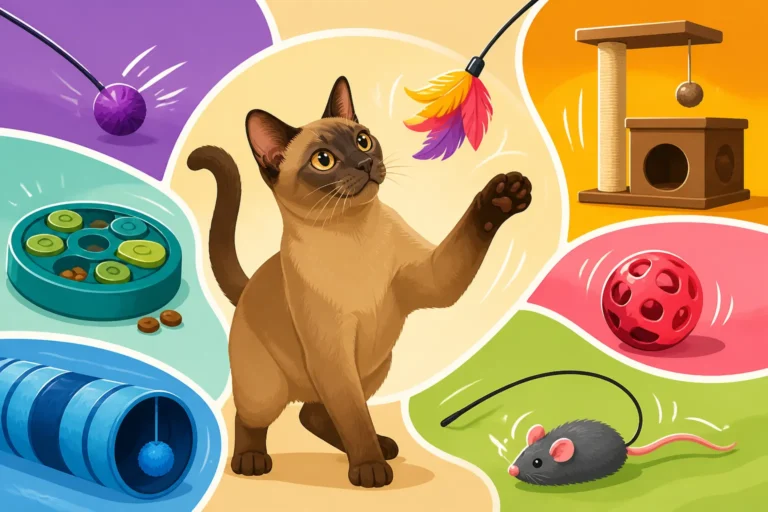
Beyond plant-based stimulants, focus on interactive play. Burmese cats are notorious for their playful nature, often retaining it well into their senior years. Engage them with wand toys, laser pointers (just be sure to end with a physical toy to "catch"), or even teaching them tricks. What an Old Burmese Still Wants to Play highlights how vital playtime remains throughout their lives. Puzzle feeders, which dispense treats as your cat manipulates them, are fantastic for mental stimulation and slowing down those notoriously enthusiastic eaters. Which Puzzle Feeder Slows a Greedy Burmese Down can be a real game-changer. These activities tap into their hunting instincts and intelligence, providing a fulfilling outlet for their energy. If you're noticing behavioral issues like excessive vocalization, fabric chewing, or even a dip in appetite, it might be a sign of boredom or stress, and new enrichment activities could help. How to Tell a Bored Burmese From an Anxious One and Why a Burmese's Appetite Goes When It Is Unhappy are great resources to understand these deeper needs. For the highly social Burmese, nothing truly replaces human companionship and regular, dedicated play sessions. How Many Play Sessions a Burmese Asks For is a guide you might find very useful.
| Catnip Form | Description | Typical Use | Burmese Reaction Tendency | Pros | Cons |
|---|---|---|---|---|---|
| Dried Leaves | Finely shredded or powdered plant material | Sprinkling, toy stuffing, refreshing surfaces | Enthusiastic rolling, rubbing, zoomies, then calm | Versatile, easy to store | Can be messy, potency fades over time |
| Sprays | Liquid extract in a spray bottle | Revitalizing toys, scratchers, carriers | Curiosity, licking, rubbing on sprayed items | No mess, targets specific items | Less potent than fresh, can contain additives |
| Infused Toys | Plush toys, balls, or kickers pre-filled with catnip | Independent play, carrying around | Intense focus on the toy, pouncing, bunny kicking | Convenient, contained | Catnip needs periodic refreshing, limited variety |
| Fresh Plant | Live catnip plant, often grown in a pot | Chewing directly, rubbing into leaves | Strongest reaction, direct consumption, plant destruction | Highest potency, natural | Requires cultivation, plant might be destroyed |
Disclaimer
This article is for general informational purposes only and does not constitute professional advice. Laws, prices and regulations vary by location and change over time. Consult a qualified professional for guidance on your specific situation.