How Often a Burmese Needs a New Toy to Notice One
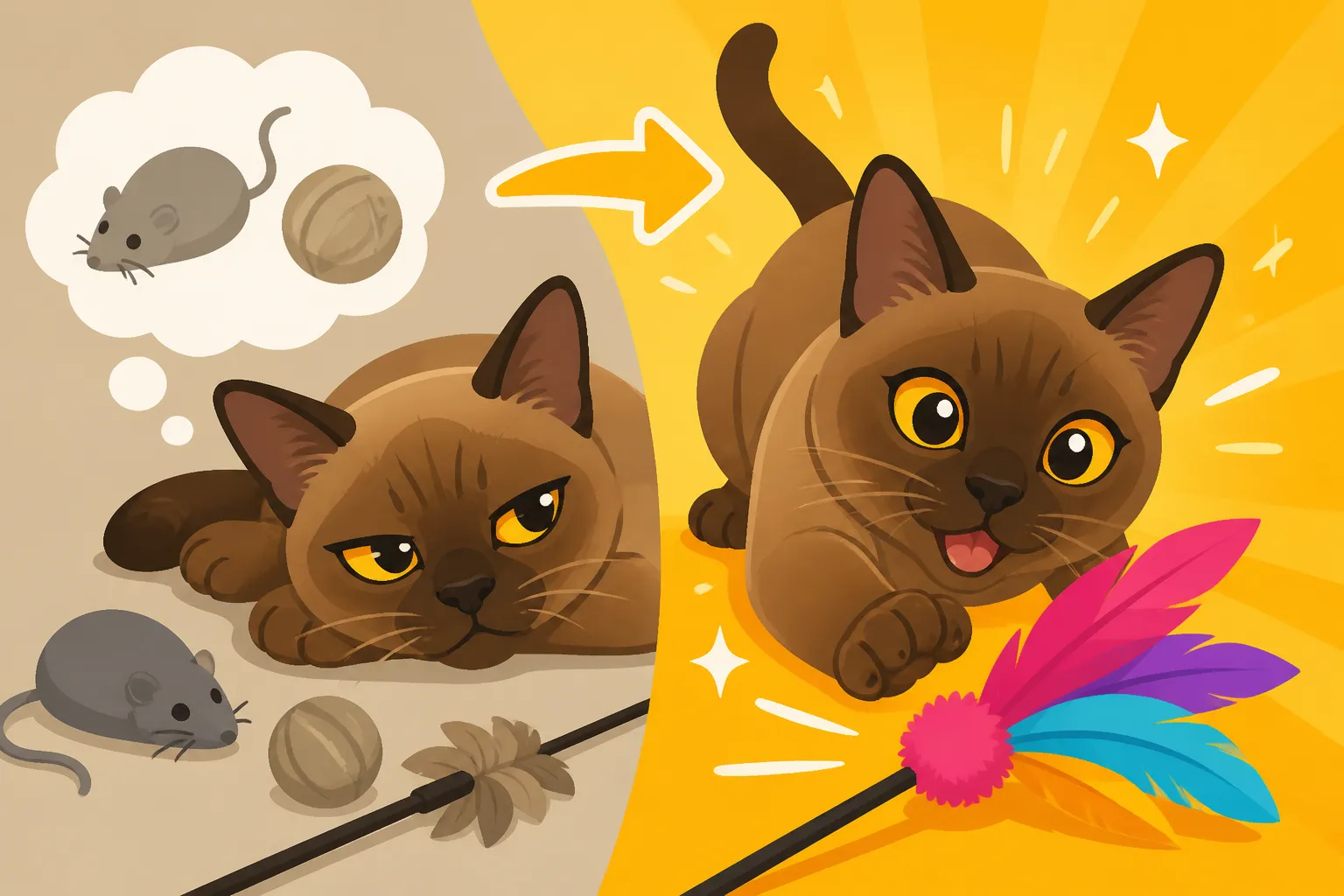
It’s a common frustration, isn't it? You splurge on a brand-new, exciting toy for your beloved Burmese, only for them to give it a sniff, bat it once or twice, and then completely ignore it within a day. You might find yourself wondering if your brilliant, playful companion has an insatiable desire for constant novelty, leading to a never-ending cycle of toy purchases. This guide will dive deep into the fascinating world of Burmese play behavior, explaining why they seem to lose interest so quickly and, more importantly, how you can keep them engaged and happy without breaking the bank on a continuous stream of new gadgets.
The Unique Play Drive of a Burmese Cat
Burmese cats are truly special, often described as "dogs in cat suits" due to their highly social, intelligent, and interactive nature. This isn't your average aloof feline who's content to nap in a sunbeam all day, only stirring for food. A Burmese thrives on engagement and interaction, and this inherent drive profoundly influences how they perceive and interact with their toys.
Why Intelligence Demands More from Play
The Burmese isn't just a pretty face; they are highly intelligent creatures. This intelligence means they quickly figure out the mechanics of a simple toy. A wand toy that always moves in the same pattern, a crinkle ball that always makes the same sound when batted, or a small plush toy that offers no challenge can become "solved" very rapidly in their minds. Once the novelty and the mental puzzle are gone, their interest wanes. It's not that they don't like the toy anymore; it's that it no longer stimulates their keen minds. Think of it like a human doing the same simple puzzle every single day – it quickly becomes tedious.
They crave a challenge, something that mimics the hunt or offers a varied interaction. This is why many Burmese will bring toys back for you to throw, acting more like a retriever than a typical cat. They aren't just playing; they're working with you, and that interaction is key. A static toy sitting on the floor offers none of this, which is why it gathers dust faster than a forgotten exercise bike.
The Social Component of Burmese Play
One of the most defining characteristics of a Burmese is their unwavering desire for companionship. They are the ultimate "Velcro cats," always wanting to be wherever you are, often riding on your shoulder or snuggling under the covers. This deep social need extends directly to their play. For many Burmese, a toy is merely a prop for interaction with their favorite human. If you're not actively involved, the toy often loses its appeal. This is especially true if you only have one Burmese. If you find your Burmese ignoring anything that you are not holding, this is a clear sign that they see playtime as our time, not their solo time.
This isn't to say they never play alone, but those solo sessions are often shorter and less intense than interactive ones. They're seeking that connection, that shared experience. This is also why many breeders recommend buying them in pairs, because two Burmese will often entertain each other for hours with wrestling matches and chase games, fulfilling that social play drive even when you're busy. Whether a Burmese Should Be Bought as a Pair is a topic many new owners ponder, and for good reason!
Decoding the Burmese Play Cycle
Understanding how a Burmese plays is just as important as knowing why. They don't just "play"; they engage in a nuanced cycle of interaction, investigation, and sometimes, intense bursts of energy followed by quick breaks.
The "Newness" Factor Versus True Novelty
When we think of a "new toy," we often picture something fresh out of the package. For a Burmese, "newness" can be far more flexible. It's not always about a never-before-seen item, but rather a renewed sense of novelty or opportunity with an existing one. Have you ever put away a toy for a few weeks, then brought it back out only to have your cat react as if it's the most amazing thing they've ever seen? That's novelty at work!
Their short attention span for specific actions with a toy doesn't mean they're bored of the toy itself. It means they've exhausted the current mode of interaction. A laser pointer is fascinating until they realize they can never catch the dot. A kicker toy is thrilling until they've disemboweled it a few times. What brings back the excitement is often a change in how they encounter the toy, or how you present it. This often means rotating toys, changing up your play routine, or even just hiding a favorite toy for a bit to make its reappearance feel like a discovery.
How Play Sessions Evolve Over Time
A Burmese's play intensity can vary wildly throughout the day and even over its lifespan. As kittens, they are bundles of boundless energy, ready to pounce on anything that moves. As they mature, their play might become more focused, strategic, or integrated into their routines. Even a senior Burmese, A Burmese Is Still Playing at Fifteen, still demands engagement, though perhaps for shorter bursts.
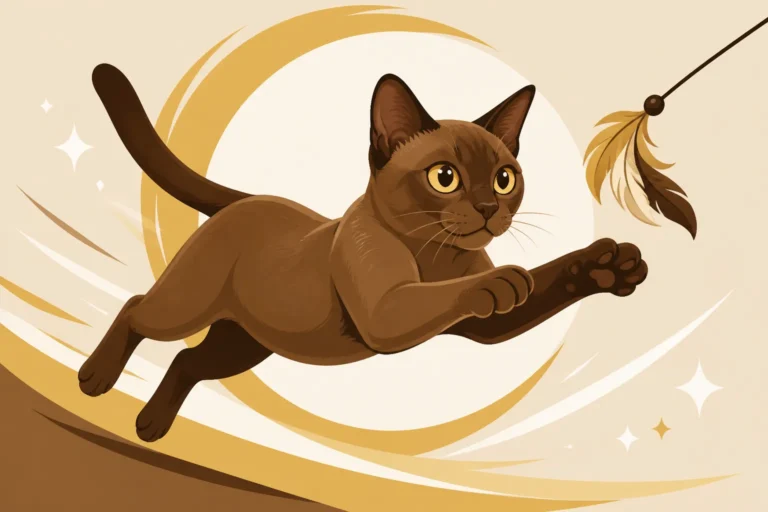
When you bring out a toy, especially a wand toy, you might notice an initial burst of intense focus, stalking, pouncing, and batting. This can last anywhere from a few minutes to a quarter of an hour. Then, they might suddenly disengage, sit back, or even start grooming themselves. This isn't necessarily boredom; it's often a natural break in their hunting cycle. In the wild, a cat hunts, pounces, "kills," and then might take a moment before consuming its "prey." For our domestic felines, that "consumption" is often a quiet moment, a drink of water, or even a trip to the litter box. The key is to recognize these natural pauses and not assume the play session is over just because they've stopped actively chasing. Sometimes, simply wiggling the toy again after a minute or two will re-ignite their interest. How Many Play Sessions a Burmese Asks For will often surprise you with its frequency!
Strategic Toy Rotation and Engagement
Given their intelligence and social needs, the answer to keeping your Burmese engaged isn't an endless stream of new purchases. It's about smart management of their existing toys and creative play strategies.
The Power of the Toy "Vault"
Instead of having all their toys scattered around the house, create a "toy vault." This could be a basket, a drawer, or a small storage bin. The trick is to only have a select few toys available at any given time. Most experts recommend having 3-5 different types of toys out at once, and rotating them every few days or weekly.
Imagine you have a collection of favorite books. If all of them were out on your coffee table all the time, you might feel overwhelmed and pick none. But if you rotate them, bringing out a new selection each week, each book feels fresh and inviting again. The same principle applies to your Burmese. By rotating their toys, you reintroduce that element of novelty that their intelligent minds crave.
Consider these categories for your rotation:
- Interactive Wand Toys: These are crucial for bonding and mimic hunting.
- Solo Play Balls/Mice: Lightweight items they can bat around alone.
- Kicker Toys: Larger, soft toys for wrestling and bunny kicks.
- Puzzle Feeders: These engage their minds and satisfy their food drive. Which Puzzle Feeder Slows a Greedy Burmese Down can be a lifesaver for intelligent, food-motivated cats.
- Grooming Toys: Brushes or textured mats can serve a dual purpose.
When you put away the "old" toys, give them a quick clean or spray with catnip if appropriate. This refreshes them for their next appearance. Sturdy storage bins from Amazon can be great for keeping your toy vault organized and out of sight until rotation day.
Making Old Toys Feel New Again
Beyond simple rotation, there are many ways to breathe new life into existing toys:
- Catnip Refresh: For catnip-susceptible cats (and many Burmese are!), a sprinkle of fresh catnip can make an old toy irresistible. Store dried catnip in an airtight container to maintain potency.
- Scent Enhancement: Rubbing a toy on a clean blanket that smells like you, or even briefly putting it in a bag with some dried herbs (like lavender – in a sachet, not directly on the toy for safety), can create new sensory interest.
- Hiding Games: Instead of just leaving toys out, hide them! Tuck a crinkle ball under a rug, partially conceal a plush mouse behind a cushion, or drop a bouncy ball into an empty tissue box. The "hunt" for the toy adds immense value. Your Burmese will love discovering them, making it an engaging challenge.
- DIY Additions: Attach new feathers to a worn-out wand toy, add a small jingle bell (securely, so it can't be swallowed) to a soft toy, or tie a piece of crinkly paper to a string. Simple changes can reignite interest.
- Varying Your Play Style: For interactive toys, change up your technique. Instead of always making the wand toy fly high, make it dart and hide along the floor. Let them "catch" it more often. Varying the speed and predictability keeps them guessing and mimics a real hunt. Remember, How Much Play a Burmese Still Demands at Ten is still significant, and they appreciate your creativity!
The Role of Interactive Play in Toy Longevity
This is perhaps the most crucial point for Burmese owners. Because your Burmese thrives on connection, your active participation is the ultimate "new toy." A simple string dragged across the floor by you will often be more engaging than the most expensive, automated toy left to its own devices. They want you.
Schedule dedicated play sessions every day. These don't have to be long, drawn-out affairs; even two 10-15 minute sessions can make a huge difference. During this time, put away your phone and truly engage. Talk to your cat, praise their pounces, and let them "win" the hunt occasionally. This builds confidence and reinforces the positive association with playtime.
Consider teaching them tricks! Burmese are highly trainable, and engaging their minds with simple commands like "sit," "stay," or "come" can be incredibly enriching. Why a Burmese Is the Easiest Cat to Clicker Train and it offers another avenue for interactive fun that doesn't rely on constant new toys. This mental stimulation often prevents the boredom that makes them seem disinterested in physical toys.
| Toy Type | Purpose & Engagement Level | Rotation Frequency | Pro Tip |
|---|---|---|---|
| Wand Toys | Mimics prey, highly interactive, builds bond. High engagement. | Always available, but change attachments or play style daily. | Store wands out of reach; only bring out for dedicated sessions. |
| Small Balls/Mice | Solo batting, chasing, carrying. Medium engagement. | Rotate 2-3 out weekly from a larger collection. | Hide a few in different spots for discovery play. |
| Kicker Toys | Wrestling, bunny kicks, scent marking. Medium engagement. | Rotate 1-2 out bi-weekly. | Infuse with fresh catnip before reintroducing. |
| Puzzle Feeders | Mental stimulation, slows eating, rewards problem-solving. High engagement. | Can be daily, but vary the treat or difficulty. | Start with easy puzzles, gradually increase challenge. |
| Crinkle Tunnels | Hiding, pouncing, sound stimulation. Medium engagement. | Rotate bi-weekly or move to new locations. | Keep a different toy inside the tunnel each time you put it out. |
| Plush/Stuffed Toys | Comfort, carrying, light batting. Low to Medium engagement. | Rotate 2-3 out monthly. | Wash occasionally to remove old scents and refresh. |
When a "New" Toy Is Actually Needed
While rotation and interaction can extend the life and appeal of existing toys, there are certainly times when a genuinely new toy is beneficial.
Signs Your Burmese Needs Something Fresh
Your Burmese will tell you, in their own subtle ways, when they're truly craving a new play experience:
- Destruction of Current Toys: If they've completely shredded a wand toy or ripped apart all their plush mice, it's a clear sign they've "conquered" those items. Not only are they no longer stimulating, but they might also be unsafe if parts are being ingested.
- Complete Disinterest in All Rotated Options: You've tried rotating, you've tried interactive play, you've refreshed with catnip, but nothing sparks that usual Burmese enthusiasm. They might just sit and stare, or wander off, even during your dedicated play sessions. This is a sign their intelligent minds need a fresh puzzle or a novel sensation.
- Increased Destructive Behavior: A bored Burmese can become a destructive Burmese. If they start chewing on furniture, pulling threads from carpets, or batting things off counters more than usual, it could be a cry for more mental and physical stimulation. Remember, What a Burmese Does When It Is Left Too Long can sometimes manifest as naughty behavior.
- Excessive Grooming or Lethargy: While less common, some intelligent cats who are deeply bored can resort to excessive grooming (like pulling fur out) or seem unusually lethargic. Always rule out medical issues with a vet first, but if it's behavioral, new enrichment might be the answer.
Types of "New" Toys to Consider
When you do introduce a truly new toy, think about adding variety that fills a gap in your current collection or offers a different kind of stimulation:
- Novel Textures or Sounds: Does your current collection lack crinkly toys? Or perhaps something with a rough, satisfying texture for chewing? Look for items with different materials like wool, felt, or even natural wood. Amazon has a vast array of unique cat toys from small businesses that aren't typically found in local pet stores.
- Different Play Mechanics: If all your toys are for batting, consider a puzzle toy that requires pushing levers or pawing at compartments to release treats. If you only have floor toys, consider a vertical scratching post with dangling toys or a window perch for bird watching. Whether a Burmese Would Rather Watch Birds or You is a question with a nuanced answer – they often prefer watching you, but bird-watching still offers valuable enrichment!
- Automated or Electronic Toys (with caution): These can provide temporary solo entertainment. However, remember they still benefit from your interaction. Don't rely solely on them. Look for ones with unpredictable movements or that turn off automatically to prevent overstimulation and maintain novelty.
- Food-Dispensing Toys: These are excellent for Burmese cats who are often food-motivated. They turn mealtime into a game and satisfy their hunting instinct. Just ensure the treats or kibble used are part of their daily caloric intake, especially if you have a Why Portion Control Is Medical Care in a Burmese situation.
- Training Tools: A clicker and some high-value treats can be a fantastic "new toy" that offers endless possibilities for mental engagement and bonding.
Ultimately, keeping your Burmese cat happily engaged isn't about constantly buying new things, but rather about understanding their unique blend of intelligence, social needs, and play drive. By strategically rotating toys, refreshing old ones, and, most importantly, dedicating time for interactive play, you can keep your beloved companion purring with contentment and stimulated for years to come. Your presence and creativity are the best toys money can buy.
Disclaimer
This article is for general informational purposes only and does not constitute professional advice. Laws, prices and regulations vary by location and change over time. Consult a qualified professional for guidance on your specific situation.