Which Games Suit a Burmese Past Fourteen
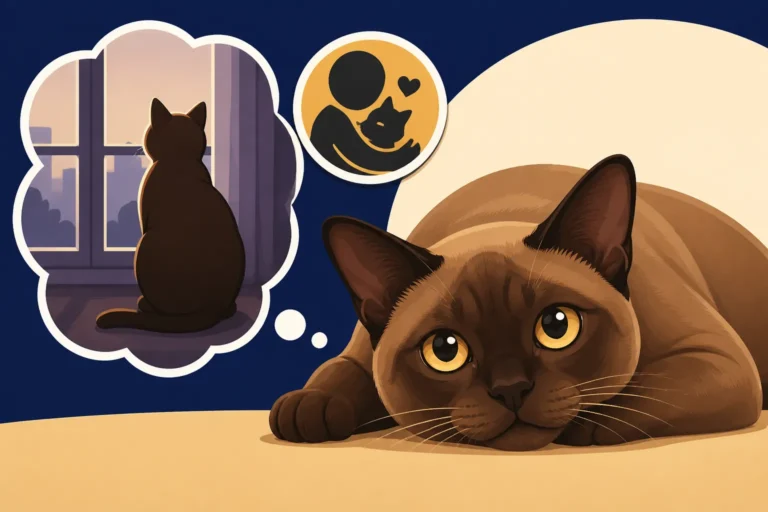
It’s a bittersweet moment when you realize your beloved Burmese, who once scaled curtains and chased laser dots like a kitten, is now officially a senior. They might be past fourteen, perhaps even fifteen or sixteen, and while their zest for life and affection is still very much there, their physical capabilities have undoubtedly shifted. The frustration for many of us is wanting to engage with them, to keep that youthful spark alive, but not knowing how to adapt play to their aging bodies. This guide is all about exploring gentle, stimulating games that perfectly suit your senior Burmese, ensuring they stay happy, active, and deeply connected to you, without overdoing it.
Understanding the Senior Burmese Play Ethic
Our beautiful Burmese companions are renowned for their playful, kitten-like disposition, often retaining that youthful energy well into their golden years. But when they hit fourteen, their bodies just can’t keep up with their spirits like they once did. You might notice they don't jump quite as high, or their sprints are shorter, followed by longer naps. It's not that they don't want to play; it's that they need play tailored to their new rhythm. Ignoring their age can lead to frustration for them, or worse, potential injury. The key is recognizing that their definition of "play" might have subtly shifted, moving from vigorous athletics to more thoughtful, gentle engagement.
Recognizing Subtle Play Cues
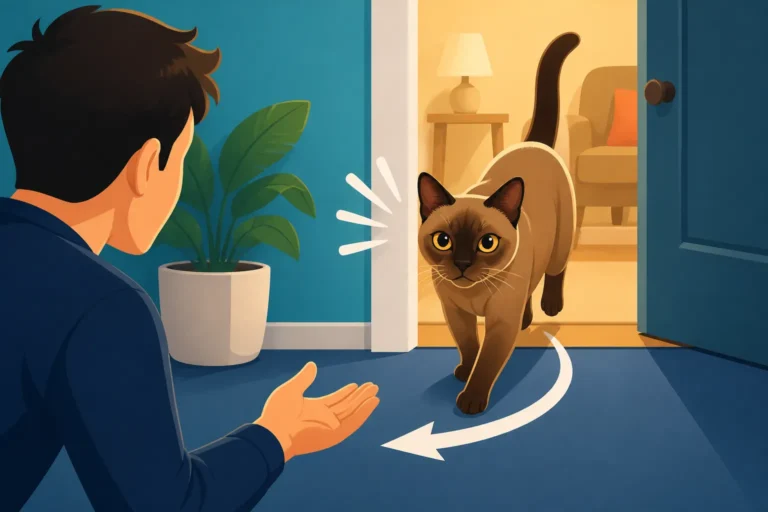
One of the biggest hurdles is learning to read the subtle signals your senior Burmese is sending. A younger Burmese might pounce on a toy or demand attention with a throaty rumble. An older one might simply watch a feather wand with keen interest, twitching their tail slightly, or offer a slow, deliberate head-nuzzle when you pick up a familiar toy. These aren’t signs of disinterest; they’re invitations to a different kind of game. Perhaps they’ll bat at a dangling string with a paw rather than leaping for it, or follow a rolling ball with their eyes, content to let you bring it closer. It’s about meeting them where they are, acknowledging that their pace has changed, and celebrating every small act of engagement. Remember, their minds are still sharp, and they crave interaction, even if their body says, "Let's keep it low-impact today." You can learn more about how their playful nature endures in What an Old Burmese Still Wants to Play.
Balancing Rest and Activity
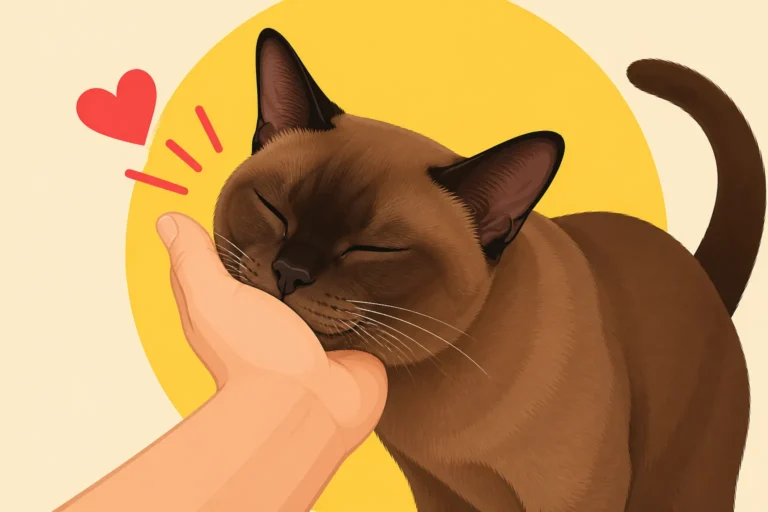
For a senior Burmese, play isn't about exhausting themselves; it's about enrichment and connection. Think of it as mental and emotional exercise as much as physical. Overdoing it can lead to soreness, fatigue, or even make them reluctant to play at all. Shorter, more frequent play sessions are far better than one long, intense one. Instead of aiming for twenty minutes of continuous activity, try two five-minute sessions, or even three three-minute bursts spread throughout the day. Listen to their breathing, watch their posture, and if you see any signs of discomfort or waning interest, it's time for a cuddle and a nap. Many Burmese, even in their senior years, still enjoy a good snuggle after a bit of fun, reinforcing that bond. Keeping them at a healthy weight also makes a huge difference to their mobility and desire to play, so understanding Why Portion Control Is Medical Care in a Burmese is critical.
Gentle Games for the Less Mobile Burmese
Just because your Burmese isn't scaling the cat tree anymore doesn't mean they can't enjoy a good game. We simply need to shift our focus to activities that minimize strain on their joints and muscles, while maximizing their inherent curiosity and hunting instincts. These games focus on engagement at ground level or with minimal movement, perfect for a cat that's enjoying a slower pace of life.
Feather Wands and Slow Chases
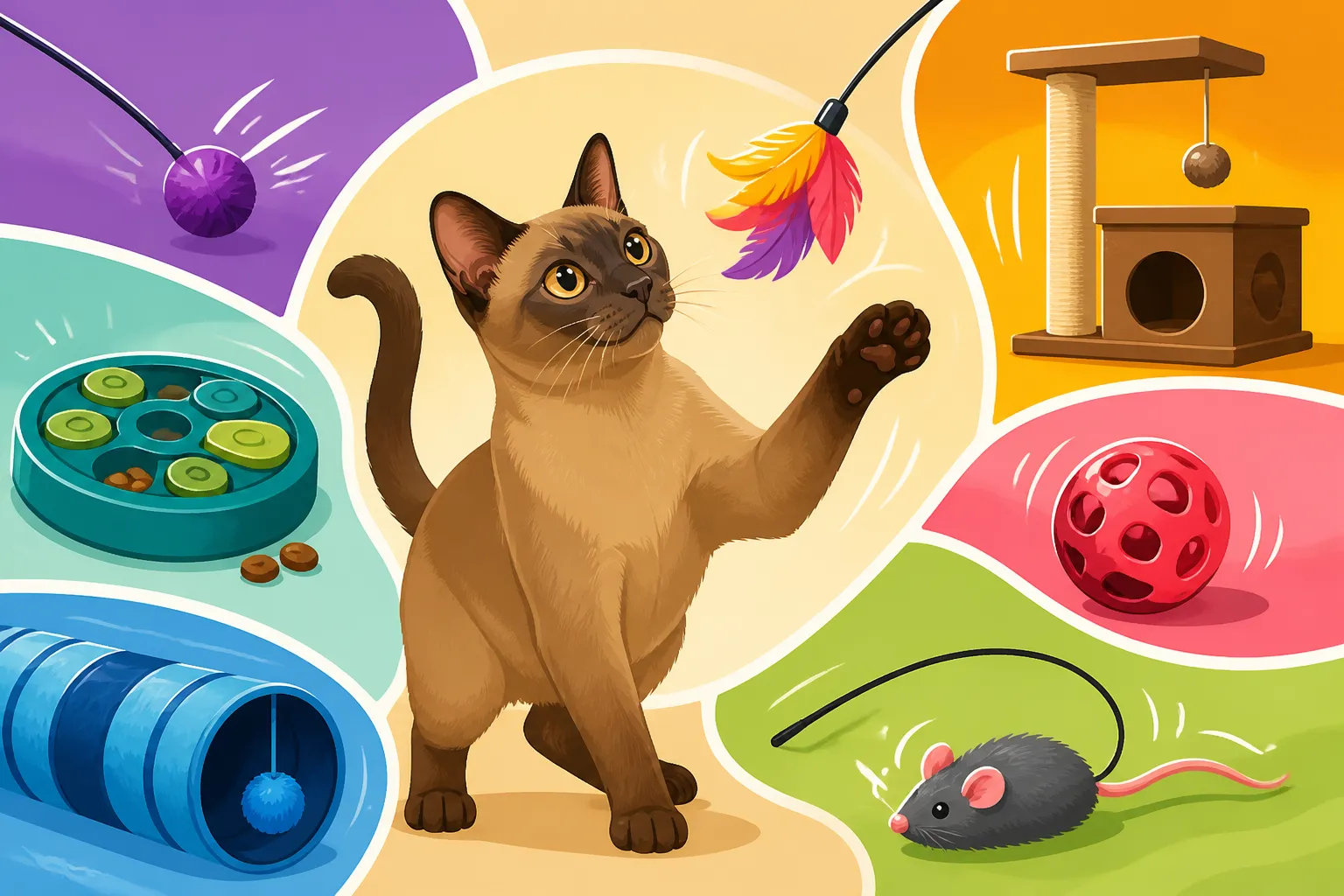
Feather wands are often a perennial favorite for cats of all ages, and they’re incredibly versatile for senior Burmese. Instead of making the wand fly high or dart rapidly, try dragging it slowly along the floor, under a blanket, or just over their paws. The idea is to mimic prey that's easy to catch. Let them "win" frequently, building their confidence and making the experience rewarding. A gentle flick of the wrist is often all it takes to capture their attention. You can even dangle the wand from the edge of a chair or your hand, allowing them to bat at it while lying down comfortably. The soft movement and enticing feathers are often enough to spark that inner hunter, even if the chase is now more of a leisurely stroll or a focused paw swat. For a good selection of these, many owners find excellent, durable options on Amazon.
Soft Toy Retrieval
Many Burmese have a natural inclination towards retrieving, a trait often compared to dogs. This can be a fantastic, low-impact game for seniors. Invest in some small, soft toys – think crinkle balls, plush mice, or even tightly rolled-up socks. Toss them a short distance, just a few feet away, so your cat doesn't have to exert much effort to reach them. Encourage them with gentle praise and perhaps a tiny, low-calorie treat when they bring it back, or even just nudge it towards you. Some senior Burmese might not bring it all the way back, but will drop it nearby, waiting for you to pick it up and toss it again. This is perfectly fine! It's the interaction, the shared activity, and the mental stimulation of the "hunt" that matters most. Just be sure the toys are easy for them to pick up and carry, especially if their teeth aren't what they used to be. Which Toys Keep a Burmese Busy When You Are Out often includes options suitable for this.
Laser Pointers With Caution
Laser pointers can be incredibly engaging for many cats, and a senior Burmese is no exception. However, they must be used with extra caution to prevent frustration and unnecessary strain. Never shine the laser directly into their eyes. More importantly, always end a laser session by guiding the dot onto a physical toy (like a feather wand or a treat) that they can actually "catch" and feel victorious about. This prevents the endless, unsatisfying chase that can lead to anxiety. For older cats, keep the dot moving slowly and predictably at ground level, allowing them to gently stalk and "pounce" without needing to jump or twist. Focus on short bursts, maybe a minute or two, followed by a real reward. This satisfies their hunting instinct and reduces any potential overexertion.
Mental Stimulation Over Physical Exertion
As our Burmese age, their minds remain incredibly active and need just as much, if not more, stimulation than their bodies. Mental games are fantastic for keeping them sharp, engaged, and preventing boredom, which can sometimes manifest as anxiety or destructive behaviors, even in older cats. These games often involve problem-solving, scent work, and interactive elements that don't rely on strenuous physical activity.
Puzzle Feeders and Treat Dispensers
Puzzle feeders are absolutely brilliant for senior Burmese. Not only do they provide mental stimulation, but they also slow down eating, which is beneficial for weight management and digestion, especially crucial for a breed prone to diabetes. You can find a wide variety of these, from simple treat balls to more complex labyrinth designs, on platforms like Amazon. Start with something easy – a ball that dispenses a few kibbles or low-calorie treats with a gentle nudge – and gradually increase the challenge. Watching your Burmese figure out how to get their reward is incredibly satisfying, and the focused effort keeps their minds active. This kind of engagement is far more enriching than simply eating from a bowl and can greatly contribute to their overall well-being. Knowing Which Puzzle Feeder Slows a Greedy Burmese Down can help you choose the best option.
Interactive Toys and Apps
The world of interactive cat toys has expanded, offering fantastic options for senior Burmese. Think about toys that move unpredictably but slowly on their own, or those with lights and sounds that can be activated by a paw tap. There are even apps designed for tablets or phones that offer games like "cat fishing" where fish swim across the screen, tempting your cat to bat at them. These provide visual and mental stimulation without requiring your cat to move much more than their paws. Position the tablet on the floor or a low, stable surface where your Burmese can comfortably interact while lying down or sitting. Just make sure the screen is protected from claws! The key is finding something that genuinely captures their attention and offers varied stimulation, preventing them from getting bored with repetitive movements.
Scent Games
Cats have an incredible sense of smell, and engaging this sense can be a deeply satisfying form of play for an older Burmese. Hide small, fragrant treats (again, low-calorie and healthy!) in different, easy-to-reach spots around a room, under a towel, or inside a cardboard box. Encourage your cat to sniff them out. You can also use catnip-infused toys or even a dab of catnip oil on a favorite blanket to encourage exploration and play. This taps into their natural foraging instincts, providing a rewarding "hunt" without any high-impact running or jumping. It's a wonderful way to keep their brains active and their senses sharp, transforming their environment into a stimulating playground of smells and discoveries.
Keeping the Spark Alive: Adapting Play for Age
Maintaining a playful attitude in a senior Burmese requires more than just new toys; it requires thoughtful adaptation of their environment and our interactions. It's about creating opportunities for engagement that respect their limitations but celebrate their enduring spirit. As they get older, their daily routine, comfort, and sense of security become even more paramount.
Creating Accessible Play Spaces
Accessibility is paramount for a senior Burmese. If they once loved high places, consider providing ramps or steps to help them reach their favorite window perch or your bed. Make sure their play areas are free of clutter and have soft landings. A plush blanket on the floor near where you usually sit can become a prime play zone, making it easy for them to engage without needing to navigate obstacles. Think about their comfort: a warm, cozy spot is often preferred, especially for a short-coated breed like the Burmese who can feel the cold more acutely. They will still want to be near you, so consider playing with them while you're relaxing on the couch or at your desk. Remember, for a Burmese, the "play space" is often wherever you are. Caring for a Burmese Past Twelve delves into other considerations for their comfort.
The Comfort of Routine Play
Cats thrive on routine, and a senior Burmese even more so. Establishing consistent play times, even if they are short, can provide a sense of security and something to look forward to. Perhaps a gentle feather wand session after breakfast and another before bed. This predictability can reduce anxiety and keep their minds engaged. They learn to anticipate these special moments with you. Even if they don't always participate with the same vigor, the mere act of you initiating play at a familiar time reinforces your bond and their place in the family. It's not just about the game; it's about the shared experience and the comfort of your presence. The affectionate nature of the Burmese means that even a simple presence during play can be deeply enriching. The Sixteen to Eighteen Years a Well Bred Burmese Gets is often attributed to consistent care and attention to their well-being.
Involving Family and Other Pets
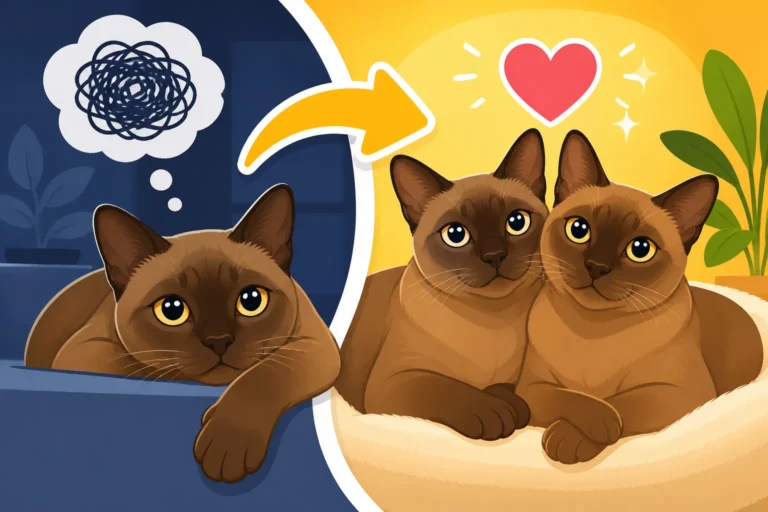
Burmese cats are incredibly social creatures, and a senior Burmese will still cherish interaction with everyone in the household, including other pets. If you have multiple cats or even a cat-friendly dog, encourage gentle, supervised play. Another cat might initiate a slow, interactive game that your senior Burmese can enjoy from a safe distance, or simply by observing. Younger family members can be taught how to play gently with the senior cat, focusing on slow movements and respecting their space. For a Burmese, company is often the best enrichment. If you’re considering how a senior Burmese might interact with other household members, you might find insight in Why a Burmese Treats Children and Dogs as More Company. The goal is to ensure they never feel isolated, and that their playful spirit, however subdued, continues to be nurtured and celebrated by everyone who loves them.
A Look at Senior Burmese Play Preferences
To help visualize how these games fit into a senior Burmese's routine, here’s a simple comparison of play types.
| Game Type | Physical Intensity | Mental Stimulation | Best For | Considerations for Seniors |
|---|---|---|---|---|
| Feather Wand (slow) | Low | Moderate | Encouraging gentle movement & hunting instincts | Keep at ground level, allow easy "catches," short sessions. |
| Soft Toy Retrieval | Low | Moderate | Engaging natural retrieving instincts | Short tosses, soft toys, reward effort, not just return. |
| Laser Pointer (cautious) | Low | High | Visual stimulation, stalking | End with a physical catch, slow movements, avoid frustration. |
| Puzzle Feeders | Very Low | High | Cognitive challenge, slows eating | Start easy, gradually increase difficulty, use healthy treats. |
| Interactive Tablet Games | Very Low | Moderate | Visual engagement, paw tapping | Ensure tablet is stable & protected, low-effort movements. |
| Scent Games | Very Low | High | Foraging instincts, sensory enrichment | Hide treats in accessible, safe spots, use catnip for extra appeal. |
As you can see, the emphasis shifts from high-energy pursuits to activities that engage their minds and senses, while still allowing for gentle physical movement. This balance is key to keeping your Burmese happy and healthy as they enjoy their golden years.
Disclaimer
This article is for general informational purposes only and does not constitute professional advice. Laws, prices and regulations vary by location and change over time. Consult a qualified professional for guidance on your specific situation.