What a Burmese’s Ear Wax Should Look Like
Healthy Burmese ear wax is pale yellow or light brown, dry, and minimal, serving as a natural protective barrier.
The daily stuff, done right.
Feeding amounts by life stage, coat and skin routines, dental and nail care, exercise needs, and what changes as they age.
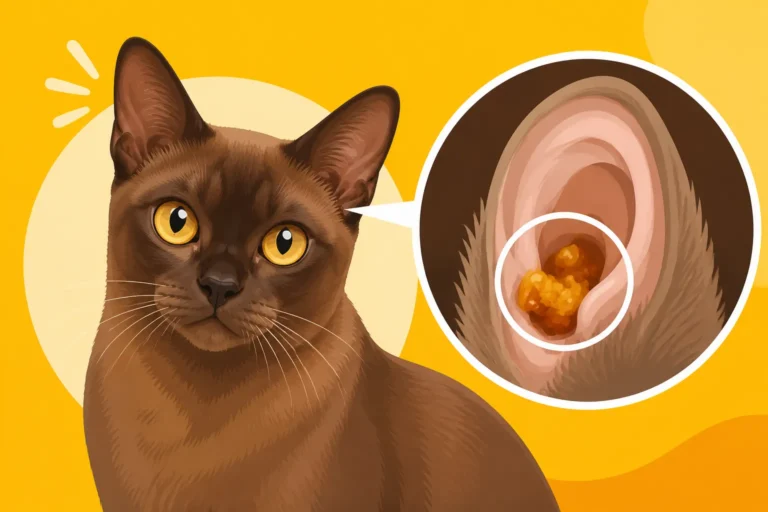
Healthy Burmese ear wax is pale yellow or light brown, dry, and minimal, serving as a natural protective barrier.

Burmese cat scratching behavior needs, comparing sisal and cardboard materials for claw care, health, and furniture protection.
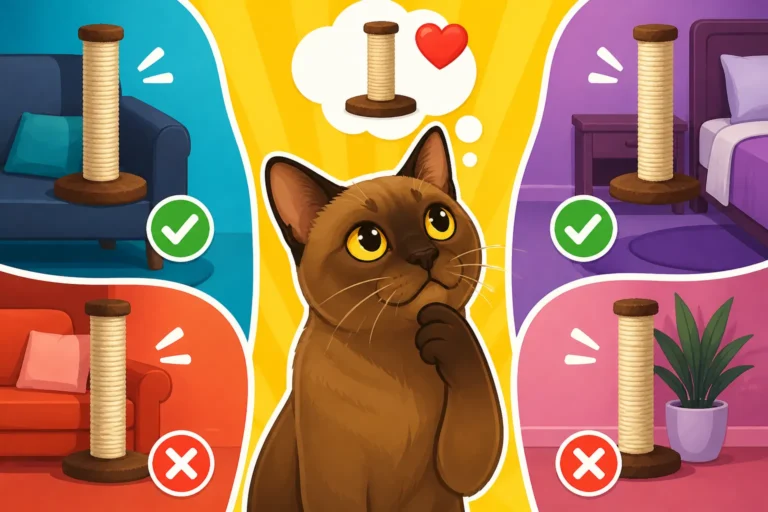
Burmese scratching preferences and natural nail care instincts dictate where cats scratch and how owners protect furniture.
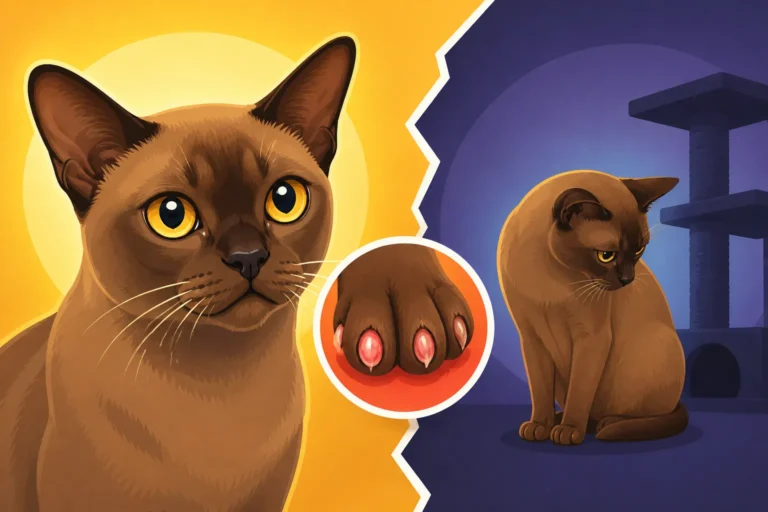
Declawing a Burmese cat causes severe physical pain, chronic balance issues, and a permanent loss of confidence.
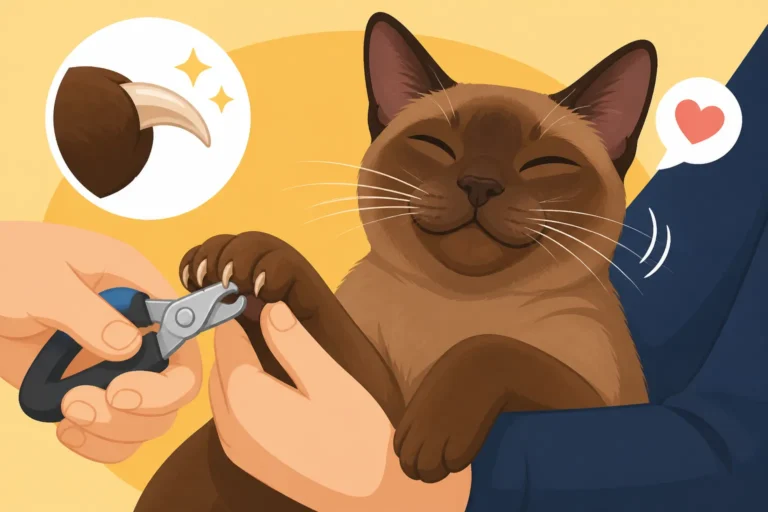
Burmese cat claw trimming instructions explain how to clip nails smoothly while maintaining a calm, positive bonding experience.
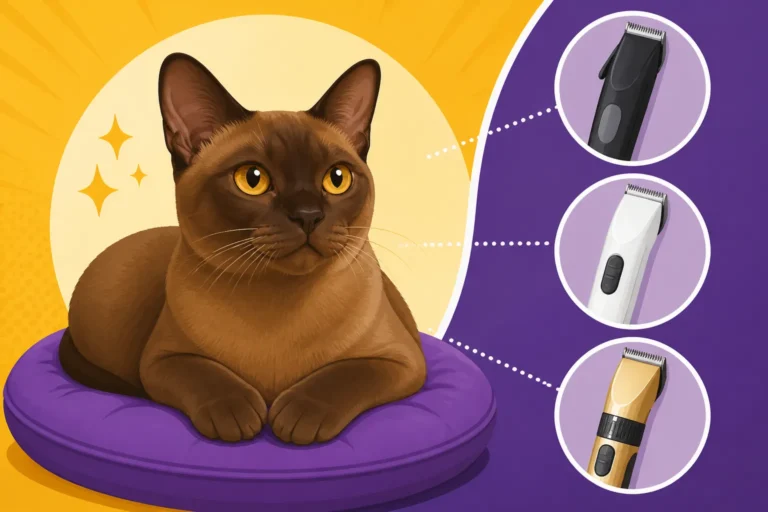
Burmese nail trimming requires sharp stainless steel blades every two to four weeks to protect paw health and prevent painful ingrown claws.
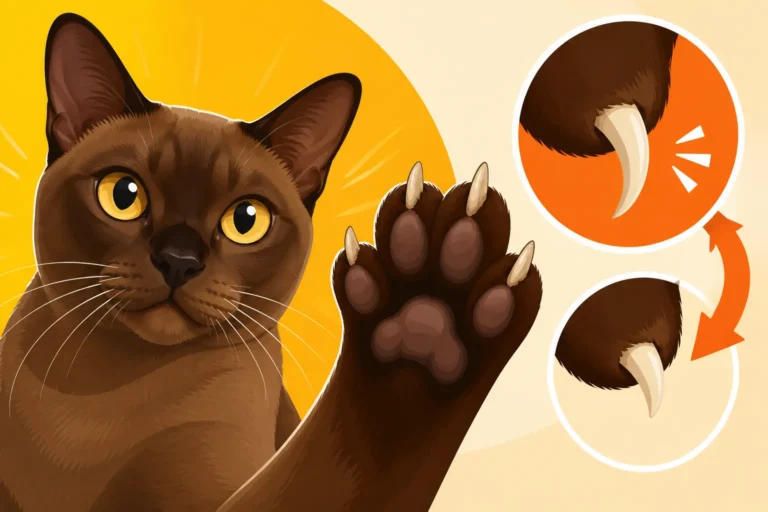
Burmese cat claw growth and the factors influencing it determine the ideal two to four week trimming schedule.

Practical methods for accurately measuring a Burmese cat daily water consumption to catch early health problems.

Burmese cat hydration and water fountains explained to prevent urinary crystals, kidney strain, and diabetes risks.
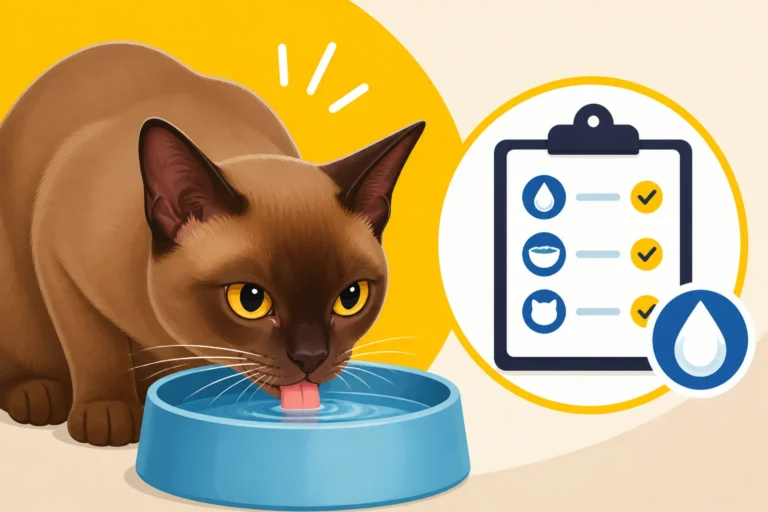
Increased thirst in a Burmese cat signals potential health issues like diabetes, making water intake tracking crucial for veterinary visits.