Caring for a Diabetic Burmese at Home
Managing feline diabetes at home involves daily insulin injections, blood glucose monitoring, and adjusting carbohydrate percentages in food.
The daily stuff, done right.
Feeding amounts by life stage, coat and skin routines, dental and nail care, exercise needs, and what changes as they age.
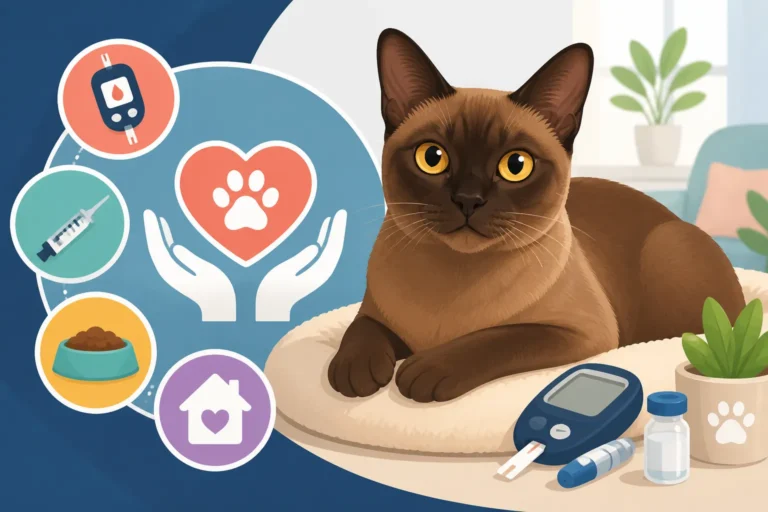
Managing feline diabetes at home involves daily insulin injections, blood glucose monitoring, and adjusting carbohydrate percentages in food.
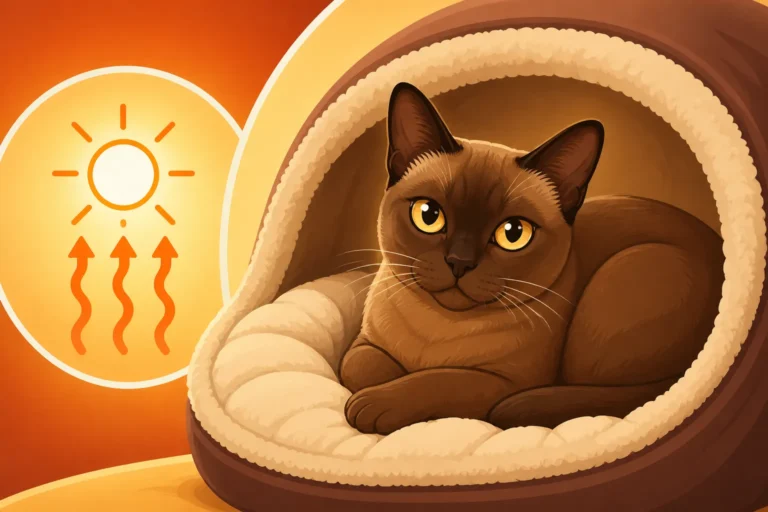
Burmese cats lack an insulating undercoat and require a warm sleeping environment to prevent cold-related health issues.
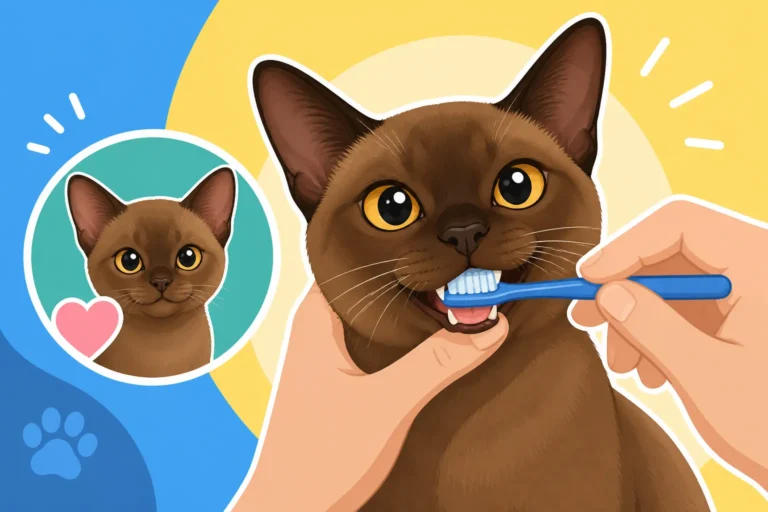
Dental care for twelve week old Burmese kittens prevents gingivitis, periodontal disease, tooth resorption, and infections.
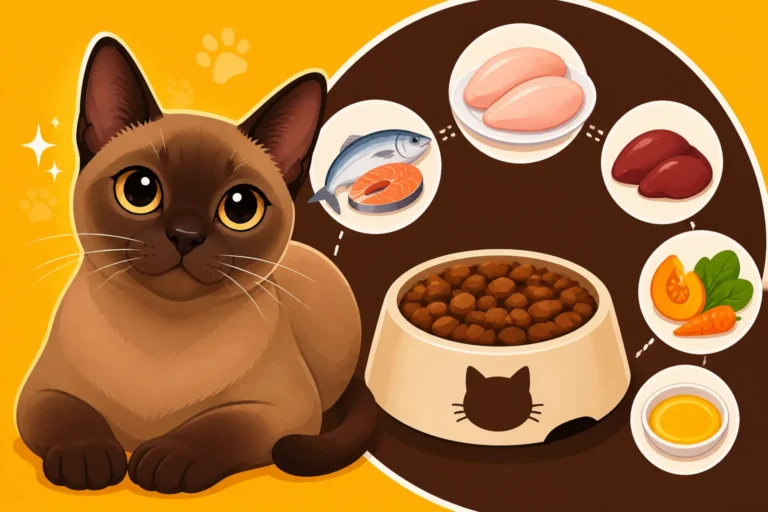
Burmese kitten nutrition requirements, protein sources, and diet choices to support muscle development and prevent diabetes.
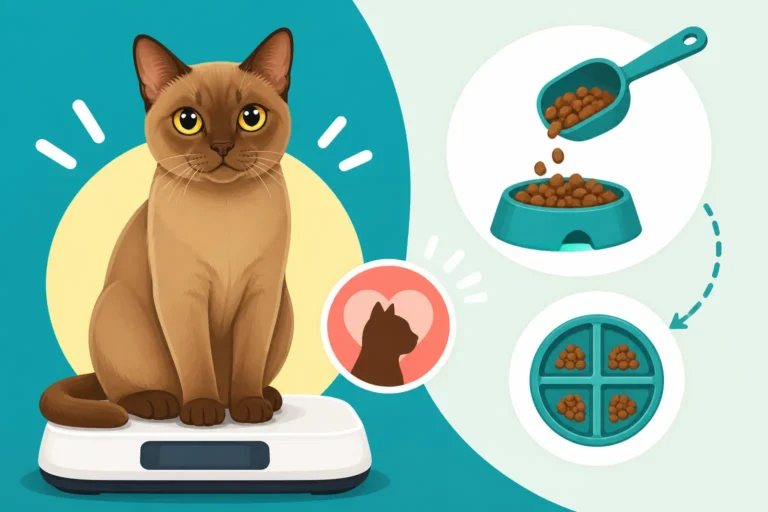
Weekly weighing and portion control routines help Burmese cat owners prevent obesity, diabetes, and related health risks.
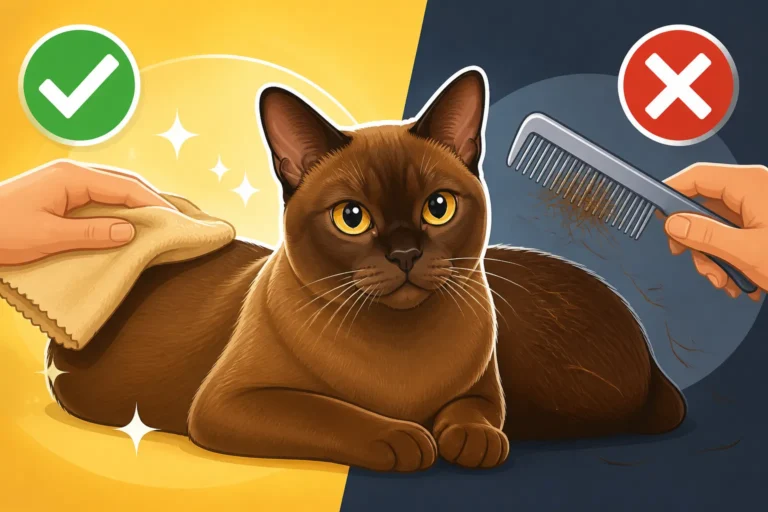
A chamois cloth removes loose fur from a Burmese cat, beating traditional combs that glide over that satin coat.
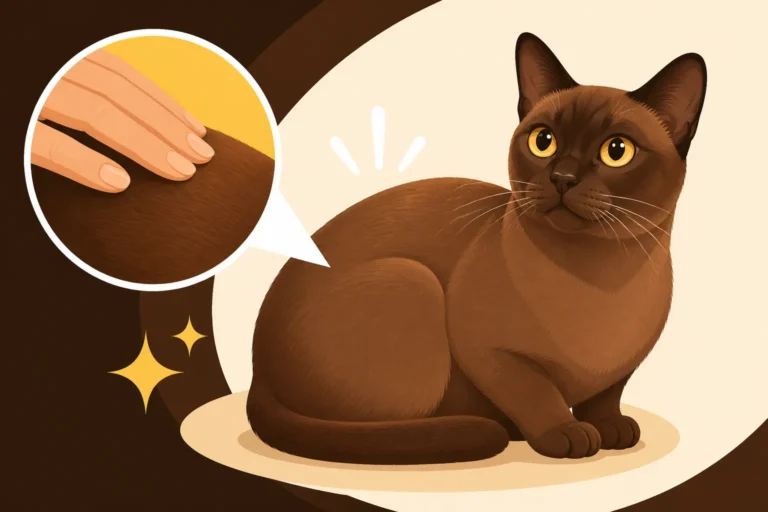
The Burmese cat coat features a fine, short satin texture and lacks an insulating undercoat, explaining its minimal shedding and unique feel.
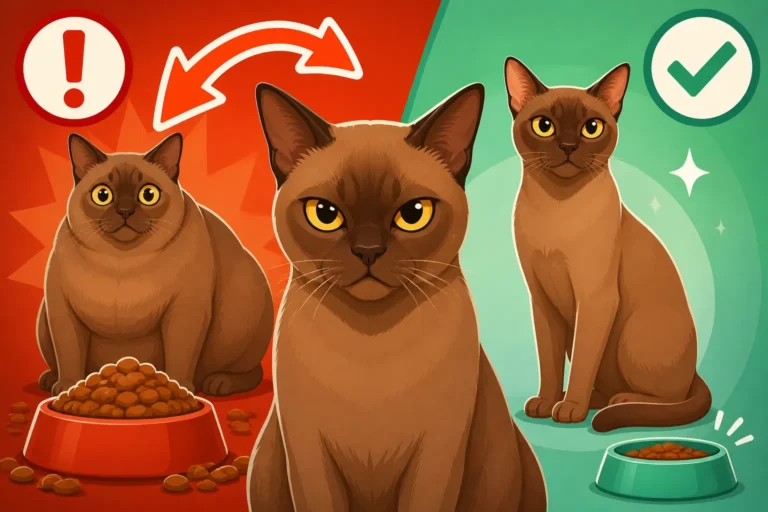
Free-feeding a Burmese cat triggers severe obesity and genetic diabetes risks because their unique metabolism utilizes calories too efficiently.
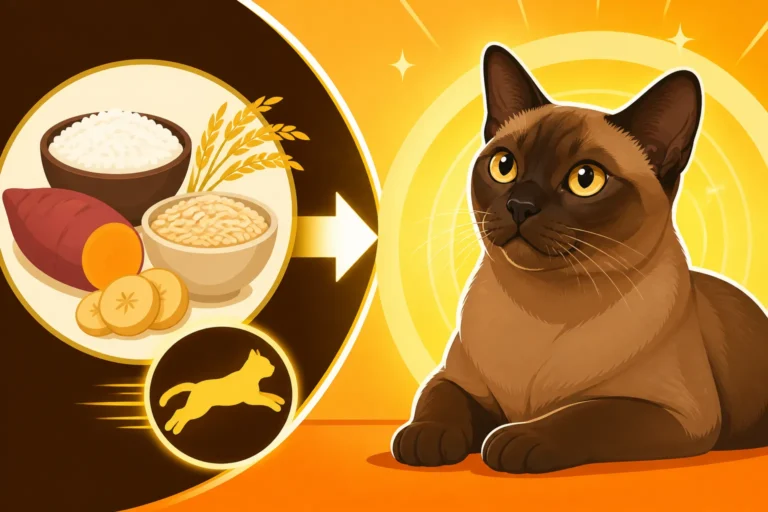
Burmese cats have a genetic predisposition to diabetes and insulin resistance, making dietary carbohydrate management crucial.
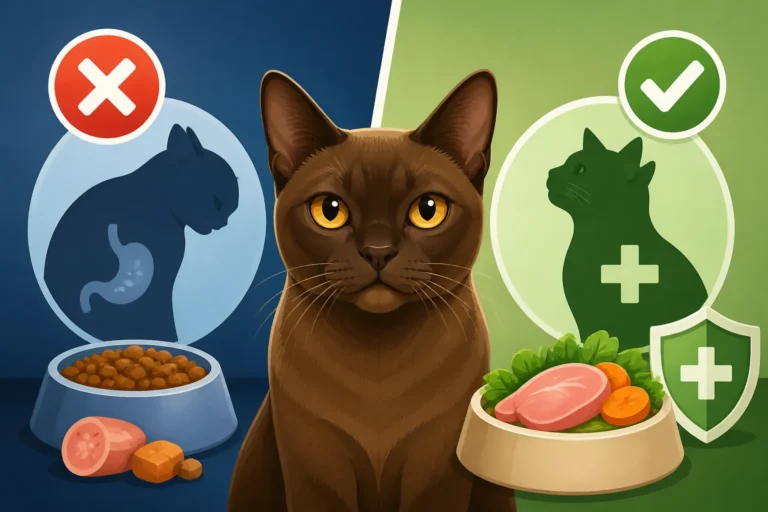
Burmese cat dietary management explains how high protein and low carbohydrate foods prevent feline diabetes in this breed.