Whether a Burmese’s Chip Is Registered to You or the Breeder
Burmese kitten microchip registration explains whether the chip belongs to the breeder or you, detailing how to transfer ownership.
The price tag is the smallest number.
Purchase and adoption costs, insurance, routine vet care, food and grooming budgets, and the emergencies that change the total.
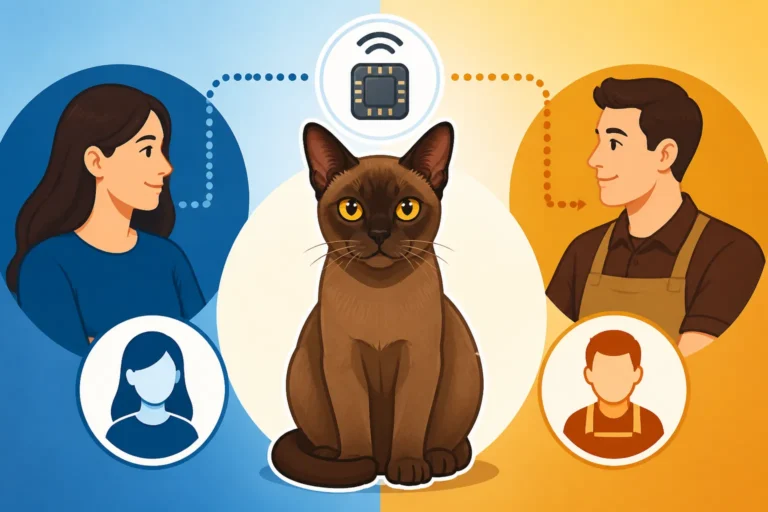
Burmese kitten microchip registration explains whether the chip belongs to the breeder or you, detailing how to transfer ownership.
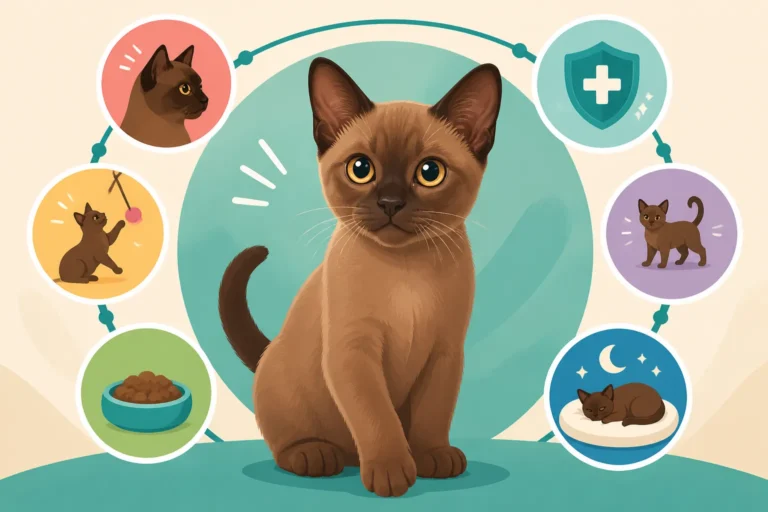
Burmese kitten early healthcare outlines required FVRCP doses, FeLV vaccines, and deworming schedules completed by thirteen weeks.
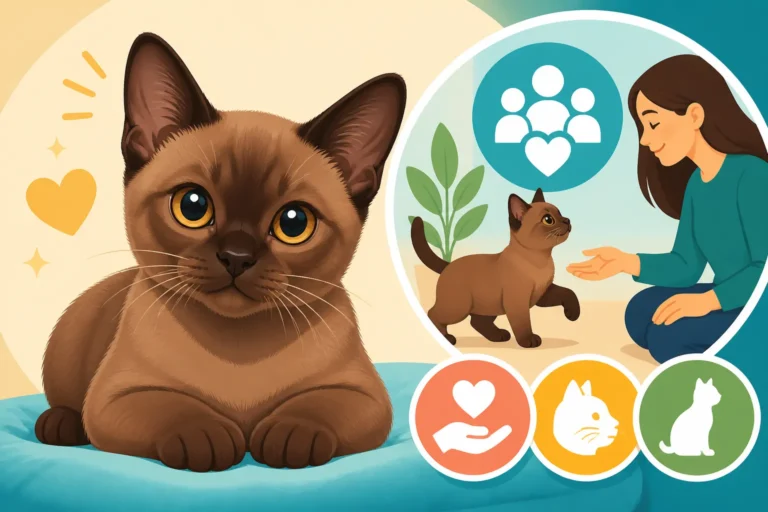
Burmese kitten socialization explains why reputable breeders require young cats to stay longer before joining new human homes.

Burmese kitten carrier status means the pet has one faulty gene copy but stays completely healthy and free from illness.
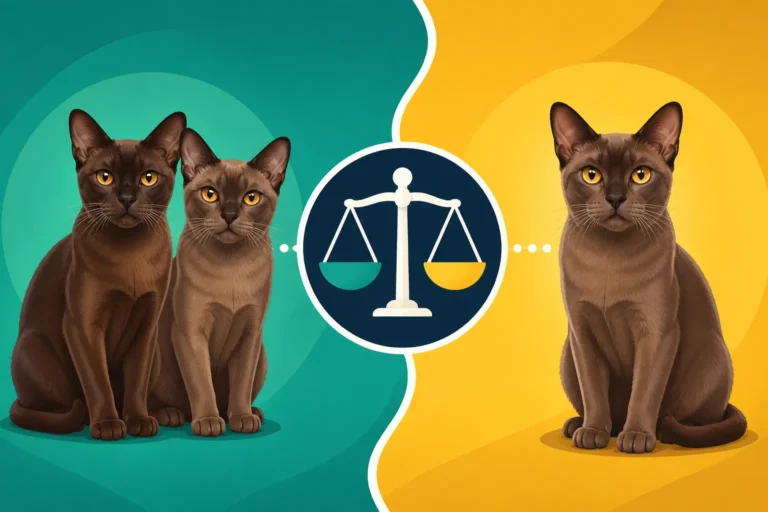
Burmese kitten deposits and whether one fee covers a pair are explained, detailing non-refundable terms and waiting lists.
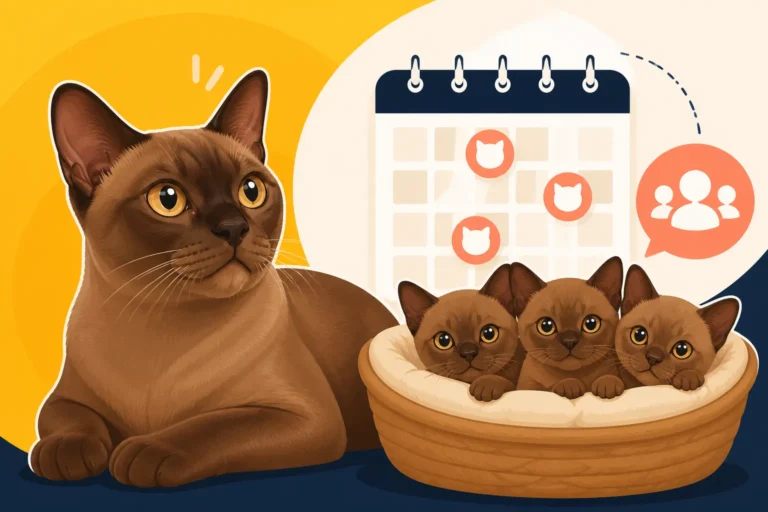
Burmese kitten waitlists and breeder timelines explain the months of waiting caused by health testing and ethical breeding.
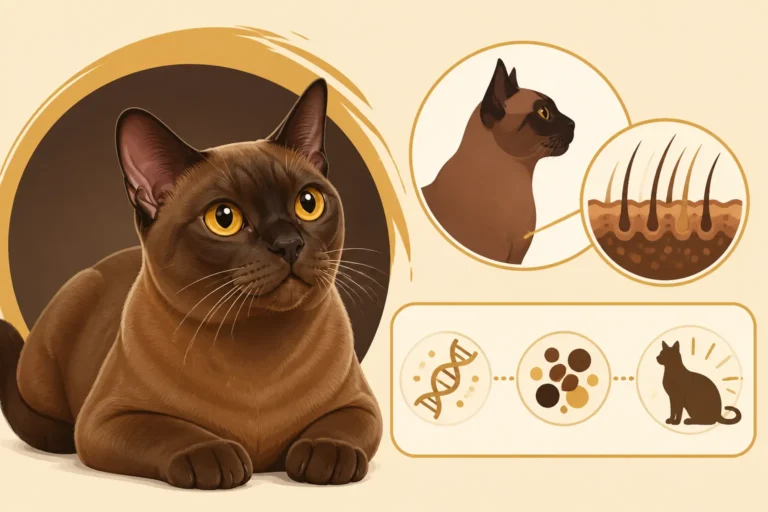
Burmese cat color registration involves unique genetics, official breed standards, and four core shades recognized by registries.
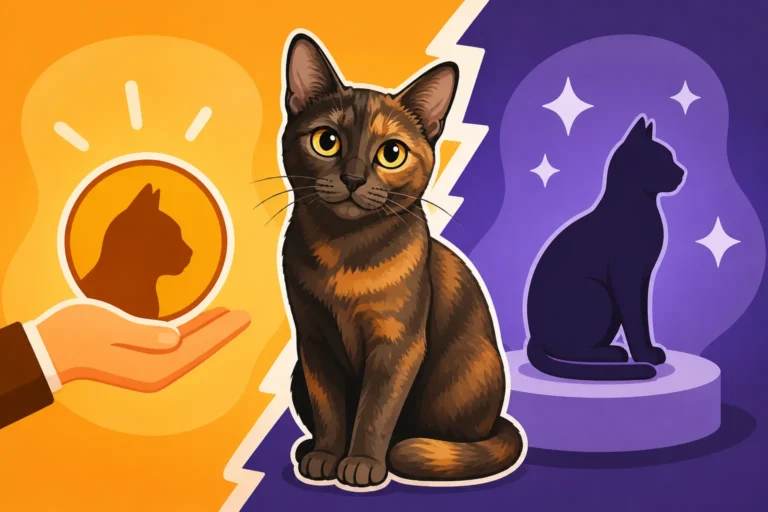
The genetics of Burmese cat coat colors and the rarity of the tortoiseshell pattern explain why a Tortie Burmese is so unusual.

Official registry standards for American and European Burmese cats determine if red and cream coat colors are recognized.
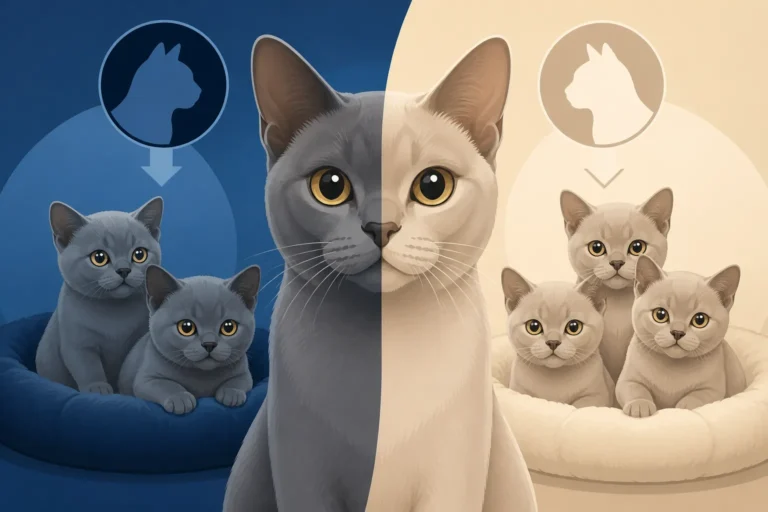
Recessive dilution genes and breeding practices explain why platinum and blue Burmese cat litters are smaller.