Whether a Hypokalemic Burmese Lives a Normal Life
Hypokalemia in Burmese cats causes muscle weakness and tremors linked to the WNK4 gene mutation, but proper management allows long lives.
Know what to watch for.
Breed-specific conditions, screening and DNA tests, what surgery actually costs, and the daily habits that stretch a healthy lifespan.
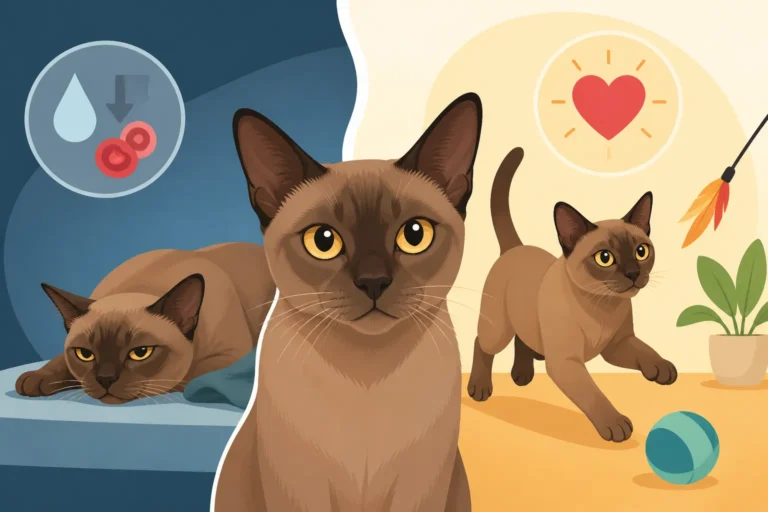
Hypokalemia in Burmese cats causes muscle weakness and tremors linked to the WNK4 gene mutation, but proper management allows long lives.
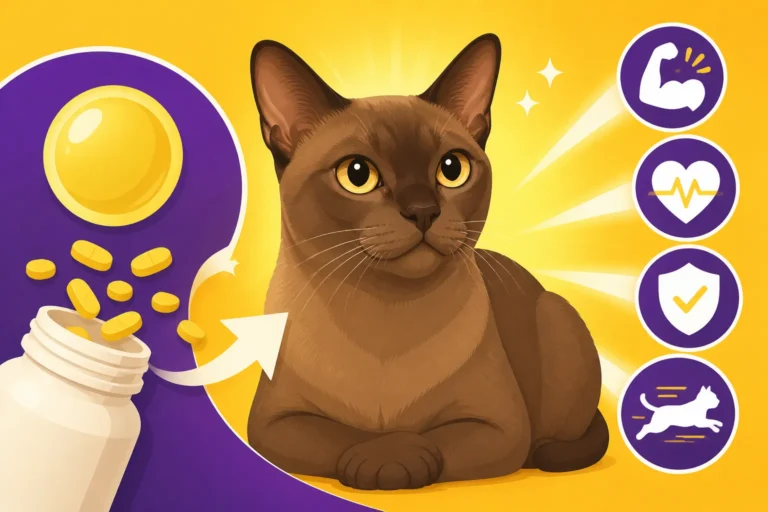
Potassium supplementation restores strength, vitality, and proper cellular function in Burmese cats suffering from hypokalemia.
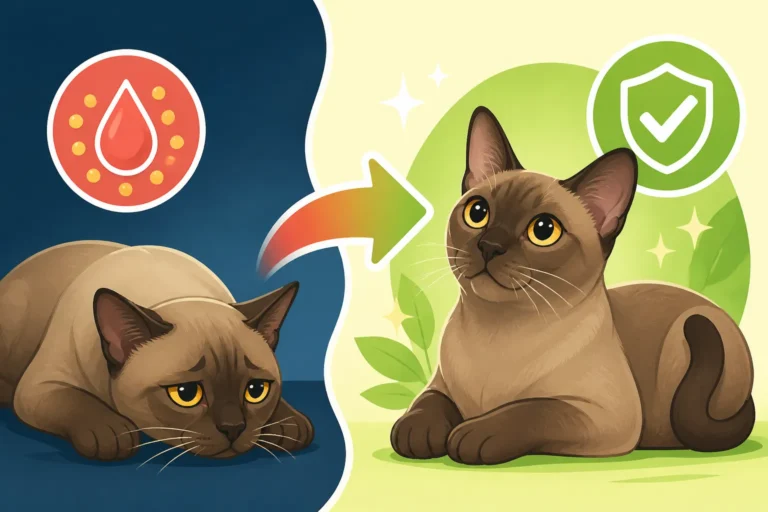
Hypokalemic Burmese cat recovery details, explaining how these pets bounce back between sudden muscle weakness episodes.
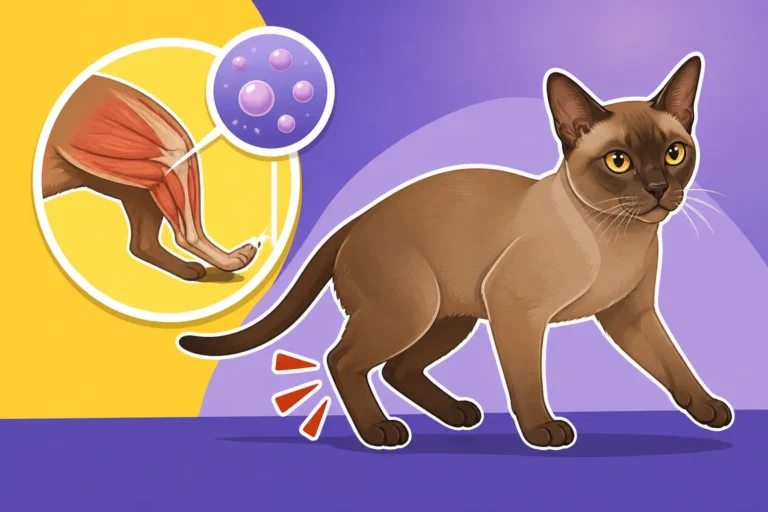
Hypokalemia in Burmese cats causes stiffness and weakness through a genetic WNK4 gene mutation affecting kidney function.
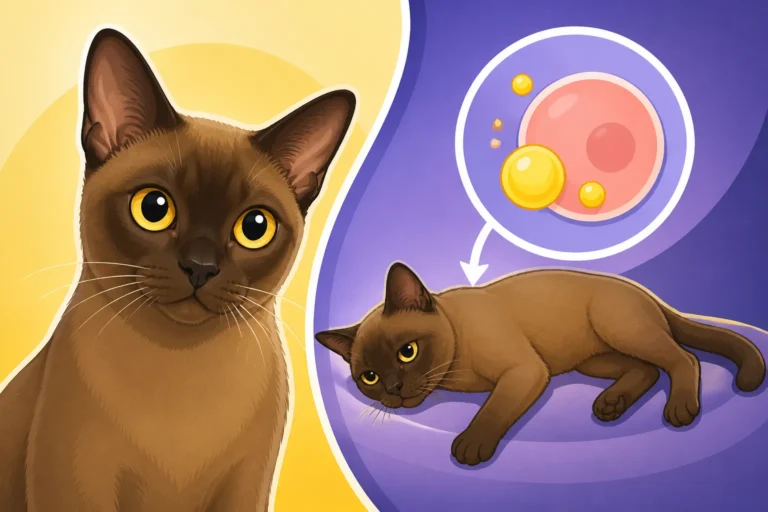
Hypokalemic Burmese cat collapse age, early warning signs of the WNK4 mutation, and potassium management strategies for owners.
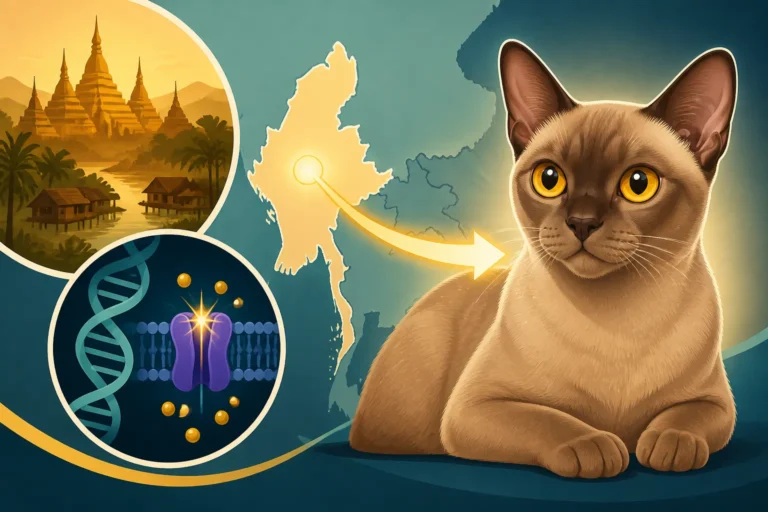
The WNK4 gene mutation causing hypokalemia in Burmese cats originated from early breed bottlenecks and spread internationally.

The WNK4 gene mutation in Burmese cats causes kidneys to waste potassium, triggering hypokalemia and sudden muscle weakness.

Pet insurance policies typically exclude diabetes as a pre-existing condition, leaving Burmese owners to manage ongoing treatment costs themselves.
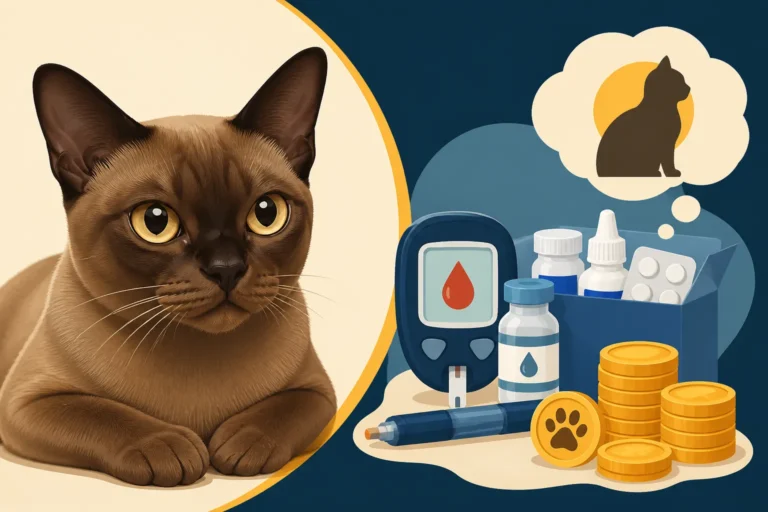
Diagnostic tests, insulin, and specialized diets cost Burmese cat owners hundreds annually for ongoing diabetes management.
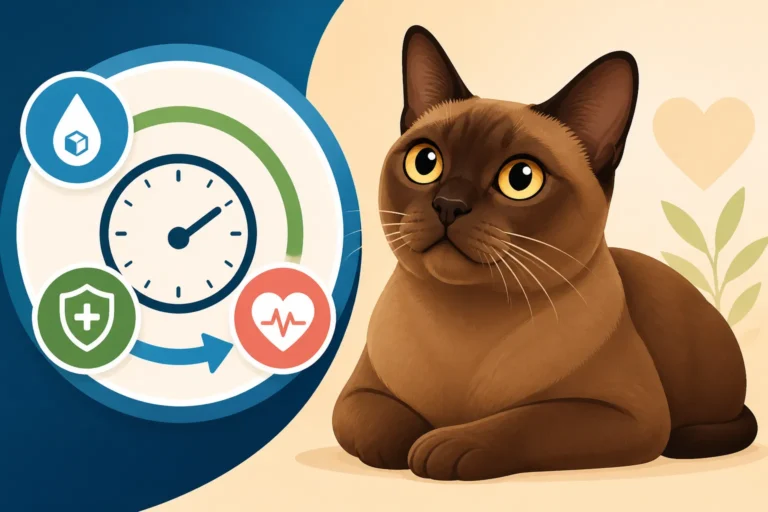
Diabetic Burmese cats can live long lives through proper management, early diagnosis, and recognizing genetic risk factors.