Why Low Carbohydrate Food Matters for a Burmese
Low-carbohydrate food protects the Burmese cat, a breed with the highest genetic diabetes risk, by preventing severe metabolic stress and weight gain.
Know what to watch for.
Breed-specific conditions, screening and DNA tests, what surgery actually costs, and the daily habits that stretch a healthy lifespan.
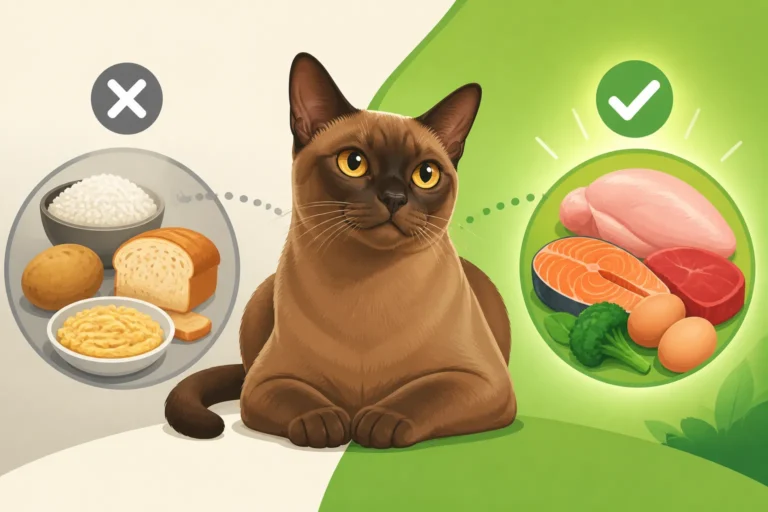
Low-carbohydrate food protects the Burmese cat, a breed with the highest genetic diabetes risk, by preventing severe metabolic stress and weight gain.

Low carbohydrate diets help genetically prone Burmese cats with diabetes reduce insulin needs and achieve full remission.

Remission rates and management steps help owners understand the chances of diabetic Burmese cats stopping daily insulin injections.

Hypoglycemia symptoms in Burmese cats include dazed behavior, weakness, and sudden collapse from dangerously low blood sugar.
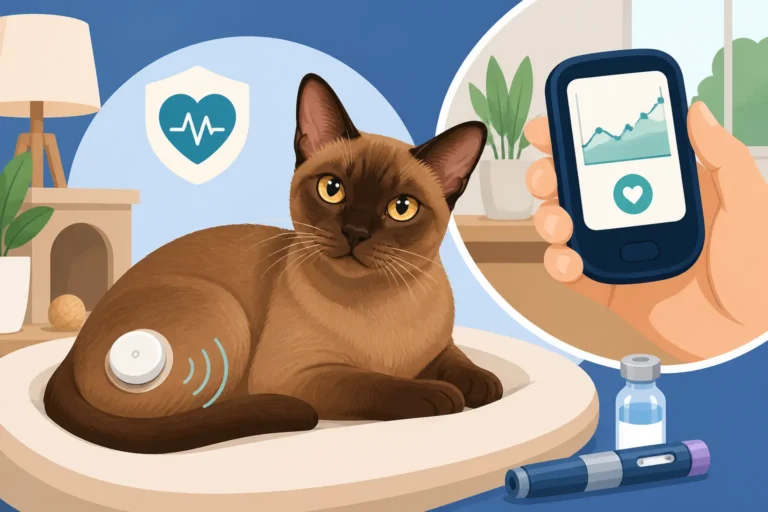
Administering insulin every twelve hours and feeding low carbohydrate wet food helps owners manage a diabetic Burmese cat.
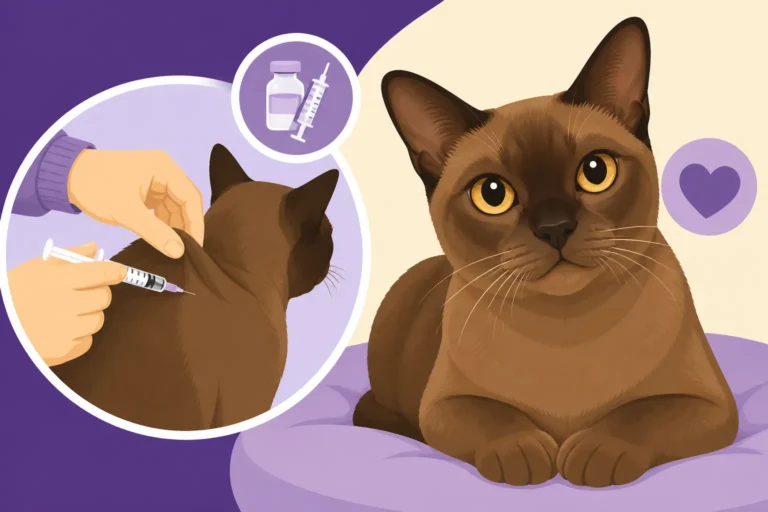
Insulin injections for a diabetic Burmese cat at home require proper supplies, a calm routine, and safe administration steps.
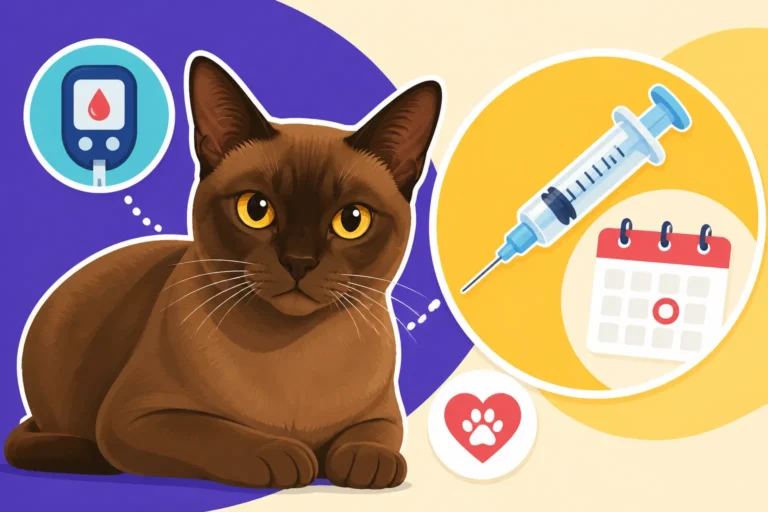
Insulin injections for a diabetic Burmese are administered twice daily to maintain stable blood glucose levels and prevent complications.
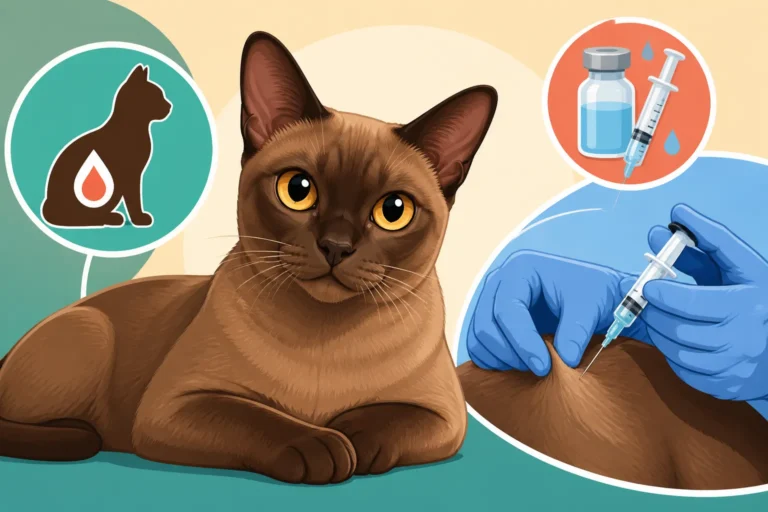
Insulin therapy for a diabetic Burmese regulates blood sugar levels and prevents severe health complications like kidney disease.

A fructosamine test clarifies long-term glucose control for Burmese cats when stress skews standard blood glucose readings.
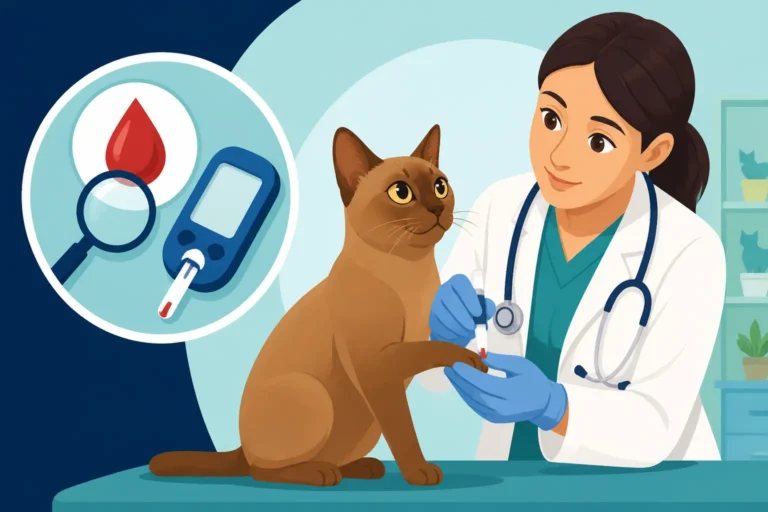
Diagnostic steps for diabetes in Burmese cats include tracking increased thirst, ravenous appetite, and unexplained weight loss.