How Many Burmese Carry the Hypokalemia Mutation
Australian and European Burmese lines show hypokalemia carrier rates estimated up to 10-20 percent in specific populations.
Know what to watch for.
Breed-specific conditions, screening and DNA tests, what surgery actually costs, and the daily habits that stretch a healthy lifespan.
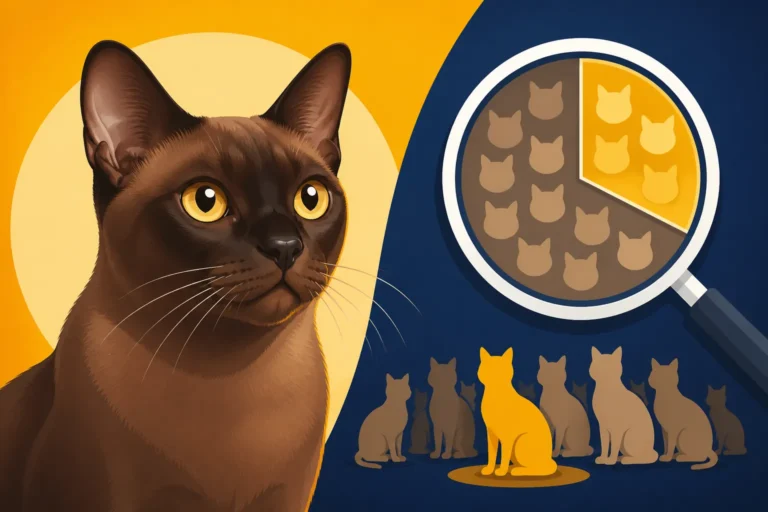
Australian and European Burmese lines show hypokalemia carrier rates estimated up to 10-20 percent in specific populations.
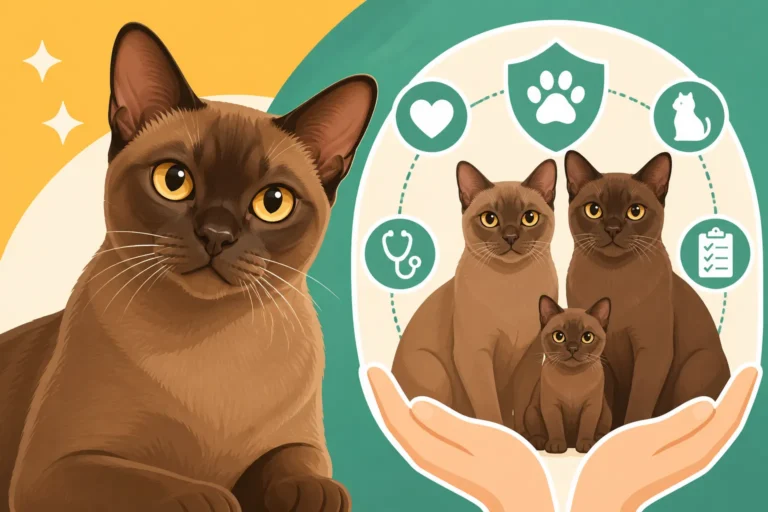
Burmese cat carriers of genetic mutations remain completely healthy and can be bred safely when paired with non-carrier cats.
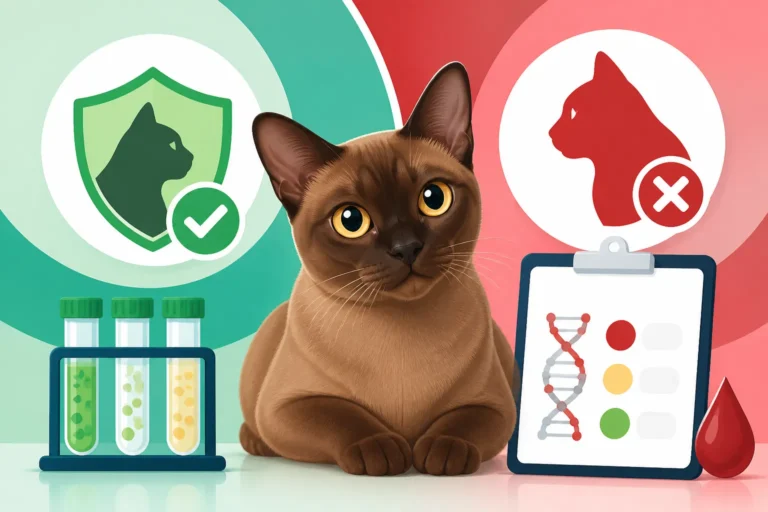
A Burmese hypokalemia carrier result means the cat inherits one mutated WNK4 gene copy from parents and stays completely healthy.
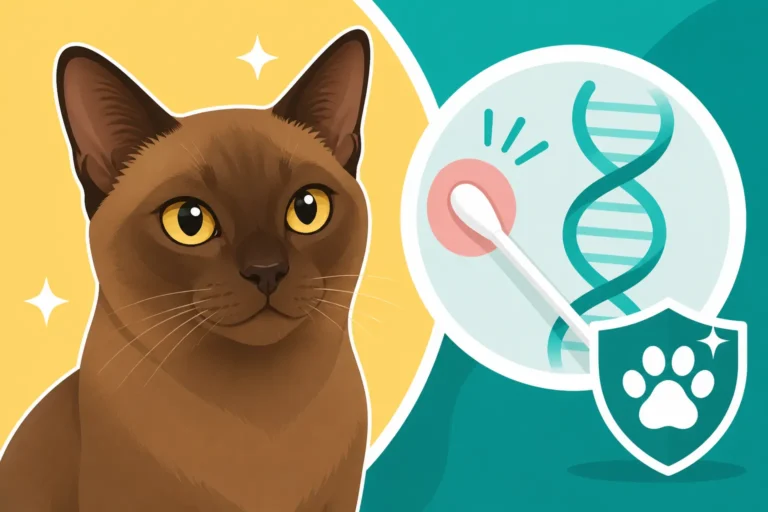
A Burmese cheek swab collects epithelial cells for DNA testing, providing accurate genetic results without stressful vet visits.
Burmese hypokalemia DNA testing identifies the WNK4 gene mutation at laboratories like UC Davis to prevent muscle weakness.
Burmese DNA panel costs and pricing factors for genetic health tests like Hypokalemia are explained to help owners budget.
Burmese cat breeders must declare genetic health conditions like Hypokalemia and GM2 Gangliosidosis before selling kittens.
Burmese cat genetics, selective breeding history, and health screenings explain why these pets live unusually long lives.
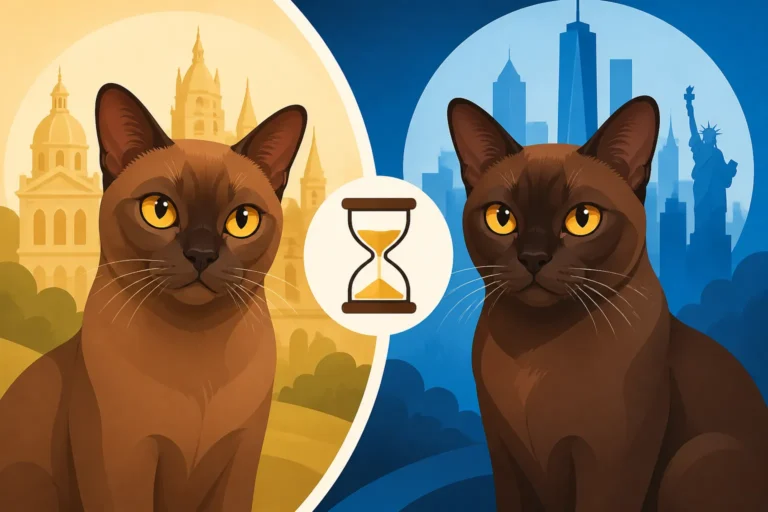
American and European Burmese cats, originating from Wong Mau, share a twelve to eighteen year lifespan and diabetes risks.
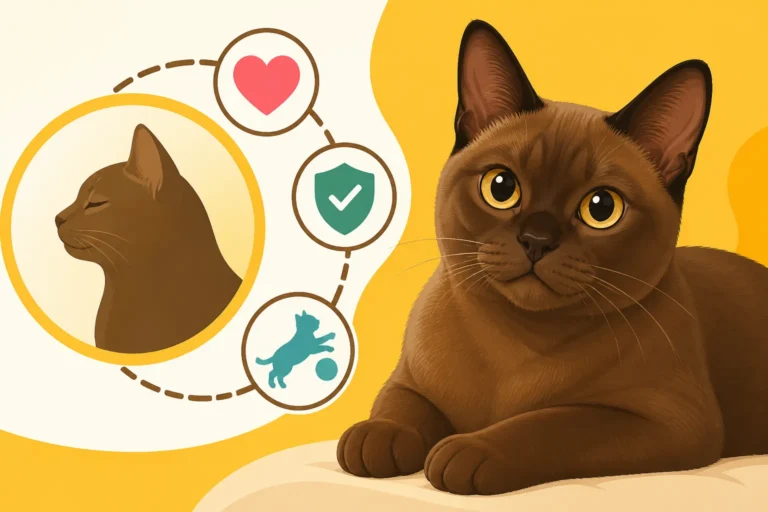
Well-bred Burmese cats typically live sixteen to eighteen years, supported by good genetics, health screenings, and proper care.