Why a Burmese Drinking More Needs Testing That Week
Excessive thirst in a Burmese cat indicates a critical warning sign requiring prompt veterinary attention for breed specific health concerns.
Know what to watch for.
Breed-specific conditions, screening and DNA tests, what surgery actually costs, and the daily habits that stretch a healthy lifespan.
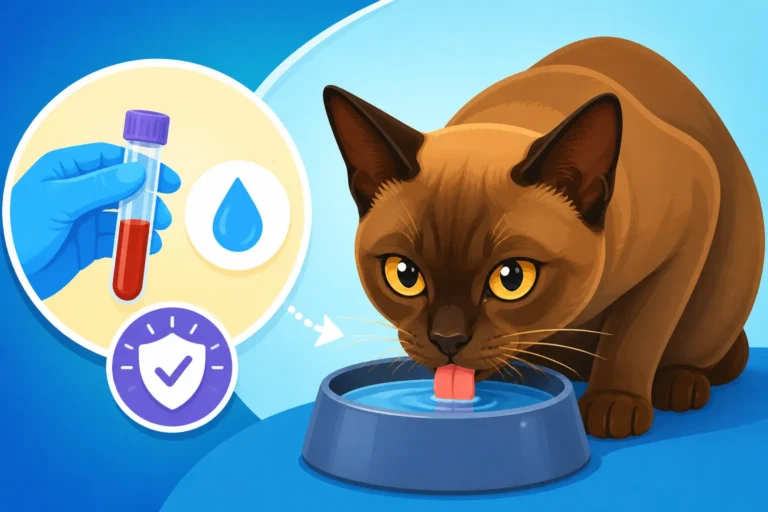
Excessive thirst in a Burmese cat indicates a critical warning sign requiring prompt veterinary attention for breed specific health concerns.
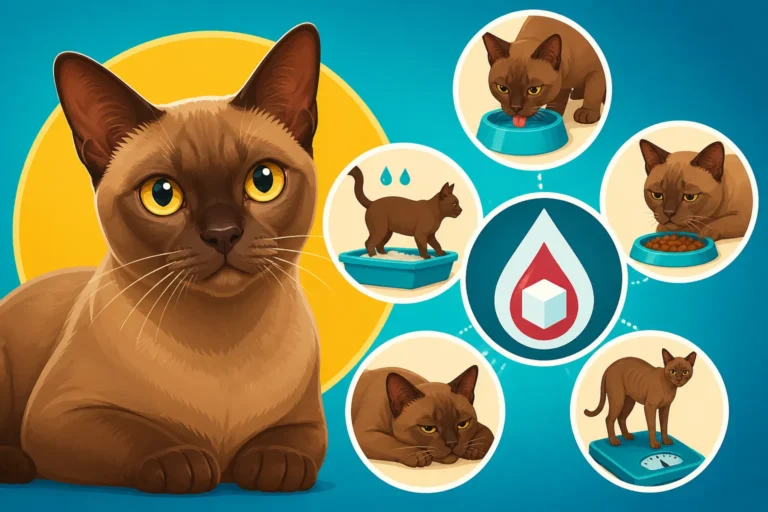
Early signs of diabetes in Burmese cats include increased thirst, frequent urination, heavier litter boxes, and weight loss.
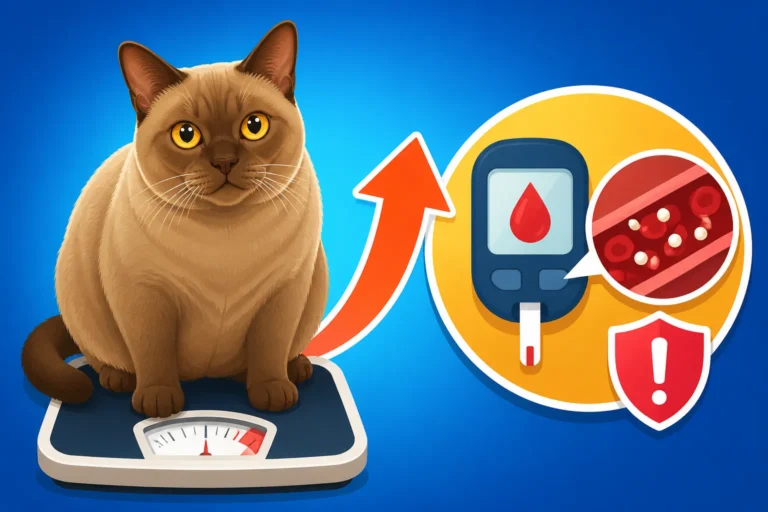
Burmese cat weight gain of ten to twenty percent above ideal body weight significantly increases diabetes risk and insulin resistance.
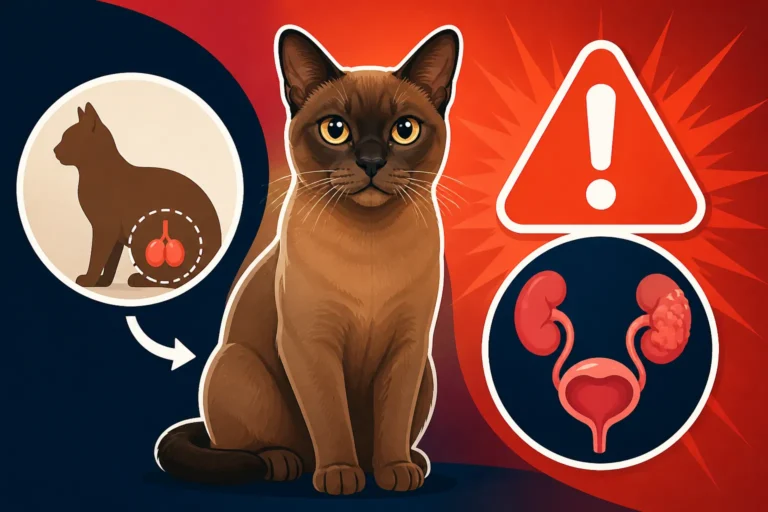
Neutered male Burmese cats face the highest diabetes risk due to genetic markers, metabolism shifts, and hidden weight gain.
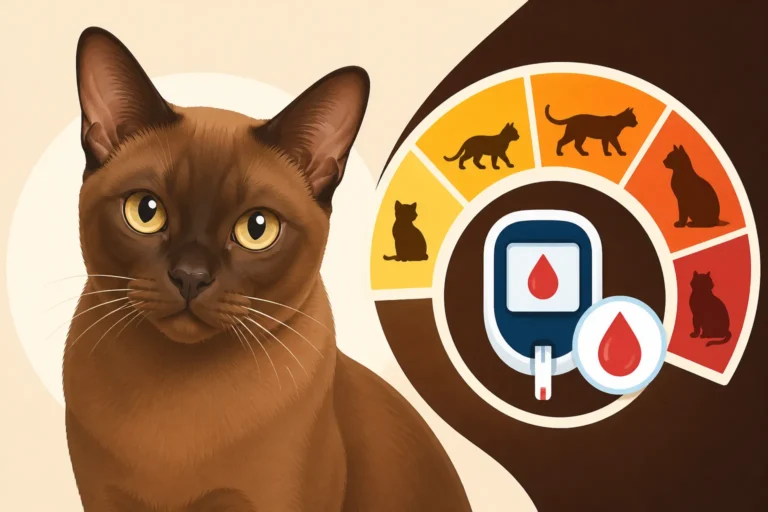
Burmese cats usually develop diabetes during their middle to senior years, generally between seven and twelve years of age.
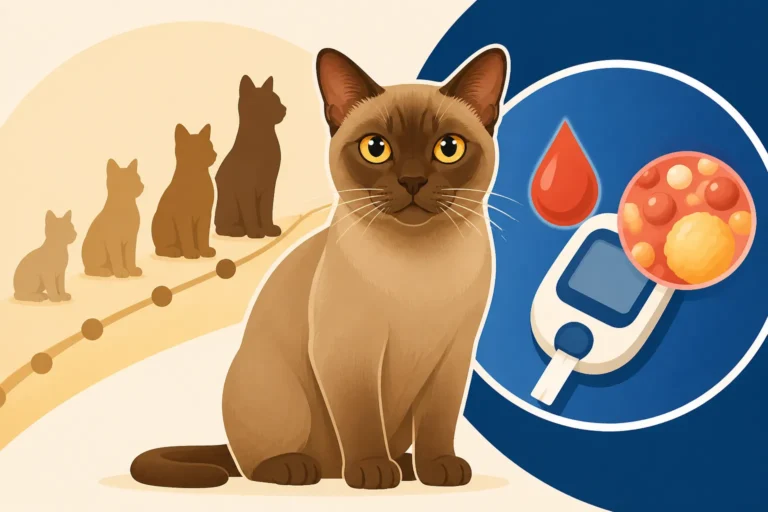
Burmese cats face a ten to twenty five percent lifetime diabetes risk caused by a WNK4 gene mutation affecting middle aged felines.
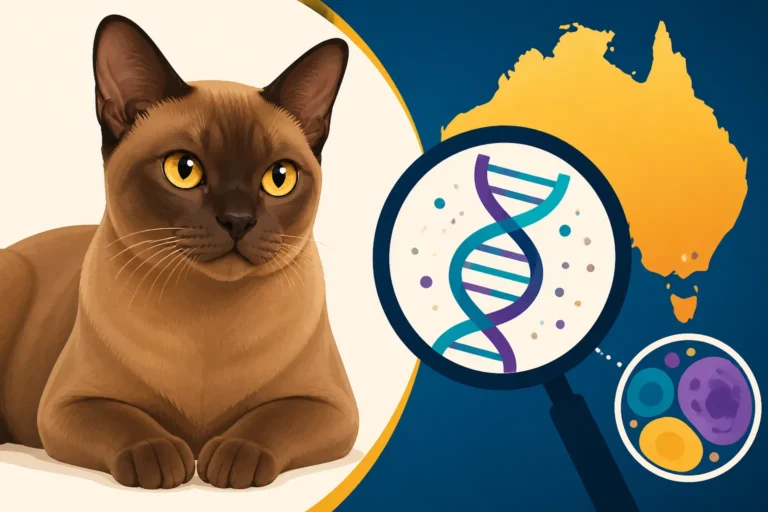
Genome studies on Australian Burmese cats reveal genetic realities behind diabetes risks, distinct coat colors, and regional breeding history.
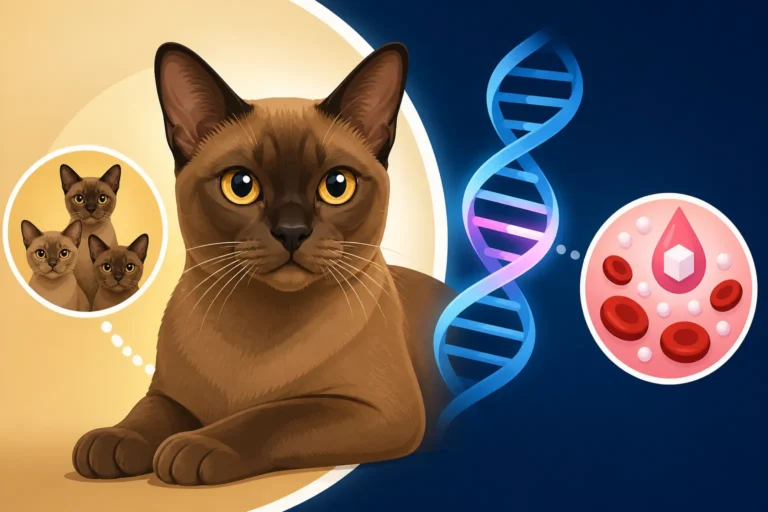
Burmese cats inherit a genetic predisposition to diabetes mellitus from selective breeding originating from a single cat.
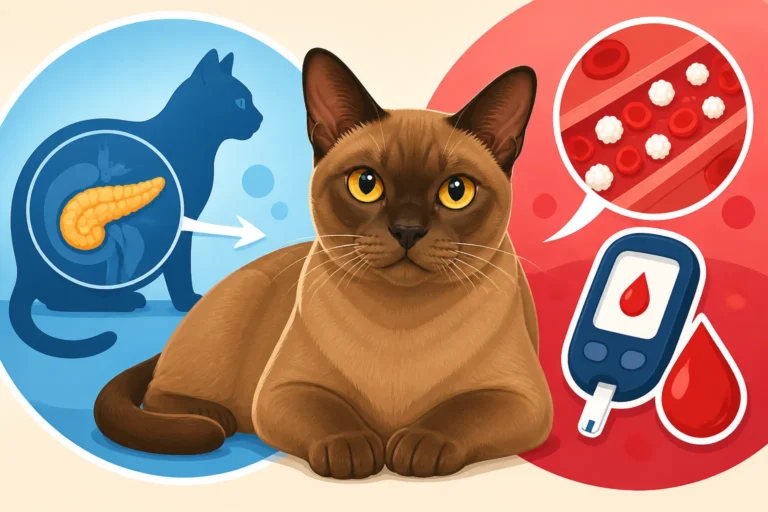
Burmese cat diabetes development involves inherited genetic markers, insulin resistance, and lifestyle factors like neutering.
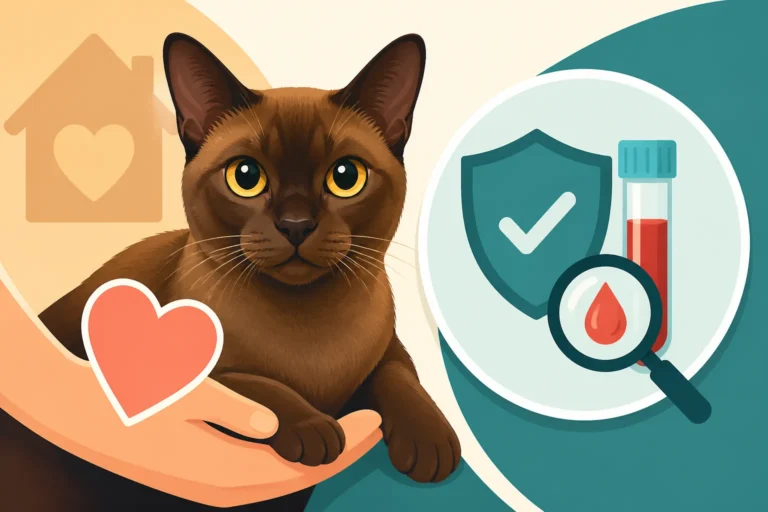
Rescue Burmese health testing reveals inherited conditions like hypokalemia and diabetes risk, ensuring proactive care for your cat.