What Feeding a Diabetes Prone Burmese Costs
Feeding a diabetes prone Burmese cat involves expenses for low carbohydrate diets, preventative measures, and active disease management.
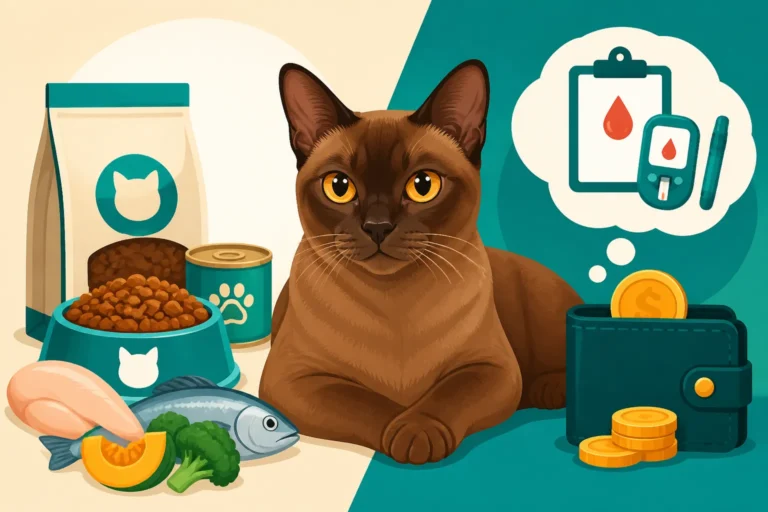
Feeding a diabetes prone Burmese cat involves expenses for low carbohydrate diets, preventative measures, and active disease management.
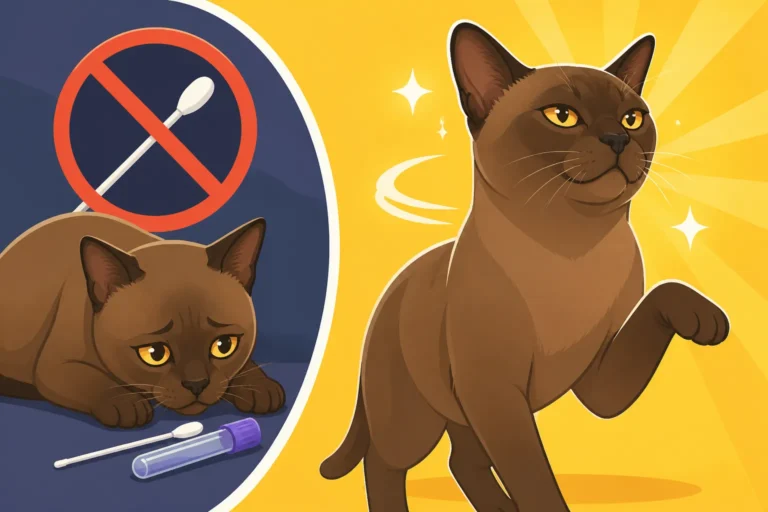
Hypokalemia DNA testing prevents hereditary muscle weakness and unexpected veterinary costs for young Burmese kitten buyers.
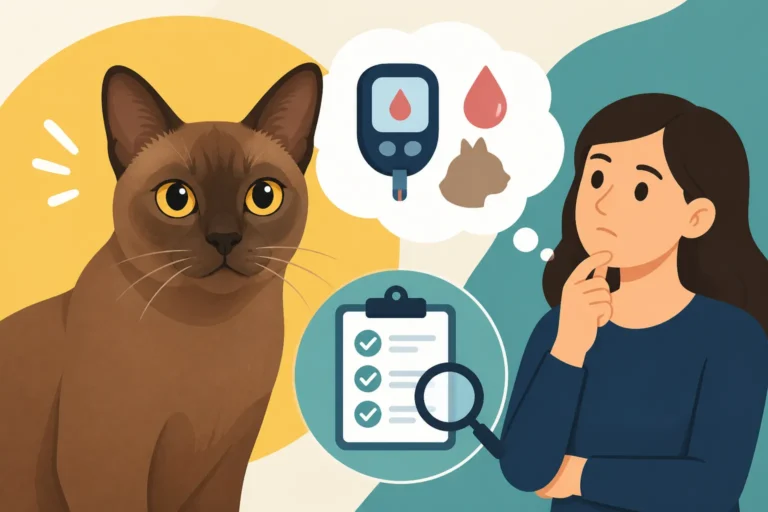
Burmese cat diabetes history questions help buyers identify inherited disease risks and metabolic vulnerabilities from breeders.
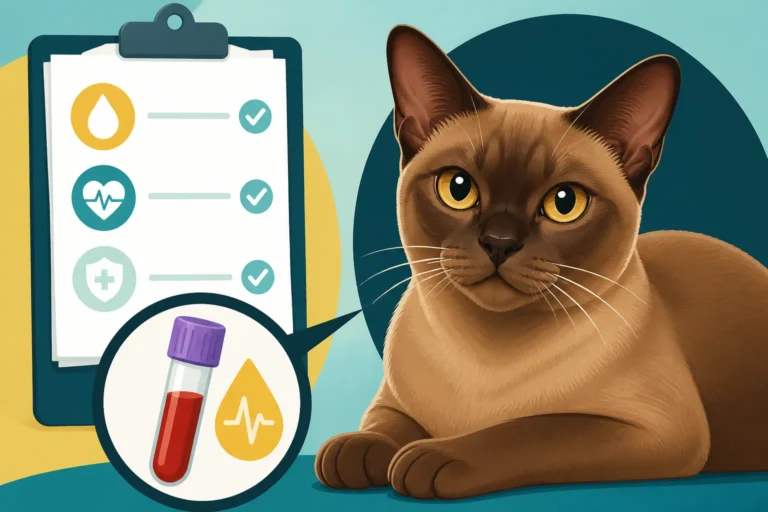
Hypokalemia test results on Burmese paperwork confirm the kitten lacks the inherited WNK4 gene mutation causing muscle weakness.

Burmese cat health guarantees and how breeder contracts address the genetic condition Hypokalemia affecting potassium levels.
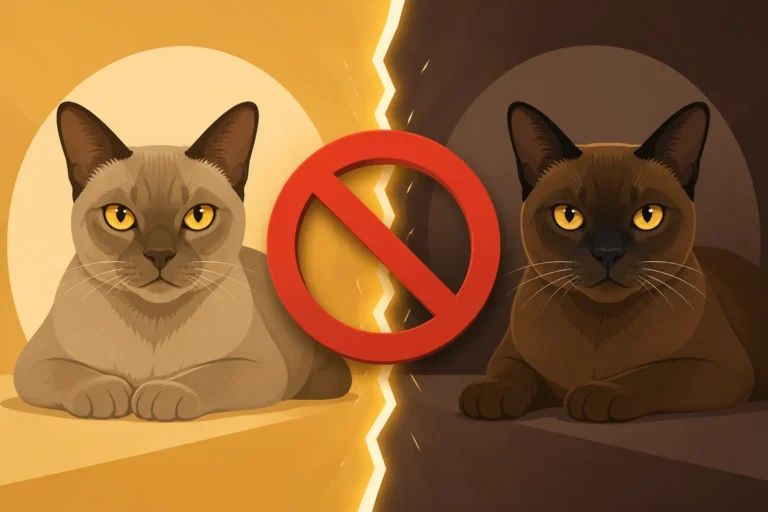
Breeding contracts forbidding cross-breeding between American and European Burmese cats preserve distinct physical traits and ensure long-term health.

Burmese cat registration papers often omit the specific type because historical breeding splits created American and European varieties.
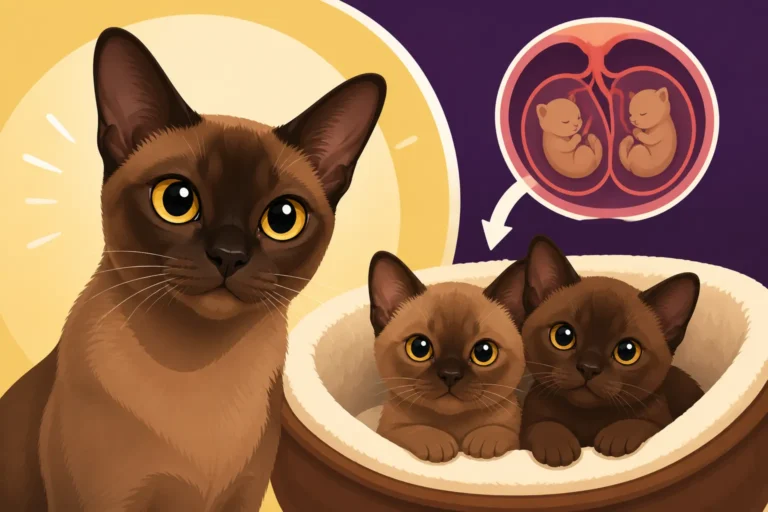
Burmese cat breeders frequently require reserving two kittens because this social breed suffers severe separation anxiety when left completely alone.
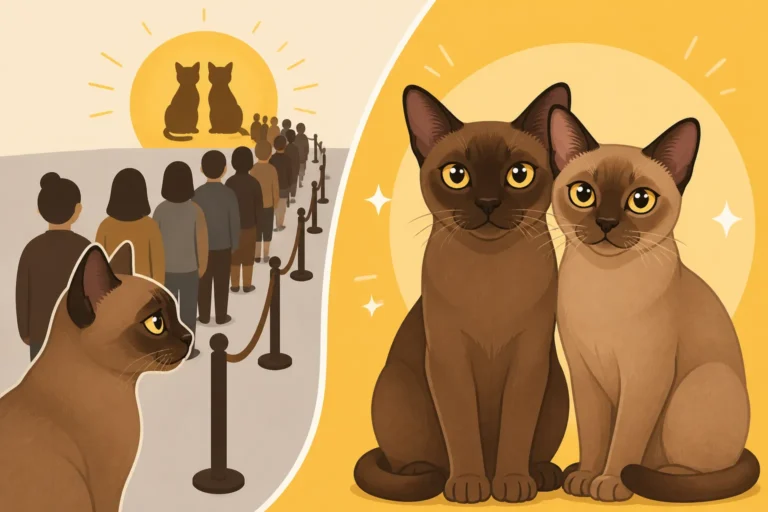
Burmese cat waitlists are longer for pairs because these social pets need constant companionship and breeders prioritize welfare.

Platinum Burmese cat genetics, requiring rare recessive gene combinations, explain why this pale lilac-grey feline costs the most.