Why a Burmese Waitlist Is Longer for a Pair
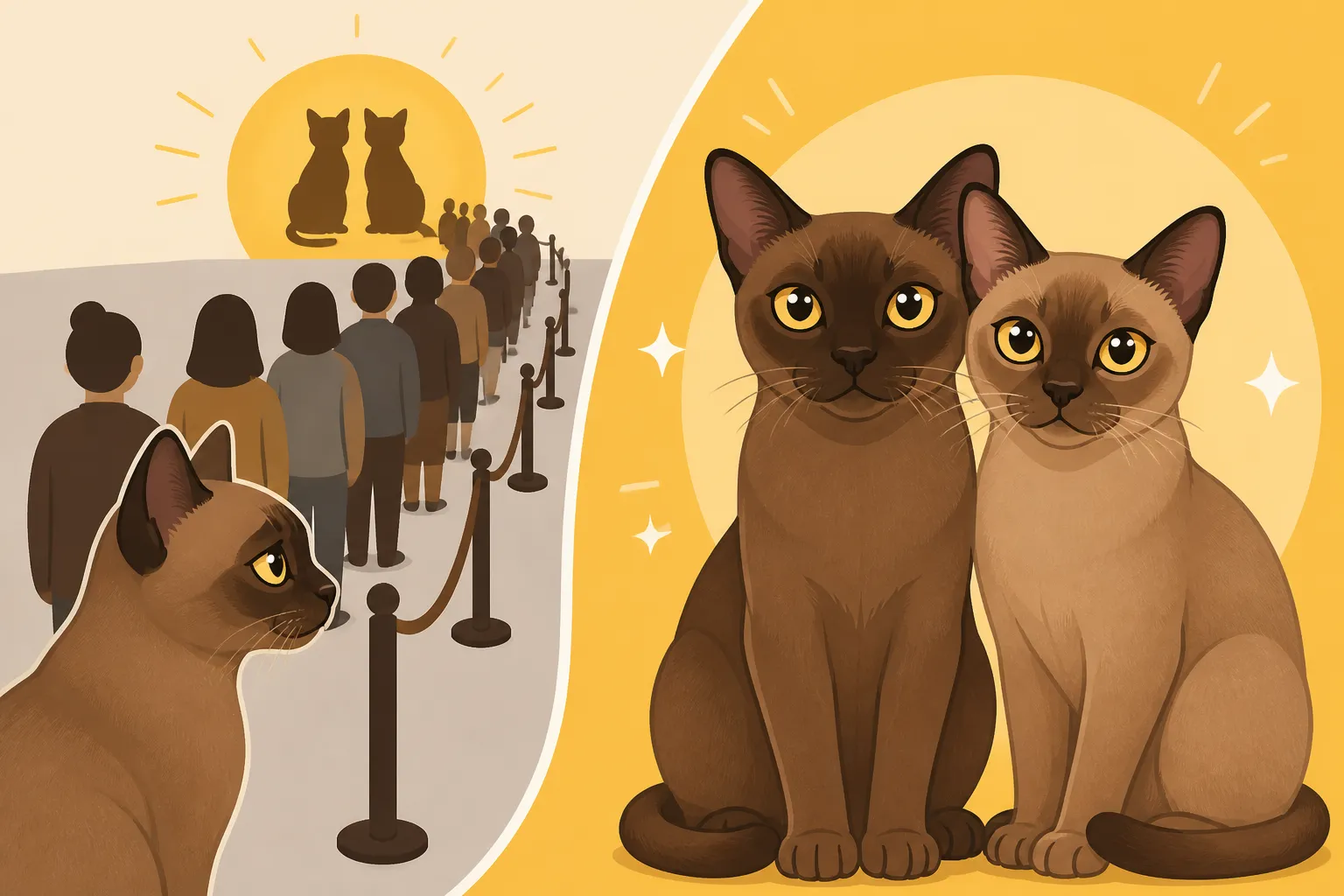
It’s a common scenario: you’ve fallen head over heels for the charismatic Burmese cat, done your research, and finally contacted a reputable breeder, only to find the waitlist for a single kitten is long, but the waitlist for a pair of Burmese kittens stretches even further. This often comes as a surprise to prospective owners, who might assume that acquiring two cats would be more complicated or less common. The truth is, the longer waitlist for pairs is a direct reflection of the unique social needs of the Burmese breed and the ethical practices of responsible breeders. This guide will delve into the compelling reasons behind this phenomenon, explaining why two Burmese cats are often better than one, and why breeders prioritize placing them together.
The Inherent Social Nature of the Burmese Cat
If you've spent any time researching Burmese cats, you've likely heard them described as "Velcro cats" or "dogs in cat suits." These aren't just cute nicknames; they accurately reflect the breed's profound need for companionship and interaction, a trait that sets them apart from many other feline breeds. This deep-seated desire for connection is the primary driver behind breeders' recommendations for pairs.
Why a Burmese Craves Constant Company
Burmese cats thrive on interaction and often form incredibly strong bonds with their human family members. They don't just tolerate company; they actively seek it out, becoming deeply involved in daily activities. Imagine trying to read a book, prepare dinner, or even just walk from one room to another, and finding your Burmese right there with you, often vocalizing their thoughts in their distinctive, raspy rumble. They are known for their unwavering loyalty and their tendency to shadow their owners from room to room. This constant presence isnakk a phase; it’s who they are.
This intense need for companionship means that a single Burmese left alone for extended periods can quickly become distressed. Unlike some more independent breeds who are content to nap and entertain themselves, a Burmese thrives on a dynamic environment filled with interaction. Without sufficient stimulation, a solo Burmese might become bored, lonely, and anxious, leading to a host of behavioral issues that are heartbreaking for owners to witness. Understanding this fundamental aspect of their personality is key to appreciating why breeders hesitate to place them alone.
The Breeder's Ethical Responsibility
For a dedicated Burmese breeder, the welfare of their kittens is paramount. They’re not just selling pets; they’re placing cherished family members who they have nurtured from birth. Because they intimately understand the breed's needs, reputable breeders feel a strong ethical obligation to ensure their kittens go to homes where they will truly flourish. They know that a lonely Burmese is an unhappy Burmese, and an unhappy cat is prone to behavioral and even health problems.
Therefore, when a breeder interviews potential owners, they often inquire extensively about household routines, work schedules, and existing pets. If an applicant works long hours outside the home or lives alone without other animals, a responsible breeder will almost always suggest considering a pair. This isn’t a sales tactic; it’s a commitment to the long-term well-being of the kitten. They understand that a Burmese kitten's first year of never being alone sets the stage for a happy, well-adjusted adult cat. They want to prevent the distress that can arise when a highly social creature is isolated, knowing that such situations can sometimes lead to cats being rehomed, which is the last thing any responsible breeder wants for their charges.
The Practical Benefits of a Burmese Pair
Beyond the ethical considerations, there are numerous practical advantages to bringing home two Burmese cats, benefits that positively impact both the cats' well-being and the owner's peace of mind. These advantages often save owners from significant stress and expense down the line.
Preventing Destructive Behaviors
A lonely or anxious Burmese can manifest its distress in various undesirable ways. What might start as mild mischievousness can escalate into genuinely destructive behaviors. We’re talking about things like inappropriate urination or spraying outside the litter box, excessive vocalization (which can be relentless and frustrating), over-grooming to the point of skin irritation or hair loss, or even destructive chewing on furniture, wires, or fabrics. These behaviors are not acts of defiance; they are cries for help, symptoms of underlying stress and boredom caused by a lack of mental and social engagement.
When a Burmese has a companion, especially another Burmese, these issues are significantly mitigated. The cats provide each other with constant interaction, play, and comfort. They chase each other, wrestle, groom one another, and nap curled up together. This consistent companionship fulfills their innate need for social connection, reducing the likelihood of boredom and anxiety. Having a buddy means they are rarely truly alone, even when their humans are out. This mutual enrichment can save owners considerable money on veterinary bills for stress-related conditions, cleaning supplies, and replacing damaged household items. In essence, Why Two Burmese Cost Less Than One Anxious One is a reality many owners discover.
Enhancing Enrichment and Exercise
Burmese cats are renowned for their playful nature, a trait that often persists well into their senior years. While you might expect a cat to slow down with age, a Burmese is still playing at fifteen, demanding interactive play sessions. A single Burmese, even with the most dedicated owner, might struggle to get enough mental and physical exercise, especially during periods when their human isn't available to play. They need outlets for their energy, their intelligence, and their natural hunting instincts.
A pair of Burmese cats, however, are a self-contained entertainment unit. They wrestle, chase, and pounce on each other, turning any room into their personal jungle gym. This constant, spontaneous play provides both physical exercise and mental stimulation, keeping them fit, agile, and engaged. They teach each other boundaries and social cues, honing their feline communication skills. This shared activity prevents boredom from setting in, and you’ll often find them collaborating in mischief, which, while sometimes challenging, is ultimately a sign of their healthy, interactive relationship. Knowing How Many Play Sessions a Burmese Asks For, a companion significantly eases the burden on owners to provide all the entertainment.
Breeder Perspectives and Placement Policies
Reputable Burmese breeders don't just breed for beauty and health; they breed for temperament. They understand the breed's unique quirks and build their placement policies around ensuring their kittens go to homes where they will truly thrive. This often means actively advocating for and prioritizing the placement of pairs.
The 'Better Together' Philosophy
Many Burmese breeders operate under a "better together" philosophy, meaning they genuinely believe that two Burmese are happier and healthier than one. They've seen firsthand the difference it makes in a kitten's adjustment and long-term well-being. This conviction isn't just anecdotal; it's backed by years of experience observing their own litters and receiving feedback from owners. They know that a Burmese will not thrive if left alone all day. Their social bonds are so strong that separation from constant company can be genuinely detrimental to their emotional health.
This philosophy translates into their sales process. It's common for breeders to have clauses in their contracts recommending or even requiring that a Burmese kitten either goes home with a sibling or to a household with another existing compatible pet. They might also make it clear that a higher priority on the waiting list is given to homes seeking a pair. They do this because they want to avoid the potential heart-ache of a rehomed cat due to behavioral issues stemming from loneliness. They would rather wait longer to find the right double placement than rush a single kitten into a potentially stressful environment. Why Burmese Breeders Sell Them in Pairs is a deeply ingrained principle in the community.
Why a Single Kitten Might Be Harder to Place
While it might seem counterintuitive, placing a single Burmese kitten can actually be more challenging for a breeder. When an applicant expresses interest in just one kitten, the breeder has to conduct an even more rigorous vetting process. They need to ascertain if the home truly understands the immense social needs of the breed and has concrete plans to address them. This might include ensuring someone is home most of the day, that there are other friendly pets (like a calm dog or another social cat), or that the owner is committed to extensive one-on-one play and interaction.
Conversely, placing two kittens together often simplifies the vetting process. The assumption is that the kittens will provide much of the necessary companionship for each other, easing the pressure on the human family to be the sole source of entertainment and affection. This is why a breeder might have a longer waitlist for pairs, as these placements are often considered ideal. If a breeder has a litter of, say, four kittens, and two applicants want a single kitten, and one wants a pair, the pair request might be filled first, even if it came in later, simply because it represents the optimal outcome for the kittens' welfare. They want to ensure A Burmese Kitten's First Year of Never Being Alone is a joyful one, full of companionship.
Financial and Long-Term Considerations for Owners
The initial sticker shock of purchasing two purebred kittens can be significant, leading many to assume that a pair will be twice the expense across the board. However, when you look at the bigger picture, especially considering potential behavioral and health issues, the long-term financial and emotional costs of a single, lonely Burmese can sometimes outweigh the initial investment in a pair.
The Surprising Cost-Effectiveness of Two
Yes, the upfront purchase price for two kittens is double that of one. However, many ongoing expenses don't simply double. For instance, food costs will increase, but often not linearly, especially if you buy in bulk from places like Chewy. Litter costs might be higher, but you already need multiple litter boxes for even one cat, so the equipment cost doesn't necessarily double. Vet check-ups are individual, but preventing stress-related illnesses can actually reduce overall medical bills. For instance, treating severe anxiety, destructive behaviors, or stress-induced over-grooming can incur significant veterinary costs.
Consider pet insurance from providers like Healthy Paws. While you'll pay premiums for two policies, having a companion can lead to happier, healthier cats less prone to stress-related ailments that could result in expensive claims. Preventing issues like spraying, which can ruin furniture and carpets, also saves money in replacement and cleaning costs. Ultimately, the peace of mind and the joy of watching two thriving Burmese cats interact can make the perceived "extra" cost feel incredibly worthwhile. When considering What a Burmese Costs Over Sixteen Years, the cost of preventing behavioral issues becomes a significant factor.
Managing Two Burmese in a Household
Introducing two Burmese kittens into your home comes with its own set of logistical considerations, but these are generally manageable and often outweighed by the benefits. You’ll need more litter boxes – generally one per cat plus an extra, so three for two cats is a good rule of thumb. You might need two food bowls to prevent resource guarding, though many Burmese are happy to share. More toys are always a good idea, though they will undoubtedly share those too. And yes, your home will be twice as lively, possibly twice as noisy, and definitely twice as full of purrs and playful antics.
One significant advantage is travel. If you need to board your cats or have a pet sitter, two Burmese will keep each other company, reducing the stress that a single Burmese might experience in your absence. They can often share a larger carrier for vet visits or car trips, comforting one another. In short, while there are minor adjustments to make, having two Burmese means they largely take care of each other's emotional needs, freeing you to simply enjoy their captivating presence. This is why Why a Burmese Should Never Be Boarded Alone is such an important piece of advice.
Navigating the Waitlist and Finding Your Pair
Understanding why breeders prioritize placing Burmese in pairs is the first step. The next is knowing how to navigate the process and effectively communicate your intentions to secure your own duo. Patience and clear communication are key.
Communicating Your Intent for a Pair
When you first contact a Burmese breeder, be upfront and enthusiastic about your desire for a pair. This immediately signals to them that you understand the breed's unique social needs and are committed to providing the best possible environment. Mention that you've done your research and appreciate their "better together" philosophy. Ask them about their specific policies for placing pairs and what their current waitlist looks like for two kittens.
Being specific also helps. Are you looking for two kittens from the same litter? Are you open to two kittens from different, closely timed litters if they are compatible? The more flexible you are, the easier it might be for a breeder to match you with a suitable pair. Demonstrate your understanding of their needs, perhaps by discussing how you plan to provide enrichment and ensure they are never truly alone. This proactive approach will undoubtedly impress a conscientious breeder and move you higher on their mental (or actual) list.
What to Expect on a Pair Waitlist
Given the reasons discussed, it’s not surprising that the waitlist for a Burmese pair can be longer. Breeders often plan their litters carefully, and ensuring two compatible kittens are available at the same time for a single placement requires a bit more coordination. You might be waiting for a specific litter to produce a suitable pair, or for two separate litters to yield kittens who would do well together. Breeders prioritize matching personalities, ensuring that the two kittens will genuinely enjoy each other's company, which can sometimes extend the wait.
During this waiting period, use the time wisely. Prepare your home by gathering supplies: multiple litter boxes, sturdy scratching posts, an array of interactive toys you might find at Chewy, high-quality wet food (perhaps a specialized high-protein, low-carb diet to help prevent the breed's diabetes predisposition), and a comfortable, warm sleeping area – or several! Research pet insurance plans from providers like Healthy Paws, as it's wise to enroll them when they are young and healthy. The wait for a Burmese pair is a testament to the breed's special nature and a breeder's dedication. When those two bundles of satin-coated joy finally arrive, you’ll realize the wait was absolutely worth it.
Disclaimer
This article is for general informational purposes only and does not constitute professional advice. Laws, prices and regulations vary by location and change over time. Consult a qualified professional for guidance on your specific situation.