Why an Old Burmese Still Needs Its Protein High
It’s a common misconception that as our beloved cats age, their protein needs decrease, especially when we start worrying about their kidneys. For us Burmese cat parents, this couldn’t be further from the truth, and following that advice can actually put your senior companion at a disadvantage. This guide is dedicated to explaining precisely why an older Burmese still absolutely needs a diet rich in high-quality protein and how to ensure they get it to live out their golden years with vitality.
Why High Protein is Non-Negotiable for an Aging Burmese
When our lively, affectionate Burmese cats start to slow down just a little, perhaps around their tenth or twelfth birthday, we naturally think about adjusting their care. But reducing protein in their diet based on outdated advice can actually accelerate age-related muscle loss, a condition known as sarcopenia. For a breed as athletic and muscular as the Burmese, maintaining that lean mass is critical for their mobility, strength, and overall quality of life. They might be What an Old Burmese Slows Down From, but they don't have to become frail.
Understanding Sarcopenia and Muscle Wastage
Sarcopenia isn't just about getting a bit flabby; it's the involuntary loss of skeletal muscle mass, strength, and function that comes with aging. Unlike weight loss from dieting, sarcopenia specifically targets muscle. Our Burmese cats, known for their compact, muscular build and playful, energetic nature even into their senior years, are particularly susceptible to the negative impacts of muscle loss. Imagine your usually agile cat struggling to jump onto their favorite window perch, or finding it harder to navigate stairs – that’s the reality of significant sarcopenia. Their bodies become less efficient at synthesizing protein, meaning they need more dietary protein, not less, to maintain what they have. It's a cruel twist of aging that the very nutrient they need more of is often the one mistakenly restricted.
This process starts subtly. You might notice their spine or hip bones becoming a bit more prominent, or their hind legs looking a little thinner despite them maintaining their overall weight. This is because fat can replace lost muscle, masking the issue. A Burmese is often described as a "brick wrapped in silk" due to their surprising heft for their size and their sleek coat. When that brick starts to crumble, it dramatically impacts their strength and ability to do all the things that make a Burmese a Burmese, like climbing onto your shoulder or chasing a feather wand with kittenish glee.
Protein's Broader Role in Senior Burmese Health
Beyond just muscle, protein is a fundamental building block for nearly every cell and function in your Burmese's body. As they age, their immune system naturally weakens, making them more vulnerable to infections. High-quality protein provides the amino acids necessary to produce antibodies and other immune cells, helping to bolster their defenses. Think of it as supplying the ammunition for their body's soldiers. Without enough protein, their ability to fight off illness diminishes, leading to more frequent or severe bouts of sickness.
Protein also plays a vital role in maintaining healthy skin and that famous satin coat. While a senior Burmese's coat might naturally dull a little, adequate protein helps keep it as glossy and healthy as possible. It's essential for wound healing, enzyme production for digestion, hormone regulation, and even the neurotransmitters that keep their keen minds sharp. If your older Burmese has experienced any health issues or surgeries, sufficient protein is paramount for recovery. It helps repair damaged tissues and facilitates the production of new cells, speeding up the healing process and getting them back on their paws faster.
The Challenges of Maintaining Muscle Mass in Senior Burmese
It's not always easy to ensure our older Burmese cats get the protein they need. Their appetites can change, dental issues might make eating certain foods difficult, and a sedentary lifestyle can ironically contribute to muscle loss. Overcoming these hurdles requires a bit of detective work and a proactive approach.
Decreased Appetite and Picky Eating
As cats age, their sense of smell and taste can dull, making food less appealing. Many senior cats also develop chronic conditions that can suppress their appetite or make them feel nauseous. A once-devoted eater might suddenly become picky, turning their nose up at meals they once adored. For a Burmese, who are often enthusiastic eaters throughout their lives, this change can be particularly alarming. You might notice them just picking at their food, or walking away completely after only a few bites. This reduced intake means they're likely not getting enough calories or, more critically, enough protein.
It's crucial to rule out underlying medical issues when appetite changes occur. Dental pain, for instance, can make chewing excruciating. Why an Old Burmese With Few Teeth Needs Wet Food is a common issue, but other problems like nausea from kidney disease or hyperthyroidism can also be at play. If your senior Burmese's appetite dwindles, a vet visit is the first step to identify and address any health concerns. Once medical issues are managed, focus on making their food as enticing as possible. Warming wet food to body temperature can enhance its aroma, making it more appealing. Offering several small meals throughout the day rather than one or two large ones can also help.
The Problem of Concurrent Health Conditions
Aging often brings with it a host of health challenges, and for Burmese cats, certain conditions like diabetes are particularly prevalent. It's tempting to think that all senior conditions require low-protein diets, but this is a dangerous generalization. While kidney disease can necessitate careful protein management, it's typically the phosphorus content, not the protein itself, that needs to be restricted, and only under veterinary guidance. High-quality, highly digestible protein is less taxing on the kidneys than lower-quality protein sources.
For diabetic Burmese, a high-protein, low-carbohydrate diet is often recommended to help manage blood sugar levels and promote remission. Which Diet Puts a Burmese Into Remission frequently emphasizes protein. So, if your Burmese has diabetes and is aging, a high-protein approach can actually benefit both conditions, provided the kidney function is sound. It's about finding the right balance with your vet. Regular check-ups are key to monitoring kidney function through blood tests, allowing you to tailor their diet appropriately without needlessly sacrificing crucial protein.
Choosing and Transitioning to a High-Protein Diet for Your Senior Burmese
The good news is that there are many excellent options available for high-protein senior cat food, and with a little patience, you can transition your Burmese to a diet that supports their aging body. The goal is to provide highly digestible animal-based protein sources.
Identifying Quality Protein Sources
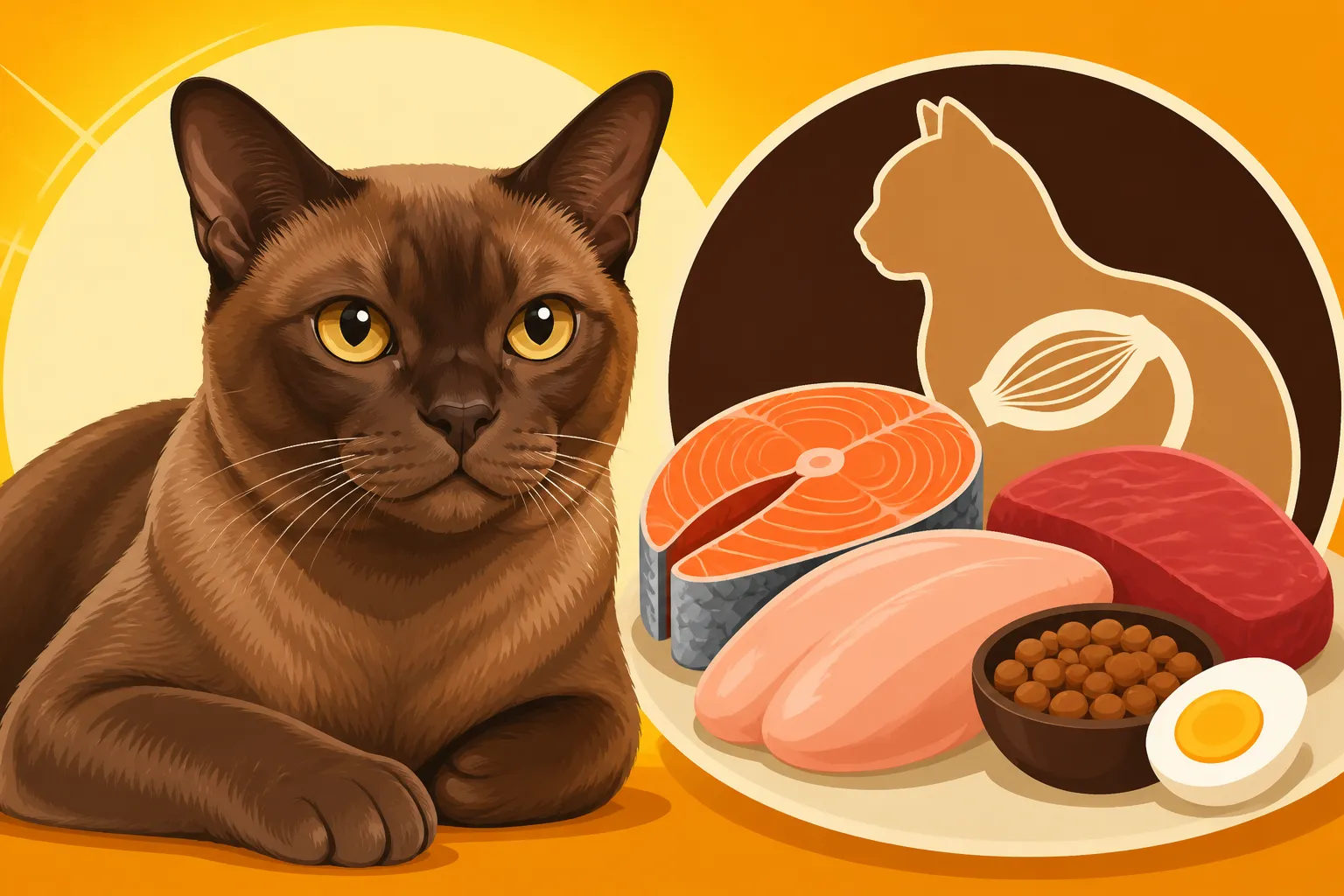
When you're looking at cat food labels, don't just eye the "crude protein" percentage. Focus on the source and quality of that protein. The first few ingredients listed should be identifiable animal proteins like chicken, turkey, salmon, or beef. Avoid foods where vegetable proteins (like corn gluten meal or pea protein) make up the bulk of the protein content, especially for a senior cat whose digestive system may not be as robust. Animal proteins contain all the essential amino acids your Burmese needs.
Wet food generally offers higher protein content per calorie and is also excellent for hydration, which is crucial for kidney health regardless of protein intake. Many brands, including those found on Chewy or Amazon, offer specific senior cat formulas or high-protein, low-carb options that fit the bill. Look for foods that state they are “complete and balanced” and meet AAFCO nutritional profiles for adult maintenance. Fresh food delivery services can also offer very high-quality, human-grade protein sources, which might be an excellent choice for a picky senior Burmese, though it often comes at a higher price point.
Here’s a quick overview of what to look for:
| Protein Source Quality | Description | Examples (on label) | Suitability for Senior Burmese |
|---|---|---|---|
| Excellent | Whole, identifiable animal meat, highly digestible. | Chicken, Turkey, Salmon, Beef, Lamb | Ideal for muscle maintenance and overall health. |
| Good | Meat meals (concentrated animal protein), highly digestible. | Chicken Meal, Turkey Meal | Very good, often provide a higher protein punch than whole meat. |
| Fair | Meat by-products (organ meats, ground bones), variable digestibility. | Chicken By-Product Meal | Acceptable, but less desirable than whole meats or meat meals. |
| Poor | Plant-based proteins, less digestible for carnivores, incomplete amino acid profile. | Corn Gluten Meal, Pea Protein, Soy Protein Isolate, Wheat Gluten | Avoid as primary protein source for senior cats. |
Gradual Dietary Transitions
Cats are creatures of habit, and senior cats can be particularly resistant to change. A sudden switch in food can lead to digestive upset, or worse, outright food refusal. The key is a slow, gradual transition over several days, or even weeks if your Burmese is particularly sensitive. Start by mixing a tiny amount of the new food with their old food. Over the next 7-10 days, slowly increase the proportion of the new food while decreasing the old.
Watch for any signs of gastrointestinal distress like vomiting, diarrhea, or constipation. If you notice any, slow the transition down even further. If they completely refuse the new food, try a different high-protein option. Sometimes, it's not the concept of new food, but the specific flavor or texture they dislike. Persistence, combined with understanding their preferences, is often necessary. Remember, the goal is to get them eating the beneficial food, not to win a battle of wills. Offering a tiny bit of the new food as a "treat" first, completely separate from mealtime, can sometimes spark interest.
Monitoring and Adjusting Your Burmese's Dietary Needs
Providing a high-protein diet is just one piece of the puzzle. Regular monitoring, in close consultation with your veterinarian, is essential to ensure that the diet is truly meeting your senior Burmese's evolving needs.
Regular Weight and Body Condition Scoring
Even with a perfect diet, a senior Burmese's body changes. You need to keep a close eye on their weight and body condition. Why a Burmese's Weight Should Be Recorded Monthly becomes even more crucial in their golden years. Muscle loss can be masked by fat gain, or vice versa, so simply looking at the number on the scale isn't enough. You need to feel your cat.
Run your hands along their sides. Can you easily feel their ribs without pressing hard? Can you feel their spine and hip bones? A healthy Burmese should have a discernible waist when viewed from above. If their ribs are too prominent, they might be underweight or losing muscle. If you can't feel them at all, they might be carrying too much fat, which can exacerbate other health issues. Your vet can show you how to perform a body condition score (BCS) at home, which is a standardized way to assess fat and muscle levels. This helps you identify subtle changes early, allowing for timely dietary adjustments.
Working Closely with Your Veterinarian
Your vet is your best partner in navigating your senior Burmese's nutritional journey. They can perform regular blood work, including kidney and liver panels, and check for conditions like hyperthyroidism or diabetes, which are common in older cats and significantly impact nutritional needs. Discussing your chosen high-protein diet with them is vital, especially if your cat has any pre-existing health conditions. They might recommend specific therapeutic diets or supplements.
For instance, if your Burmese does start to show early signs of kidney disease, your vet might suggest a kidney-specific diet that manages phosphorus while still aiming for a good quality protein source, perhaps even recommending a specific brand available through veterinary clinics or online retailers like Chewy that carry prescription diets. They can also advise on appropriate portion sizes and feeding schedules. Remember, nutritional needs are highly individual. What works perfectly for one senior Burmese might not be ideal for another, even within the same household. Continuous dialogue with your vet ensures your beloved Burmese receives the most appropriate and beneficial care as they age. Caring for a Burmese Past Twelve requires a dedicated team approach, and your vet is a key player.
Disclaimer
This article is for general informational purposes only and does not constitute professional advice. Laws, prices and regulations vary by location and change over time. Consult a qualified professional for guidance on your specific situation.