Why a Burmese Kitten’s Chest Should Be Checked at Birth
Bringing a new Burmese kitten home is an incredibly exciting time, filled with dreams of cuddles, playful antics, and that distinctive rasping purr. However, behind the adorable fluff and boundless energy, there's a vital, often overlooked step that can quite literally be a matter of life or death: a thorough check of their chest at birth. This isn't about being overly cautious; it's about proactively addressing a serious, breed-specific condition that can affect these precious babies from their very first breath.
Understanding Flat Chested Kitten Syndrome in Burmese Cats
Flat Chested Kitten Syndrome, often abbreviated as FCKS, is a condition that, as the name suggests, causes a kitten's chest to flatten, sometimes severely. While it can occur in any breed, Burmese cats, unfortunately, have a recognized predisposition to it. This isn't just a cosmetic issue; it's a structural abnormality that can significantly impede a kitten's ability to breathe and develop properly. For new owners and even experienced breeders, understanding what FCKS is and why it's more common in Burmese is the first step toward ensuring the healthiest start for these beloved felines.
What Exactly is FCKS?
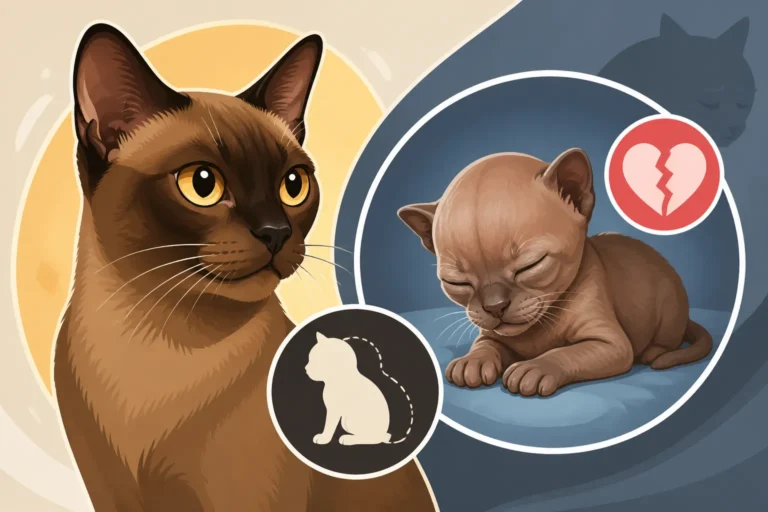
Imagine the tiny, delicate rib cage of a newborn kitten. Normally, it's a rounded, barrel-like structure, allowing the lungs ample space to inflate and the heart to beat freely. In a kitten with Flat Chested Kitten Syndrome, this natural curvature is absent. Instead, the chest wall appears compressed or flattened, usually from side to side, giving the kitten a somewhat "pancaked" appearance. This flattening can range from mild indentations that might self-correct, to severe malformations where the sternum (breastbone) is visibly sunken or pushed inwards, sometimes even protruding.
The visual cues can be subtle at first. You might notice a kitten lying on its side more often, or its belly appearing disproportionately large compared to its chest. When you gently palpate the rib cage, instead of feeling a gentle curve, you'll feel a distinct flatness. This inward pressure on the chest cavity has profound implications. The lungs might not be able to fully expand, leading to reduced oxygen intake, and the heart can be pushed out of its normal position, affecting its function. Sometimes, the abdomen might appear distended as the internal organs are pushed downwards. This condition isn't always immediately life-threatening, but it can quickly become so if severe, making early identification paramount.
Why Burmese Kittens Are Particularly Susceptible
While the exact genetic mechanism of FCKS isn't fully understood, or at least not universally agreed upon across all breeds, there's enough anecdotal and observational evidence within the cat fancy to suggest a breed predisposition, and the Burmese is frequently cited among them. It's believed to be a polygenic condition, meaning multiple genes, possibly combined with environmental factors, contribute to its occurrence, rather than a single gene defect that can be easily tested for like some other health issues.
Some theories suggest a possible link to rapid growth in utero, leading to insufficient skeletal development, or perhaps a deficiency in certain nutrients during pregnancy, though these are still areas of ongoing research. What breeders and veterinarians have observed is that Burmese litters, particularly those with large litter sizes (and it's worth noting that Burmese queens often have relatively large litters, which can be a contributing factor to various developmental issues), seem to have a higher incidence of FCKS compared to many other breeds. This susceptibility means that while all kittens should be checked, a Burmese kitten's first exam should specifically include a thorough chest palpation, because the risk is simply higher here. This isn't to say every Burmese kitten will have it, or that other breeds are immune, but the likelihood in Burmese justifies a heightened level of vigilance from birth.
The Critical Importance of Early Detection
The stakes with Flat Chested Kitten Syndrome are incredibly high. Unlike some conditions that develop over time, FCKS impacts a kitten's most fundamental physiological processes – breathing and organ function – right from birth. Missing the signs in the crucial first days or weeks can mean the difference between a kitten that recovers and thrives, and one that succumbs to respiratory distress or complications. It truly highlights why early detection isn't just good practice; it's absolutely critical for the survival and long-term health of these vulnerable babies.
What to Look For: Signs and Symptoms
Identifying FCKS requires a keen eye and a gentle touch, especially since newborn kittens are fragile. Immediately after birth, or within the first few hours, a breeder or attentive owner should perform a gentle yet thorough physical examination. Start by visually inspecting the kitten while it's resting. Does its chest appear unusually flat or sunken? A healthy kitten will have a gently rounded chest. Observe its breathing: Is it labored? Are the flanks sucking in excessively with each breath? Normal kitten breathing is quiet and regular, without obvious effort.
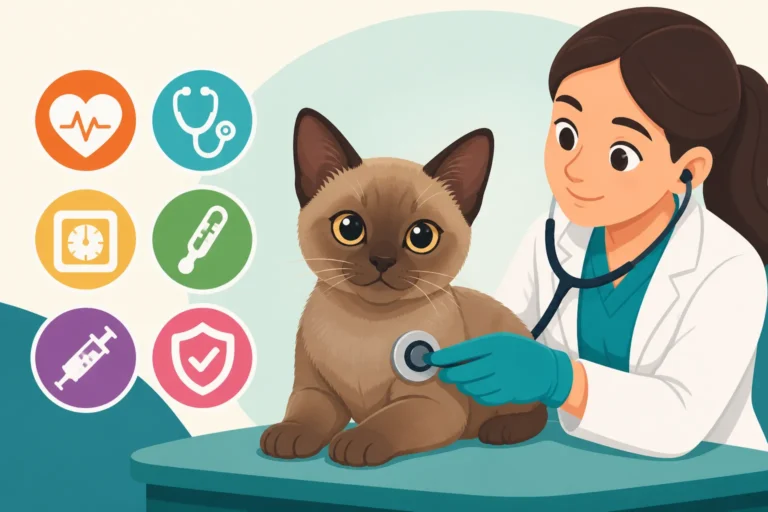
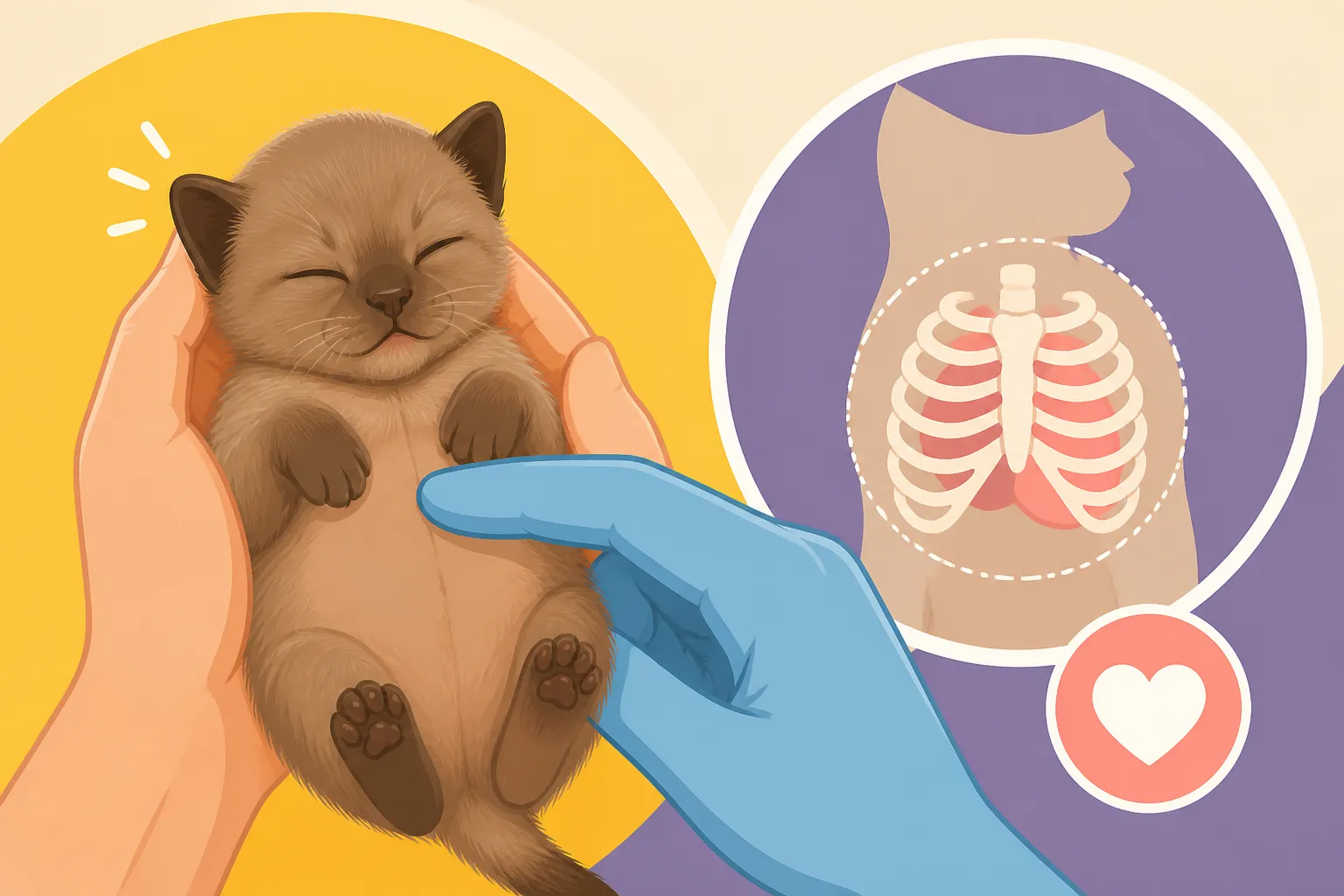
Next, gently palpate the chest area. Hold the kitten securely but gently in your hand and run your fingers along its rib cage. You're feeling for the natural curve of the ribs. If you feel a distinct flatness, an inward indentation, or even a sharp ridge where the sternum should be rounded, that's a red flag. Beyond the initial visual and tactile checks, continue monitoring the kitten's behavior. A kitten struggling with FCKS might be less active, have difficulty nursing, or appear weaker than its littermates. They might seem to tire quickly, which is a sign of oxygen deprivation. Keeping a close eye on their overall energy levels, their ability to compete for a nipple, and their weight gain is crucial. Why a Burmese kitten needs an early vet check is precisely to identify such critical developmental issues.
The Impact on Internal Organs and Respiration
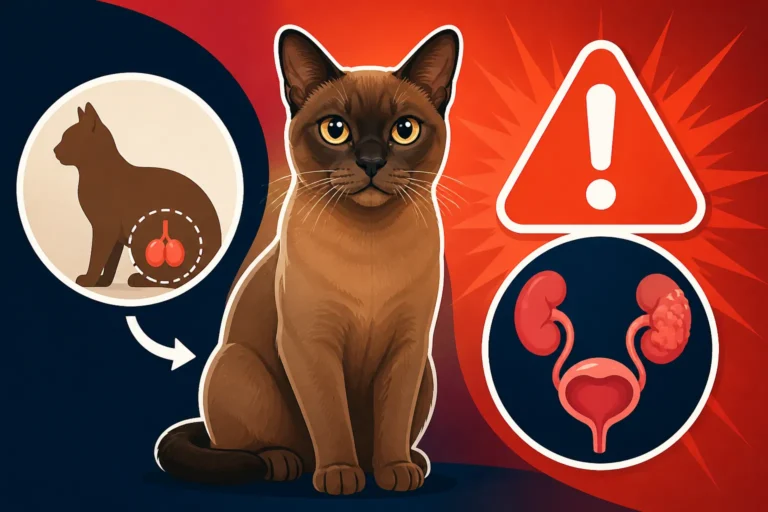
The flattened chest wall directly compromises the space available for the kitten's lungs and heart. Imagine trying to inflate a balloon in a squashed box – it simply can't expand to its full capacity. This is what happens with FCKS. The lungs, unable to fully expand, cannot take in enough oxygen or efficiently expel carbon dioxide. This leads to hypoxia, a state of oxygen deficiency, which can be devastating for a developing kitten. Their tiny bodies are working overtime just to breathe, leading to exhaustion and a failure to thrive.
Furthermore, the abnormal chest structure can put pressure on the heart, potentially displacing it or making it work harder to pump blood. This added strain can lead to cardiac issues down the line. In severe cases, the diaphragm, the muscle critical for breathing, can also be affected, leading to further respiratory compromise. Over time, if the condition doesn't resolve or isn't managed, the constant struggle to breathe can lead to permanent damage to the lungs and heart, affecting the kitten's long-term health and lifespan, even if they initially survive. This highlights why early intervention and ongoing veterinary guidance are non-negotiable for an affected kitten.
How Breeders Can Screen for Flat Chest Syndrome
For responsible breeders, screening for Flat Chested Kitten Syndrome (FCKS) isn't just a recommendation; it's a fundamental part of ethical breeding practices. Their diligence in the first hours and weeks of a kitten's life can significantly influence its outcome. It’s a hands-on, meticulous process that requires attention to detail and a proactive approach, ensuring that every little one gets the best possible start.
The Birth Day Check: First Hours Are Key
The moment a Burmese kitten is born, the clock starts ticking for essential health checks. The initial hours are absolutely critical for identifying FCKS. As soon as each kitten arrives and is cleaned by the queen, or assisted by the breeder, a brief but thorough examination should be performed. Gently hold the kitten and feel its chest. You're not looking for perfection, as some very mild cases can appear as a slight dip, but you are specifically feeling for any pronounced flatness or inward compression of the rib cage.
Use your thumb and forefinger to gently palpate the entire chest area, from the sternum to the sides, noting any unusual rigidity or lack of roundness. A healthy kitten's chest should feel supple and rounded, like a small barrel. If you detect any flatness, it's essential to note it immediately. Some breeders even employ a "card test" where a stiff piece of card or a ruler is gently placed across the kitten's chest. If the card rests flat across the ribs without any gap, it suggests a flat chest. If there's a visible gap indicating a rounded chest, that's a good sign. This initial check is the first line of defense and should be recorded for each kitten in the litter.
Ongoing Monitoring Through the First Few Weeks
The birth day check is just the beginning. FCKS can sometimes manifest or worsen over the first few days or even weeks of a kitten's life. Therefore, diligent, ongoing monitoring is essential. Breeders should perform daily checks on all kittens, visually inspecting their chest shape and observing their breathing patterns. Are they breathing comfortably, or do they seem to be working harder than their littermates? Are their bellies heaving with each breath, or do you notice a significant sucking-in of the sides?
Beyond visual inspection, regular palpation of the chest should continue. As the kitten grows, the chest structure might either improve or, in more severe cases, become more pronounced. Keeping track of individual kitten weights is also vital; a kitten struggling with FCKS might not gain weight as rapidly as its siblings due to the energy expended on breathing and difficulty nursing. A healthy Burmese kitten grows quickly, and tracking its weight monthly from a young age is a crucial part of monitoring its overall health. If a kitten seems lethargic, isn't feeding well, or shows signs of respiratory distress, immediate veterinary consultation is necessary.
Documenting and Communicating Findings
Transparency and meticulous record-keeping are hallmarks of responsible breeding. Any findings related to FCKS, even mild ones that seem to resolve, should be meticulously documented. This includes notes on the severity, date of observation, any interventions, and the kitten's progress. Photos and even short videos can be invaluable for tracking changes over time and for consulting with a veterinarian.
This documentation serves multiple purposes: it helps the breeder track potential patterns within their lines, aids in informing veterinary care, and most importantly, allows for honest communication with potential new owners. A reputable breeder will always disclose any health concerns, past or present, associated with a kitten. They should be able to tell you whether a flat chested Burmese kitten recovers and what measures were taken. This level of honesty builds trust and ensures that new owners are fully informed about their kitten's health history, allowing them to make educated decisions and provide appropriate care from day one. Brands like Healthy Paws, for example, encourage this transparency by often having waiting periods for pre-existing conditions, making early disclosure and a clear health history invaluable for securing proper insurance coverage.
Managing and Treating a Burmese Kitten with FCKS
Discovering that a tiny Burmese kitten has Flat Chested Kitten Syndrome can be heartbreaking, but it's not always a death sentence. While severe cases can be devastating, many kittens, especially those with mild to moderate flattening, can recover and go on to live full, happy lives with the right management and supportive care. It's a testament to their resilience and the dedication of those who care for them.
Supportive Care and Environmental Adjustments
For kittens diagnosed with FCKS, supportive care is paramount, particularly in the critical first few weeks. One of the most important aspects is ensuring the kitten is kept warm. Burmese kittens, with their short, fine coats, are more susceptible to feeling the cold, and maintaining a consistent, warm environment helps conserve energy that would otherwise be spent on thermoregulation. A heated bed or a warm incubator can make a significant difference.
Gentle positioning is another key element. Avoid placing pressure on the kitten's chest. Some breeders find that elevating the kitten's front half slightly or encouraging them to lie on their side can help alleviate pressure on the lungs and diaphragm. Regular, gentle massage of the chest might also be recommended by some veterinarians, though this should always be done with extreme caution and professional guidance. Ensuring consistent nutrition is also vital. A kitten struggling to breathe might have difficulty nursing effectively, so supplemental feeding via syringe might be necessary to ensure they receive enough calories and nutrients to support growth and recovery.
When to Seek Veterinary Intervention
While supportive care at home is crucial, there are clear instances when immediate veterinary intervention becomes essential. If a kitten exhibits severe respiratory distress—labored breathing, gasping, blue-tinged gums, or frequent open-mouth breathing—it's an emergency. These are signs that the kitten isn't getting enough oxygen and needs professional medical attention immediately.
A veterinarian can assess the severity of the flattening through physical examination and potentially imaging techniques like X-rays, which can reveal the extent of lung compression and heart displacement. They may provide oxygen therapy, administer medications to reduce inflammation or open airways, or explore more aggressive interventions if necessary. Sometimes, a vet might recommend a specialized "splint" or brace for the chest, although this is a controversial and less common approach. Ultimately, any sign of worsening condition, failure to thrive, or significant discomfort warrants a vet visit. Early consultation can often prevent the condition from escalating to a critical stage.
Long-Term Prognosis and Quality of Life
The long-term prognosis for a Burmese kitten with FCKS varies significantly depending on the initial severity and the effectiveness of early intervention. Kittens with very mild flattening often recover completely within a few weeks, with their chest reshaping as they grow and strengthen. The elasticity of their young bones allows for this natural remodeling. For these kittens, the quality of life is generally excellent, with no lasting health impacts.
However, for those with more moderate to severe flattening, the prognosis can be more guarded. While many can still recover, they might be left with some degree of residual chest wall deformity. This could potentially lead to lifelong respiratory sensitivities, such as being more prone to respiratory infections or having reduced exercise tolerance. It's rare, but sometimes there can be long-term cardiac implications if the heart was severely compressed. Regular veterinary check-ups throughout their life are important to monitor for any delayed complications. Despite these potential challenges, with dedicated care and watchful owners, many formerly flat-chested Burmese can indeed lead wonderfully full and affectionate lives, embodying the breed's famous Velcro cat personality.
The Ethical Responsibilities of a Burmese Breeder
The role of a Burmese breeder extends far beyond simply mating two cats and selling the resulting kittens. It's a profound ethical responsibility that encompasses genetics, health, socialization, and the overall well-being of every life they bring into the world. When it comes to conditions like Flat Chested Kitten Syndrome, this responsibility becomes even more critical, demanding vigilance, transparency, and a commitment to the long-term health of the breed.
Screening Parents for Contributing Factors
While Flat Chested Kitten Syndrome isn't a simple Mendelian genetic disease with a direct DNA test, responsible breeders still play a crucial role in minimizing its occurrence. This involves careful selection of breeding pairs, with an emphasis on robust health and strong conformation. Although there isn't a specific "FCKS gene" test, breeders should be acutely aware of any history of FCKS in their lines. If a particular pairing consistently produces flat-chested kittens, that pairing should not be repeated. Similarly, if a cat repeatedly produces affected kittens, they should be retired from breeding.
This means maintaining detailed records of all litters, including health outcomes for each kitten. It's about looking at the bigger picture of genetic health, not just for FCKS, but also for other breed-specific conditions like diabetes and hypokalemia. For instance, any breeder should ensure they follow what a Burmese breeder must test before any mating, which includes genetic screening for known inherited conditions. While FCKS is more complex, a commitment to overall health and vitality in breeding lines is the best preventative measure, alongside the immediate post-birth checks.
Transparency with Potential Owners
One of the most vital ethical responsibilities of a breeder is complete and utter transparency with potential kitten owners. If a kitten has had FCKS, even a mild case that resolved, this information must be disclosed. This isn't about scaring off buyers; it's about empowering them to make informed decisions and be prepared for their kitten's unique health history. A reputable breeder will openly discuss any health issues in their lines, offer guidance on care, and be available for support after the kitten goes home.
They should provide all health records, including details of the FCKS diagnosis, treatment, and recovery. This level of honesty allows new owners to discuss the history with their own veterinarian and consider appropriate pet insurance, such as through providers like Healthy Paws, knowing full well what aspects of their pet's health history might be considered pre-existing conditions. An ethical breeder understands that their responsibility doesn't end when the kitten leaves their home; it's a lifelong commitment to the well-being of the cats they've bred.
Responsible Placement of Affected Kittens
The decision of where to place a kitten that has suffered from FCKS, even if it has seemingly recovered, is another ethical consideration. For a kitten with a history of severe FCKS that may have long-term health implications, careful screening of potential owners is even more important. These kittens need homes with owners who are fully aware of the potential for ongoing health needs, who are committed to regular veterinary care, and who understand that their cat might require a bit more attention or have certain limitations.
Sometimes, a breeder might choose to place such a kitten in a loving pet home with a reduced adoption fee, or even retain it themselves, ensuring it receives the best possible care for its entire life. The goal is always to find a home where the kitten's needs will be fully met, and where the owners are prepared for the commitment involved. Selling a kitten with a known health history without full disclosure, or to an unprepared owner, is not only unethical but can lead to heartbreak and potential rehoming later down the line.
What New Owners Need to Know and Do
Bringing a Burmese kitten into your home is an incredible joy, but it also comes with a significant responsibility, especially when considering breed-specific health concerns like Flat Chested Kitten Syndrome. For new owners, being prepared and proactive is key to ensuring their kitten thrives. This means understanding your role in ongoing monitoring, preparing for potential health costs, and knowing how to advocate for your new family member.
Your Role in Ongoing Monitoring
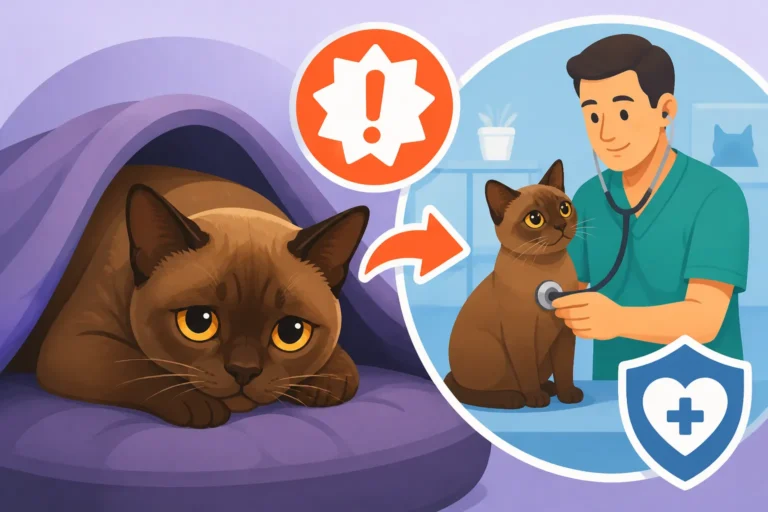
Even if your Burmese kitten was given a clean bill of health by the breeder and veterinarian before coming home, your role in its health monitoring is continuous. Remember, a Burmese hides illness behind its affection, so vigilance is always necessary. Pay attention to your kitten's breathing patterns. Are they quiet and effortless, or do you notice any signs of labored breathing, such as rapid shallow breaths, heavy panting without exertion, or visible effort from the abdomen?
Gently feel your kitten's chest periodically as it grows. The chest should remain rounded and symmetrical. Watch their energy levels and appetite. Are they playing vigorously, maintaining good weight, and eating well? If you notice any changes in their breathing, a sudden drop in energy, a persistent cough, or any visible change in their chest shape, contact your veterinarian immediately. It’s always better to be overly cautious than to miss a subtle sign that could indicate a problem. Schedule regular veterinary check-ups as recommended by your vet, and ensure you discuss any past health history, including resolved FCKS cases, during these visits.
Preparing for Potential Veterinary Costs
Understanding that a Burmese kitten, like any purebred animal, can be prone to certain health conditions means being financially prepared for potential veterinary costs. Flat Chested Kitten Syndrome, even when successfully managed, might necessitate additional vet visits, diagnostics, or supportive care. Having a financial plan in place is crucial. This could involve setting aside an emergency fund specifically for your pet's health.
Another excellent option to consider is pet insurance. Providers like Healthy Paws offer coverage for unexpected illnesses and accidents, which can significantly alleviate the financial burden if your kitten requires extensive medical care. It's wise to research and enroll in a policy as early as possible, ideally before any symptoms of any condition arise, as most policies have waiting periods and exclusions for pre-existing conditions. Understanding what diabetes costs a Burmese owner a year, for instance, can give you an idea of potential lifelong costs if another breed-specific condition develops, making insurance a sensible investment for overall peace of mind.
Advocating for Your Kitten's Health
As a new owner, you are your kitten's primary advocate. If you have concerns about your Burmese kitten's chest, breathing, or general well-being, don't hesitate to voice them to your veterinarian. If you feel your concerns aren't being fully addressed, it's perfectly acceptable to seek a second opinion from another vet or even a specialist. A good veterinarian will appreciate an engaged and proactive owner.
Be prepared to ask questions, take notes during vet visits, and follow instructions diligently. Discuss your kitten's diet, exercise, and any environmental factors that might influence its health. The more informed and involved you are, the better you can ensure your Burmese kitten receives the optimal care it needs to thrive. Your dedication and vigilance are key components in safeguarding the health and happiness of your beloved companion for the sixteen to eighteen years a well bred Burmese gets.
| Severity of FCKS | Appearance | Breathing | Activity/Feeding | Prognosis |
|---|---|---|---|---|
| Mild | Slight flattening, often subtle, may be asymmetrical. | Generally normal, no obvious distress. | Normal activity, nurses well. | Excellent; often self-corrects within weeks. |
| Moderate | Noticeable flattening, chest may appear compressed. | May show slight effort, mild rapid breathing. | May tire easily, might struggle slightly with nursing. | Good; often recovers with supportive care, may have mild residual deformity. |
| Severe | Pronounced "pancaked" appearance, sternum sunken or protruding. | Labored breathing, gasping, open-mouth breathing, flared nostrils. | Lethargy, poor nursing, failure to thrive, blue gums. | Guarded to Poor; requires immediate intensive vet care, potential for long-term issues or mortality. |
Disclaimer
This article is intended for informational purposes only and does not constitute veterinary advice. Always consult with a qualified veterinarian for any health concerns or before making any decisions about your pet's medical care.