When CFA Recognized the Burmese for Championship
For anyone delving into the rich history of the Burmese cat, it's easy to get lost in the tale of its fascinating origins. From its journey across continents to its scientific study, the path to official recognition by prominent organizations like the Cat Fanciers' Association (CFA) is a story worth knowing. This guide aims to clear up any confusion and detail exactly when the CFA recognized the Burmese for championship status, a milestone that solidified its place in the cat fancy.
The Genesis of the Burmese: Wong Mau and Early Genetics
The story of the Burmese cat truly begins in the early 1930s with a remarkable cat named Wong Mau. This small, dark brown female, imported from Burma (now Myanmar) to San Francisco by Dr. Joseph C. Thompson, was unlike any other cat known in the Western world at the time. While she superficially resembled a Siamese, her body color was a solid, rich sable brown, rather than the pale body with dark points characteristic of the Siamese. Dr. Thompson, a U.S. Navy medical psychologist, was immediately captivated by her unique appearance and set about unraveling her genetic mystery.
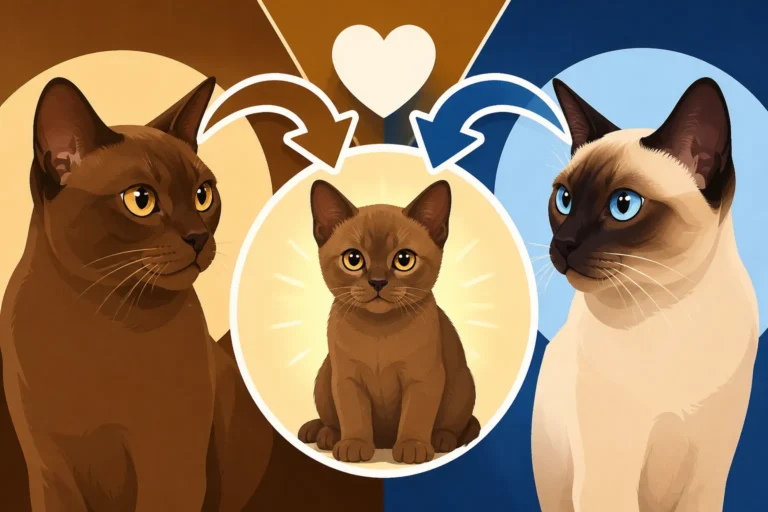
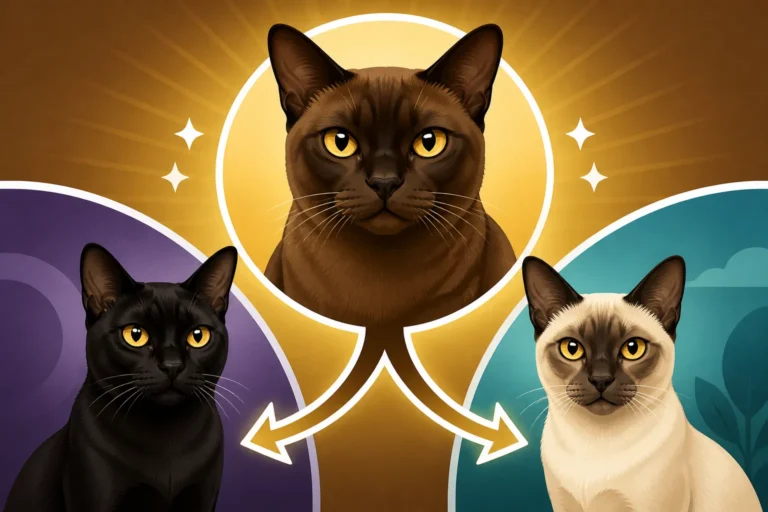
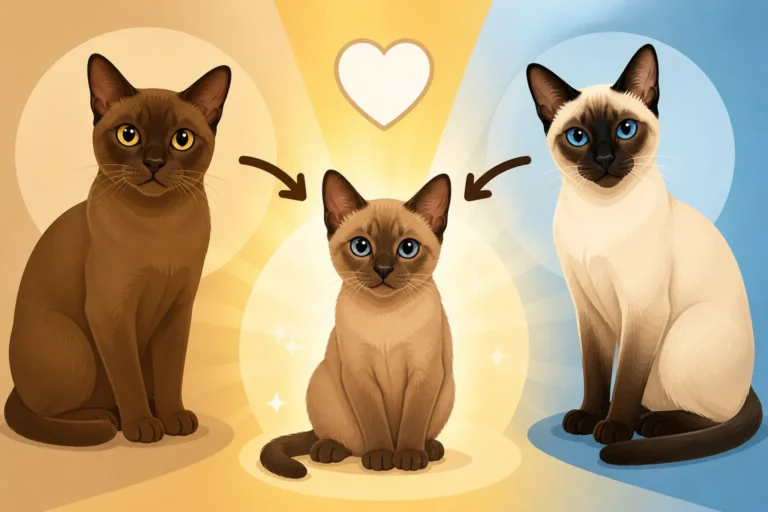
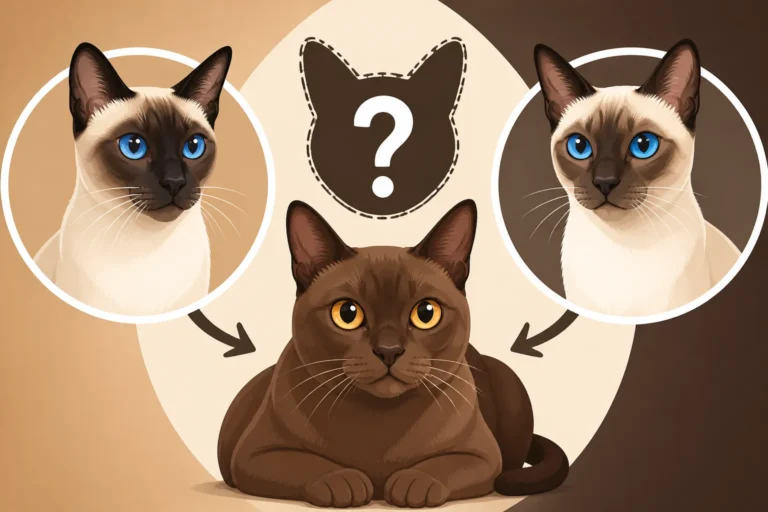
To understand Wong Mau's genetic makeup, Dr. Thompson decided to breed her to a Siamese cat. This might seem counterintuitive for establishing a new breed, but it was a deliberate scientific experiment designed to reveal the hidden genes within Wong Mau. The resulting litter was truly eye-opening, producing three distinct types of kittens: some resembled the Siamese parent with pale bodies and dark points, others were dark brown like Wong Mau, and a third group had an intermediate appearance, a warmer brown with slightly darker points, which we now know as the Tonkinese pattern. This initial breeding experiment, as detailed in What the First Burmese Litter Told Thompson, was crucial.
This groundbreaking work proved that Wong Mau was not merely a dark Siamese, but a hybrid carrying both the Siamese gene (which causes color points) and a new, distinct gene responsible for her unique dark body color. This new gene, later identified as the cb allele, expresses itself differently depending on whether it's paired with another cb gene (resulting in a Burmese) or a Siamese gene (resulting in a Tonkinese). It laid the scientific foundation for recognizing the Burmese as a separate and distinct breed. The initial efforts were not just about creating pretty cats; they were about rigorous genetic study, something quite advanced for the time in the world of cat breeding.
CFA's Initial Embrace and Subsequent Suspension
With the genetic puzzle pieces falling into place, the beauty and distinct personality of the Burmese began to capture the hearts of American cat fanciers. The breed quickly gained popularity, known for its stunning satin coat, compact muscular build, and incredibly affectionate, dog-like temperament. This growing appreciation led to a significant milestone: the Cat Fanciers' Association (CFA) granted the Burmese provisional recognition in 1936. This was an exciting time, signaling that the breed was on its way to full championship status, allowing Burmese cats to compete for top honors in the show ring.
However, this early recognition, while celebrated, also opened the door to a critical challenge. The initial breeding protocol, which involved outcrossing to Siamese cats, led to widespread confusion and, unfortunately, unethical breeding practices. Some less scrupulous breeders began to cross Burmese cats with Siamese indiscriminately, and worse, some were passing off these first-generation hybrids – the "Tonkinese-like" cats with their intermediate coloring – as purebred Burmese. This created a significant problem within the fledgling breed, leading to an inconsistent appearance and dilution of the true Burmese type. The CFA became increasingly concerned about the integrity of the breed standard.
The frustration among dedicated breeders and the CFA was palpable. The influx of these "Siamese hybrids" flooding Burmese registration forms made it incredibly difficult to verify true Burmese pedigrees and maintain the distinct characteristics that Dr. Thompson had so carefully identified. This was a critical period, and the CFA, to safeguard the purity of the breed, took decisive action. In 1947, just over a decade after its initial provisional recognition, the CFA made the difficult decision to suspend the registration of the Burmese. This was a dramatic blow, essentially putting the brakes on the breed's progress within the CFA, and it deeply impacted those who had invested so much in its legitimate development. You can imagine the concern for proper lineage and care, and resources like Chewy had yet to become the go-to for breeders to confidently source specialized food and supplies for their developing lines.
The Long Road to Championship Reinstatement
The suspension by the CFA was a stark reminder that simply having a unique cat wasn't enough; purity and consistent adherence to a breed standard were paramount. This period, though challenging, ultimately served to strengthen the Burmese breed. Dedicated breeders, undeterred by the setback, committed themselves to rigorous breeding programs aimed at eliminating the Siamese hybrids and solidifying the true Burmese type. The CFA outlined stringent requirements for reinstatement, the most critical of which was the "three generations pure" rule.
This rule meant that for a Burmese cat to be eligible for CFA registration, its pedigree had to show at least three consecutive generations of pure Burmese ancestry, with no Siamese outcrosses. This was a monumental task for breeders, requiring meticulous record-keeping, careful selection of breeding cats, and a deep understanding of Burmese genetics. It wasn't about quick results; it was about patience, dedication, and a commitment to the long-term health and integrity of the breed. Breeders worked tirelessly, often sharing knowledge and bloodlines to ensure they could meet the strict criteria. This was a time when the community rallied together to prove the viability and distinctness of their beloved cats.
Finally, after years of diligent work and demonstrable purity, the Burmese was reinstated by the CFA. In 1956, the breed achieved full championship status. This was a triumphant moment, signifying that the Burmese had not only proven its unique genetic identity but had also established a robust and consistently pure lineage. It was a testament to the perseverance of those early fanciers who understood the breed's true value. The reinstatement allowed Burmese cats to once again compete for championship titles, helping to popularize the breed further and ensuring that future generations would adhere to a strict and well-defined standard. This renewed recognition spurred breeders to consider comprehensive care, from specialized diets to enrichment, and online retailers like Chewy eventually made it easier for owners to access everything their Burmese might need.
The journey of the Burmese through the CFA's recognition process highlights the importance of responsible breeding and the challenges faced in establishing new breeds. The split into American and European Burmese types later emerged, each with slightly different standards, but both owe a debt to this foundational period of proving purity. Today, a Burmese's pedigree is a window into this careful history, reflecting decades of effort. Owners who acquire a Burmese often continue this tradition of care, seeking out quality products on platforms like Chewy to support their cat's health.
Here is a summary of the CFA's key milestones for the Burmese breed:
| Year | Event | Significance |
|---|---|---|
| 1930 | Wong Mau arrives in the U.S. | Foundation cat for the entire breed, triggering scientific study and breeding programs. |
| 1936 | CFA Grants Provisional Recognition | First official step towards full breed status, allowing exhibition but not championship competition. |
| 1947 | CFA Suspends Burmese Registration | Response to widespread indiscriminate breeding with Siamese and the resulting genetic dilution. |
| 1956 | CFA Reinstates Championship Status | Acknowledgment of proven purity and consistent adherence to breed standards, allowing competition for titles. |
The careful management of a Burmese cat's health, particularly its unique dietary needs due to its predisposition to certain conditions, became even more critical as the breed gained official standing. For instance, understanding Why a Burmese Is Four Times More Likely to Become Diabetic became a cornerstone of responsible ownership. Breeders continued to focus on producing healthy, well-socialized kittens, knowing that the breed's future depended on it. This commitment to health extends to understanding issues like Hypokalemia Is the Burmese Disease With a DNA Test and ensuring breeders are performing Which Tests Belong on a Burmese DNA Panel.
After recognition, the breed continued to evolve, with dedicated individuals working tirelessly to refine the Burmese standard. You'll find many resources for maintaining the health and happiness of these wonderful cats, whether it's understanding Why Portion Control Is Medical Care in a Burmese or simply learning about their lifespan in How Many Years a Well Bred Burmese Lives. The dedication of the Burmese community meant that once they had fought for and won recognition, they were committed to upholding the breed's integrity and welfare for generations to come. This history reminds us that every purebred cat has a story of human passion, scientific inquiry, and sometimes, a little controversy.
Disclaimer
This article is for general informational purposes only and does not constitute professional advice. Laws, prices and regulations vary by location and change over time. Consult a qualified professional for guidance on your specific situation.