How Many Diabetic Burmese Go Into Remission
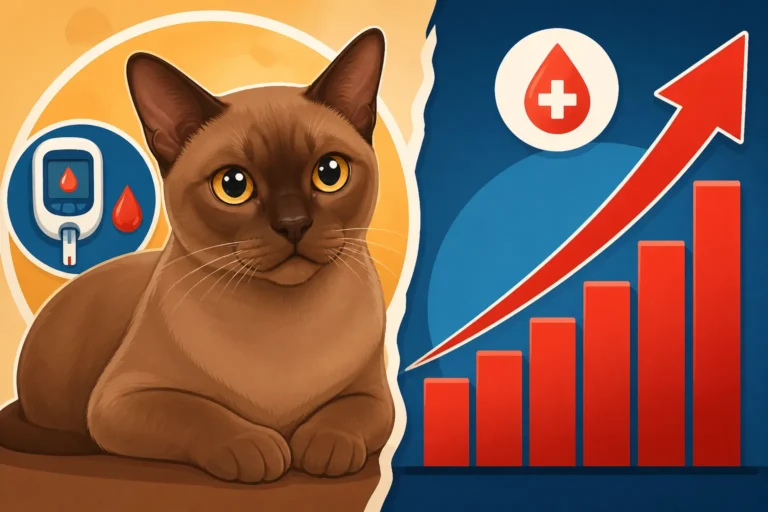
Discovering your beloved Burmese cat has diabetes can be incredibly unsettling, bringing a wave of worry about their health, their future, and the daily challenges of managing such a condition. Many dedicated owners dream of a day their furry companion might no longer need daily insulin. This guide aims to shed light on how many diabetic Burmese cats can achieve remission and what steps you can take to make that hopeful outcome a reality.
Understanding Diabetes in Burmese Cats
The news that your cherished Burmese has diabetes often feels like a punch to the gut. It's a serious condition, but it's important to understand why Burmese cats are particularly susceptible and what it means for their initial care. You're not alone in facing this, and the first step is always knowledge.
Why Burmese Cats Are Prone to Diabetes
It's a frustrating reality that our beautiful Burmese companions are genetically predisposed to certain health issues, and diabetes mellitus is, unfortunately, at the top of that list. Unlike many other breeds, Burmese cats have a significantly higher incidence of type 2 diabetes, often developing it at a younger age. Studies, particularly those involving Australian and European Burmese lines, have identified genetic markers that contribute to this heightened risk, linking it to impaired insulin secretion and insulin resistance. It's not just about diet or lifestyle, though those play a huge role; there's a fundamental vulnerability embedded in their genetic makeup. This means that even with the best care, your Burmese could still develop diabetes, which can be disheartening for owners who feel they've done everything right. Understanding that this predisposition exists can help you be vigilant from an early age and implement preventive measures, like understanding why a Burmese is four times more likely to become diabetic.
Recognizing the Signs of Diabetes
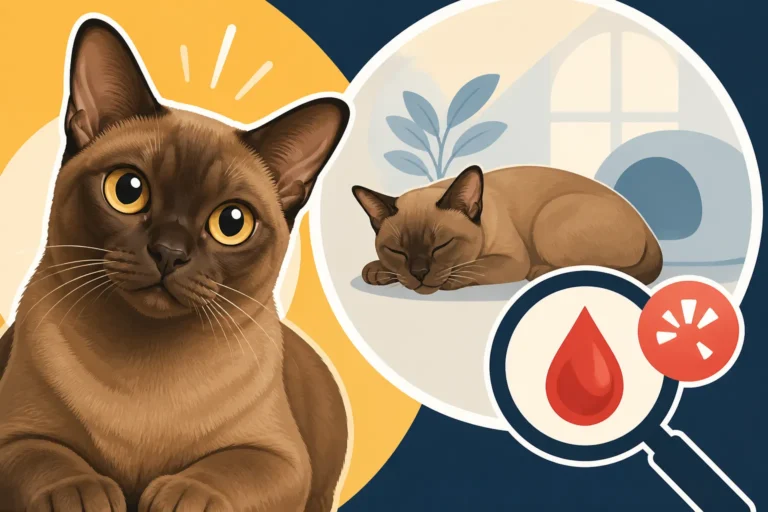
Catching diabetes early is crucial for the best prognosis, including the chance of remission. The initial signs of diabetes in a Burmese cat can be subtle, but they generally revolve around changes in appetite, thirst, and urination. You might notice your cat suddenly ravenous, constantly begging for food, yet paradoxically losing weight. This is because their body isn't effectively using glucose for energy, so it's always "hungry" even as it wastes away. Another tell-tale sign is increased thirst and urination. You'll find yourself refilling the water bowl more often and scooping a much fuller litter box. This excessive drinking and peeing, known as polydipsia and polyuria, are direct results of the body trying to flush out excess sugar through the kidneys. Lethargy, a dull coat, or even changes in their playful nature can also be indicators. If you notice any of these symptoms, especially why a Burmese drinking more needs testing that week, don't delay a vet visit.
The Initial Diagnosis and Management
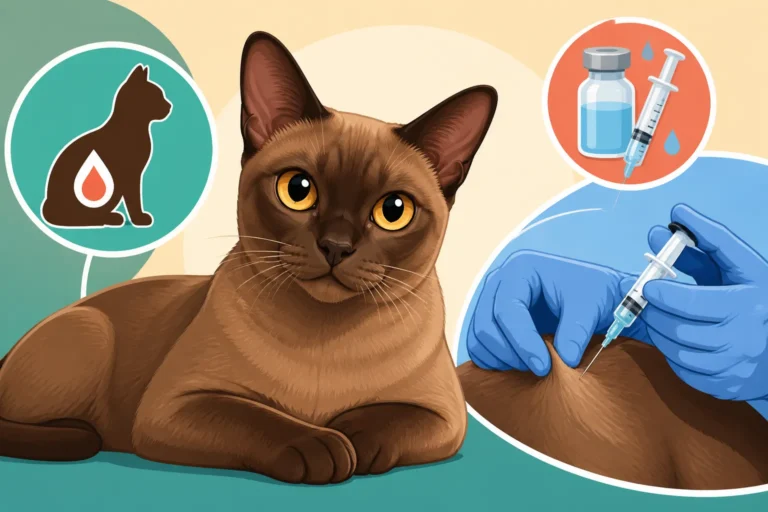
When you suspect diabetes, your vet will perform several tests to confirm the diagnosis. A urinalysis will likely show glucose in the urine, which is a strong indicator. Blood tests will reveal elevated blood glucose levels. However, cats can get stressed at the vet, which can temporarily spike their blood sugar, making a definitive diagnosis tricky. This is where a fructosamine test comes in handy. This test measures the average blood glucose over the past two to three weeks, giving a more accurate picture of your cat's glucose control and helping your vet understand how a diabetic Burmese is diagnosed. Once diabetes is confirmed, the immediate goal is stabilization. This usually involves starting insulin injections – a daunting prospect for many owners, but one that quickly becomes routine. Your vet will prescribe the appropriate insulin type and dosage, and teach you how to administer it. Alongside insulin, dietary changes are paramount. This initial phase is critical, as quickly getting glucose levels under control is a major predictor of remission success.
The Path to Diabetic Remission
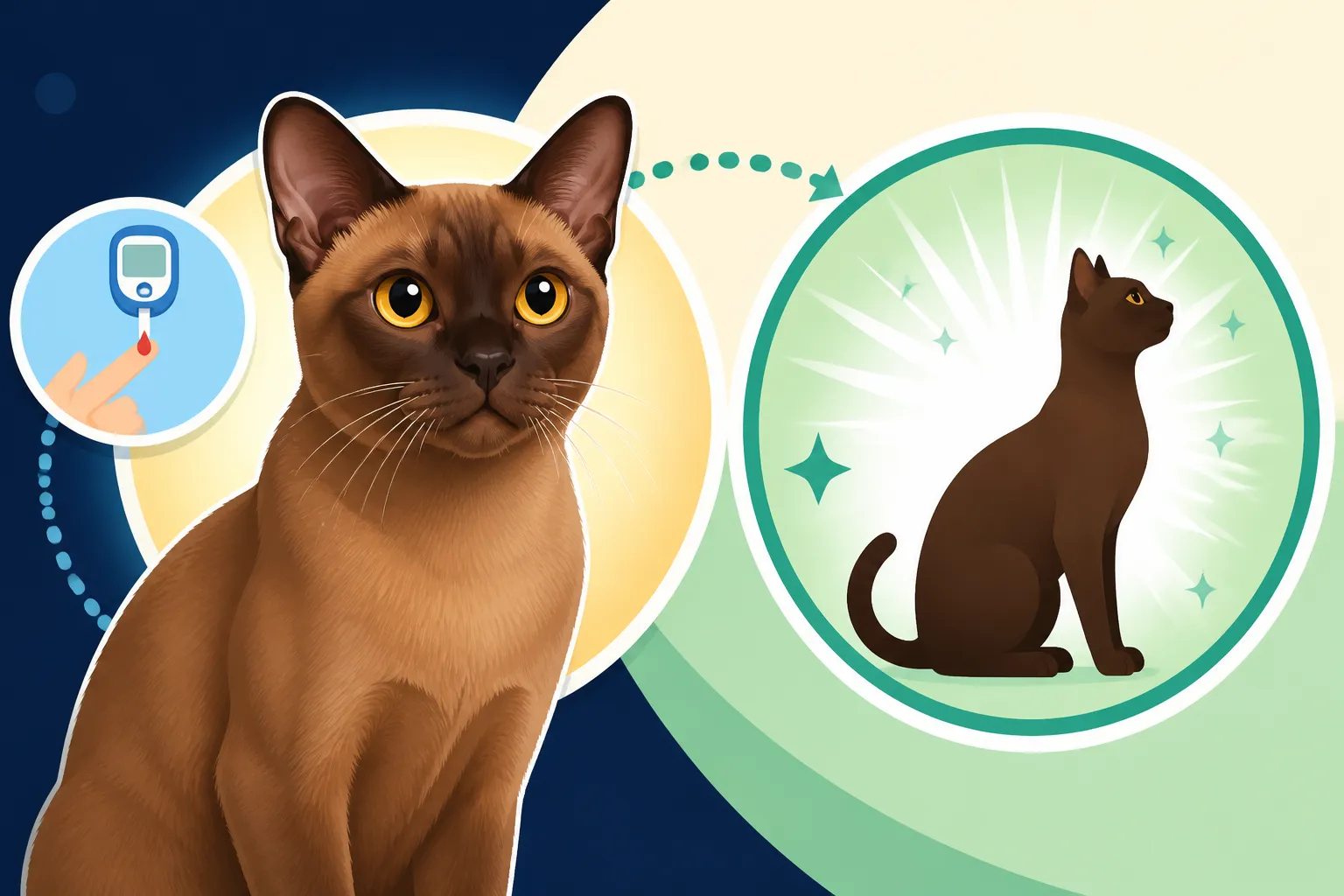
The idea of your Burmese going into diabetic remission is a powerful motivator. It’s not a guarantee, but it’s absolutely a realistic goal for many, especially if the disease is caught and managed aggressively in its early stages. Remission means that your cat's blood glucose levels return to normal without the need for insulin injections.
The Role of Diet and Weight Management
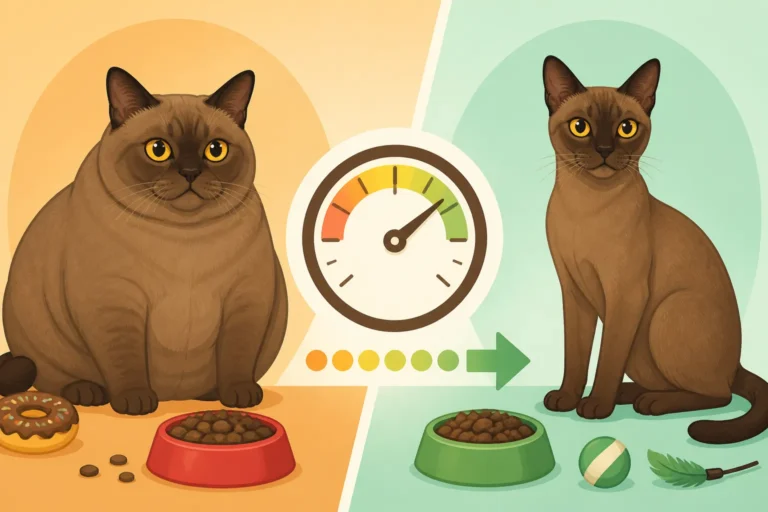
When we talk about diabetic remission in Burmese cats, diet isn't just part of the solution – it's often the solution, working hand-in-hand with insulin to bring glucose levels down. A low-carbohydrate, high-protein diet is non-negotiable for a diabetic Burmese. Think about it: carbohydrates break down into sugar, which is exactly what a diabetic body struggles to process. By drastically reducing carbs, we reduce the glucose load on their system, giving the pancreas a much-needed break and often allowing it to recover some function. This means saying goodbye to dry kibble for good, as even "diabetic" kibbles can be too high in carbs. Instead, focus on high-quality wet food that lists meat as the primary ingredient.
Weight management is equally vital. Many diabetic Burmese cats are overweight or obese, which contributes significantly to insulin resistance. Losing even a small amount of weight can dramatically improve insulin sensitivity. This requires strict portion control – no free-feeding, ever. Every meal should be weighed, not scooped, to ensure accuracy. For a Burmese, why weight is the only lever a Burmese owner has is particularly true given their genetic predisposition. Implementing a healthy diet early, even before a diagnosis, is a key preventative measure. Your vet can help you calculate the ideal calorie intake for your cat's target weight.
Insulin Therapy and Monitoring
While diet is a cornerstone, insulin therapy is often necessary to stabilize a newly diagnosed diabetic Burmese. The goal of insulin is to bring your cat's blood glucose levels down to a safe range, preventing the immediate dangers of hyperglycemia. Your vet will start with a low dose and then perform glucose curves to monitor your cat's response. This involves taking multiple blood glucose readings over a 12-24 hour period to see how the insulin is working throughout the day. This might be done at the clinic initially, but many owners learn how to monitor a Burmese on insulin at home. This regular home monitoring is incredibly empowering, allowing you to track your cat's progress and work closely with your vet to adjust insulin doses.
The commitment to consistent insulin injections, usually twice a day, every 12 hours, is paramount. Missing doses or giving inconsistent amounts can hinder remission progress. It's a significant time commitment, but knowing it could lead to remission helps many owners stay the course. This period of insulin therapy, combined with the right diet, allows the pancreas to rest and potentially regain its ability to produce enough insulin on its own.
Key Factors Influencing Remission Success
Not every diabetic Burmese cat will achieve remission, and it's important to have realistic expectations while still aiming for the best possible outcome. Several factors play a significant role in the likelihood of remission:
| Factor | Impact on Remission Success |
|---|---|
| Early Diagnosis & Treatment | The sooner diabetes is caught and treated, the higher the chance of remission. |
| Strict Low-Carb Diet | Essential for reducing glucose load and allowing pancreatic recovery. |
| Effective Weight Loss | Shedding excess pounds improves insulin sensitivity dramatically. |
| Consistent Insulin Therapy | Regular, appropriate insulin doses help stabilize blood glucose and rest the pancreas. |
| Type of Diabetes | Type 2 diabetes (common in Burmese) has a higher remission rate than type 1. |
| Absence of Other Illnesses | Concurrent conditions (e.g., pancreatitis) can complicate glucose control. |
| Owner Adherence | Strict adherence to diet, insulin, and monitoring protocols. |
One of the biggest factors is how quickly you can get your cat's blood glucose under control after diagnosis. If glucose toxicity (where high glucose levels further damage the pancreas) can be reversed early, the chances of remission increase significantly. Studies show that Burmese cats started on an appropriate diet and insulin within the first few weeks or months of diagnosis have the best chance. While some sources suggest that up to 50% of diabetic cats overall can achieve remission, for the Burmese, with their genetic predisposition, the success rate can vary. However, with dedicated management of diet, weight, and consistent insulin, a substantial number do achieve it, especially if the owner is diligent about which diet puts a Burmese into remission. Insurance providers like Healthy Paws often highlight the importance of early diagnosis and consistent care for long-term health outcomes, though diabetes is often a pre-existing condition if not insured prior.
Life After Remission and Long-Term Care
Achieving diabetic remission is a huge celebration, a testament to your dedication and your cat's resilience. But it’s crucial to understand that remission is not a cure. It means the diabetes is no longer active, but the underlying predisposition, particularly in Burmese cats, remains. Vigilance and continued care are absolutely essential to prevent a relapse.
Maintaining Remission and Preventing Relapse
Once your Burmese achieves remission, the hard work isn't over – it simply shifts. The cornerstone of maintaining remission is the continued, lifelong adherence to a low-carbohydrate, high-protein diet. This is not a diet you can relax or cheat on. Even a small return to high-carb foods or uncontrolled treats can quickly send your cat back into diabetic status. Think of it as a permanent lifestyle change for your cat. This also means maintaining an ideal body weight; even slight weight gain can increase insulin resistance and trigger a relapse. Regular exercise and mental enrichment are important too, keeping your cat active and healthy, which further helps with weight control.
It’s also wise to understand that stress can sometimes play a role in blood glucose fluctuations. While you can't eliminate all stress, a stable, calm home environment is always beneficial for your cat's overall well-being. Continue to be mindful of why portion control is medical care in a Burmese, even in remission, as this vigilance is key to a long, healthy life.
Continuous Monitoring and Vet Check-ups
Even in remission, your Burmese needs regular monitoring. This typically involves periodic blood glucose checks at home or at the vet's office, along with fructosamine tests every few months. These tests help confirm that blood glucose levels are remaining stable. It’s a good idea to keep a log of your cat's food intake, water consumption, and urination habits, as any noticeable changes could be an early warning sign of a relapse.
Your veterinarian will likely recommend more frequent check-ups initially after remission, gradually spacing them out as your cat proves stable. These check-ups are vital for catching any subtle changes and for addressing other potential health concerns that could impact diabetes management. A comprehensive yearly blood panel, which includes checking glucose and fructosamine, will become standard. Staying in close communication with your vet about any concerns is key to proactive management. Pet insurance, such as plans from Healthy Paws, can certainly ease the financial burden of these ongoing check-ups and potential future treatments, particularly if you have a policy in place before the initial diagnosis of diabetes.
The Emotional and Financial Aspects
Living with a diabetic cat, and especially guiding them through remission, is an emotional rollercoaster. There's the initial shock and sadness, the daily stress of injections and monitoring, and then the immense relief and joy of remission. But even in remission, the underlying anxiety of a potential relapse often lingers. It's perfectly normal to feel this way; you've invested so much time and love.
Financially, while remission means no more insulin costs, the commitment to high-quality, low-carb food, regular vet visits, and ongoing monitoring does add up. It's a long-term investment in your cat's health. What diabetes costs a Burmese owner a year can be substantial, and even with remission, certain expenses remain. Creating a budget for their specialized diet and veterinary care is a responsible step. Understanding that remission requires lifelong commitment—both emotionally and financially—will help you sustain the excellent care your Burmese needs to thrive and enjoy the sixteen to eighteen years a well bred Burmese gets.
Disclaimer
The information provided in this article is for general informational purposes only and is not a substitute for professional veterinary advice. Always consult with a qualified veterinarian for any health concerns or before making any decisions related to your pet's medical care.