Whether a Hypokalemic Burmese Recovers Between Episodes
It’s incredibly worrying when your beloved Burmese cat suddenly can’t lift their head, or their legs give out from under them. This sudden onset of weakness, often accompanied by a distinctive "meerkat" stance, can be terrifying for any cat parent and points directly to a serious condition: hypokalemia. This guide is here to walk you through what happens during and between these scary episodes, focusing on understanding if and how your hypokalemic Burmese can truly recover and lead a full life with the right care.
Understanding Burmese Hypokalemia: The Rollercoaster of Symptoms
Hypokalemia isn't just a fleeting issue; it's a profound disruption to your Burmese's body, primarily affecting their muscles. When you see your energetic, affectionate cat suddenly become weak, it’s not just alarming, it’s a clear signal that something significant is happening under the surface. This condition is particularly prevalent in the Burmese breed, making it essential for owners to be informed and prepared.
The Nature of Hypokalemia in Burmese Cats
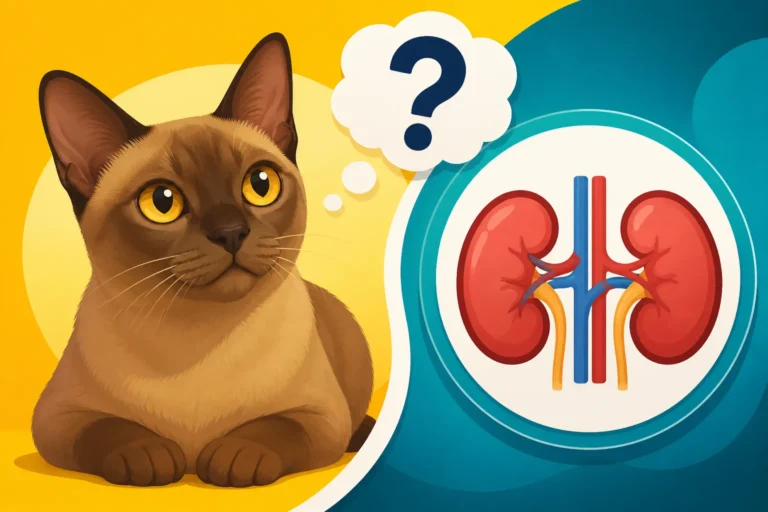
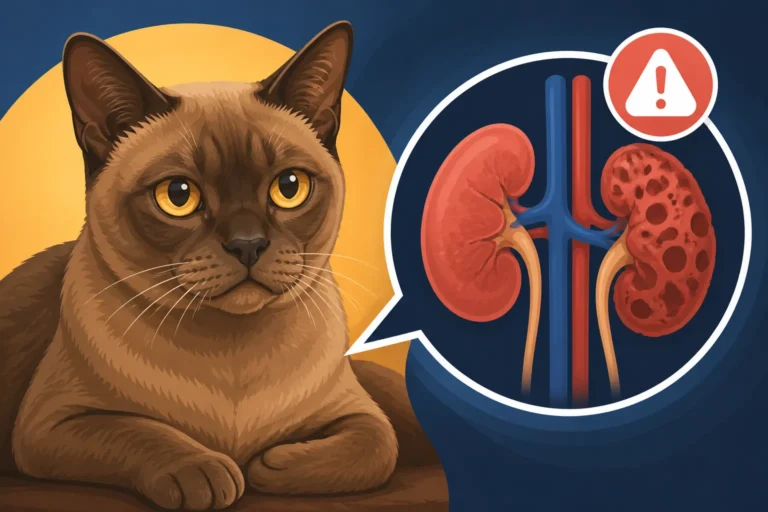
At its core, hypokalemia means "low potassium in the blood." Potassium is a vital electrolyte, absolutely crucial for the proper functioning of muscle cells, including those in the heart, and for nerve signal transmission. In Burmese cats, this isn't usually a dietary deficiency, but rather a genetic predisposition linked to a specific mutation. We now understand that the WNK4 mutation is the culprit, causing issues with how the kidneys regulate potassium, leading to excessive loss of this essential mineral in the urine. This inherited condition means that even a perfectly healthy diet won't prevent episodes if your cat carries the gene.
The genetic basis is why it's so important to discuss What the WNK4 Mutation Does in a Burmese with your vet or breeder. This understanding helps contextualize why certain Burmese cats are affected, sometimes presenting with their first signs as kittens. The typical age of onset can vary, but many owners first notice signs when their Burmese is still quite young, though it can appear at any age. It’s a bit of a silent enemy until it manifests, often triggered by stress or even vigorous play, which further depletes already low potassium reserves. A responsible breeder will have already performed a What a Burmese Breeder Must Test Before Any Mating to ensure they aren't passing on this painful condition.
Recognizable Signs of an Acute Episode
When a Burmese is in the throes of an acute hypokalemic episode, the symptoms can range from subtle to dramatically debilitating. The most iconic and easily recognizable symptom, which often sends owners scrambling for information, is the so-called "meerkat neck." Imagine your usually graceful cat sitting upright, head held high, almost rigidly, unable or unwilling to lower it. This stiff posture comes from weakness in the cervical muscles, making it impossible for them to hold their head normally. If you want to know more about this specific symptom, read up on The Meerkat Neck That Tells You a Burmese Has Hypokalemia.
Beyond the distinct neck posture, you might observe generalized muscle weakness. Your cat might walk stiffly, stumble, or even collapse. They might be reluctant to move, jump, or play, preferring to lie down in an unusual, stretched-out position. Sometimes, their muscles can feel painful to the touch, and you might even notice tremors. It's a heartbreaking sight to see such an active, affectionate breed suddenly so vulnerable. It’s crucial to know Why a Hypokalemic Burmese Cannot Hold Its Head Up during these times, as it’s a direct indicator of muscle dysfunction. These signs demand immediate veterinary attention, as the severity can fluctuate rapidly, and prompt treatment can make a significant difference in their comfort and outcome.
The Recovery Period Between Hypokalemic Episodes
The million-dollar question for any owner of a hypokalemic Burmese is whether their beloved cat truly bounces back after an episode. It's a complex answer because "recovery" isn't always a simple, straightforward return to 100% normal, and it largely depends on diligent management.
The Variable Nature of Inter-Episode Recovery
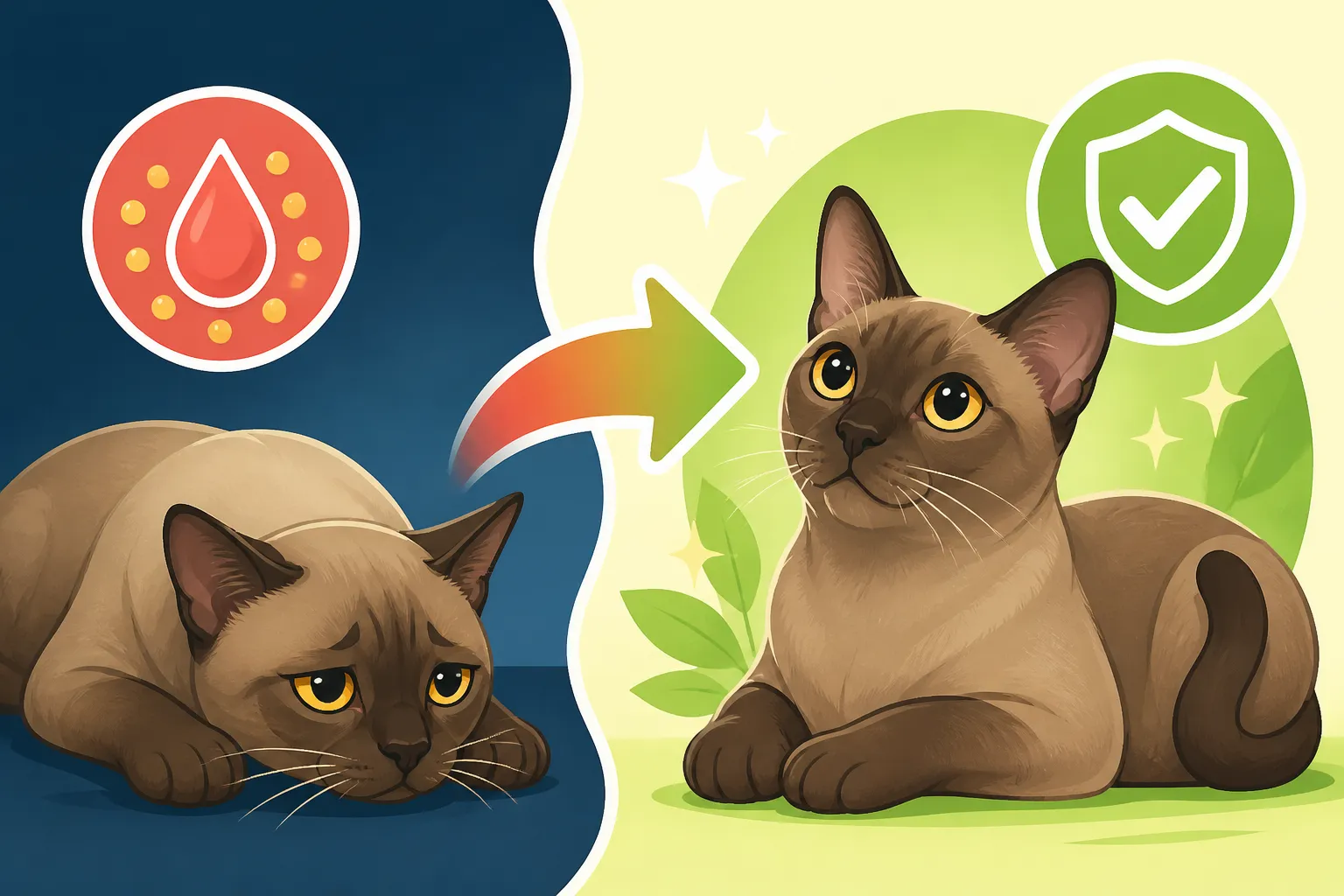
Yes, your Burmese can recover from an acute hypokalemic episode. With prompt veterinary intervention, often involving intravenous potassium supplementation and then oral maintenance, the muscle weakness and "meerkat neck" can resolve. However, the term "recovery" needs a nuanced understanding. For some Burmese, especially those with mild or well-managed cases, they can indeed return to their usual playful, energetic selves, seemingly completely recovered. They'll be jumping, climbing, and cuddling as if nothing happened. This is the goal, and it's absolutely achievable for many.
But for others, particularly if episodes are frequent, severe, or management isn't consistently optimized, there might be lingering, subtle muscle weakness or a general stiffness that persists between episodes. They might not jump as high, or they might seem a little less agile. It's not always overt; sometimes it's just a slight reduction in their usual boundless energy. It's important to differentiate between a truly recovered cat and one that is simply "better" but still experiencing some residual effects. The emotional toll on a cat, and by extension, on its owner, during these periods can also be significant. Watching your vibrant companion struggle can be incredibly distressing, and the fear of the next episode can be ever-present. This is why understanding Whether a Hypokalemic Burmese Lives a Normal Life is so critical for managing expectations and providing the best care.
Factors Influencing Recovery and Frequency
Several factors play a significant role in how well a Burmese recovers between episodes and how often those episodes occur. The cornerstone of management is consistent potassium supplementation. This means sticking to your vet’s prescribed dosage, without fail, every single day. If your cat misses doses, their potassium levels will inevitably drop again, increasing the likelihood of another episode. This is a lifelong commitment for most affected Burmese.
Diet also plays a part, though less directly than supplementation. While the WNK4 mutation causes the primary problem, ensuring a high-quality, balanced diet supports overall health and muscle function. Stress, surprisingly, can be a major trigger. Things like changes in routine, new pets, visitors, or even loud noises can lead to an episode. Managing stress in your household, creating a calm environment, and sticking to a predictable routine can help minimize triggers. In some rare and often less severe cases, particularly if the initial episodes are How Hypokalemia First Shows in a Burmese Kitten, some kittens may actually grow out of the condition as they mature. This is a fantastic outcome, but it's not the norm for all hypokalemic Burmese and often requires careful monitoring during their developmental stages. Exploring What Triggers a Burmese Hypokalemic Episode can help you pinpoint and avoid potential stressors for your own cat.
Living with a Hypokalemic Burmese: Proactive Management
Managing a Burmese with hypokalemia is a journey, not a sprint. It requires dedication, consistency, and a close partnership with your veterinarian. The good news is that with proactive management, many hypokalemic Burmese cats can lead wonderfully rich, active lives, full of the affection and play they are known for.
The Lifelong Need for Potassium Supplementation
For most Burmese cats diagnosed with hypokalemia, potassium supplementation is a non-negotiable, lifelong requirement. It's not something you stop once they "recover" from an episode; it's what prevents future episodes. Your vet will typically prescribe a potassium gluconate supplement, often in powder or gel form, which you'll mix into their food once or twice daily. This might sound daunting, but many cats tolerate it well, especially if it’s mixed into a tasty wet food.
The exact dosage is crucial and will be determined and adjusted by your vet based on regular blood tests to monitor potassium levels. Too little, and they risk another episode; too much, and they risk hyperkalemia, which also has serious health implications. It’s a delicate balance. This continuous supplementation works by keeping their baseline potassium levels stable, counteracting the genetic predisposition to excrete too much. Understanding What Potassium Supplementation Does for a Burmese can empower you to administer it effectively and consistently, knowing you're providing vital support. It's a testament to your commitment to their well-being, transforming a potentially life-threatening condition into a manageable one.
Monitoring and Emergency Preparedness
Living with a hypokalemic Burmese means becoming an expert observer of your own cat. Daily monitoring isn't about paranoia, but about proactive care. Pay close attention to subtle changes in their gait, their energy levels, their appetite, and their overall demeanor. If they seem even slightly off, or if their head carriage looks a little different, it's worth noting. Early detection of a nascent episode can prevent it from escalating into a full-blown crisis. You might even notice subtle changes in their water intake, which can sometimes be an early indicator of metabolic shifts.
Establishing an emergency plan with your vet is paramount. Know who to call, what to do, and where to go if an acute episode strikes. Your vet might advise having some emergency oral potassium on hand, or even instruct you on how to administer a temporary higher dose if you notice early signs. Being prepared helps reduce your stress and allows for quicker action, which is vital for your cat's prognosis. Remember, your vet is your best ally in this journey. They can guide you on How a Vet Treats a Burmese Hypokalemic Episode and help you create a detailed management strategy. This vigilant care, combined with consistent medication, allows many Burmese with hypokalemia to thrive and enjoy many happy years as cherished family members.
| Phase | Key Observations for Owners | Immediate Actions | Long-term Goals |
|---|---|---|---|
| Normal/Inter-Episode | Active, playful, normal appetite, no signs of weakness. | Administer daily potassium supplementation as prescribed. | Maintain stable potassium levels, prevent episodes. |
| Early Signs | Slight stiffness, reduced jumping, mild "meerkat neck" hint. | Contact vet, may involve increased oral potassium. | Avert full-blown episode, adjust routine. |
| Acute Episode | Severe weakness, inability to lift head, collapse, pain. | Emergency vet visit immediately! Intravenous potassium. | Stabilize cat, restore muscle function, re-evaluate dosage. |
Disclaimer
The information provided in this article is for general educational purposes only and is not intended to be a substitute for professional veterinary advice, diagnosis, or treatment. Always seek the advice of your veterinarian or other qualified animal health provider with any questions you may have regarding a medical condition.