Whether a Hypokalemic Burmese Lives a Normal Life
Discovering your beloved Burmese cat has hypokalemia can be an incredibly frightening and overwhelming experience. The thought of a genetic condition causing episodes of weakness and muscle tremors, sometimes even rendering them unable to lift their heads, is enough to send any devoted cat parent into a tailspin of worry. But here’s the reassuring truth: a diagnosis of hypokalemia doesn't necessarily mean a life of suffering or constant crisis for your cherished companion. This comprehensive guide is here to shed light on what a hypokalemic Burmese's "normal life" truly looks like, how proper management can ensure they thrive, and why many of these resilient cats live long, happy, and remarkably full lives despite their condition.
Unpacking Hypokalemia in the Burmese Breed
When you hear the word "hypokalemia" in connection with your Burmese, it's natural to feel a surge of concern. This condition, which specifically affects Burmese cats, is characterized by recurrent episodes of muscle weakness caused by abnormally low levels of potassium in the blood. It's not just a random occurrence; it's a genetic predisposition woven into the very fabric of the breed's heritage, and understanding its roots is the first step toward managing it effectively.
The Genetic Underpinning: Why Burmese are Susceptible
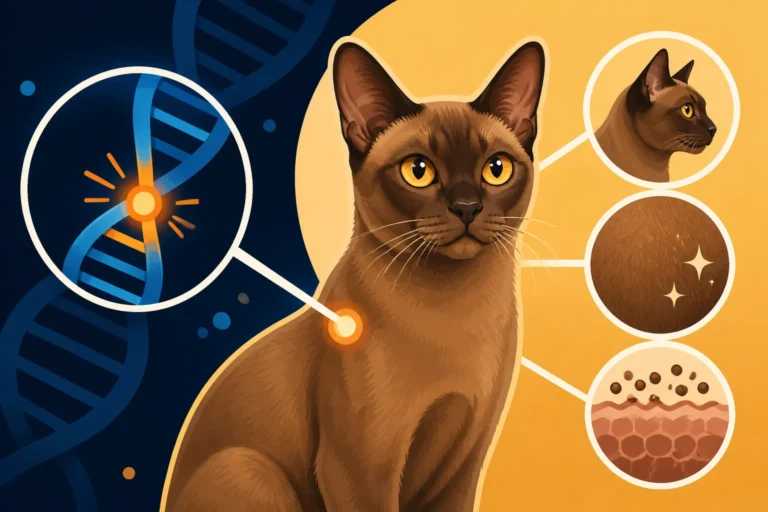
The susceptibility of Burmese cats to hypokalemia isn't some cruel twist of fate; it's linked directly to their genetics. Specifically, researchers have identified a mutation in the WNK4 gene as the culprit. This gene plays a critical role in regulating potassium and sodium levels within the body, and when it doesn't function correctly, it can lead to the episodic drops in potassium that define hypokalemia. This genetic vulnerability means that if a Burmese carries even one copy of the mutated gene, they could be affected, though symptoms are typically more severe in those with two copies. This is why a breeder must test their cats. You can learn more about exactly what the WNK4 mutation does in a Burmese and how it impacts their internal systems.
What this means for you, as an owner, is that your Burmese isn't "doing something wrong" to get this condition. It's simply part of their genetic makeup, passed down through generations. While this can feel disheartening, it also means that the condition is well-studied, and there are established protocols for diagnosis and management. Knowing that it's an inherited trait helps shift the focus from blame to proactive care and careful monitoring.
Recognizing the Signs and Symptoms
Hypokalemia in a Burmese cat manifests primarily as muscle weakness, but the severity and presentation can vary widely. Often, the first signs appear in Burmese kittens, typically between three to ten months of age, though it can emerge later or even in adulthood. Owners might notice their kitten becoming lethargic, struggling to jump, or walking with an unusual, stiff gait. You might be interested in learning how hypokalemia first shows in a Burmese kitten.
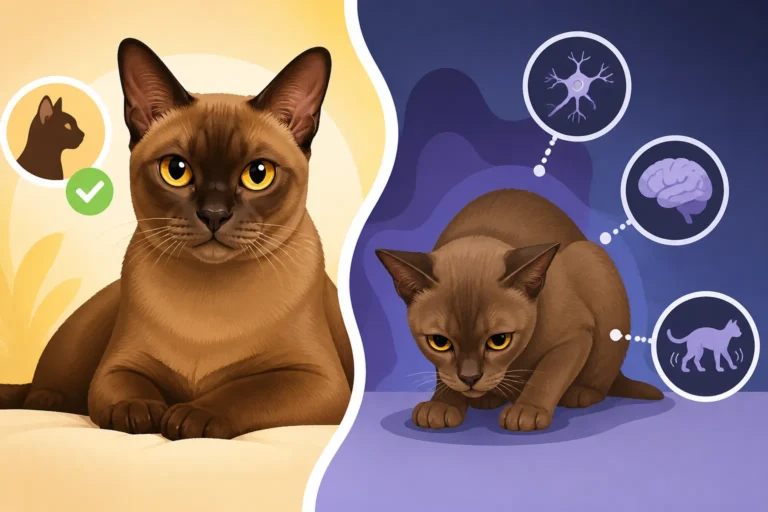
One of the most characteristic, and frankly, heartbreaking, signs is what's often referred to as "Meerkat neck." This is when the cat struggles to hold its head up, and it may flop forward or remain in an unusual, upward-stretching position, mimicking a meerkat standing at attention. This happens because the neck muscles are severely weakened, making it impossible for them to support the weight of their head. During these episodes, your cat might also experience muscle tremors, overall weakness, and reluctance to move, sometimes even collapsing. It’s a frightening sight, but it's crucial to remember that these episodes are often temporary and treatable.
Diagnosing and Proactive Management
A diagnosis of hypokalemia can feel like a heavy burden, but with a clear understanding of the diagnostic process and a commitment to proactive management, you can significantly improve your Burmese's quality of life. Early detection and consistent care are truly the cornerstones of ensuring your cat lives as normally as possible.
The Diagnostic Journey
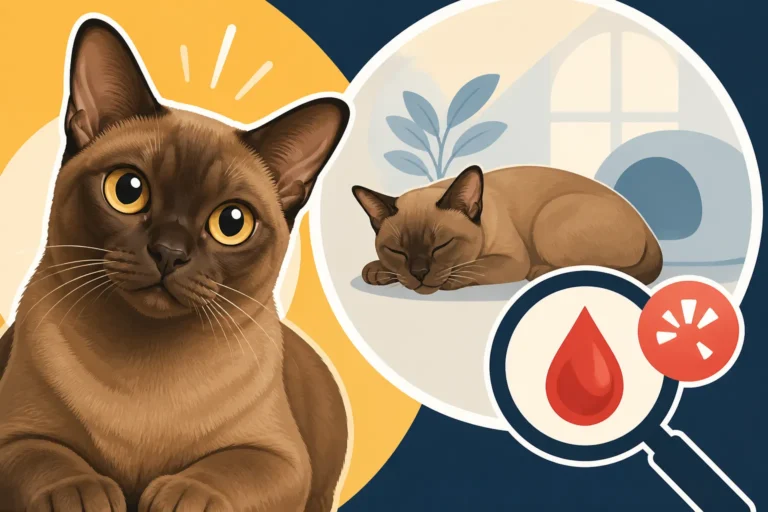
The diagnostic journey for hypokalemia typically begins with your vet observing the clinical signs during an episode, or you describing them in detail. The definitive diagnosis usually involves a blood test to measure potassium levels. During an acute episode, these levels will be markedly low. Your vet might also run other tests to rule out other conditions that could mimic hypokalemia.
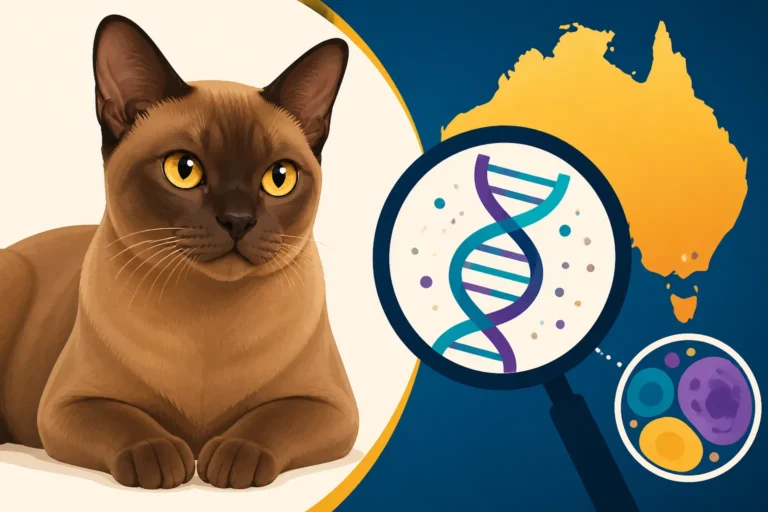
Beyond blood tests, a genetic test is available and highly recommended for Burmese cats, especially if they are symptomatic or if you're considering breeding. This test can confirm the presence of the WNK4 gene mutation, giving you a clear genetic picture. Knowing how to read a Burmese hypokalemia carrier result can also be invaluable if you're dealing with a breeder or looking at rescue cats. Many breeders, for example, will already have their cats tested and can provide documentation, which is why Hypokalemia Is the Burmese Disease With a DNA Test. Remember, even a rescue Burmese should still be tested to ensure you have all the information you need for their long-term health.
Treatment During Episodes and Long-Term Strategies
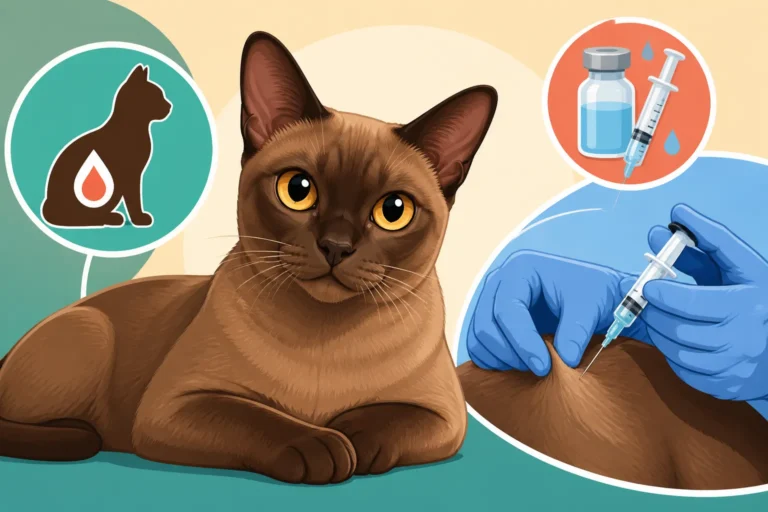
When your Burmese is experiencing an acute hypokalemic episode, the immediate goal is to safely and quickly raise their potassium levels. Your vet will likely administer potassium intravenously or orally, depending on the severity. It's truly amazing to see how quickly a cat can respond once their potassium levels start to normalize. The improvements can often be seen rapidly, moving from being unable to lift their head to cautiously exploring their surroundings in a matter of hours or a day. Understanding how a vet treats a Burmese hypokalemic episode is crucial for knowing what to expect.
For long-term management, the primary strategy revolves around daily oral potassium supplementation. This typically comes in a powder or gel form that you mix with their food. The key here is consistency and finding the right dose for your cat. It's a bit of trial and error initially, working with your vet to monitor blood potassium levels and adjust the dosage until a stable, effective regimen is found. Dietary adjustments can also play a role, with some vets recommending diets that are naturally higher in potassium or lower in certain other minerals that can interfere with potassium balance. While What Potassium Supplementation Does for a Burmese is generally positive, it's not a set-it-and-forget-it solution; ongoing monitoring is key.
Crafting a Normal Life for Your Hypokalemic Burmese
So, what does "a normal life" really mean when you're managing a condition like hypokalemia? It means a life where your Burmese can still express their playful, affectionate, and utterly charming personality without constant fear of debilitating episodes. It means focusing on prevention, meticulous monitoring, and creating an environment where they can thrive, often indistinguishable from their unaffected peers.
Defining "Normal" and Maximizing Quality of Life
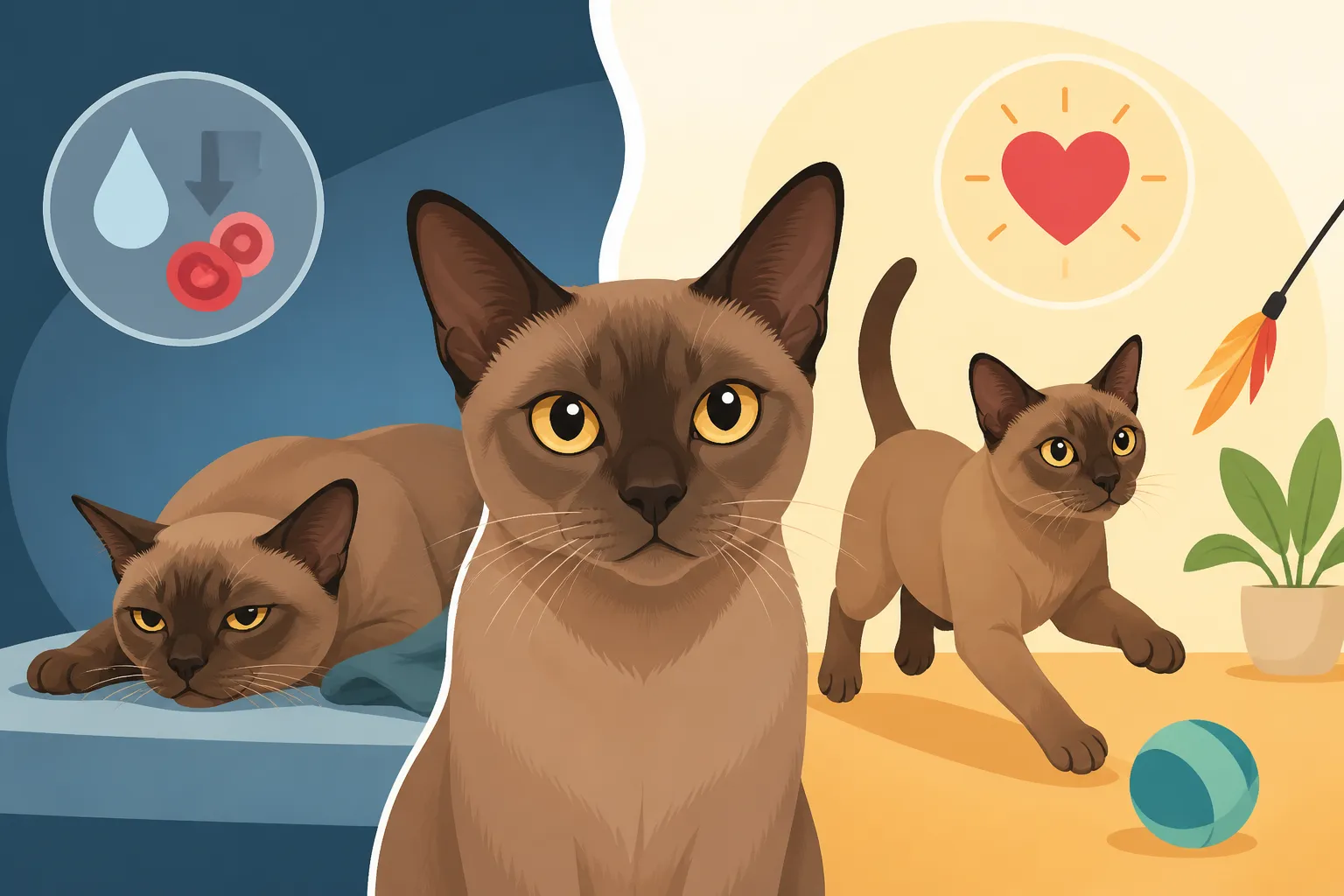
For a Burmese with hypokalemia, a "normal life" means living actively, engaging in typical cat behaviors like playing, exploring, and showering their humans with affection, which Burmese are so famous for. It means being able to jump onto the sofa, chase a toy, and enjoy cuddles without the sudden onset of profound weakness. With diligent care, many hypokalemic Burmese cats lead lives full of joy and activity. They might need a bit more vigilance from you, perhaps a regular medication schedule, but the fundamental aspects of their personality and interaction shouldn't be diminished.
The question of "is it fair to the cat?" is a valid one that often weighs heavily on owners. The good news is that for most Burmese cats with hypokalemia, especially those on a consistent potassium supplement regimen, their quality of life can be excellent. They recover remarkably well from episodes, and the daily medication becomes just another part of their routine, not a constant source of discomfort. Whether a Hypokalemic Burmese Recovers Between Episodes is almost always a resounding yes, though the recovery time can vary.
Proactive Steps for Prevention and Monitoring
Prevention in hypokalemia primarily involves consistent daily potassium supplementation to maintain healthy blood levels and minimize the chances of an episode. However, it's also about identifying and avoiding potential triggers. Stress, excitement, or even strenuous exercise can sometimes precede an episode in susceptible cats. Understanding What Triggers a Burmese Hypokalemic Episode can help you tailor your cat's environment and routine to reduce risks.
Routine veterinary check-ups are non-negotiable. Your vet will want to perform regular blood tests to ensure potassium levels remain stable and to adjust medication as needed. Beyond vet visits, you, the owner, are the most important monitor. Pay close attention to any subtle changes in your cat's gait, energy levels, or behavior. Keep a journal of any potential symptoms, even minor ones, to share with your vet. This meticulous approach allows for quick intervention if potassium levels start to dip, preventing a full-blown crisis.
Navigating Life Long-Term with a Hypokalemic Burmese
Living with a hypokalemic Burmese long-term means integrating their specific needs into your daily routine, embracing consistency, and understanding that while there might be challenges, the rewards of caring for such a loving and resilient cat are immense.
Daily Routines, Adjustments, and Emotional Support
Integrating daily oral potassium into your cat's routine needs to be seamless. Many owners find success by mixing the powdered supplement into a small amount of their cat's favorite wet food or a palatable treat. Consistency is paramount – missing doses can quickly lead to a drop in potassium levels and a potential episode. Setting alarms, keeping medication in a visible spot, or even using a pill organizer for your cat can help maintain adherence.
Beyond medication, be mindful of their environment. While Burmese cats are typically playful well into old age, if your cat has a history of severe episodes, you might want to modify their play to avoid overly strenuous activity during certain periods or if you notice any subtle signs of weakness. Most importantly, provide plenty of love and reassurance. These cats thrive on affection and attention, and your calm presence and consistent care will go a long way in ensuring their emotional well-being. Why a Burmese Kitten Grows Out of Hypokalemia is sometimes observed, but for most, lifelong management is necessary.
Financial Considerations and Insurance
Let's be realistic: managing a chronic condition like hypokalemia does come with financial implications. The cost of daily potassium supplements, regular vet visits for blood work, and potential emergency care for acute episodes can add up. It's wise to factor these expenses into your long-term budget. You can expect to pay for the potassium supplements monthly, and vet visits with blood tests will be a periodic cost. Understanding What Emergency Care for a Hypokalemic Burmese Costs can help you prepare.
This is where pet insurance can be a literal lifesaver. Many owners find great peace of mind in having a policy that helps cover the costs of chronic conditions. While some policies might have waiting periods or specific exclusions, investigating options from providers like Healthy Paws can be incredibly beneficial. Always read the fine print to understand what is covered regarding pre-existing conditions and ongoing care for genetic diseases like hypokalemia. Securing insurance early, before any symptoms appear, generally offers the best coverage for inherited conditions.
The Rewarding Journey of Care
Caring for a Burmese with hypokalemia is a journey that demands dedication and attention, but it is profoundly rewarding. These cats, known for their incredible affection and dog-like personalities, form deep bonds with their families. Witnessing them overcome an episode and return to their playful, purring selves is a testament to their resilience and your unwavering care.
You might find yourself becoming an expert in feline physiology, learning to recognize the subtle cues that indicate a dip in potassium, or simply becoming incredibly adept at administering medication. This deep level of involvement only strengthens the bond you share. Many owners report that despite the challenges, their hypokalemic Burmese cats bring immense joy and love into their homes, living long and fulfilling lives as cherished members of the family. The love they give back is immeasurable, making every effort worthwhile.
Disclaimer
This article is intended for informational purposes only and does not constitute veterinary advice. Always consult with a qualified veterinarian for any health concerns or before making any decisions related to your pet's medical care.