What GM2 Gangliosidosis Does to a Burmese Kitten
Finding out your beloved Burmese kitten, full of boundless energy and affectionate purrs, is suffering from a devastating genetic disease is every cat parent's worst nightmare. The heartbreak of watching a tiny life struggle with progressive neurological decline is immense. This guide aims to shed light on GM2 Gangliosidosis in Burmese kittens, providing a thorough understanding of what this cruel condition does, how to recognize its signs, and the critical importance of genetic testing for prevention.
Understanding GM2 Gangliosidosis in Burmese Kittens
GM2 Gangliosidosis is a truly heartbreaking inherited neurological disorder that primarily affects Burmese cats, and it's something every potential owner and breeder needs to be acutely aware of. It falls under a category of conditions known as lysosomal storage diseases. To break that down, our bodies, and our cats' bodies, have tiny cellular "recycling centers" called lysosomes. These lysosomes contain enzymes that break down waste products. In cats with GM2 Gangliosidosis, there's a specific enzyme deficiency, meaning they can't properly break down a fatty substance called GM2 ganglioside.
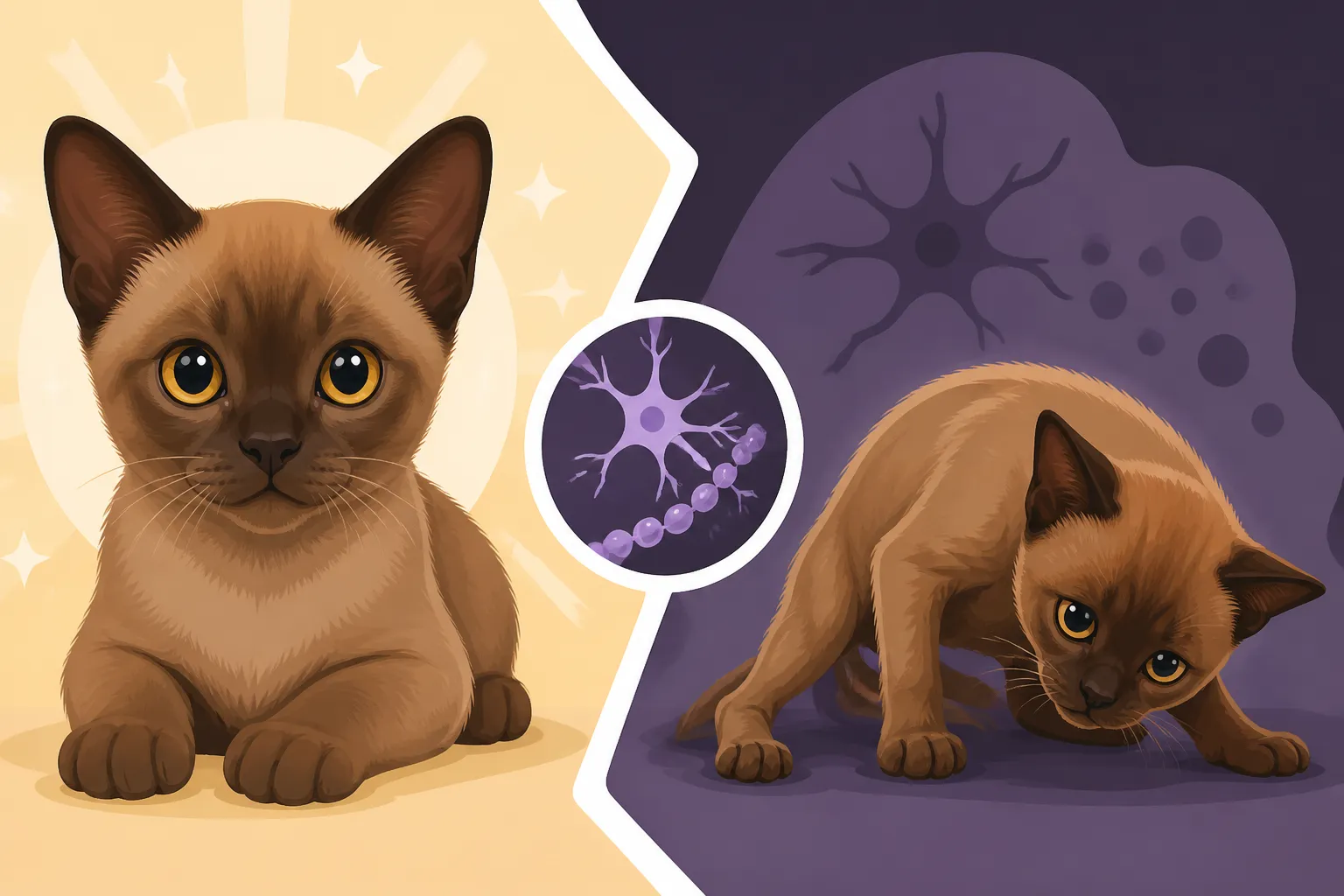
When this GM2 ganglioside isn't broken down, it starts to accumulate in the cells, particularly in the neurons of the brain and spinal cord. Think of it like a clogged drain; the waste builds up, eventually overwhelming and damaging the delicate nerve cells. This cellular damage leads to progressive neurological dysfunction, which sadly manifests as a range of debilitating symptoms. It's an autosomal recessive condition, meaning a kitten must inherit two copies of the faulty gene – one from each parent – to be affected. If a kitten inherits only one copy, they are a carrier and show no symptoms themselves, but they can pass the gene on to their offspring. This is why understanding "Which Diseases the Burmese Actually Carries" is so crucial for the breed's future.
The tragic reality is that this accumulation of GM2 gangliosides leads to a slow, irreversible decline in neurological function. It's not something that can be cured, and the damage is progressive. For families who adopt an affected kitten, it's a journey filled with profound sadness as they witness their vibrant little cat slowly lose its abilities. The emotional toll is immense, knowing there's nothing that can truly stop the progression of the disease.
Recognizing the Signs and Symptoms
One of the most insidious aspects of GM2 Gangliosidosis is how it typically begins subtly, often making it difficult to pinpoint in the very early stages. Most affected Burmese kittens start showing initial signs between six to eight weeks of age, a time when they are usually full of playful curiosity and developing rapidly. However, these early signs can be easily missed or mistaken for clumsiness typical of a growing kitten.
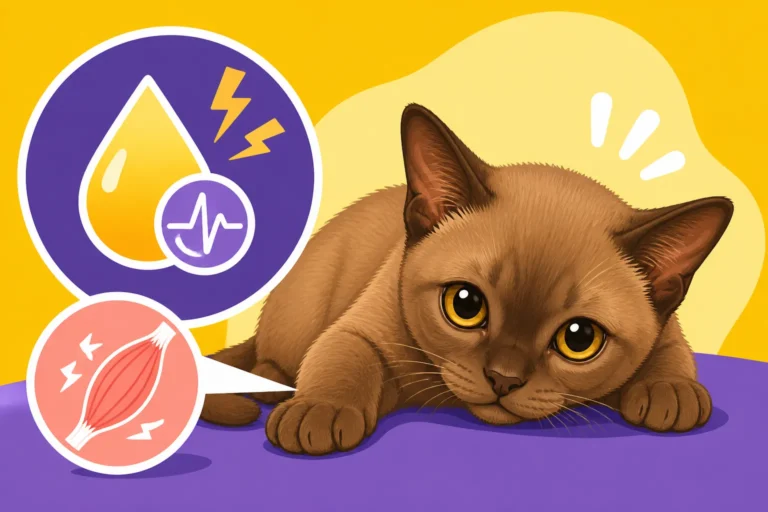
Initially, you might observe a slight unsteadiness in their gait, a subtle tremor, or perhaps a less coordinated jump than their littermates. As the disease progresses, usually over a few weeks or months, these symptoms become much more pronounced. You'll start to notice more obvious ataxia, which is a wobbly, uncoordinated movement, almost as if they're constantly off-balance. The tremors can become more frequent and noticeable, especially when they are trying to focus or move purposefully. Their head might bob, or their limbs might shake. These neurological deficits begin to significantly impact their ability to perform everyday tasks, making even simple movements like walking, climbing, and playing increasingly difficult.
Beyond motor skills, vision can also be affected. Kittens might bump into objects, struggle to track toys, or appear to have difficulty navigating familiar spaces. This is due to the neuronal damage extending to areas of the brain responsible for visual processing. Furthermore, you might see changes in their behavior. Affected kittens, once outgoing and playful, may become more withdrawn, lethargic, or show signs of cognitive decline. They might struggle with litter box training or seem generally disoriented. The early onset and rapid progression mean that these kittens never truly get to experience a full, healthy kittenhood. For owners, this can be incredibly frustrating and distressing, as the kitten's playful spirit is slowly dimmed by its failing body. It's a stark reminder of how critical it is to understand "How Early GM2 Shows in a Burmese".
Diagnosis and Prognosis
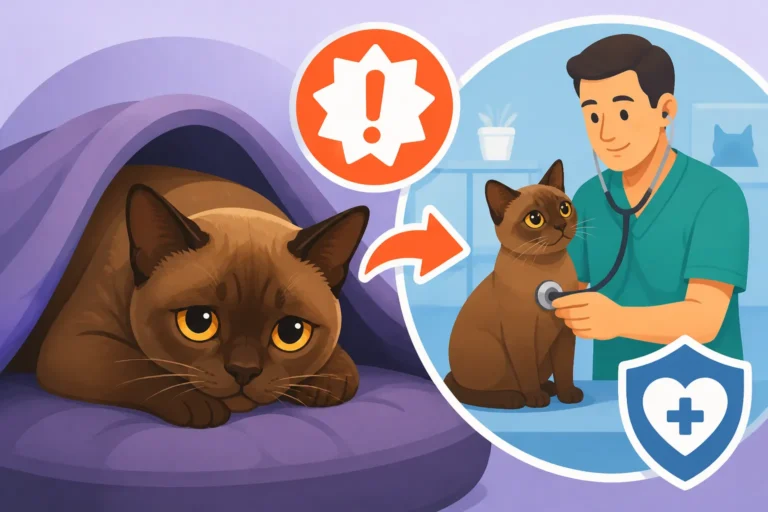
When a kitten presents with these progressive neurological symptoms, your veterinarian will first conduct a thorough physical and neurological examination. They'll look for signs like ataxia, tremors, nystagmus (involuntary eye movements), and diminished reflexes. While these clinical signs are strong indicators, they aren't definitive for GM2 Gangliosidosis alone, as other neurological conditions could present similarly. This is where specialized diagnostic tools become absolutely essential.
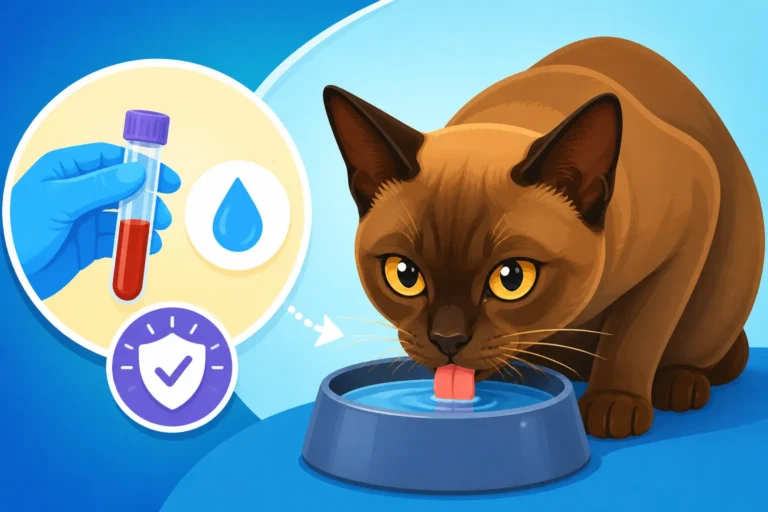
The definitive diagnosis of GM2 Gangliosidosis relies on genetic testing. A simple cheek swab or blood sample can be sent to a specialized veterinary laboratory to check for the specific mutation responsible for the disease in Burmese cats. This test is highly accurate and can confirm whether a kitten is affected, a carrier, or clear. Without this genetic confirmation, it's impossible to differentiate GM2 from other neurological conditions that might have different prognoses or management strategies. Understanding "Whether a GM2 Test Exists for the Burmese" is vital for both diagnosis and prevention.
Here's a quick look at the diagnostic process:
| Step | Description | Purpose |
|---|---|---|
| Clinical Examination | Veterinarian observes neurological symptoms (ataxia, tremors, vision issues, behavioral changes). | To identify potential neurological issues and narrow down possibilities. |
| Genetic Test (Buccal Swab/Blood) | Sample collected and sent to a specialized lab for DNA analysis. | To definitively identify the specific GM2 mutation in the Burmese breed. |
| Result Interpretation | Results confirm affected (two copies of mutated gene), carrier (one copy), or clear (no mutated genes). | To provide a conclusive diagnosis and inform breeding decisions. |
| Prognosis Discussion | Veterinary consultation on the disease progression, lack of cure, and supportive care options. | To prepare owners for the difficult journey and discuss ethical considerations. |
The prognosis for Burmese kittens diagnosed with GM2 Gangliosidosis is, tragically, very poor. There is currently no cure or effective treatment that can halt the progression of the disease or reverse the neurological damage. The condition is invariably fatal, with most affected kittens succumbing to the disease or being humanely euthanized between three to ten months of age, once their quality of life severely diminishes. This difficult decision often arises when the kitten can no longer ambulate, feed itself, or experiences constant pain and distress. This is a conversation no owner ever wants to have, and it underscores the immense responsibility breeders carry. Pet insurance providers like Healthy Paws, while typically offering broad coverage, may have specific exclusions for pre-existing or congenital conditions, making early genetic testing even more critical before symptoms appear.
Preventing GM2 Gangliosidosis: The Breeder's Role
Given the devastating nature of GM2 Gangliosidosis and the absence of a cure, prevention is the only ethical and responsible path forward for the Burmese breed. This places a significant onus on breeders to implement rigorous genetic screening protocols for all their breeding stock. Responsible breeders understand that "What a Burmese Breeder Must Test Before Any Mating" includes a full DNA panel, explicitly checking for GM2 Gangliosidosis.
Every cat used in a breeding program should be tested to determine if they are clear, a carrier, or affected by the GM2 mutation. Cats that test as affected should never be bred, obviously, but the real complexity lies with carriers. Carriers show no symptoms themselves, making them appear perfectly healthy, but they carry one copy of the faulty gene and can pass it on. If two carriers are bred together, there's a 25% chance with each kitten that they will be affected, a 50% chance they'll be carriers, and a 25% chance they'll be clear. This is why "Why Two Burmese Carriers Must Never Be Bred" is a golden rule in responsible breeding. Breeding a carrier to a clear cat, however, will result in no affected kittens, though half the litter will be carriers. This allows breeders to carefully manage the gene pool while slowly reducing the prevalence of the carrier gene.
The cost of a full genetic panel, which includes GM2 Gangliosidosis testing, is a small investment compared to the emotional and financial cost of an affected kitten. "How Much a Full Burmese DNA Panel Costs" is usually a few hundred dollars, a minimal expense that provides invaluable peace of mind and safeguards the health of the entire breed. Reputable laboratories offer comprehensive panels that screen for all known Burmese genetic diseases. Owners should always ask for proof of genetic testing from breeders, not just a verbal assurance. A transparent breeder will happily provide certificates for both parents, showing their status for GM2 and other conditions. It's an essential part of "What a Burmese Breeder Owes You" when you are looking to bring a kitten home.
By consistently screening and making informed breeding decisions, the incidence of GM2 Gangliosidosis can be significantly reduced, protecting future generations of Burmese kittens from this devastating illness. This proactive approach ensures that the beloved Burmese breed can continue to thrive, bringing joy to families without the shadow of preventable genetic diseases. Understanding "Which Tests Belong on a Burmese DNA Panel" empowers prospective owners to ask the right questions and ensure they are supporting ethical breeding practices that prioritize health and longevity. It helps them move closer to enjoying "How Many Years a Well Bred Burmese Lives" rather than facing a truncated lifespan.
Disclaimer
Please remember that the information provided in this article is for educational purposes only and should not be considered a substitute for professional veterinary advice. If you suspect your Burmese kitten is experiencing health issues, always consult with a qualified veterinarian. Genetic testing and breeding decisions should be made in consultation with veterinary geneticists and experienced breeders.