How Early GM2 Shows in a Burmese
It’s truly heartbreaking when you notice something is just off with your beloved kitten, especially when they should be at their most playful and energetic. For Burmese cat owners, the shadow of genetic diseases can loom large, and recognizing the subtle, early indicators of conditions like GM2 Gangliosidosis is absolutely critical. This guide is here to walk you through exactly how GM2 begins to show itself in a Burmese kitten, offering clear signs to look for and what steps to take if you suspect something is amiss.
Understanding GM2 Gangliosidosis in Burmese Cats
GM2 Gangliosidosis is a truly devastating inherited neurological disorder that, sadly, affects Burmese cats, among other breeds. It’s a lysosomal storage disease, which sounds incredibly scientific and complicated, but what it essentially means is that the body lacks a specific enzyme – in this case, beta-hexosaminidase – needed to break down certain fatty substances called gangliosides. Without this enzyme, these fatty substances build up, primarily in the brain and nervous system, causing progressive and severe damage. Imagine a house where the trash isn't being taken out; eventually, it overwhelms everything. That's what happens inside the cells of an affected kitten.
The Genetics Behind the Disease
This condition is inherited in an autosomal recessive manner. What this means for us, as cat parents, is that a kitten must inherit two copies of the faulty gene – one from each parent – to actually develop the disease. If a kitten inherits only one copy, they become a "carrier." Carriers don't show any symptoms of GM2 themselves, but they can pass the gene on to their offspring. This is why responsible breeding practices are so vital, and why understanding what a Burmese breeder must test before any mating is incredibly important. You want to make sure your breeder is screening for these hidden genetic risks.
Why Burmese Cats Are Prone to GM2
While GM2 Gangliosidosis isn't exclusive to the Burmese breed, certain mutations linked to the disease are more prevalent in specific lines. It’s a stark reminder of the importance of genetic diversity and careful breeding programs. Breeders actively work to identify carriers to prevent affected kittens from being born. Understanding which diseases the Burmese actually carries is key to promoting healthy bloodlines and ensuring the long-term well-being of the breed we all adore. For potential owners, this genetic predisposition underscores why it's so important to purchase from a reputable breeder who prioritizes genetic health testing.
Recognizing the Earliest Signs of GM2 in Burmese Kittens
Detecting GM2 Gangliosidosis early in a Burmese kitten is profoundly challenging because the initial symptoms are often subtle and can easily be mistaken for normal kitten clumsiness or typical developmental stages. However, as the gangliosides accumulate and neurological damage progresses, these signs become more pronounced and alarming. Most affected kittens will start showing noticeable symptoms between two and five months of age, though some might manifest slightly earlier or later. It's a cruel twist that this period should be one of their most active and inquisitive.
Subtle Behavioral and Motor Changes
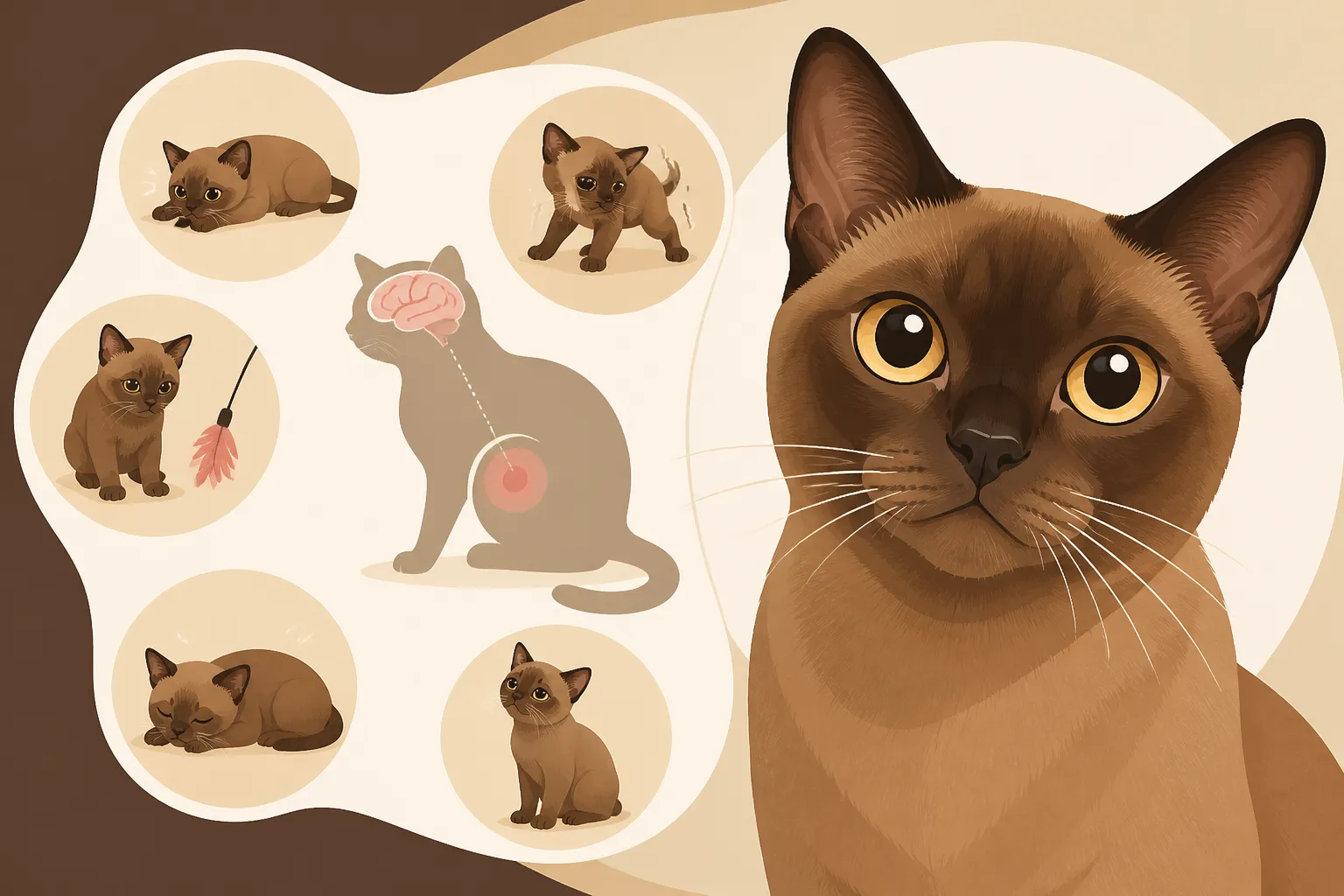
One of the very first things you might notice is a slight change in their motor skills. Your kitten might seem a bit wobbly, perhaps a little uncoordinated compared to its littermates. They might struggle with jumping or climbing, even tasks that seem simple, like stepping over a small obstacle. You might dismiss it as being "the clumsy one" of the litter, but pay close attention.
Here's what to look for:
- Mild Ataxia: This is a fancy word for lack of muscle coordination. Your kitten might walk with an unsteady gait, sway slightly, or have difficulty maintaining balance. It's not a dramatic stumble at first, but a subtle awkwardness.
- Hind Limb Weakness: You might notice they favor their front paws, or their back legs seem weaker than they should be, especially when trying to stand or jump. They might seem to drag their back paws or have trouble pushing off.
- Tremors: In some cases, a fine tremor, particularly in the head or limbs, might be observed, especially during periods of excitement or concentration.
- Changes in Play: While a Burmese is still playing at fifteen, a kitten with early GM2 might start to avoid active play, or seem to tire more quickly. They might still show interest, but their physical participation will decrease. This is crucial because Burmese kittens are naturally incredibly active and playful. If you notice your kitten falling behind in play with its littermates, it's a red flag.
- Visual Impairment: Some kittens may develop subtle visual deficits early on. They might misjudge distances, bump into furniture, or struggle to track toys with their eyes. This can be tricky to spot because cats are so good at compensating with their other senses.
If you observe any of these signs, even if they seem minor, it's essential to consult with your veterinarian. Remember, a Burmese kitten needs an early vet check, and any concerns about their development should be brought up immediately.
Developmental Delays and Abnormalities
Beyond motor skills, GM2 can manifest as delays in normal kitten development. Kittens typically grow and learn at a rapid pace, and any significant deviation from this timeline warrants investigation.
- Growth Stunting: Affected kittens might not grow as quickly as their littermates. They may be noticeably smaller or fail to gain weight at the expected rate, even if they're eating normally. This is particularly concerning given how quickly kittens typically bulk up in their first few months.
- Difficulty Eating: As the neurological damage progresses, coordinating chewing and swallowing can become difficult. You might see them struggling to eat solid food, or they might appear messy eaters, dropping food from their mouths. This can quickly lead to weight loss and further health complications.
- Cognitive Slowness: While harder to quantify, you might observe a general dullness or slower response to stimuli compared to other kittens. They might not react as quickly to sounds or movements, or seem less engaged with their environment. This isn't just about play; it's about their overall alertness and interaction.
- Behavioral Regression: Instead of learning new skills, an affected kitten might seem to regress, losing abilities they once had. This could be as simple as losing interest in interaction or becoming more withdrawn, a behavior that is completely uncharacteristic for the typically outgoing and affectionate Burmese. While a Burmese hides illness behind its affection, a truly withdrawn kitten is a serious sign.
It's vital to keep a close eye on your kitten's milestones. What a Burmese kitten's first exam should cover often includes a thorough check of these developmental markers, but ongoing observation at home is just as important. Don't hesitate to document any concerns with videos or notes to share with your vet.
Progression of GM2 Symptoms and Diagnosis
As the disease advances, the neurological symptoms become progressively more severe and undeniable. What started as slight clumsiness can quickly escalate into profound neurological deficits that severely impact the kitten's quality of life. The heartbreaking reality of GM2 Gangliosidosis is its relentless, degenerative nature.
Worsening Neurological Signs
The early signs of unsteadiness and weakness will unfortunately intensify.
- Severe Ataxia and Paresis: The uncoordinated movements become more pronounced, and the kitten may struggle significantly to walk, often staggering and falling. Paresis, or partial paralysis, particularly in the hind limbs, can develop, making movement extremely difficult or impossible. They may drag their hindquarters or have a noticeable limp.
- Loss of Balance: Maintaining any balance becomes a constant struggle, even when sitting. You might see them constantly trying to right themselves, but ultimately toppling over.
- Muscle Tremors and Spasms: The tremors can become more frequent and severe, potentially progressing to muscle spasms or seizures. This is a very distressing symptom to witness and indicates significant neurological distress.
- Blindness: Vision loss often progresses to complete blindness. The pupils may become unresponsive to light, and the kitten will rely entirely on its other senses to navigate.
- Inability to Eat or Drink: As coordination deteriorates, the ability to chew, swallow, and even lap water can be lost, making adequate nutrition and hydration a major challenge. This often necessitates assisted feeding or hydration, which can be difficult for both the kitten and the owner.
The average lifespan of a kitten severely affected by GM2 Gangliosidosis is typically very short, often only a few months from the onset of symptoms.
Diagnostic Procedures
If your vet suspects GM2 Gangliosidosis, they will typically recommend a series of diagnostic tests to confirm the diagnosis and rule out other conditions. This process can be emotionally taxing, but getting a definitive answer is crucial for understanding the prognosis and making informed decisions about care.
- Clinical Examination: The vet will perform a thorough neurological exam, assessing gait, reflexes, coordination, and vision. They will look for the characteristic signs of neurological degeneration.
- Blood and Urine Tests: These tests can sometimes reveal abnormal enzyme levels or the presence of storage materials, offering clues to a lysosomal storage disease. However, they are not always definitive for GM2.
- Genetic Testing: This is the gold standard for diagnosing GM2 Gangliosidosis in Burmese cats. A simple cheek swab or blood sample can be sent to a specialized veterinary genetics laboratory to check for the specific mutation responsible for the disease. This test can confirm if the kitten has two copies of the faulty gene. Knowing whether a GM2 test exists for the Burmese and requesting it is crucial for a definitive diagnosis.
- Enzyme Assay: This test measures the level of beta-hexosaminidase activity in the kitten's blood or tissue samples. Low or absent activity confirms the enzymatic deficiency characteristic of GM2.
- Biopsy: In some cases, a biopsy of affected tissues, such as the brain or nerves, might be considered, though this is a more invasive procedure and often reserved for specific diagnostic challenges.
For owners, the financial burden of these diagnostic tests and subsequent care can be significant. It's worth considering pet insurance providers like Healthy Paws, which can help mitigate the costs of unexpected illnesses, though genetic conditions often have specific coverage clauses. Early diagnosis allows owners to prepare for the challenges ahead, and discuss palliative care options with their veterinary team.
Supporting a Burmese Kitten with GM2 Gangliosidosis
Living with and caring for a Burmese kitten diagnosed with GM2 Gangliosidosis is an incredibly difficult and emotionally draining journey. There is currently no cure for GM2, and the disease is invariably progressive and fatal. The focus of care shifts entirely to providing the best possible quality of life, minimizing discomfort, and ensuring the kitten feels loved and safe for the time they have. This is a testament to the immense bond between a pet and their owner.
Palliative Care and Comfort Measures
Since a cure isn't an option, the goal becomes keeping the kitten as comfortable and happy as possible. This requires a dedicated approach to palliative care, tailored to the kitten's individual needs as symptoms progress.
- Pain Management: Your vet will work with you to identify any signs of pain or discomfort and prescribe appropriate pain relief. This might include anti-inflammatory medications or other analgesics to keep them comfortable.
- Nutritional Support: As chewing and swallowing become harder, you might need to adjust their diet. This could involve softening food, blending it into a gruel, or even hand-feeding. Your vet can advise on the best way to ensure they get adequate nutrition. Knowing what a Burmese kitten should eat is foundational, but adjustments are needed when the disease strikes.
- Maintaining Hydration: Dehydration is a serious risk. Encouraging water intake with bowls, fountains, or even offering moist food is important. Subcutaneous fluids administered at home might become necessary as the disease progresses and they lose the ability to drink independently.
- Hygiene and Cleanliness: Kittens with mobility issues can become messy. Regular cleaning, especially after toileting, is vital to prevent skin infections and maintain their comfort. Soft bedding that can be easily cleaned is a must.
- Environmental Adjustments: Make their living space safe and accessible. This might mean keeping them in a small, padded area to prevent injuries from falls, or using ramps for small steps. Ensure they are always warm, as a short-coated Burmese feels the cold more acutely.
It's also important to remember the emotional toll on you, the owner. Seek support from your vet, other cat owners, or pet loss support groups. This journey is incredibly tough, and you don't have to go through it alone. Organizations focusing on pet bereavement can provide invaluable resources and understanding during this challenging time.
The Role of Veterinary Support and Ethical Considerations
Your veterinary team will be your greatest ally throughout this process. They can provide guidance on managing symptoms, administering medications, and assessing your kitten’s overall well-being. Regular check-ups will help monitor the progression of the disease and allow for adjustments to the care plan.
Ethical Discussions: At some point, you may face the incredibly difficult decision of euthanasia. This is a deeply personal choice, but your vet can help you assess your kitten's quality of life, pain levels, and the extent of their suffering. Factors to consider include:
- Persistent pain or discomfort that cannot be controlled.
- Loss of enjoyment in once-loved activities.
- Inability to eat, drink, or move independently.
- Significant decline in overall health and neurological function.
This decision is about preventing prolonged suffering and offering a peaceful end. It's an act of love and kindness, even though it's the hardest choice a pet owner can make. While a cat insurance policy from a company like Healthy Paws might cover many veterinary expenses, the emotional cost of such a diagnosis is immeasurable. Knowing that you've provided comfort, love, and the best possible care throughout their short life is the most important thing.
| Symptom Category | Early Signs (2-5 months) | Progressive Signs (5+ months) |
|---|---|---|
| Motor Skills | Mild clumsiness, unsteady gait, slight hind limb weakness, difficulty with jumps. | Severe ataxia, hind limb paresis, frequent falls, inability to stand/walk, muscle spasms. |
| Cognitive/Behavioral | Reduced playfulness, subtle dullness, slower reactions, occasional disorientation. | Profound lethargy, unresponsive to environment, complete loss of learned behaviors. |
| Feeding | Messy eating, slight difficulty chewing/swallowing. | Inability to chew/swallow, severe weight loss, requires assisted feeding. |
| Vision | Misjudging distances, bumping into objects, difficulty tracking. | Partial to complete blindness, pupils unresponsive. |
| Overall | Growth stunting, subtle developmental delays. | Significant decline in health, severe suffering, very poor quality of life. |
Disclaimer
The information provided in this article is for educational purposes only and is not intended to be a substitute for professional veterinary advice, diagnosis, or treatment. Always seek the advice of your veterinarian or other qualified animal health provider with any questions you may have regarding a medical condition.