How Tooth Resorption Shows Up in a Burmese
One of the most heartbreaking challenges for any cat owner is watching their beloved feline companion suffer silently. For Burmese cat parents, this can be even more frustrating because our affectionate, people-oriented companions are masters at masking discomfort. Tooth resorption is a particularly insidious and painful dental condition that often goes unnoticed until it's advanced, leaving our otherwise vibrant Burmese in quiet agony. This comprehensive guide aims to shed light on how tooth resorption manifests in your Burmese, helping you identify subtle signs early and understand the crucial steps for diagnosis and treatment to ensure your cherished cat remains comfortable and happy.
Understanding Tooth Resorption in Burmese Cats
Tooth resorption is not just a fancy term for a cavity; it's a completely different and far more destructive process. While it can affect any cat, understanding what it is and why our beloved Burmese might be susceptible is the first step toward safeguarding their oral health.
What Exactly Is Tooth Resorption
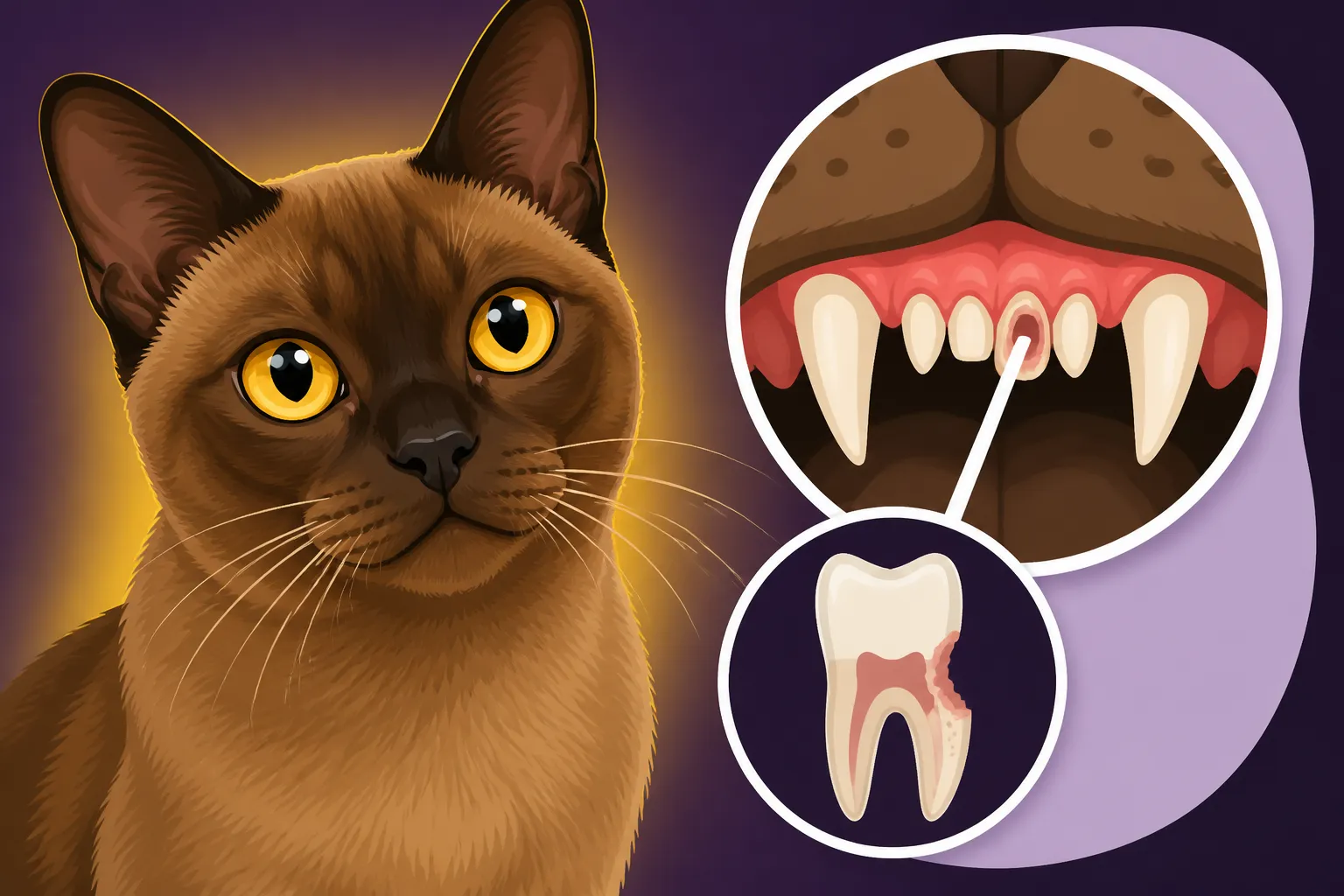
Imagine your cat's teeth, strong and pearly white. Now, picture them slowly, silently being eaten away from the inside out, or sometimes from the surface inward, by specialized cells that are normally involved in tooth remodeling. That's essentially what tooth resorption is. These cells, called odontoclasts, which are present naturally in the body, essentially go rogue and start dissolving the tooth structure, including the hard enamel, dentin, and even the root. It’s a progressive, painful disease that can affect one tooth or many, and tragically, it's believed to impact a significant percentage of adult cats, making it the most common feline oral disease.
Unlike cavities, which are caused by bacterial decay, tooth resorption is an internal process, though its exact cause isn't fully understood. We know it leads to crater-like lesions, often starting at the gum line, but sometimes hidden beneath it. These lesions expose the sensitive inner pulp of the tooth, causing immense pain. Think about having a sensitive tooth, then imagine a hole forming in it and exposing the nerve – that’s the level of discomfort your cat might be experiencing. The lesions can range from subtle erosions that are barely visible to large, obvious holes that destroy the tooth crown entirely. Since it's often hidden, it's easy to miss, which is why your vigilance and a vet’s keen eye are so important.
Why Burmese Cats Are Particularly Vulnerable
Our affectionate Burmese cats are known for their robust health and impressive longevity, often living well into their teens. While this is wonderful, it also means they have more years for age-related conditions, including dental diseases like tooth resorption, to develop and progress. Anecdotally, some veterinarians and breeders observe certain purebred lines, including Burmese, might have a higher incidence or more severe forms of dental issues, though specific genetic links for tooth resorption in Burmese are still an area of ongoing research.
Moreover, the very traits that make Burmese so lovable also make them adept at hiding pain. These are cats who adore being with their people, who purr constantly, and who will often choose to cuddle or play even when they are feeling unwell. This incredible resilience and desire to please can be a double-edged sword when it comes to subtle health issues. A Burmese suffering from chronic dental pain might not stop coming for snuggles or playing with their favorite wand toy; instead, they might just play a little less vigorously or seek comfort a little more intensely. This ability to hide illness behind its affection means owners need to be extra vigilant and keenly observant of the smallest changes in behavior or eating habits. It’s not uncommon for a cat, especially a stoic breed like the Burmese, to mask dental pain for months, even years, until the condition is quite advanced, making it a critical aspect of their long-term care. Organizations like Healthy Paws, for instance, offer pet insurance plans that can help cover the costs of unexpected illnesses, though it's always wise to check policy details regarding pre-existing conditions and routine dental care.
Recognizing the Subtle Signs of Tooth Resorption
Because tooth resorption is so painful yet so often hidden, knowing what to look for is paramount. Our Burmese cats are masters of disguise when it comes to discomfort, so we need to become master detectives.
Early Behavioral Changes to Watch For
The earliest signs of tooth resorption are rarely obvious; they're often subtle shifts in your Burmese's typical joyous demeanor. You might notice a slight reluctance to eat their usual hard kibble, preferring softer foods instead. Perhaps they start chewing on only one side of their mouth, tilting their head in a peculiar way while eating. A common sign, and one often directly linked to this condition, is a Burmese that drops food from its mouth while eating. This isn't just being messy; it's a desperate attempt to avoid pain when biting down on a sensitive tooth.
You might also observe more generalized changes. Increased drooling or pawing at their mouth can indicate oral discomfort. Bad breath, or halitosis, is another warning sign that shouldn't be ignored, as it often points to an underlying dental issue, even if it's not directly tooth resorption. More subtly, an otherwise playful Burmese might start to reduce their activity levels slightly. While an old Burmese still wants to play, intense pain might make them less enthusiastic about chasing toys or climbing. They might become a bit more irritable when touched around the face, or even slightly withdrawn, which is profoundly out of character for such a social breed. These changes, no matter how small, are your Burmese trying to tell you something is wrong, even if they can't vocalize it.
Physical Clues and Oral Examination
While behavioral changes are often the first alert, physical clues can confirm your suspicions. Unfortunately, spotting these physical signs can be incredibly difficult without a cooperative cat and often, without sedation. If you can gently lift your Burmese’s lips and look inside their mouth (which, given their trusting nature, might be possible with careful handling), pay close attention to the gum line. Look for any redness, inflammation, or swelling around individual teeth. You might see what looks like a small, reddish, crater-like lesion on the tooth surface, particularly where the tooth meets the gum. Sometimes, gum tissue might even be growing over the lesion in an attempt to protect it.
Other signs include chattering of the jaw, especially after eating or if you accidentally touch a sensitive area. Some cats might even rub their face against furniture or your hand in an attempt to alleviate the pain. If you notice your Burmese's eyes weep in the corners more than usual, it could be an indirect sign of facial discomfort, though less specific to dental issues. However, it's crucial to remember that many teeth affected by resorption look completely normal to the naked eye, even to an experienced veterinarian, which is why a thorough examination under anesthesia is critical. It's difficult to get a good, comprehensive look at the entire mouth, especially the back teeth, in a conscious, squirming cat, no matter how much they love you. Healthy Paws and similar pet insurance providers may cover diagnostic procedures once a condition is identified, reinforcing the importance of early detection and professional veterinary care.
| Sign Category | Normal Burmese Behavior/Appearance | Potential Sign of Tooth Resorption |
|---|---|---|
| Eating Habits | Eats all food types, chews evenly, no drops | Reluctance to eat hard food, dropping food, chewing on one side, sudden pickiness |
| Oral Health | Pink gums, fresh breath, intact teeth | Red or inflamed gums, bad breath, visible gum recession, chattering jaw |
| General Demeanor | Energetic, playful, highly affectionate, seeks interaction | Subtle decrease in play, irritability when face is touched, slight withdrawal, increased drooling |
| Pain Response | Enjoys head scratches and chin rubs | Flinches or reacts negatively to touch near mouth, pawing at face |
Diagnosis and Treatment Options for Your Burmese
When you suspect your Burmese might be suffering from tooth resorption, the next step is a trip to the vet. This isn't just about confirming your fears; it's about getting a definitive diagnosis and initiating effective pain relief.
The Vet Visit and Diagnostic Process
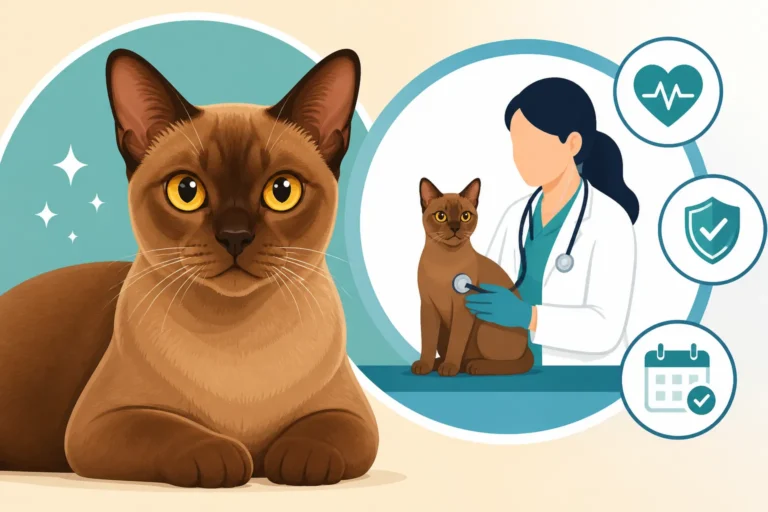
Once you bring your Burmese to the veterinarian with concerns about dental pain, the diagnostic process will begin with a thorough oral examination. However, for a condition like tooth resorption, a conscious exam only tells part of the story. The definitive diagnosis of tooth resorption almost always requires a full oral examination under general anesthesia, coupled with full-mouth dental X-rays. This might sound daunting, but it's the only way to accurately assess the extent of the disease and identify all affected teeth, many of which are hidden below the gum line.
During this procedure, your vet will meticulously examine each tooth, probing the gum line for any irregularities or lesions. But the true game-changer is the dental X-rays. Just like in humans, X-rays allow the vet to see the internal structure of the tooth and its roots, revealing the characteristic bone loss and erosions associated with tooth resorption that are otherwise invisible. Without these X-rays, it's entirely possible to miss several painful teeth, leading to ongoing discomfort for your cat. This comprehensive approach is essential for providing effective treatment. It's a critical part of how often a Burmese needs a dental, beyond just a surface cleaning.
Managing Pain and Long-Term Care
Once tooth resorption is diagnosed, the primary and most effective treatment is typically the extraction of the affected teeth. While it may seem extreme to remove teeth, for a condition as painful and progressive as tooth resorption, extraction offers the only permanent relief. The goal is to eliminate the source of pain and prevent further progression. After extraction, your Burmese will be given pain medication to ensure a comfortable recovery. They might need to eat softer food for a short period, but cats adapt incredibly well to living without some or even many of their teeth and can live a full, happy life free from chronic dental pain.
Long-term care involves regular follow-up dental check-ups, often annually, which should include new dental X-rays, especially as your Burmese ages. This is to monitor for any new resorption lesions on remaining teeth. It's a continuous process, but one that significantly enhances your cat's quality of life. For pet owners concerned about the financial aspect of such extensive dental work, pet insurance can be a real lifesaver. Many policies, including those from providers like Healthy Paws, will cover the costs of diagnosis and treatment for tooth resorption once it's deemed an illness, provided it's not a pre-existing condition. However, routine preventative care like regular cleanings might require a separate wellness plan or be excluded, so it’s always best to thoroughly understand your policy's specifics.
Proactive Dental Care and Prevention Strategies
While tooth resorption is a complex disease with no guaranteed prevention, establishing excellent proactive dental care for your Burmese can significantly reduce their risk and help catch issues early. This commitment is a vital part of caring for a Burmese past twelve and throughout their entire life.
Building a Strong Home Dental Routine
The foundation of good dental health for your Burmese starts right at home, and ideally, as early as kittenhood. Daily tooth brushing is the gold standard for preventing plaque and tartar buildup and keeping gums healthy. While getting a cat to cooperate with tooth brushing might sound like a Herculean task, the trusting and affectionate nature of a Burmese can make them more amenable than other breeds. Start slowly, introducing a toothbrush to a Burmese at twelve weeks of age, using a feline-specific enzymatic toothpaste (never human toothpaste!). Begin by letting them taste the toothpaste, then gently rub it on a few teeth, gradually building up to brushing all surfaces. Even a few seconds of brushing on each side of the mouth daily can make a huge difference.
If brushing isn't feasible, don't despair. There are other supportive measures you can take. Dental wipes, oral rinses, and water additives designed to reduce bacteria and plaque can be helpful. However, always ensure any product you use is veterinarian-approved for safety and efficacy. Be mindful of dental treats; while some can aid in plaque removal, many are high in carbohydrates, which can be problematic for a breed prone to diabetes, so always consider why portion control is medical care in a Burmese. Regular, gentle checks of their gums and teeth at home can also help you notice any changes or tenderness early on. What a Burmese's gums need checking monthly can truly save them from prolonged pain.
Regular Professional Cleanings and Check-ups
Even with the most diligent home dental routine, professional veterinary dental cleanings are indispensable for a Burmese. These cleanings, performed under anesthesia, allow the veterinary team to thoroughly scale away plaque and tartar buildup above and below the gum line, polish the teeth, and conduct a comprehensive oral examination, including full-mouth dental X-rays. These X-rays are especially critical for identifying hidden issues like tooth resorption or other problems brewing beneath the surface that you simply cannot see.
Your vet will typically recommend how often a Burmese needs a dental, which for many adult cats is annually, though some might require more frequent attention. Think of it as preventative maintenance that goes far beyond what you can accomplish with a toothbrush. These regular check-ups are also crucial for catching tooth resorption or other dental diseases in their very early stages, allowing for less invasive treatment and preventing prolonged pain. Budgeting for these annual professional cleanings is an investment in your Burmese’s long-term health and comfort. While pet insurance policies like those from Healthy Paws often cover treatments for dental diseases, they sometimes have specific clauses for routine cleanings, which might be included in a separate "wellness" add-on. It's always a good idea to discuss these options with your insurance provider and your veterinarian to ensure your Burmese receives the best possible dental care throughout their life.
Disclaimer
The information provided in this article is for general informational purposes only and is not intended as a substitute for professional veterinary advice, diagnosis, or treatment. Always seek the advice of your veterinarian or other qualified health provider with any questions you may have regarding a medical condition. Never disregard professional veterinary advice or delay in seeking it because of something you have read in this article.