The DNA Panel a Burmese Breeder Owes You
It’s a truly exhilarating moment when you’re considering bringing a beautiful Burmese cat into your home. Their affectionate nature, playful spirit, and stunning satin coat are utterly captivating. However, beneath that charming exterior, there’s a vital aspect of their health that can often feel overwhelming and complicated for prospective owners: genetics. You might feel a mix of excitement and apprehension, wondering how to ensure your future companion will live a long, healthy life, especially with so much talk about breed-specific conditions. This comprehensive guide is here to demystify the essential DNA panel that an ethical Burmese breeder should always provide, empowering you with the knowledge to make informed decisions and safeguard your kitten's future.
Why a DNA Panel Isn't Just a "Nice to Have" for Burmese Owners
When you're looking for a new kitten, it's easy to get swept away by cute photos and charming personalities. But beneath the surface, a responsible breeder knows that true health starts with genetics. For Burmese cats, more than many other breeds, understanding their genetic predispositions isn't just a bonus – it's absolutely fundamental to their well-being. Without this crucial information, you’re essentially bringing home a mystery, and that can lead to heartbreak and significant financial strain down the line.
Understanding the Unique Genetic Vulnerabilities of the Burmese
The Burmese breed, both American and European types, is known for a few specific genetic conditions that can profoundly impact their health. Unlike a general mixed-breed cat where genetic issues are more random, Burmese cats, due to their limited gene pool and specific breeding practices over generations, have a higher prevalence of certain inherited diseases. This isn't a flaw in the breed itself, but rather a characteristic that responsible breeding aims to manage and mitigate. Knowing these vulnerabilities means you can actively seek out kittens from lines where these conditions are being carefully monitored and bred away from. It's about being proactive rather than reactive, offering your future feline friend the best possible start. The absence of a DNA panel leaves you guessing, and when it comes to inherited diseases, guessing can lead to devastating consequences.
The Ethical Breeder's Responsibility in Genetic Screening
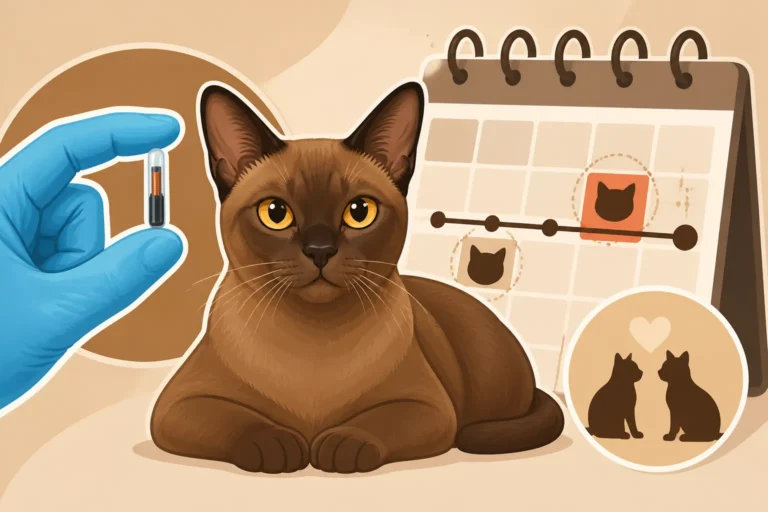
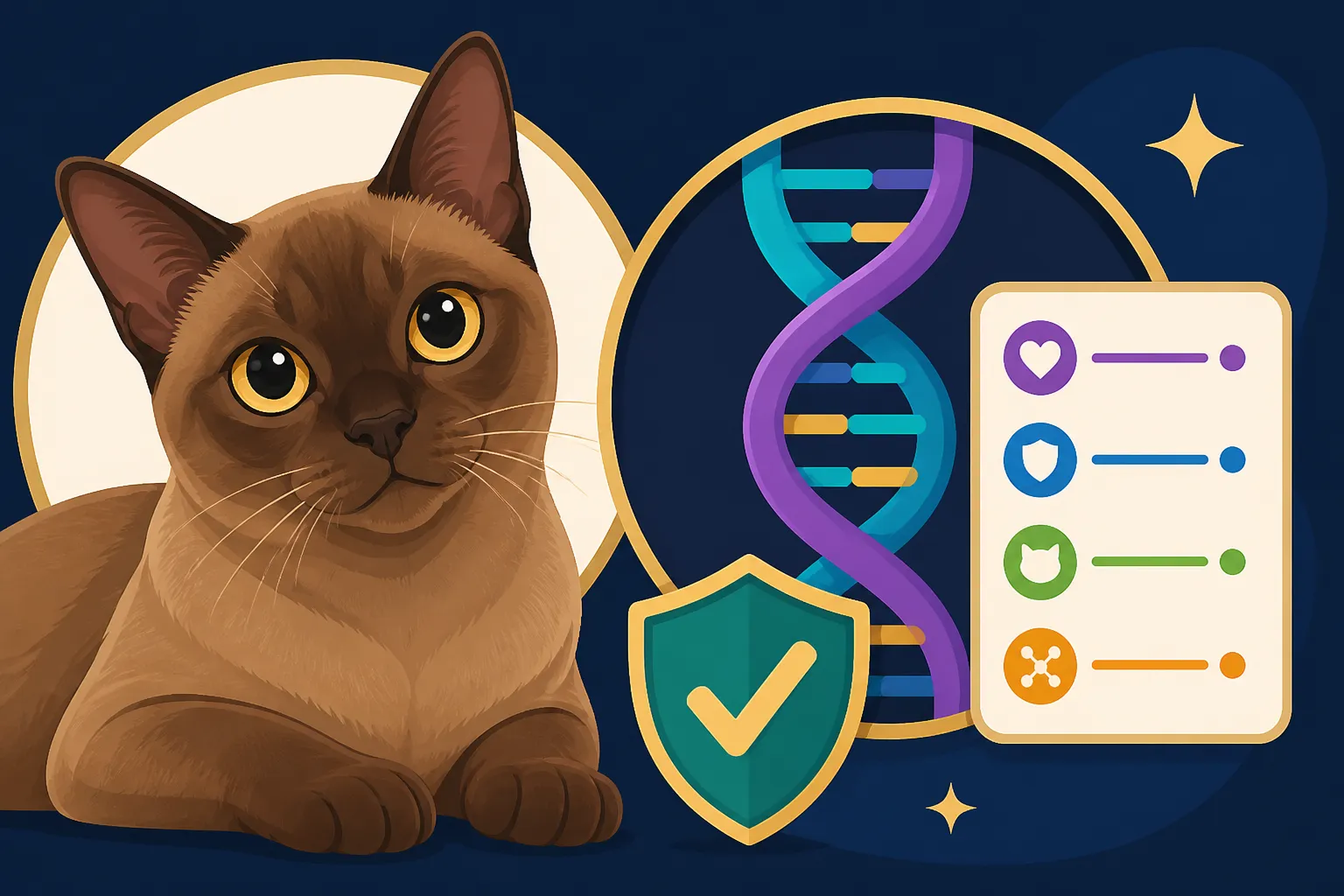
An ethical breeder isn't just someone who loves cats; they are dedicated custodians of the breed's health and future. This dedication extends far beyond simply producing healthy-looking kittens. It involves a deep understanding of feline genetics, rigorous health screening of all breeding cats, and complete transparency with prospective owners. Genetic screening, specifically a comprehensive DNA panel, is a cornerstone of this responsibility. It allows them to identify carriers of recessive genes that might otherwise pass unnoticed for generations, only to surface tragically in affected kittens. When a breeder proudly presents you with documented DNA test results for their breeding cats, they are demonstrating their commitment to the breed's integrity and your peace of mind. It’s a mark of their professionalism and their care for every life they bring into the world, ensuring that they are doing What a Burmese Breeder Must Test Before Any Mating.
Moving Beyond "Looks Good" to "Is Healthy"
It's a common misconception that if a kitten looks healthy, it is healthy. Unfortunately, many genetic conditions in Burmese cats don't show visible symptoms until much later in life, sometimes even years after they've settled into your home. A kitten could appear perfectly robust and playful, only to develop serious health issues down the line due to an unaddressed genetic predisposition. This is why relying solely on visual inspection or a general vet check-up, while important, isn't enough for a Burmese. The DNA panel provides an invaluable peek into their genetic blueprint, confirming health at a molecular level that the naked eye simply cannot perceive. It shifts the focus from superficial appearance to deep, underlying health, giving you confidence that your kitten isn't just "looks good" now, but has the best genetic foundation to "be healthy" for years to come, potentially living The Sixteen to Eighteen Years a Well Bred Burmese Gets.
The Essential Genetic Tests for Every Burmese Cat
Navigating the world of genetic testing can feel like learning a new language. But for Burmese owners, understanding a few key terms and tests is absolutely crucial. These aren't obscure, rare conditions; they are specific health challenges that have a higher prevalence in the Burmese breed and for which reliable DNA tests exist. Knowing about them allows you to ask the right questions and interpret the results provided by a responsible breeder.
Hypokalemia: The Meerkat Neck That Tells You a Burmese Has Hypokalemia
One of the most talked-about genetic conditions in the Burmese breed is Hypokalemia, also known as Familial Episodic Hypokalemic Polymyopathy. It’s a fancy name for a condition where a cat experiences episodes of extreme muscle weakness due to abnormally low potassium levels in their blood. Imagine your normally active, playful cat suddenly struggling to lift its head, walking with a stiff, painful gait, or even collapsing. These "meerkat neck" symptoms, where they might hold their head high and extended as if straining, are tell-tale signs. It's a scary sight for any owner. Thankfully, this condition is well-understood genetically, and there's a specific DNA test available. An ethical breeder will always test their breeding cats for Hypokalemia, ensuring they don't produce kittens that will suffer from this debilitating, if treatable, condition. The test identifies whether a cat is clear, a carrier, or affected, making it possible to breed responsibly. Understanding How Hypokalemia First Shows in a Burmese Kitten can make all the difference in early intervention.
Diabetes Mellitus: Why a Burmese Is Four Times More Likely to Become Diabetic
Diabetes Mellitus is another significant health concern for Burmese cats, and unfortunately, they have a genetic predisposition that makes them much more susceptible than other breeds. In fact, studies have indicated that a Burmese is Why a Burmese Is Four Times More Likely to Become Diabetic. This isn't just about diet, though that plays a huge role; it’s about their unique genetic makeup that makes their insulin regulation more fragile. While there isn't a single definitive DNA test that predicts if an individual cat will get diabetes (as lifestyle and diet factors are also critical), genetic studies have identified certain markers that indicate a higher risk within Burmese populations, particularly in Australian and European lines. A responsible breeder will be keenly aware of the diabetes history in their lines and will actively select against it, often providing information about the incidence of diabetes in their cats' pedigrees. They should also provide guidance on prevention, such as advocating for a low-carbohydrate, wet food diet from kittenhood to help mitigate this inherited risk. Knowing What Diabetes Looks Like in a Burmese can help you monitor your cat for early signs.
Burmese Head Defect: A Lethal and Recessive Concern
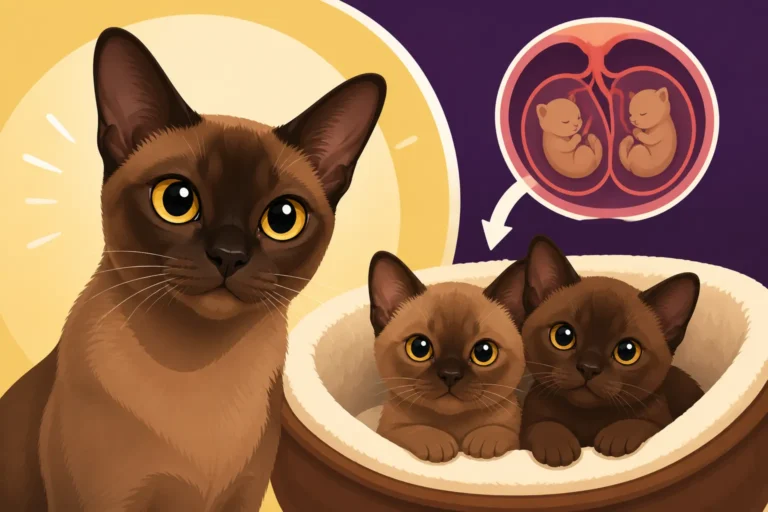
Burmese Head Defect, also known as Craniofacial Defect, is a truly heartbreaking condition. It's a recessive genetic disorder that results in severe malformations of the skull and face, leading to kittens that are often born with open skulls and other severe deformities. Sadly, affected kittens rarely survive more than a few days, if they even make it to full term. This is a lethal condition, meaning any kitten born with it will not live. The good news is that because it's a recessive genetic condition, there's a clear DNA test to identify carriers. An ethical breeder will test both parent cats to ensure that no two carriers are ever bred together. If both parents are carriers, there's a 25% chance in each litter that kittens will be affected. This is why testing is so vital – it completely prevents the birth of affected kittens, sparing immense suffering for the kittens and profound grief for the breeder and prospective owners. Without testing, this devastating condition can pop up unexpectedly, causing immense heartbreak. Understanding What Burmese Head Defect Does to a Kitten highlights the severity of this particular genetic issue.
Beyond the Big Three: Other Important Considerations
While Hypokalemia, Diabetes predisposition, and Head Defect are primary concerns for the Burmese, a comprehensive genetic panel may include other markers or health clearances that provide a more complete picture of your kitten's potential health. Some breeders may also test for conditions seen in other cat breeds that might have subtly entered certain Burmese lines, though these are less common as specific Burmese concerns. For instance, reputable laboratories like Optimal Selection (powered by Wisdom Panel) or UC Davis offer extensive feline genetic panels that can cover a wide array of conditions.
Here's a quick look at some key genetic considerations for the Burmese:
| Condition | Type of Inheritance | DNA Test Available? | Why Testing is Crucial for Burmese |
|---|---|---|---|
| Hypokalemia | Recessive | Yes | Prevents debilitating muscle weakness episodes. |
| Burmese Head Defect | Recessive | Yes | Prevents lethal craniofacial deformities in kittens. |
| Diabetes Mellitus Risk | Polygenic (complex) | Risk markers available, not a direct predictive test | Helps identify lines with higher risk, guides preventative care. |
| GM2 Gangliosidosis | Recessive | Yes | Prevents a fatal neurological disorder. |
| Flat Chested Kitten Syndrome (FCKS) | Likely Polygenic | No direct DNA test | Often managed with careful breeding and observation. |
| Progressive Retinal Atrophy (PRA) | Recessive | Yes | Prevents progressive blindness, though less common in Burmese. |
Always ask your breeder Which Tests Belong on a Burmese DNA Panel and be prepared to discuss the results in detail.
Deciphering the Results: Clear, Carrier, or Affected?
Once you receive genetic test results from a breeder, it's normal to feel a bit overwhelmed by the terminology. But understanding whether a cat is "clear," a "carrier," or "affected" is fundamental to appreciating the health status of your potential kitten and the ethical practices of the breeder. These terms are straightforward once you grasp the basics of recessive genetic inheritance.
What a "Clear" Result Truly Means for Your Kitten
A "clear" result is the gold standard for your kitten's individual health regarding a specific genetic condition. It means the cat does not carry any copies of the mutated gene associated with the disease. For you, as a pet owner, this is excellent news. If your kitten is clear for a condition like Hypokalemia or Head Defect, it means they will not develop that specific genetic disease themselves, nor will they pass it on to any offspring (should you decide to breed, which is typically restricted by pet contracts).
This clear status provides immense peace of mind. For example, a Burmese kitten that tests clear for Hypokalemia will not experience those sudden, terrifying episodes of muscle weakness. It doesn't mean they are immune to all health problems, of course, but it eliminates a significant, known inherited risk. An ethical breeder aims for all their breeding animals to be clear, or at the very least, carefully pairs carriers only with clear mates to ensure no affected kittens are produced.
Understanding "Carrier" Status and Its Breeding Implications
A "carrier" result means the cat has one copy of the mutated gene and one copy of the normal gene for a specific recessive condition. Genetically, they are heterozygous. The crucial point here is that a carrier cat will not develop the disease themselves, because they have a healthy copy of the gene to compensate. They live completely normal, healthy lives. Their significance lies solely in their potential to pass the mutated gene on to their offspring.
For a breeder, identifying a carrier is vital. A carrier cat can be safely bred, provided they are only mated with a cat that is "clear" for the same condition. This pairing will result in a litter where some kittens are clear and some are carriers, but none will be affected. The danger arises if two carriers are bred together. In such a pairing, there is a 25% chance with each kitten that it will inherit two copies of the mutated gene and thus be "affected" by the disease. This is why a breeder demonstrating knowledge of Why Two Burmese Carriers Must Never Be Bred is critical. For you, as a pet owner, if your kitten is a carrier but not affected, it means they won't get sick from that gene, but you'd be aware of its presence if you ever considered breeding (which, again, is usually prevented by contract for pet-quality cats).
The Reality of an "Affected" Diagnosis
An "affected" result signifies that the cat has inherited two copies of the mutated gene, meaning they will develop the associated genetic disease. Genetically, they are homozygous for the mutation. For lethal conditions like Burmese Head Defect, an affected kitten unfortunately won't survive. For other conditions, like Hypokalemia, an affected cat will experience the symptoms of the disease throughout its life, requiring ongoing veterinary care and management.
This is the outcome that responsible genetic testing aims to prevent entirely. An affected diagnosis is devastating, both for the cat and for the owners. For instance, a Burmese affected by Hypokalemia will regularly suffer from muscle weakness episodes, requiring potassium supplementation and veterinary attention. While some affected cats can live long lives with careful management, their quality of life may be impacted, and the financial and emotional burden on owners can be considerable. An ethical breeder, through comprehensive DNA testing, ensures that they never knowingly produce an affected kitten, showcasing their commitment to the welfare of their animals. This diligence saves families from the heartbreak and significant costs associated with managing such conditions, providing a much higher chance of a happy, healthy life for your furry companion. Understanding How the Burmese Hypokalemia Test Is Read can provide deeper insight into these results.
How to Verify a Breeder's Genetic Testing Claims
It’s one thing for a breeder to say they perform genetic testing, and another entirely to provide undeniable proof. In the journey to find your perfect Burmese, verification is key. You are not being demanding; you are being responsible and protecting yourself and your future pet. Any truly ethical breeder will not only understand this but will welcome your diligence.
Requesting Documentation and Lab Certificates
When a breeder tells you their cats are genetically tested, your immediate next step should be to respectfully request to see the official documentation. This isn't just a casual glance at a piece of paper; you need to see the actual lab certificates. These certificates should come directly from a recognized genetic testing laboratory, such as Wisdom Panel, UC Davis, or another reputable feline genetics lab. Each certificate should clearly state:
- The name of the cat being tested (matching the parent cats of the kitten you're interested in).
- The microchip or registration number of the cat (to ensure it's truly that cat).
- The date of the test.
- The specific genetic conditions tested for.
- The result for each condition (Clear, Carrier, or Affected).
Don't accept blurry photos or vague summaries. You want to see the clear, original reports. A transparent breeder will have these readily available, often laminated or in a binder, prepared to share them with serious prospective buyers. If they hesitate or offer excuses, it’s a significant red flag. They are proud of their work and their efforts to produce healthy cats, and these certificates are a testament to that work.
The Importance of Independent Verification
While looking at the lab certificates is crucial, sometimes taking an extra step can offer even more assurance. If you have any doubts, or simply want to be extra thorough, you can ask for the lab's name and contact information to potentially verify the results yourself. Some laboratories even have online portals where you can input a certificate number to confirm its authenticity. This might sound like a lot of work, but remember, you are making a commitment for potentially The Sixteen to Eighteen Years a Well Bred Burmese Gets. This level of due diligence can save you from immense heartache and unexpected veterinary bills down the line. It's an investment in your peace of mind and your cat's health.
Red Flags to Watch Out For in a Breeder's Claims
Being aware of what constitutes a red flag is just as important as knowing what to look for. Trust your gut feeling, but also pay attention to these common warning signs:
- Vague or Evasive Answers: If a breeder is unclear about which tests they perform, or uses ambiguous language like "my cats are healthy," without specific test names or results, proceed with extreme caution.
- "My Vet Said They're Fine": While a vet check is essential, it's not a substitute for a specific DNA panel for inherited conditions. Many genetic conditions are asymptomatic until much later in life, and a vet cannot "see" a carrier status without a lab test.
- Refusal to Show Certificates: This is perhaps the biggest red flag. If a breeder will not provide official lab documentation, or only offers copies that look altered or unprofessional, walk away. Period.
- Lack of Knowledge: A responsible breeder should be able to explain the conditions they test for, why they test for them, and what the results mean. If they seem uninformed or dismissive of genetic health, it suggests a lack of commitment to ethical breeding.
- Low Prices Without Explanation: While not always a red flag, an unusually low price for a Burmese kitten can sometimes indicate cut corners, including foregoing expensive but necessary genetic testing. Remember, What a Full Burmese DNA Panel Costs can be significant, and this cost is factored into the kitten price by reputable breeders.
Choosing a breeder is one of the most important decisions you'll make. By knowing how to verify their claims, you significantly increase your chances of bringing home a truly healthy, well-bred Burmese.
The Long-Term Impact of a Comprehensive DNA Panel
Investing time and effort into verifying a breeder's genetic panel might seem daunting at first, but the long-term benefits for both you and your Burmese companion are immeasurable. It’s about more than just avoiding a specific disease; it’s about setting the stage for a lifetime of health, happiness, and predictable care. Think of it as a foundational assurance, like getting a robust home inspection before buying a house.
Proactive Health Management and Early Detection
When you know your Burmese kitten's genetic predispositions from day one, you gain an incredible advantage in proactive health management. For example, knowing that the Burmese breed is four times more likely to become diabetic means you'll be extra vigilant about their diet, exercise, and weight from kittenhood. You'll understand Why Portion Control Is Medical Care in a Burmese and opt for high-protein, low-carbohydrate wet foods rather than free-feeding kibble. If your kitten is a carrier for Hypokalemia (and thus cannot develop the disease itself but gives insight into the lineage), you might be more aware of the signs of muscle weakness if they were ever to appear from another cause.
This genetic insight allows you and your veterinarian to tailor a preventative healthcare plan specific to your cat's risks. You can monitor relevant health markers more closely during routine check-ups, potentially catching any subtle changes early. This proactive approach can significantly improve outcomes, slow disease progression, and maintain a higher quality of life for your cat for much longer. It moves you from reacting to problems to actively preventing them, a far less stressful and often more effective path.
Financial Implications and the True Cost of Care
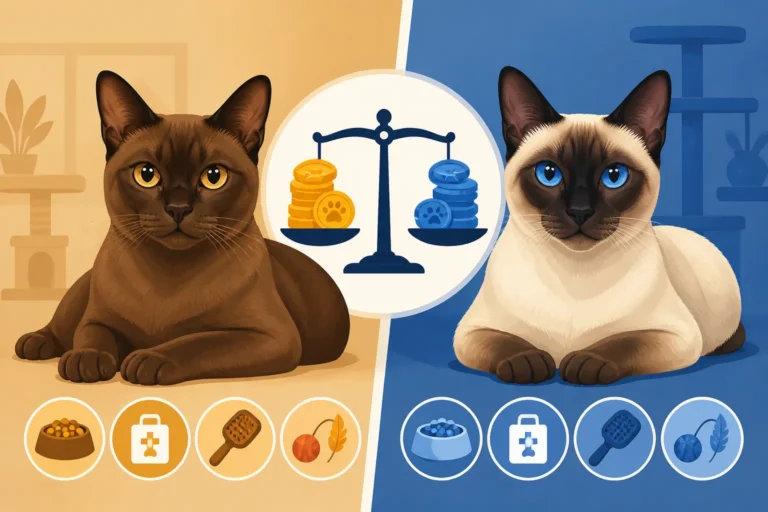
While a well-bred Burmese kitten from health-tested parents might have a higher initial price tag, the savings in potential veterinary bills over their lifetime can be astronomical. Imagine the cost of managing a cat with severe Hypokalemia, requiring frequent vet visits, diagnostic tests, and ongoing potassium supplementation. Or the continuous expense of insulin injections, special diets, and monitoring for a diabetic cat. These can quickly add up to thousands of dollars annually, not to mention the emotional toll.
A comprehensive DNA panel, along with a breeder's commitment to eliminating these risks, is a critical part of calculating What a Burmese Costs Over Sixteen Years. It's an investment in preventative health that pays dividends. While pet insurance companies like Healthy Paws can certainly help mitigate unexpected costs, genetic predispositions for conditions like diabetes often mean they are excluded as pre-existing conditions if symptoms appear before coverage begins. Starting with a genetically sound kitten reduces the likelihood of these expensive, chronic issues, making the overall cost of care more manageable and predictable. This allows you to budget for regular, preventative care and high-quality nutrition, rather than unexpected medical crises.
Contributing to the Health of the Burmese Breed
By choosing a breeder who meticulously performs DNA panels and transparently shares the results, you are doing more than just protecting your individual kitten; you are actively supporting the long-term health and integrity of the entire Burmese breed. Every responsible breeding decision, informed by genetic testing, helps to reduce the prevalence of inherited diseases in future generations.
Conversely, supporting breeders who cut corners on genetic testing perpetuates these health issues within the breed, leading to more suffering animals and more heartbroken families. Your choice as a buyer has a direct impact on breeding practices. By demanding genetic transparency, you encourage higher standards across the board, contributing to a healthier future for all Burmese cats. It's a powerful way to vote with your wallet and ensure that the beautiful traits of the Burmese are preserved without the burden of preventable genetic illnesses.
Beyond the DNA Panel: Other Health Checks Your Kitten Needs
While a DNA panel provides invaluable insight into your Burmese kitten's genetic blueprint, it's just one piece of the overall health puzzle. A truly comprehensive health check goes beyond genetics to ensure your kitten is thriving in every way. An ethical breeder and a diligent new owner will ensure several other crucial health screenings and preventative measures are in place before and after your kitten comes home.
Why a Burmese Kitten's Chest Should Be Checked at Birth
One critical, non-genetic but often inherited, condition to be aware of in kittens is Flat Chested Kitten Syndrome (FCKS). This condition, where the rib cage flattens or collapses, can severely impact a kitten's ability to breathe and develop properly. While the exact genetic mechanism isn't fully understood, it's often seen in certain lines and requires careful monitoring from birth.
A responsible breeder will be meticulously checking each kitten's chest from the moment it's born and in the subsequent weeks. They'll know Why a Burmese Kitten's Chest Should Be Checked at Birth. They can often provide early intervention and support, as some mild cases can improve with careful handling and supportive care. When you pick up your kitten, or even before, ask the breeder about their experience with FCKS and how they monitor their litters. A good breeder will be open about their protocols and reassure you about the health of their kittens in this regard, ensuring that any issues were identified and managed long before you even met your furry friend.
The Value of Regular Veterinary Check-ups
Even with all the genetic testing and breeder transparency in the world, regular veterinary check-ups are non-negotiable for your Burmese. These routine visits are crucial for several reasons:
- Early Detection of Non-Genetic Issues: Vets can catch conditions that aren't genetic but are still important, such as parasites, infections, or environmental allergies.
- Vaccinations and Parasite Control: Ensuring your kitten is up-to-date on its vaccinations and protected from fleas, ticks, and worms is fundamental to their health.
- Growth and Development Monitoring: Your vet will track your kitten's weight, growth, and overall development, ensuring they are hitting all their milestones appropriately. They can confirm your kitten's body condition and advise on portion control.
- Dental Health: The Burmese are particularly prone to gum disease, so early attention to dental health is paramount. Your vet can provide advice on how often a Burmese needs a dental and how to start a home brushing routine.
- Establishing a Baseline: Regular check-ups establish a baseline of health, making it easier for your vet to spot when something is amiss later in your cat's life.
Your veterinarian becomes a critical partner in your Burmese's care journey. Don't underestimate the power of these routine visits for maintaining optimal health, even in a genetically sound cat.
Starting Good Care Habits Early for a Long, Healthy Life
Bringing your Burmese kitten home is the beginning of a beautiful relationship, and it’s also the perfect time to instill excellent care habits that will serve them throughout their life. These habits, combined with the assurance of a thorough DNA panel, lay the groundwork for a long, healthy, and happy existence.
One of the most important habits is consistent, weighed feeding with a high-quality, low-carbohydrate wet food. Given the Burmese predisposition to diabetes, this is paramount. Avoid free-feeding dry kibble at all costs. Establish a routine of two measured meals a day, using a food with an appropriate nutritional profile, and stick to it. Hydration is also key; consider a water fountain to encourage drinking, as proper water intake is vital for kidney health and can be an early indicator of issues like diabetes if it increases dramatically.
Regular grooming, though minimal for the short-coated Burmese, is still important. Wiping their satin coat with a chamois cloth not only keeps it gleaming but also allows you to check for any skin issues or changes in body condition. And critically, start brushing your kitten's teeth from twelve weeks old. The Burmese are unfortunately susceptible to Why a Burmese Is Prone to Gum Disease, and early dental hygiene can make a significant difference in preventing painful dental disease and tooth loss later in life. These small, consistent efforts compound over time, ensuring your genetically sound Burmese cat enjoys the fullest, healthiest life possible by your side.
Disclaimer
This article is for general informational purposes only and does not constitute professional advice. Laws, prices and regulations vary by location and change over time. Consult a qualified professional for guidance on your specific situation.