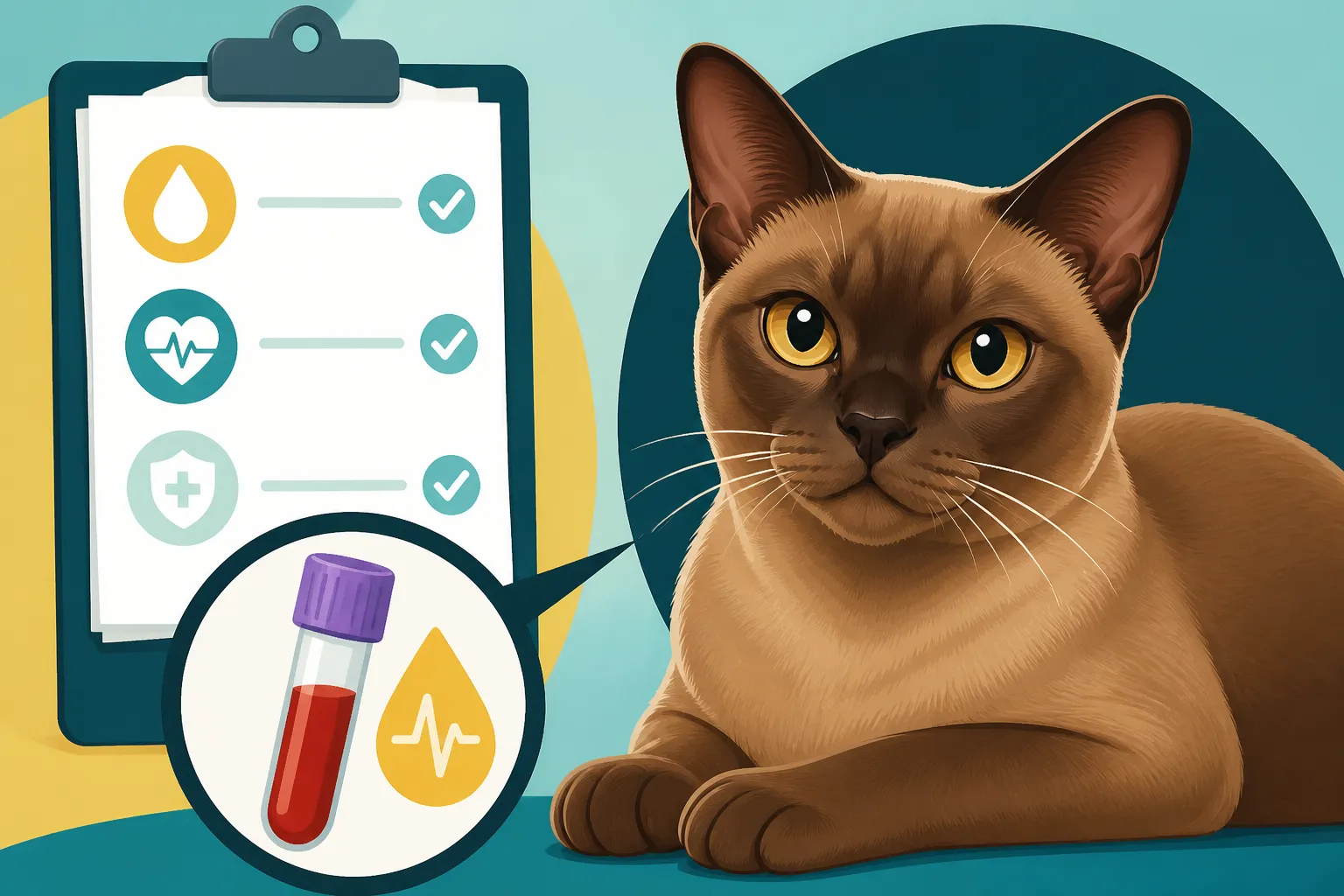
Why Hypokalemia Results Belong on a Burmese’s Paperwork
Bringing a Burmese kitten home is an exciting time, full of dreams of cuddles and playful antics. However, the joy can quickly turn to anxiety when you realize your new feline family member might be susceptible to a serious inherited health condition, and you don't have all the information you need. Many prospective owners are not fully aware of the importance of genetic testing, especially for conditions like hypokalemia, and how crucial it is to see those results explicitly stated on a kitten's paperwork. This guide will meticulously walk you through why hypokalemia test results are a non-negotiable part of your Burmese cat's official records, and what to look for to ensure your furry friend has the best start in life.
Understanding Feline Hypokalemia: A Burmese Concern
Hypokalemia, or Familial Episodic Hypokalemic Polymyopathy, is a condition that specifically impacts the beautiful Burmese breed, leading to episodes of muscle weakness. It's not just a minor inconvenience; it can be incredibly distressing to witness and, if left untreated, can severely impact a cat's quality of life and even lead to more serious complications. For any dedicated Burmese owner, or someone considering becoming one, understanding this condition is paramount.
What Hypokalemia Does to a Burmese Cat
Imagine your lively, playful Burmese suddenly becoming weak, struggling to lift its head, or walking with an unsteady, stiff gait. This is often the heartbreaking reality of a hypokalemic episode. The condition manifests as temporary muscle weakness, caused by abnormally low levels of potassium in the blood. These episodes can vary in severity, from a slight tremor or stiffness to full-blown collapse where the cat struggles to move at all. It's a shocking sight to behold, especially in a breed known for its boundless energy and affectionate nature.
During an episode, your cat might seem disoriented or distressed. The neck muscles are particularly vulnerable, leading to the characteristic "meerkat neck" posture where the cat cannot hold its head up properly and it sags forward, giving them an almost questioning or vulnerable look. This isn't just uncomfortable; it can make eating and drinking difficult, adding to their overall suffering. The episodes can be triggered by stress, excitement, or even strenuous exercise, meaning that even routine playful activities can lead to a collapse. Knowing How Hypokalemia First Shows in a Burmese Kitten can help you identify these subtle but critical early warning signs.
The Genetic Basis of Burmese Hypokalemia
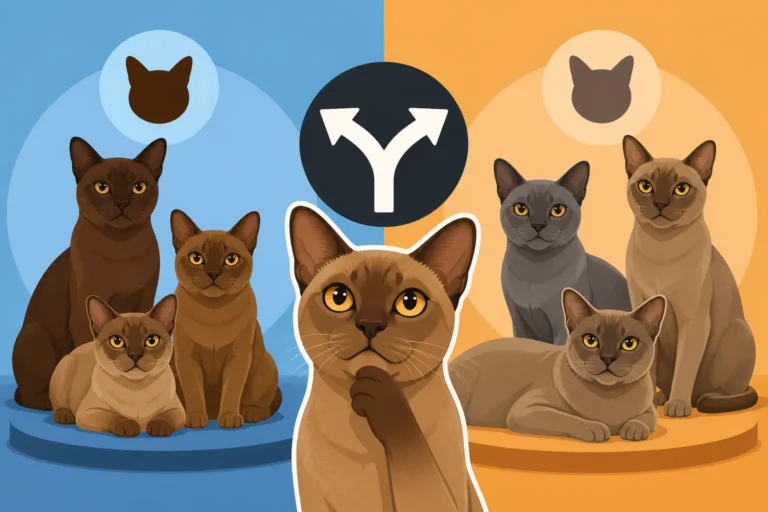
This isn't just a random ailment; it's a genetic hand-me-down, specifically linked to a mutation in the WNK4 gene. This means that if a Burmese carries this gene, they have the potential to develop or pass on the condition. The mode of inheritance is autosomal recessive, which sounds complicated, but essentially means a kitten needs to inherit two copies of the mutated gene (one from each parent) to be affected by the disease. Cats that inherit only one copy of the mutated gene are known as carriers. They don't typically show symptoms themselves, but they can still pass the gene on to their offspring.
This genetic distinction is why breeding clear-to-clear or clear-to-carrier is acceptable, but breeding two carriers together is a huge risk. If What the WNK4 Mutation Does in a Burmese is passed down from both parents, the kitten will be affected. Understanding this genetic background is absolutely fundamental for ethical breeding practices and for ensuring the health of future generations of Burmese cats. Without proper testing, a breeder could unknowingly be producing kittens destined to suffer from this debilitating condition, which is a major ethical red flag.
The Importance of Genetic Testing for Breeders
Responsible breeding goes far beyond selecting for beautiful coats or charming personalities. It involves a deep commitment to the health and well-being of the breed, which includes rigorous genetic testing. For a breed like the Burmese, with known predispositions to specific inherited diseases, genetic screening for hypokalemia is not just a recommendation; it's an absolute necessity.
Preventing the Spread of Inherited Diseases
Genetic testing acts as the first line of defense against propagating inherited conditions like hypokalemia. By identifying which cats are clear, carriers, or affected, breeders can make informed decisions about mating pairs. The goal is always to minimize the risk of producing affected kittens. A conscientious breeder will never knowingly breed two carriers together because there's a 25% chance that each kitten in that litter will be affected by hypokalemia, a 50% chance they'll be carriers, and only a 25% chance they'll be completely clear. This is a gamble no responsible breeder should take.
Imagine the emotional and financial toll on an owner who discovers their beloved kitten is suffering from a preventable genetic disease. It’s a burden that could have been avoided with proper pre-breeding screening. This is why the genetic health of the parent cats is such a critical part of a kitten's early life and why reputable breeders are transparent about their testing protocols. They understand that their choices today impact generations of cats and their future families. In fact, What a Burmese Breeder Must Test Before Any Mating should always include a hypokalemia panel.
Breeder Transparency and Ethical Practices
A breeder's willingness to provide comprehensive genetic paperwork is a direct reflection of their ethical standards and commitment to the breed's health. It shows they are not only testing their cats but are also confident in their breeding program. When you're looking for a Burmese kitten, this transparency should be at the top of your list of non-negotiable requirements. A breeder who hesitates, makes excuses, or claims that testing isn't necessary for their lines is a significant red flag.
Ethical breeders invest time and money in these tests because they prioritize the health of their kittens over profit. They understand that a healthy kitten is the best advertisement for their cattery. They will readily share the results, explain what they mean, and even discuss their breeding strategy based on those results. This open dialogue builds trust and assures you that you are getting a kitten from a responsible source. Conversely, a cheap Burmese kitten without this documentation is often a sign that the breeder skipped the crucial genetic screening. Why a Cheap Burmese Skipped the Hypokalemia Swab is almost always because the breeder wanted to save money, not because their lines are somehow magically immune.
Decoding Your Burmese's Hypokalemia Paperwork
When you receive paperwork for your Burmese kitten, it can sometimes feel like you're staring at a foreign language, especially when it comes to genetic test results. However, understanding these documents is vital. They tell you the genetic story of your cat and provide crucial insights into its future health risks, particularly concerning hypokalemia.
What to Look For in a Genetic Test Report
A proper genetic test report for hypokalemia will typically come from a reputable veterinary genetics lab. It should clearly state the name of the cat tested, its registration number (if applicable), and the specific test performed, which would be for the WNK4 gene mutation. Most importantly, it will explicitly state the result, which usually falls into one of three categories:
- Clear (or N/N): This means the cat does not have the mutated gene and cannot pass it on to its offspring. This is the ideal result for breeding stock, especially when paired with a carrier.
- Carrier (or N/K, K/N, or N/WNK4): This means the cat has one copy of the mutated gene. It is unlikely to show symptoms of hypokalemia itself, but it can pass the gene to 50% of its kittens. This cat can be safely bred with a "Clear" cat, as no affected kittens will be produced.
- Affected (or K/K, WNK4/WNK4): This means the cat has two copies of the mutated gene and will likely develop hypokalemia. Ethical breeders would not breed an affected cat, and any affected cat needs careful management throughout its life.
The report should also include the date the test was performed, the lab that conducted it, and often the signature of the veterinarian or geneticist. Knowing How the Burmese Hypokalemia Test Is Read can empower you to interpret these crucial documents confidently.
The Significance of Clear and Carrier Results
For a prospective kitten owner, ideally, you want a kitten from parents who are both "Clear" of the WNK4 mutation. This ensures your kitten will also be "Clear" and will not develop hypokalemia due to this genetic mutation. If one parent is a "Carrier" and the other is "Clear," the kittens will either be "Clear" or "Carrier," but none will be "Affected." This is an acceptable and responsible breeding practice, as carriers typically do not show symptoms and can live full, healthy lives. However, if your kitten is a carrier, you would then know that if you ever decided to breed it (which should only ever be done responsibly and after extensive research and vet consultation), you would need to pair it with a "Clear" partner.
It's about having the knowledge upfront. Even if your kitten is a carrier, that information allows you to be proactive. You can ensure your vet is aware, watch for any subtle signs, and avoid any breeding choices that could lead to affected kittens. This transparency is also important for pet insurance. If you have documentation of your cat's genetic status before any symptoms arise, it might impact how a provider like Healthy Paws views future claims related to hypokalemia, should they ever occur.
| Parent 1 Genetic Status | Parent 2 Genetic Status | Offspring Probabilities (Affected / Carrier / Clear) | Ethical Breeding Practice? |
|---|---|---|---|
| Clear | Clear | 0% Affected / 0% Carrier / 100% Clear | Yes, ideal |
| Clear | Carrier | 0% Affected / 50% Carrier / 50% Clear | Yes, responsible |
| Carrier | Carrier | 25% Affected / 50% Carrier / 25% Clear | No, high risk |
| Clear | Affected | 0% Affected / 100% Carrier / 0% Clear | Not ideal, but no affected |
| Carrier | Affected | 50% Affected / 50% Carrier / 0% Clear | No, high risk |
| Affected | Affected | 100% Affected / 0% Carrier / 0% Clear | Absolutely not |
This table clearly illustrates why Why Two Burmese Carriers Must Never Be Bred is such a critical rule for responsible breeders to follow, and why seeing the paperwork matters to you as an owner.
What to Do If Hypokalemia Paperwork Isn't Provided
Coming across a breeder who is reluctant or unable to provide hypokalemia test results for their breeding cats is a major cause for concern. It puts you, and potentially your future kitten, in a precarious position. Navigating this situation requires careful consideration and a firm stance on what you are willing to accept.
Red Flags from Breeders
If a breeder tells you their lines "don't have" hypokalemia, or that they "haven't had any issues," without providing proof, consider it a serious red flag. Unfortunately, some breeders might try to cut corners to save on testing costs or might be unaware of the risks. Others might simply not care. However, with a known genetic predisposition in the breed, such claims without verifiable documentation are simply not good enough. It's a bit like buying a house and being told the foundations are "probably fine" without an inspection report. You wouldn't accept it for a house, and you shouldn't for a living, breathing creature that will become part of your family.
Another red flag is a breeder who pressures you into making a quick decision or refuses to let you see the parents of the kitten. A reputable breeder will be proud of their healthy cats and their genetic testing program. They will take their time to answer all your questions and provide you with all necessary documentation. Remember, you are making a commitment for potentially The Sixteen to Eighteen Years a Well Bred Burmese Gets, and you deserve full transparency regarding their health.
Insisting on Verification and What to Accept
When a breeder presents a kitten, they should automatically provide a copy of the parent cats' (at minimum, but ideally the kitten's) hypokalemia test results. If they don't, you must insist on seeing them. Ask for copies of the official lab reports, not just a verbal assurance or a breeder's own handwritten note. These reports should clearly indicate the test date, the specific gene (WNK4) tested, and the result (Clear, Carrier, or Affected) for both parents.
If the breeder states that the kitten itself has been tested, that's even better, though less common for young kittens. If only the parents' results are available, ensure that at least one parent is "Clear," and if one is a "Carrier," that the other parent is definitely "Clear" to guarantee the kitten won't be affected. If a breeder cannot or will not provide this documentation, it's a strong indication that you should walk away. It might be disappointing, especially if you've fallen in love with a particular kitten, but protecting yourself from potential future heartbreak and costly veterinary bills is paramount. Investing in a kitten from a responsible breeder, even if it means waiting longer or paying a bit more, is an investment in health and peace of mind. For a rescue Burmese, which may not come with any history, Why a Rescue Burmese Should Still Be Tested is crucial for their long-term health plan.
Long-Term Implications and Owner Responsibilities
Even with perfect paperwork, owning a Burmese comes with responsibilities. Knowing your cat's genetic status for hypokalemia, whether clear or a carrier, informs how you approach their care throughout their life. It's about being prepared and proactive, rather than reactive.
Managing a Carrier or Potentially Affected Cat
If your Burmese kitten is identified as a carrier, or if you've adopted a cat without full genetic history and decide to have it tested as a carrier, don't panic. Carriers typically don't show symptoms of hypokalemia themselves. However, it's wise to inform your veterinarian of this status. This knowledge allows your vet to be extra vigilant if your cat ever presents with unusual muscle weakness or stiffness, ensuring they consider hypokalemia as a potential diagnosis early on. It also ensures that if you consider breeding, you are fully aware of the genetic implications, which is why Why a Burmese Carrier Can Still Be Bred Carefully is only possible if paired with a clear cat.
For a cat that is identified as affected, the management becomes more intensive. These cats will likely experience hypokalemic episodes, and their care revolves around preventing and managing these occurrences. This often involves dietary changes, such as ensuring a diet rich in potassium, and potentially potassium supplementation as prescribed by your vet. Regular veterinary check-ups are essential to monitor potassium levels and overall health. Resources like Chewy or your local pet store can be valuable for sourcing specific high-quality diets or supplements recommended by your vet to support your cat's health. Any specific dietary needs for hypokalemia should always be discussed with a vet. The goal is to minimize episodes and ensure the cat can still live a comfortable, happy life. Knowing What Potassium Supplementation Does for a Burmese can be a game-changer for affected cats.
Lifetime Care and Veterinary Awareness
Even if your Burmese is genetically clear of hypokalemia, maintaining a close relationship with your veterinarian is crucial for their lifelong health. Regular check-ups allow for early detection of any health issues, genetic or otherwise. Burmese cats, like many purebreds, can have other predispositions, and a vet familiar with the breed can provide tailored advice.
Make sure your vet is aware of any genetic tests your cat has undergone and keep their medical records updated. This proactive approach ensures that if any unusual symptoms arise, your vet has a full picture of your cat's genetic background, helping them to diagnose and treat conditions more effectively. This is particularly important as cats age. Being aware of potential signs of illness, even subtle ones like changes in drinking habits (which can be a sign of other Burmese-prone conditions like diabetes), can make a significant difference. Ultimately, understanding your Burmese's genetic makeup for hypokalemia is not just about avoiding a specific disease; it's about building a foundation for comprehensive, informed care throughout their entire life.
Disclaimer
This article is for general informational purposes only and does not constitute professional advice. Laws, prices and regulations vary by location and change over time. Consult a qualified professional for guidance on your specific situation.