Whether a Rescue Burmese’s Type Can Be Identified
Bringing a rescue cat into your home is an incredibly rewarding experience, full of love and discovery. But when that rescue cat is a stunning Burmese, you might find yourself wondering about their specific heritage. Without pedigree papers, distinguishing between the American and European Burmese types can feel like trying to solve a beautiful, purring mystery. This guide aims to shed light on the subtle distinctions between these two wonderful types and help you understand what you can realistically identify in your beloved rescue.
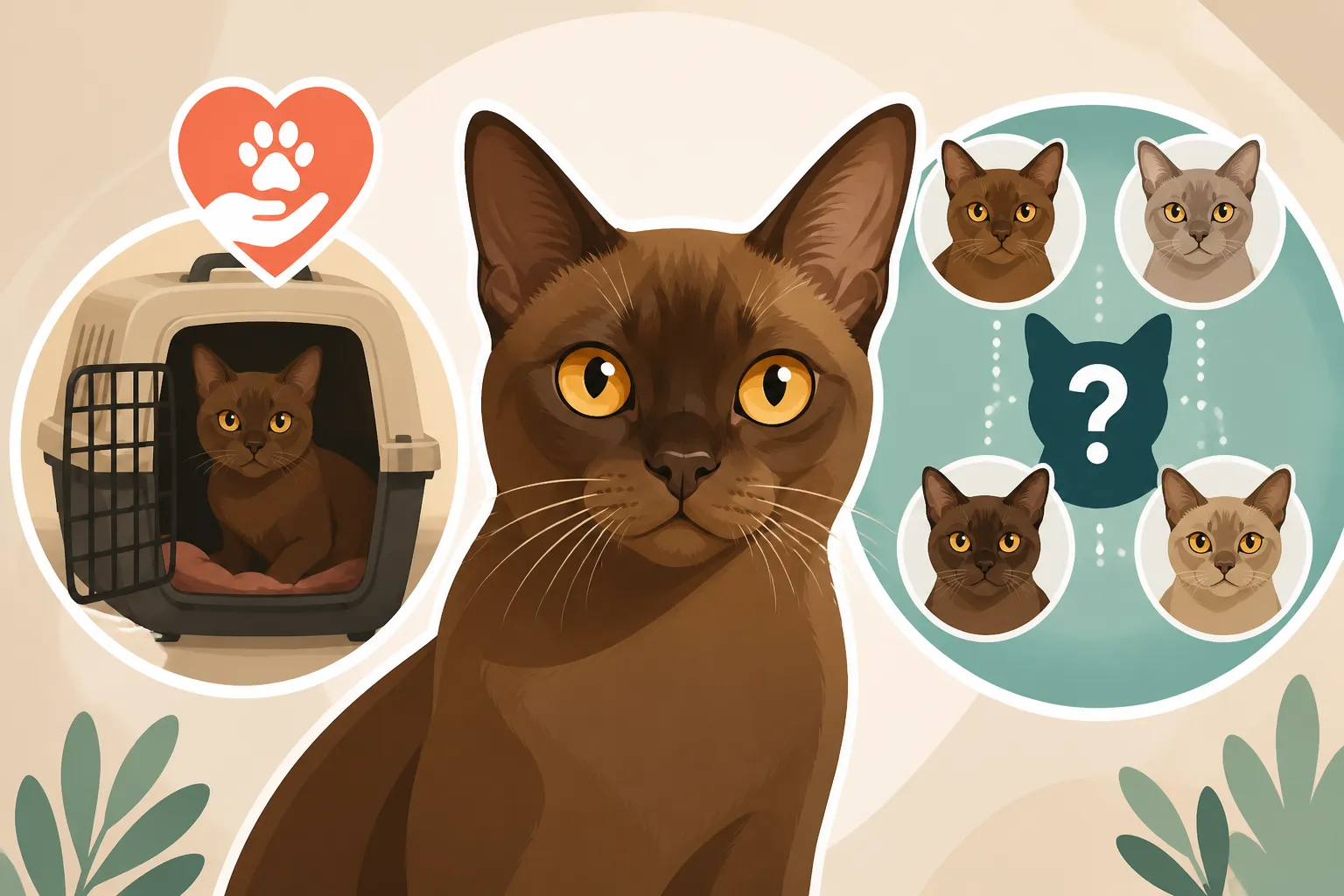
The Challenge of Identifying a Rescue Burmese's Type
One of the biggest joys of welcoming a rescue into your family is the chance to give a loving home to a cat who needs it. However, this often comes with a bit of a blank slate when it comes to their background. For a breed like the Burmese, which has two distinct types recognized by different registries, this lack of history can make specific identification quite a puzzle.
Why Pedigree Papers are Usually Absent
When you adopt a rescue Burmese, the most reliable source of information – their pedigree papers – is almost certainly going to be missing. Rescue organizations focus on immediate welfare and rehoming, not tracing lineage. Most purebred cats who end up in rescue situations have either been surrendered by owners who couldn't keep them, perhaps due to financial hardship or changing life circumstances, or they might be strays whose origins are completely unknown. In these cases, the original breeding documentation, which would definitively state whether they are American or European type, is simply not available. A reputable breeder provides extensive paperwork, including health clearances and pedigree information, but this critical documentation rarely makes its way through the rescue system.
The Subtle Differences Between American and European Types
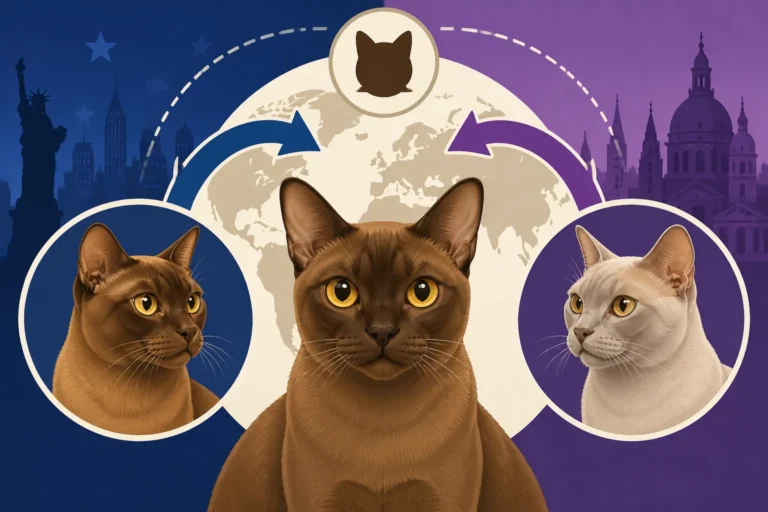
The American and European Burmese developed along different lines after the original Burmese cat, Wong Mau, was brought to the United States. While they share a common ancestor and many wonderful traits, dedicated breeders in different regions shaped them according to distinct breed standards. This led to subtle, yet noticeable, differences in their physical appearance. Think of them as cousins from different branches of the same family tree. The genetic divergence means that while they are both undeniably Burmese, their "look" has evolved. This is why when you hear discussions about the breed, it's often pointed out that There Are Two Burmese and They Are Priced Apart, reflecting their separate developmental paths and associated values.
Visual Cues: What Physical Traits to Look For
Without papers, your best bet for identifying your rescue Burmese's type comes down to a careful observation of their physical traits. This is where a keen eye and some knowledge of breed standards become your allies. It's not always easy, as individual cats can vary, but certain features are characteristic of each type.
Head Shape and Muzzle Length
The head is often the most telling feature when trying to discern between the American and European Burmese types. The American Burmese typically has a very distinct, rounded head. Imagine a perfect circle when looking at their face, with full, prominent cheeks that contribute to this sweet, cherubic appearance. Their muzzle tends to be shorter and broader, giving them a softer, less angular profile. If you want to dive deeper into this, you can read more about What an American Burmese's Head Should Look Like.
In contrast, the European Burmese tends to have a more wedge-shaped head, which is still broad but tapers gently towards a longer, more refined muzzle. Their cheeks are less full, and their profile might appear a bit more elegant and less blunt than their American counterparts. For a visual reference, checking out What a European Burmese's Head Should Look Like can provide helpful comparison points. It's important to remember that judging these differences can be subjective, and mixed lines or less-than-perfect examples of either type can blur these distinctions significantly.
Body Build and Overall Conformation
Beyond the head, the body type and overall conformation offer further clues. The American Burmese is often described as compact and cobby, almost like a "brick wrapped in silk." They possess a deceptively heavy and muscular build, with a broad chest and a relatively short back. This stocky appearance contributes to their robust feel. If you've ever picked one up, you'll understand why it's often said that Why a Burmese Is Heavier Than It Looks.
The European Burmese, while still muscular and substantial, generally presents a more elegant, moderate, and svelte body. They are typically longer in the body and leg, giving them a less cobby and more graceful silhouette. Their physique leans towards being athletic and streamlined. However, an overweight cat of either type can mask these inherent structural differences, making accurate assessment challenging.
Eye Shape and Color
Both types of Burmese are famous for their captivating, expressive golden-yellow eyes. The intensity and shade can vary, from a pale yellow to a deep, rich gold. However, the shape of the eyes can offer another subtle differentiator. The American Burmese typically has rounder eyes, set a bit wider apart, contributing to their open and innocent expression.
The European Burmese, on the other hand, often has eyes that are described as more almond-shaped, perhaps a touch more angled. While still large and luminous, they might appear slightly less round. Again, these are subtle differences, and the lighting or even the cat's current mood can affect how their eyes appear. Regardless of type, the striking eye color is a hallmark of the breed, a beautiful counterpoint to their rich, satin coats.
Here’s a quick overview of the key physical distinctions:
| Feature | American Burmese | European Burmese |
|---|---|---|
| Head Shape | Distinctly round, full cheeks | More wedge-shaped, tapers gently, less full cheeks |
| Muzzle Length | Shorter, broader, blunt | Longer, more refined |
| Eye Shape | Round, wide-set | More almond-shaped, slightly angled |
| Body Build | Compact, cobby, muscular ("brick in silk") | Elegant, svelte, moderate, athletic |
| Leg Length | Shorter, proportionate to cobby body | Longer, contributing to svelte appearance |
Beyond Visuals: Genetic and Health Considerations
While visual assessment can give you an educated guess, it's rarely definitive for a rescue. What's far more important for any Burmese, regardless of type, is understanding their genetic predispositions and ensuring they receive appropriate veterinary care.
General Breed Identification vs. Type Specificity in DNA Tests
If you're really curious, you might consider a genetic DNA test for your rescue cat. These tests can confirm breed ancestry, telling you if your cat is indeed primarily Burmese. However, it's crucial to understand their limitations: most commercially available DNA tests for cats are not sophisticated enough to distinguish between the American and European Burmese types. They can identify markers common to the broader Burmese breed, but the subtle genetic variations that define the two distinct type standards are typically beyond their scope.
What these tests can do, and what is far more important for your cat's well-being, is screen for common genetic health conditions. For Burmese cats, this includes a predisposition to certain issues. Learning about Which Diseases the Burmese Actually Carries is invaluable, as it empowers you to be proactive about their health. Even if you can't pin down their exact lineage, knowing they carry Burmese genes means you should be vigilant for specific health concerns.
The Importance of a Full Health Check for Any Burmese
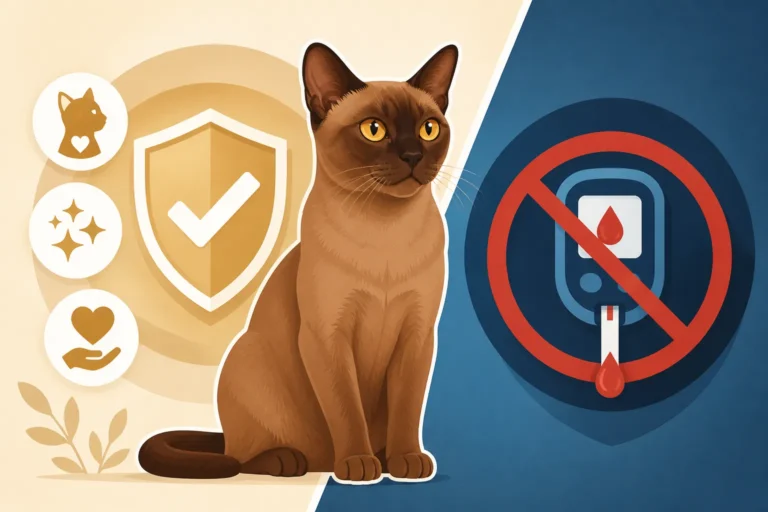
Whether your rescue is an American or European type, or a lovely blend that defies easy categorization, their health needs remain largely the same. All Burmese cats are known for their high intelligence, incredible affection, and unfortunately, a significant predisposition to certain health issues, particularly diabetes. This is why a thorough veterinary check-up is paramount for any rescue. Why a Rescue Burmese Should Still Be Tested for common Burmese health concerns, even if you have no background information, cannot be stressed enough.
Your vet can conduct blood tests, check their glucose levels, and discuss a preventative diet. For example, Burmese cats are notoriously Why a Burmese Is Four Times More Likely to Become Diabetic compared to other breeds, making dietary management a critical part of their care. This means carefully controlling carbohydrate intake and avoiding free-feeding. If your cat does develop a chronic condition, having pet insurance like Healthy Paws can provide immense peace of mind, helping to cover unexpected veterinary costs for diagnostics and ongoing treatment.
Living with a Burmese, Regardless of Type
Ultimately, the exact type of your rescue Burmese might remain a charming enigma. But what's never in doubt is the incredible companion you have. The core traits that make Burmese cats so beloved transcend the subtle differences in their appearance.
Universal Burmese Temperament and Care Needs
Burmese cats, across both American and European lines, are renowned for their "dog-like" personalities. They are incredibly people-oriented, often described as "velcro cats" who demand and thrive on human companionship. They crave interaction, following you from room to room, and often enjoying riding on your shoulder or snuggling under the covers. This intense need for interaction means that Why a Burmese Cannot Be Left Alone All Day is a crucial consideration for any owner. If you have a rescue Burmese who is the only cat in the house, especially if you work long hours, you might even consider getting them a compatible companion to keep them happy and mentally stimulated. This is often why Why a Burmese Breeder Recommends Buying a Pair in the first place, as they truly thrive with company.
Beyond their affectionate nature, their active and playful spirit often lasts well into their senior years. Regular play sessions with wand toys or laser pointers are essential for their physical and mental well-being. From a nutritional standpoint, regardless of type, Feeding a Burmese Is a Medical Decision, Not a Preference. A high-protein, low-carbohydrate wet food diet is generally recommended to help manage their predisposition to diabetes. A wide selection of suitable cat foods is available, and some owners even opt for fresh food delivery services that can be tailored to their cat's specific needs.
Practical Steps for a Rescue Burmese Owner
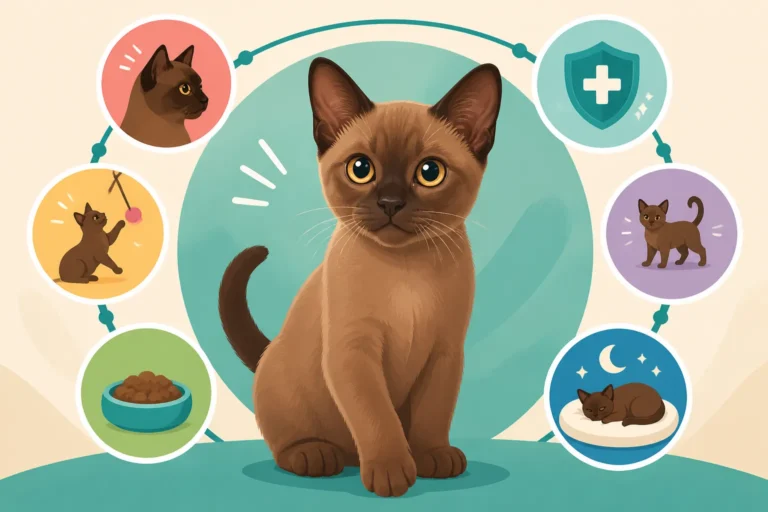
Even if you can't definitively label your rescue as American or European, you can provide them with optimal care tailored to the Burmese breed's known needs.
- Prioritize Diet: Work with your vet to establish a measured, low-carbohydrate diet. Portion control is key.
- Regular Vet Checks: Schedule routine examinations, focusing on early detection of diabetes, dental issues, and other common Burmese ailments. Why a Burmese's Weight Should Be Recorded Monthly is a simple yet effective home monitoring technique.
- Companionship: Ensure your Burmese receives plenty of attention. If they are an only cat and you're away often, explore options for a compatible feline friend or ensure you dedicate significant time to interaction when you are home.
- Enrichment: Provide plenty of toys, scratching posts, and interactive play to keep their intelligent minds stimulated.
- Monitor Water Intake: Increased thirst can be an early sign of diabetes. Pay attention to how much your cat is drinking.
By focusing on these practical care aspects, you'll be giving your rescue Burmese the best possible life, cherishing their unique personality and ensuring their health, regardless of whether their exact heritage remains a beautiful mystery.
Disclaimer
This article is for general informational purposes only and does not constitute professional advice. Laws, prices and regulations vary by location and change over time. Consult a qualified professional for guidance on your specific situation.