Making a Room Bearable for a Burmese Left Alone
It’s a familiar ache for many Burmese owners: that tug of guilt and worry as you close the door, knowing your famously social, clingy cat will be left alone for hours. Unlike some independent breeds, a Burmese thrives on companionship, and prolonged solitude can lead to genuine distress, manifesting as destructive behavior or even illness. This guide aims to help you transform a designated space into a comforting, stimulating haven, making those unavoidable periods of absence much more bearable for your beloved feline companion.
Understanding Your Burmese's Innate Need for Connection
The Burmese isn't just a friendly cat; they're often described as having a "dog-like" devotion, a desire for constant interaction that's truly unique in the feline world. This isn't just a cute quirk; it's a fundamental part of their genetic makeup and temperament. When you leave a Burmese alone, you're not just leaving a pet; you're leaving a best friend who genuinely misses your presence.
Why Solitude Is So Hard for a Burmese
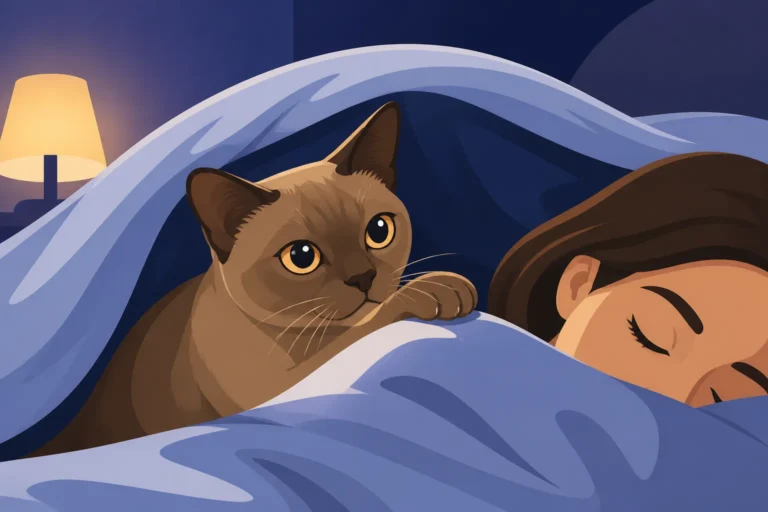
A Burmese needs to be part of the action. They want to be on your lap, riding your shoulder, or at the very least, in the same room as you, supervising your every move. This intense desire for proximity means that silence and an empty house can feel incredibly unsettling to them. It's not uncommon for owners to come home to signs of distress – whether it's items knocked over, frantic greetings, or even signs of over-grooming. The quiet can be deafening for a cat accustomed to constant chatter and physical contact. Think of it from their perspective: their entire world revolves around their human family, and suddenly, that world goes silent and still. This can be a huge source of anxiety, and it’s why understanding What Separation Anxiety Looks Like in a Burmese is so important.
The Consequences of Prolonged Loneliness
Leaving a Burmese alone for too long isn't just about feeling a bit sad; it can have tangible, negative impacts on their well-being. A truly lonely Burmese might start chewing on fabrics, over-grooming to the point of bald patches, or even developing inappropriate elimination habits outside the litter box. These aren't acts of spite; they are desperate cries for help, coping mechanisms for a cat overwhelmed by anxiety. In severe cases, constant stress can even suppress their immune system, making them more susceptible to other health issues. It really underscores Why a Burmese Cannot Be Left Alone All Day. We all have responsibilities, of course, but recognizing the breed's particular sensitivity is the first step in mitigating these issues.
Designing a Secure and Engaging Environment
Creating a designated "Burmese bearable room" involves more than just tossing in a few toys. It requires thoughtful planning to provide both security and stimulation, addressing their physical and emotional needs while you're away. This space needs to be a sanctuary, not just a holding pen.
Cat-Proofing for Safety and Peace of Mind
Before you leave your Burmese alone in any room, a thorough cat-proofing sweep is essential. These intelligent, curious cats can get into anything, and anxiety can make them even more determined to explore or chew. Start by looking at the room from your cat's perspective. Are there any loose wires they could chew through? Small objects they could swallow? Plants that might be toxic? Electrical outlets that aren't properly covered? All of these need to be secured or removed. Secure cabinet doors with childproof latches if necessary, especially if they contain cleaning supplies or medications. Why a Lonely Burmese Chews Fabric is a real concern, so remove any valuable or easily destroyed textiles. Investing in cord protectors or simply unplugging unused electronics can save you a headache and keep your Burmese safe.
Providing Vertical Space and Hiding Spots
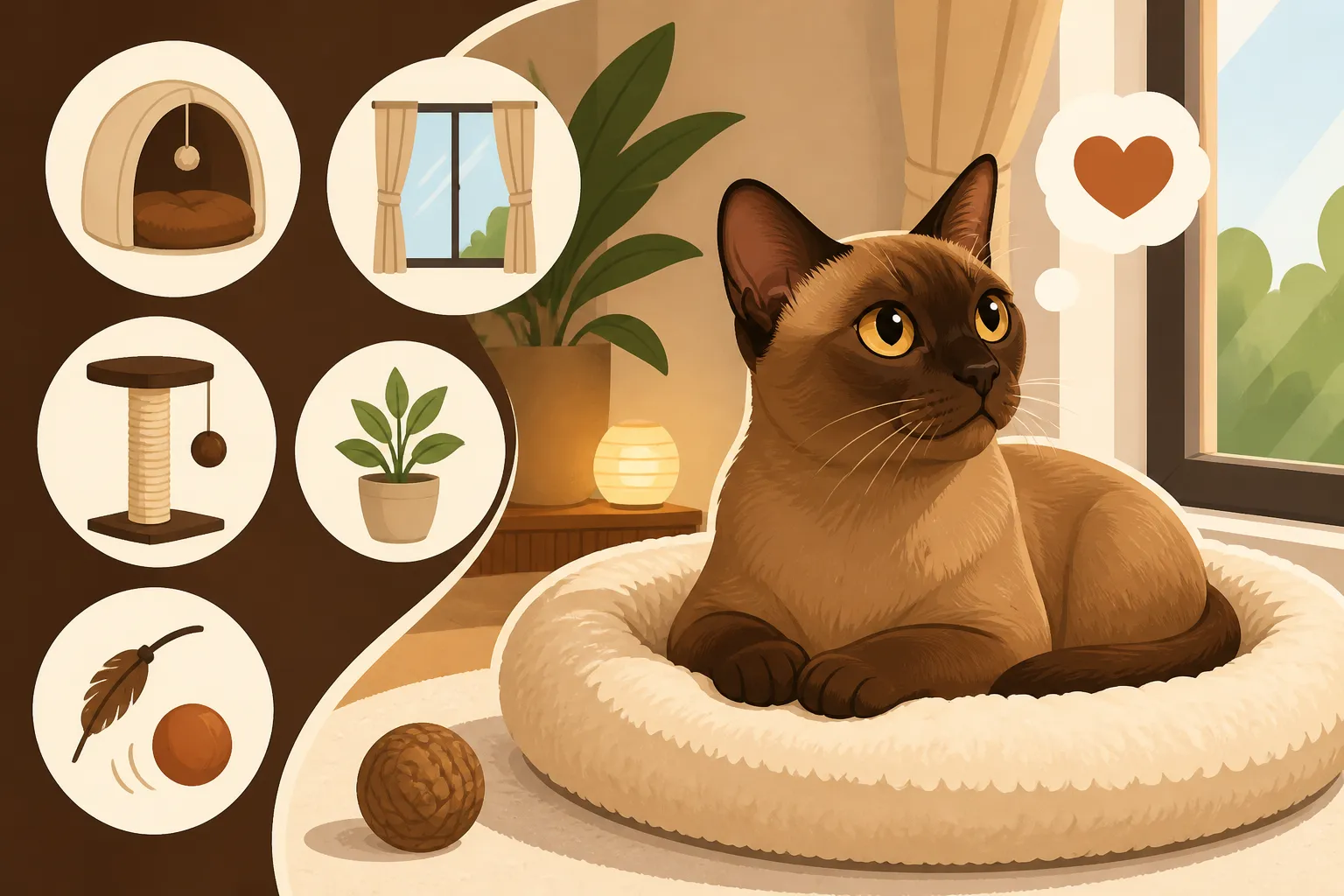
Burmese cats, while affectionate, also appreciate vertical territory and places to retreat. A sturdy cat tree or shelves strategically placed around the room can offer them elevated vantage points, allowing them to survey their domain, which instinctually makes them feel safer. They love to be up high, observing everything from a safe distance. Look for cat trees on Amazon that are tall and stable, with multiple platforms and perhaps a cozy cubby hole. In addition to verticality, ensure there are ample hiding spots. This could be a soft cat bed tucked inside a box, a pet carrier left open with a blanket, or even just a cozy space under a piece of furniture. These spots offer a sense of security and a place to decompress if they feel overwhelmed or just want some quiet time. Remember, even the most social cat needs alone time sometimes, especially when you're not there to provide comfort.
The Comfort of Familiar Scents and Sounds
When you're not there, your scent can be a powerful comfort. Leave an old, unwashed t-shirt or a blanket that smells strongly of you in their designated space. This familiar aroma can reduce stress and remind them of your presence. Similarly, ambient noise can help combat the unsettling silence. Consider leaving a radio on a talk station or classical music, or even a specialized cat-calming playlist. The human voice or soothing melodies can provide background noise that mimics a lived-in home, preventing the deep quiet that can exacerbate loneliness. Some owners even use pet-specific pheromone diffusers, available from brands like Feliway, which can release calming scents into the air. While not a substitute for companionship, these can certainly contribute to a more tranquil environment for your Burmese. Whether Noise Helps a Burmese That Hates Silence is often a resounding yes.
Enriching the Environment with Engaging Activities
A Burmese is an intelligent and playful cat, even into old age. Providing a variety of engaging activities is crucial to prevent boredom and destructive behaviors when they're left to their own devices. Without you there to play with them, they need self-directed entertainment.
Interactive Toys and Puzzle Feeders
Interactive toys are a lifesaver for a solitary Burmese. Think about toys that move unpredictably, dispense treats, or require problem-solving. Battery-operated toys that mimic prey can keep them entertained for extended periods. Puzzle feeders, which require your cat to "work" for their food, are excellent for mental stimulation and slow down eating, which is beneficial for a breed prone to diabetes. You can find a huge variety of these on Amazon, from simple treat balls to more complex mazes. Don't put out all the toys at once; rotate them daily or weekly to keep things fresh and exciting. This maintains a sense of novelty and prevents them from getting bored with the same old things. Which Toys Keep a Burmese Busy When You Are Out can make a huge difference.
Window Perches and Bird Feeders
For a cat as curious as a Burmese, a window perch is prime real estate. Securely mounted window perches, ideally overlooking a bird feeder or an interesting outdoor scene, can provide hours of passive entertainment. The sights and sounds of the outside world—birds, squirrels, passing cars—offer a constant, stimulating "cat TV" that can capture their attention and prevent boredom. Make sure the window is securely closed, of course! A comfortable, padded perch allows them to nap in the sun or vigilantly watch the world go by. This natural form of enrichment taps into their innate hunting instincts and observational skills without them actually being outside, which is important for the safety of such a trusting breed.
The Power of Play and Scheduled Interaction
Even with the best-designed room, structured play sessions before you leave and immediately upon your return are paramount. A Burmese needs vigorous playtime to burn off energy and satisfy their predatory instincts. Twenty minutes of intense wand-toy play before you head out can tire them out, making them more likely to nap peacefully while you're gone. When you return, another dedicated play session not only helps them de-stress but also reinforces your bond and signals that you're back and ready for them. Think of it as charging their social battery. Remember, How a Burmese Divides Its Day Between Lap and Play heavily leans into interaction, so you need to consciously provide it when you are around.
Here's a quick overview of enrichment ideas:
| Enrichment Type | Description | Benefits | Considerations |
|---|---|---|---|
| Puzzle Feeders | Toys that dispense food/treats when manipulated. | Mental stimulation, slows eating, prevents boredom, satisfies hunting instinct. | Start with easy puzzles; ensure they're appropriately sized for your cat. |
| Interactive Toys | Battery-operated mice, laser pointers (use sparingly), automatic teasers. | Mimics prey, provides physical activity, engages curiosity. | Ensure toys are safe and durable; supervise laser pointer use. |
| Vertical Space | Cat trees, shelves, window perches. | Sense of security, observation points, exercise, territory marking. | Must be stable and secure; place near windows if possible. |
| Hiding Spots | Cubbies, tunnels, open carriers, cardboard boxes. | Provides safe retreats, reduces stress, allows for rest and privacy. | Place in quiet corners; ensure easy access. |
| Scratching Posts | Vertical or horizontal surfaces for claw maintenance. | Healthy claw care, stress relief, prevents furniture damage, scent marking. | Offer different materials (sisal, cardboard); multiple locations. |
| Window View | Access to a secure window, especially with a bird feeder outside. | Visual stimulation, natural entertainment, reduces boredom. | Ensure window is securely closed; perch should be comfortable. |
| Ambient Sounds | Radio, pet-calming music, TV on low. | Reduces silence, mimics human presence, can be soothing. | Avoid sudden loud noises; consider a timer. |
| Scent Comfort | Owner's worn clothing, pheromone diffusers. | Reduces anxiety, provides familiarity, offers a sense of security. | Replace clothing regularly; follow diffuser instructions. |
Managing Long-Term Solitude and Seeking Support
While a well-prepared room can help a Burmese cope, it's vital to recognize that it's a management strategy, not a cure for loneliness. If your lifestyle consistently requires your Burmese to be alone for extended periods, you might need to consider long-term solutions.
Considering a Companion Cat
This is often the most effective solution for a lonely Burmese. Burmese cats typically adore other felines and often thrive in pairs. A companion cat can provide the constant interaction and physical closeness that a single Burmese craves, even when you're not home. Many breeders even recommend getting two Burmese kittens from the same litter precisely for this reason. Imagine the relief of knowing your beloved cat isn't just staring at the wall all day but is instead wrestling, napping, or grooming with a friend. This can drastically reduce anxiety and destructive behaviors. If you're weighing this option, it's worth considering Why a Burmese Breeder Recommends Buying a Pair and Why Two Burmese Cost Less Than One Anxious One. Carefully introducing a new cat is key, but for a Burmese, the benefits often far outweigh the effort.
Utilizing Technology and Professional Help
Modern technology offers some interesting avenues for checking in on your solitary Burmese. Pet cameras with two-way audio allow you to observe their behavior, and some even let you speak to them or dispense treats remotely. Seeing your cat napping peacefully or playing with a toy can alleviate your own guilt, while hearing your voice might offer a moment of comfort to them. What a Camera Catches a Lonely Burmese Doing can also provide valuable insights into their coping mechanisms. For severe separation anxiety that doesn't improve with environmental enrichment, consulting with a veterinary behaviorist can be incredibly helpful. They can offer tailored strategies, and in some cases, temporary medication to help manage extreme anxiety while other solutions are put in place. This isn't a sign of failure but a proactive step to ensure your Burmese lives its happiest, healthiest life.
The Importance of Routine and Consistency
Cats, including Burmese, are creatures of habit. Establishing a predictable daily routine can provide a sense of security and reduce anxiety related to your departures. Try to feed them, play with them, and interact at roughly the same times each day. When you leave, have a consistent departure ritual – maybe a specific phrase, a final cuddle, or a treat. The same goes for your return. This predictability helps your Burmese understand what's happening and that you will always come back. While a well-designed room and enrichment can help, Why a Burmese Cares Less About the House Than the People means your direct interaction and consistent presence are ultimately the most important factors in their happiness. They tolerate the solitude better when they know it’s temporary and part of a larger, loving routine.
Disclaimer
This article is for general informational purposes only and does not constitute professional advice. Laws, prices and regulations vary by location and change over time. Consult a qualified professional for guidance on your specific situation.