Why a Burmese Ignores Anything You Are Not Holding
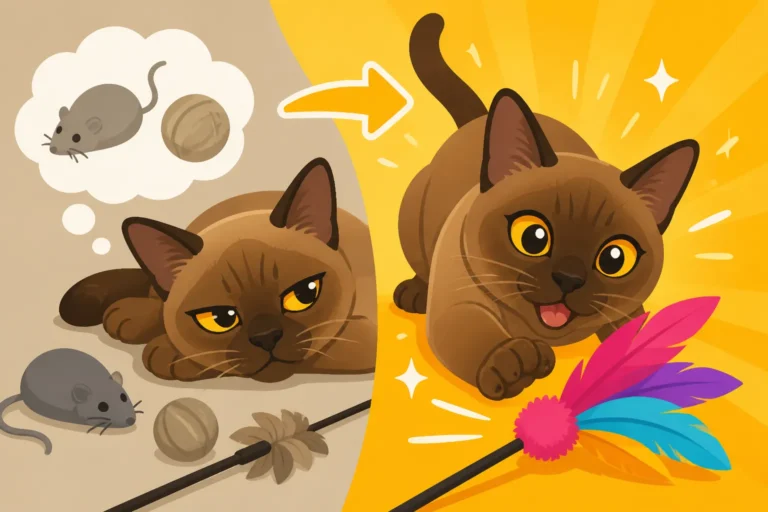
It's a familiar scenario for many Burmese cat owners: you've just bought the latest, most exciting cat toy, complete with feathers, bells, and catnip. You toss it across the room, full of anticipation, only for your beautiful Burmese to give it a passing glance, perhaps a polite sniff, and then turn its attention back to you, demanding your hand in play. It's not that your Burmese doesn't want to play; it's that they often ignore anything you aren't actively holding or engaging with. This guide delves into why your Burmese behaves this way and how you can still encourage a rich, interactive, and stimulating life for your beloved companion.
The Burmese: Your Personal Playmate, Not Just a Cat
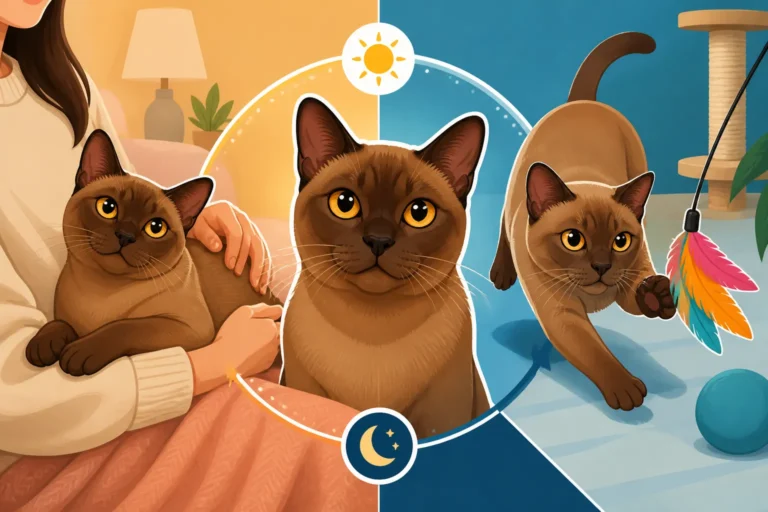
The Burmese is renowned for being a "Velcro cat," a moniker that perfectly encapsulates their intense bond with their human companions. They aren't just pets; they are active participants in your life, deeply embedded in your daily routines. This unique personality trait is at the heart of why they might seem to "ignore" toys that aren't directly part of a shared experience with you. It's not disinterest in play itself, but a profound preference for playing with you.
Think about it: many other breeds might be content to bat around a crinkle ball or chase a laser dot on their own for a good half hour. A Burmese, however, often sees a solo toy as a missed opportunity for interaction. They thrive on the back-and-forth, the chase and retrieve, the shared focus that only human-led play can provide. This isn't a sign of being high-maintenance; it's a testament to their intelligence, their emotional depth, and their craving for connection. They genuinely prefer your company, even if it means foregoing a perfectly good toy for a chance to rub against your leg or hop into your lap. The Burmese Is the Velcro Cat of the Cat Fancy goes into more detail about this captivating trait.
This doesn't mean your Burmese can't entertain themselves at all, but their definition of "entertainment" often involves you. If you're wondering Why a Burmese Cannot Be Left Alone All Day, this inherent need for interaction is a huge part of the answer. A toy sitting idly in the corner of a room, no matter how engaging it might seem to us, simply doesn't hold the same appeal as a toy being actively presented and manipulated by their favorite human. It’s an act of love, truly, but one that can certainly lead to a house full of untouched cat gadgets.
Understanding the "Ignore It Unless You're Holding It" Phenomenon
This particular quirk of the Burmese personality stems from several interconnected behavioral traits. It’s not a flaw, but a characteristic that makes them so endearing and, at times, a bit demanding of our attention.
Their Deep Social Drive
Burmese cats possess an incredibly strong social drive, often described as having "dog-like" personalities. They bond deeply with their families and view themselves as integral members of the pack. For a highly social creature, independent play can feel isolating or simply less stimulating than a shared activity. When you hold a toy, you're not just presenting an object; you're offering an invitation to engage, to connect, to share an experience. This is far more appealing to a Burmese than the toy itself. They’re observing your body language, anticipating your next move, and relishing the direct interaction.
This social nature also means they often prefer to interact with living beings rather than inanimate objects. It's why many Burmese owners find that their cats are quite comfortable around children and even dogs, treating them as additional sources of company and play. Why a Burmese Treats Children and Dogs as More Company highlights how inclusive they are of other household members in their social circle. A static toy just can't compete with the dynamic, responsive presence of a human (or another furry friend).
The Thrill of Shared Hunting
At their core, cats are hunters. While our domestic companions may not need to hunt for survival, the instinct remains strong. For a Burmese, the "hunt" isn't just about catching the prey (the toy); it's about the entire interactive process. When you're holding a wand toy, for instance, you're mimicking prey behavior – darting, hiding, and pouncing. Your movements, your voice, even the way you make the toy "come alive" are all crucial parts of the predatory game for your Burmese.
Without your active participation, the toy lacks this vital element of unpredictability and challenge. A toy lying still on the floor is "dead" prey; it offers no thrill of the chase. When you're holding it, however, it becomes a dynamic, engaging target that requires their full attention and strategic thinking. They learn to associate your hands and your presence with exciting, stimulating play, reinforcing their preference for interactive toys. This is also why Whether a Burmese Brings a Toy Back to Your Lap is often tied to wanting you to throw it again, continuing the interaction.
Learning and Reinforcement
Cats are incredibly intelligent creatures, and Burmese cats, in particular, are known for their quick learning abilities. If every time you pick up a toy and engage with them, they receive positive reinforcement – your attention, praise, and the sheer joy of play – they quickly learn that you are the key to unlocking the fun. Conversely, if they bat at a solo toy for a few minutes and then it just lies there, offering no further stimulation, they learn that it's a less rewarding experience.
This pattern creates a cycle: they seek your interaction because it's consistently more rewarding, and your interaction reinforces that behavior. It’s a wonderful bonding experience, but it does mean that overcoming the "ignore it unless you're holding it" habit requires a conscious effort to make solo play more appealing and less reliant on your direct involvement. This is where creative enrichment comes in, ensuring that their environment is as stimulating as their interactions with you.
Why This Behavior Isn't Naughtiness, But a Need for Connection
It’s easy to feel a bit put out when your expensive new cat tree or automatic laser pointer sits unused while your Burmese stares expectantly at you. But it’s crucial to understand that this isn’t a sign of being difficult or ungrateful. It’s a fundamental expression of their breed's deep need for connection and engagement.
A Quest for Your Attention
For a Burmese, your attention is a precious commodity. They thrive on being part of your world, often following you from room to room, even sitting on your shoulder as you move about your day. When they ignore a toy you're not holding, they're essentially making a choice: the object is secondary; the interaction with you is primary. It's a subtle way of saying, "I want you to play with me." This isn't a ploy to manipulate; it's an inherent desire to share moments and strengthen your bond.
This attention-seeking behavior is part of what makes the Burmese so charming and captivating. They don't just exist in your home; they participate in it. If they weren't so deeply connected, they might indeed be content with solo play. But the Burmese is often called the "dog of the cat world" for a reason – their loyalty and desire for companionship run incredibly deep. When they climb on you rather than the furniture, it's another sign of this preference for human contact. Why a Burmese Climbs People Rather Than Furniture explains this more.
Preventing Boredom and Loneliness
While it may seem counterintuitive, a Burmese ignoring toys when you're not holding them can also be a subtle cry against boredom or loneliness. A Burmese left alone for extended periods without sufficient mental and physical stimulation can develop behavioral issues, even separation anxiety. If their primary source of enrichment comes from you, and you're not available, they might simply "shut down" or wander around, waiting for your return rather than engaging with static objects.
This is why, for many Burmese owners, the solution to this behavior isn't just more toys, but more company. Why Burmese Breeders Sell Them in Pairs is often rooted in the understanding that two Burmese cats can provide each other with the constant companionship and interactive play they crave, even when their humans are busy. This shared experience can reduce their reliance on you for all their entertainment, leading to a happier, more well-adjusted cat.
Strategies for Engaging Your Burmese (Even When Your Hands Are Full)
So, how do you navigate this beautiful but sometimes challenging trait? The goal isn't to turn your Burmese into a lone wolf, but to broaden their definition of "play" and provide engaging options that don't always require your direct, hands-on involvement.
Make Solo Toys Interactive
The key is to bring life and unpredictability to those neglected toys. Here are a few ideas:
- Puzzle Feeders: A Burmese is highly food-motivated, so turning mealtime into a game can be a huge win. Rather than putting their kibble in a bowl, use puzzle feeders. These require your cat to bat, roll, or manipulate the feeder to get their food, engaging both their minds and their bodies. Which Puzzle Feeder Slows a Greedy Burmese Down can be a great starting point for finding the right one. This taps into their hunting instinct by making them "work" for their food.
- Rotating Toys: Cats get bored easily, especially intelligent breeds like the Burmese. Don't leave all their toys out all the time. Rotate them! Introduce a "new" toy every few days or weeks. Even old toys can feel fresh again after being put away for a while.
- Motorized or Automatic Toys: While a static toy might be ignored, some battery-operated toys can mimic the erratic movements of prey, holding a Burmese's attention for short bursts. Look for toys that move unpredictably, hide, and reappear. You might even find some on Amazon that your Burmese takes a shine to.
- Catnip Infusion: A fresh sprinkle of high-quality catnip can make even the most ignored toy suddenly irresistible for a short period. Just be sure not to overdo it, as some cats can become desensitized.
Harness Their Natural Instincts
Beyond just toys, think about ways to engage their natural behaviors in your home environment.
- Vertical Space: Burmese cats are agile and love to climb. Providing cat trees, shelves, or even cat-friendly wall perches gives them an elevated vantage point to observe their "territory" and satisfy their climbing instincts. Place these near windows for bird-watching opportunities.
- Window Perches: A secure window perch, especially one overlooking a bird feeder or a bustling street, can provide hours of mental stimulation. The movement and sounds outside offer a constantly changing "show" that can captivate a Burmese, even without your direct involvement.
- Supervised Outdoor Time: If safe and practical, consider harness and leash training your Burmese. Their curious and confident nature often makes them amenable to it. A controlled outdoor adventure can be incredibly enriching, offering new sights, smells, and sounds. Leash Training a Burmese That Follows You Anyway can guide you on how to introduce this safely. Remember, their trusting nature means they have little road sense, so a secure harness and attentive supervision are paramount.
The Power of Routine and Consistency
While your Burmese loves spontaneous play, establishing a routine for interactive play can be incredibly beneficial. Scheduling specific playtimes ensures they get the attention and stimulation they crave, which might make them more receptive to independent activities at other times.
| Play Type | Description | Best for Burmese | Engagement Level Required from Owner |
|---|---|---|---|
| Interactive Wand | Mimics prey with erratic movements; feathers, string, bugs. | Extremely high – taps into hunting drive and direct interaction. | High |
| Laser Pointer | Exciting chase, but no physical "catch" can be frustrating. | High initially, but can lead to frustration. Use with a physical toy at the end. | High |
| Puzzle Feeder | Requires manipulation to release food; various difficulty levels. | Very high – combines food motivation with mental challenge. | Low (setup) |
| Motorized/Auto | Battery-operated toys that move, hide, or light up automatically. | Moderate to high – offers dynamic movement, but still lacks human element. | Low (setup) |
| Catnip Toys | Stuffed toys or simple objects infused with catnip. | Moderate – good for short bursts of excited play, then often ignored. | Low |
| Ball/Crinkle Toys | Simple objects to bat, chase, or carry. | Low to moderate – often ignored unless tossed by an owner. | Moderate (tossing) |
Remember, a Burmese needs significant interactive play to thrive. Aim for several short, intense play sessions throughout the day. Even 10-15 minutes of focused wand play can make a huge difference to their overall well-being. This consistency helps them feel secure in your bond and satisfied in their play needs. Even at an older age, What an Old Burmese Still Wants to Play is often linked to continuing these cherished interactive routines.
Disclaimer
This article is for general informational purposes only and does not constitute professional advice. Laws, prices and regulations vary by location and change over time. Consult a qualified professional for guidance on your specific situation.