Why a Burmese Accepts Daily Injections So Easily
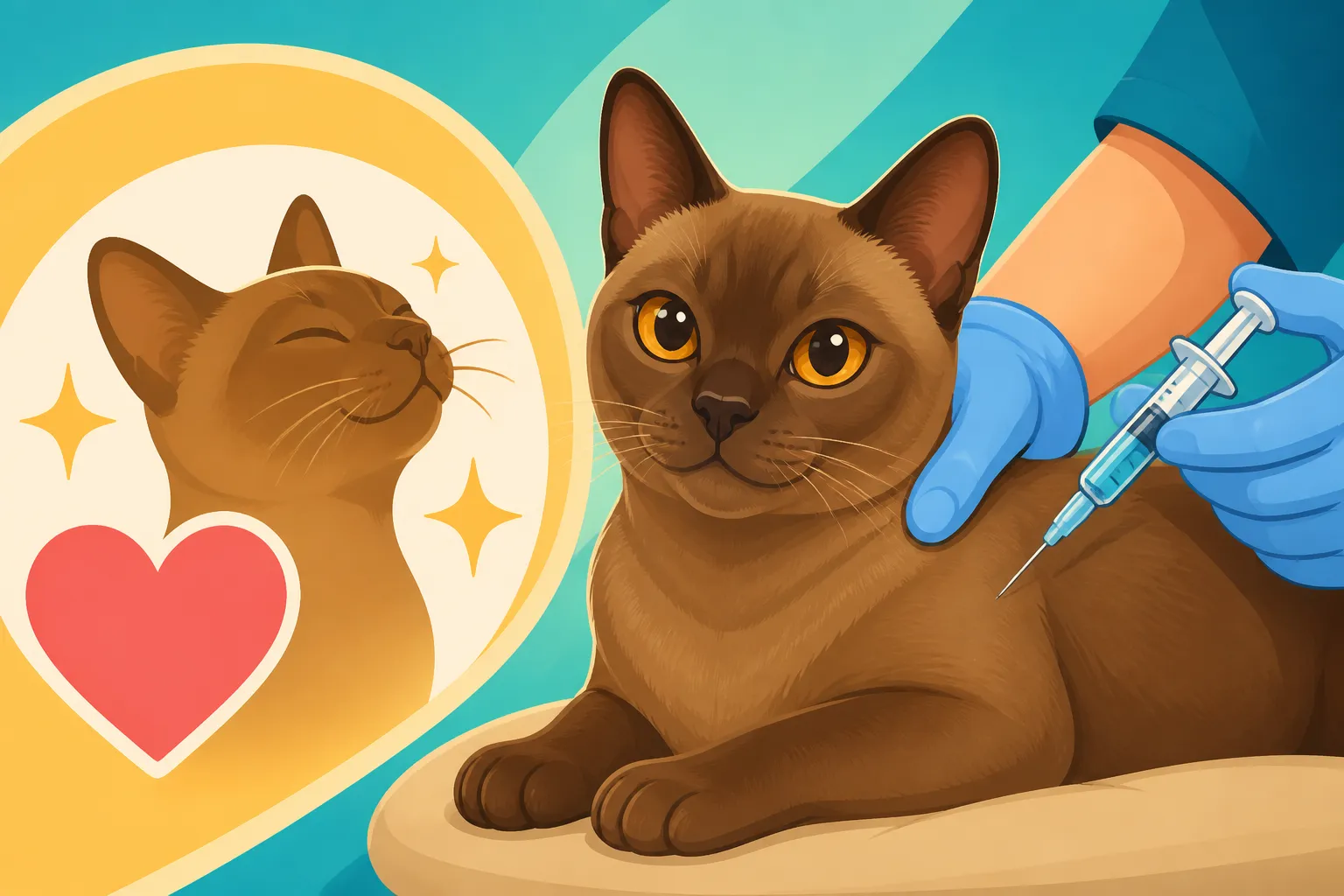
It’s a heartbreaking reality for many cat owners when their beloved feline companion receives a diagnosis that requires daily injections. The thought of wrestling a terrified cat, trying to administer medication while they scratch, bite, or simply vanish under the bed, can fill even the most devoted owner with dread. But if you're a Burmese owner, you might find yourself in a surprisingly different boat. This guide is here to explain why the unique nature of the Burmese cat often makes the daunting task of daily injections a far more manageable, and often peaceful, experience.
The Burmese Temperament: Trust, Affection, and Patience
One of the most remarkable traits of the Burmese cat, and a key factor in their acceptance of medical procedures, is their extraordinary temperament. These aren't your typical aloof felines; Burmese are known for their unwavering devotion, almost dog-like loyalty, and an incredible capacity for trust. This deeply ingrained personality plays a significant role in how they handle something as invasive as a daily injection.
Their Innate Trust in Their Humans
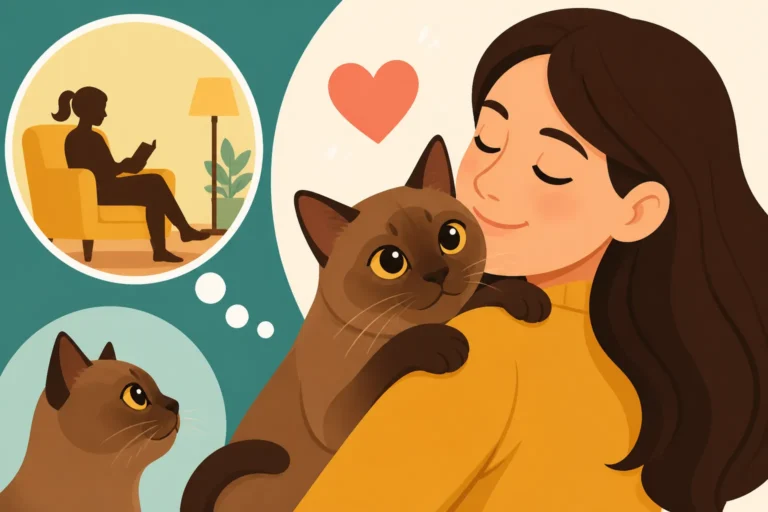
Burmese cats form incredibly strong bonds with their human companions. They are often described as "Velcro cats" for a reason – they want to be with you, on you, or at least in the same room, at all times. This intense attachment fosters a deep sense of trust. When you approach your Burmese with a syringe, they often don't immediately perceive it as a threat because you are not perceived as a threat. Instead, they often rely on the established relationship. They trust that you, their primary source of comfort and affection, wouldn't intentionally harm them. This trust doesn't mean they enjoy the prick, but it means they are far more likely to tolerate it from a trusted hand than a stranger, or even another family member with whom they don't share such a profound connection. It’s truly amazing to see how Why a Burmese Purrs Through a Vet Examination even in unfamiliar environments, they often lean into their person.
Imagine a typical scenario: you call your Burmese, and they come trotting over, perhaps even jumping into your lap, ready for a cuddle or a game. This is their baseline. When it's time for an injection, you don't have to hunt them down. They're often right there, seeking attention. Because they are so confident in your presence, they are more amenable to being held and manipulated gently. This isn't to say every Burmese will be perfectly still every time, but their underlying trust means you're starting from a place of cooperation, not conflict. They look at you, the person who provides their food, their warmth, their play, and they generally accept your handling, even if it's for something slightly unpleasant.
The Desire for Closeness and Contact
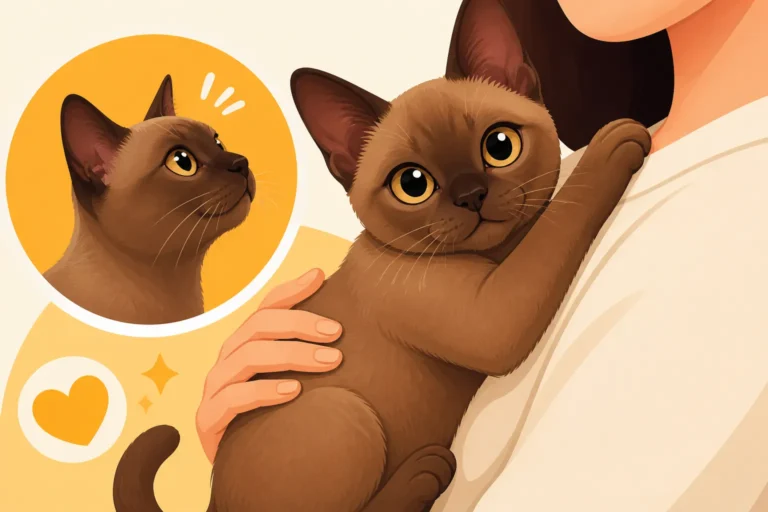
Beyond trust, the Burmese thrives on physical closeness. They are not content with merely being in the same room; they want to be on you, ideally draped across your shoulder, curled up in your lap, or tucked under the covers with you. This constant desire for contact translates into a high tolerance for being handled. Many cats might squirm or protest when picked up or held still, but a Burmese often views it as another opportunity for connection, even if the end goal is a quick jab. This allows you to position them comfortably and securely without a major struggle.
This inherent need for physical interaction makes handling for injections significantly easier. You can often administer an injection while your Burmese is already nestled in your lap, perhaps even purring contentedly. The feeling of being held and comforted by their human often outweighs the brief discomfort of the needle. They understand the routine of being picked up and cuddled, and an injection can seamlessly become part of this established pattern of interaction. It's less about coercion and more about integration into their normal, affectionate exchanges. If you've ever wondered How Long a Burmese Will Ride on a Shoulder, you'll understand just how much they enjoy being close. This close physical relationship is a true asset when it comes to routine medical care.
Their Unflappable Nature and Playfulness
Burmese cats possess a wonderfully calm and resilient disposition. They are often less prone to sudden panics or dramatic reactions compared to some other breeds. While they are incredibly energetic and playful, they also have an inner stoicism that helps them navigate uncomfortable situations. A quick prick might elicit a twitch or a surprised look, but it rarely escalates into a full-blown meltdown. Their playful spirit also means they are easily distracted and quick to forgive, ready to pounce on a toy or accept a treat moments after an injection.
This unflappable nature is a true gift when it comes to medical care. They don't hold grudges, and they don't associate you permanently with the brief unpleasantness. Instead, they are eager to move on to the next positive interaction. Their high intelligence and desire to please also make them excellent candidates for Why a Burmese Is the Easiest Cat to Clicker Train. You can leverage this eagerness for positive reinforcement, teaching them to associate injection time with rewards. This makes the entire process less stressful for both cat and owner, turning a potential daily battle into a manageable, brief interlude in an otherwise happy day.
Physical Traits That Aid Administration
Beyond their amazing personalities, the Burmese cat also possesses several physical characteristics that, perhaps inadvertently, make daily injections a bit less challenging. These anatomical features contribute to ease of access and minimal discomfort during the process.
The Loose Scruff and Thin Skin
One of the primary anatomical advantages of the Burmese, which they share with many cats, is the relatively loose skin around their scruff and back. This area is typically where subcutaneous injections (under the skin) are administered. With a Burmese, this skin often feels supple and easily tents, creating a perfect pocket for the needle and medication. The skin itself is also generally quite fine and thin, meaning the needle can pass through with minimal resistance, which contributes to less discomfort for the cat.
The loose skin allows for a good "tent" to be formed, giving you ample space to ensure the needle goes into the subcutaneous tissue and not into muscle or through to the other side. This is crucial for proper medication absorption, especially for conditions like diabetes which often require precise insulin delivery. The combination of pliable, loose skin and fine texture helps the injection process feel less invasive. It's less about force and more about gentle manipulation. Your vet can show you exactly How to Give a Burmese Its Insulin at Home, and you'll quickly appreciate how easy their skin makes it.
Their Compact, Muscular Build
The Burmese cat is often described as a "brick wrapped in silk" – a wonderfully apt description. Beneath that short, satiny coat lies a surprisingly solid and muscular body. This compact, well-muscled physique provides a stable base when handling them for injections. Unlike some more delicate or lanky breeds, a Burmese feels sturdy and secure in your arms. This stability minimizes squirming and allows for a steady hand during administration.
Their muscularity also means there's less concern about accidentally injecting into a bony area. While injections are typically given in the loose skin of the scruff, a solid body offers a reassuring presence. This robust build also contributes to their overall health and resilience, which is a blessing, especially when managing chronic conditions like diabetes. Understanding What an Adult Burmese Should Weigh can help you appreciate their density, which is often surprising given their sleek appearance. This physical robustness helps maintain calmness during handling, allowing for smoother and more effective delivery of medication.
Establishing a Routine: Consistency is Key
Even with the most cooperative cat, establishing a consistent routine is paramount for making daily injections a smooth and stress-free part of life. For a Burmese, who thrives on predictability and interaction, a well-structured routine capitalizes on their natural tendencies and reinforces their acceptance.
Making Injections Part of Daily Life
Burmese cats are creatures of habit, and they respond well to routines. Integrating injection time into an existing, positive daily routine can significantly reduce anxiety. For many, this means associating the injection with meal times, which are already highly anticipated and pleasurable events. Perhaps the injection happens just before their breakfast, or right after their dinner, followed immediately by their food. This creates a positive association: "injection means delicious food is coming!"
Consistency in timing, location, and procedure is crucial. Try to perform the injection in the same quiet, calm spot each day. Use the same gentle handling techniques. Over time, your Burmese will learn to anticipate the sequence of events, which reduces surprise and resistance. They'll understand that this brief, odd moment is just a small part of their day, quickly followed by good things. When a cat knows what to expect, they are far more likely to tolerate it. This helps answer How Often a Diabetic Burmese Is Injected by embedding it into their daily schedule. Moreover, a consistent schedule of How to Time a Diabetic Burmese's Meals Around Insulin is vital for their overall health, not just for the injection process.
Positive Reinforcement and Rewards
This point cannot be stressed enough: positive reinforcement is your best friend when it comes to daily injections, especially with a highly food-motivated and affectionate breed like the Burmese. Immediately after the injection, offer a highly desirable treat, a favorite toy, or a few moments of intense petting and praise. This quickly teaches your cat that enduring the quick poke leads to something wonderful. It shifts their focus from the brief discomfort to the anticipated reward.
A small, healthy treat like a tiny piece of cooked chicken or a lick of Churu (available on Amazon, for example) can work wonders. Some owners find that a puzzle feeder (also easily found on Amazon) filled with treats can provide distraction and reward. The key is immediacy. The reward must come within seconds of the injection so the association is clear. Over time, your Burmese may even start to look forward to injection time because it signals the arrival of their favorite treat or a special play session. This technique is often key to Teaching a Burmese to Sit Still for a Glucose Check as well, making the entire health monitoring process more cooperative.
Overcoming Challenges and Maintaining Comfort
While Burmese cats are generally cooperative, there might still be moments of hesitation or minor challenges. Understanding these and having strategies to address them will ensure the process remains as calm and comfortable as possible for both you and your cat.
Addressing Fear or Discomfort
Even a trusting Burmese can feel a little apprehensive. If your cat shows signs of discomfort or fear, it’s important not to push them too hard. Acknowledge their feelings without reinforcing them with excessive fuss. Try to identify what might be causing the distress. Is it the location? The way they are being held? The speed of the injection? Sometimes, simply changing your approach slightly can make a big difference.
For instance, if they resist being held, try having them sit on a surface they like, such as a comfy blanket on the counter, where you can administer the injection with less restraint. Gentle verbal reassurance in a calm, soothing voice can also work wonders. Some cats respond well to being wrapped lightly in a towel, often called a "purrito," which provides a sense of security without feeling overly restrictive. The goal is always to minimize stress. If they seem to be Why a Burmese Hides Illness Behind Its Affection, their discomfort with injections might be a subtle sign they are feeling unwell overall, so pay close attention. Remember, patience is key. If you're feeling stressed, your cat will pick up on it, so take a deep breath before you start.
Tools and Techniques for Smooth Injections
Having the right tools and employing good technique can make all the difference. Always use the smallest gauge needle your vet recommends, as this reduces the sensation of the prick. Ensure you have fresh needles and syringes for each injection, as dull needles cause more pain. Your vet or vet tech can demonstrate the proper technique for tenting the skin, inserting the needle swiftly, and administering the medication. Don't hesitate to ask for a refresher if you feel unsure.
Consider creating a dedicated "injection station" with all your supplies ready: insulin (if applicable), syringes, alcohol wipes (if recommended by your vet), and treats. This minimizes fumbling and keeps the process efficient. Many Burmese owners find a non-slip mat (like those found on Amazon) helpful for giving their cat a stable footing during the process. For insulin, proper storage and handling are critical; make sure you're always checking expiry dates. If your Burmese is diabetic, you'll need to know How a Burmese Is Monitored on Insulin at Home, and part of that is ensuring precise and comfortable injections. Practicing with saline solution (under vet guidance) can build your confidence. The more confident and competent you feel, the calmer your cat will be.
Here is a quick checklist to help you prepare for each injection:
| Task | Details | Benefit for Burmese |
|---|---|---|
| Gather Supplies | Syringe, fresh needle, medication, alcohol wipes (if prescribed), treats. | Efficiency, minimizes fumbling, reduces cat's waiting time. |
| Choose Quiet Location | A familiar, calm spot where your cat feels secure. | Reduces stress and distractions, promotes cooperation. |
| Prepare Medication | Draw up exact dose, check for air bubbles. | Ensures accurate dosage, prevents delays during injection. |
| Wash Hands | Essential for hygiene. | Prevents infection. |
| Calm Yourself | Take a deep breath, remain relaxed and confident. | Cat picks up on your demeanor, stays calmer. |
| Position Your Cat Comfortably | Lap, favorite blanket, non-slip surface. | Cat feels secure, less likely to squirm. |
| Tent Skin Gently | Locate loose skin on scruff or flank. | Ensures proper subcutaneous injection, reduces pain. |
| Inject Swiftly and Smoothly | Insert needle, push plunger, withdraw needle in one fluid motion. | Minimizes discomfort, quicker process. |
| Immediate Reward | Treat, praise, gentle petting. | Creates positive association, encourages future cooperation. |
| Dispose of Sharps Safely | Use a designated sharps container. | Ensures safety for household and waste workers. |
This article is for general informational purposes only and does not constitute professional advice. Laws, prices and regulations vary by location and change over time. Consult a qualified professional for guidance on your specific situation.